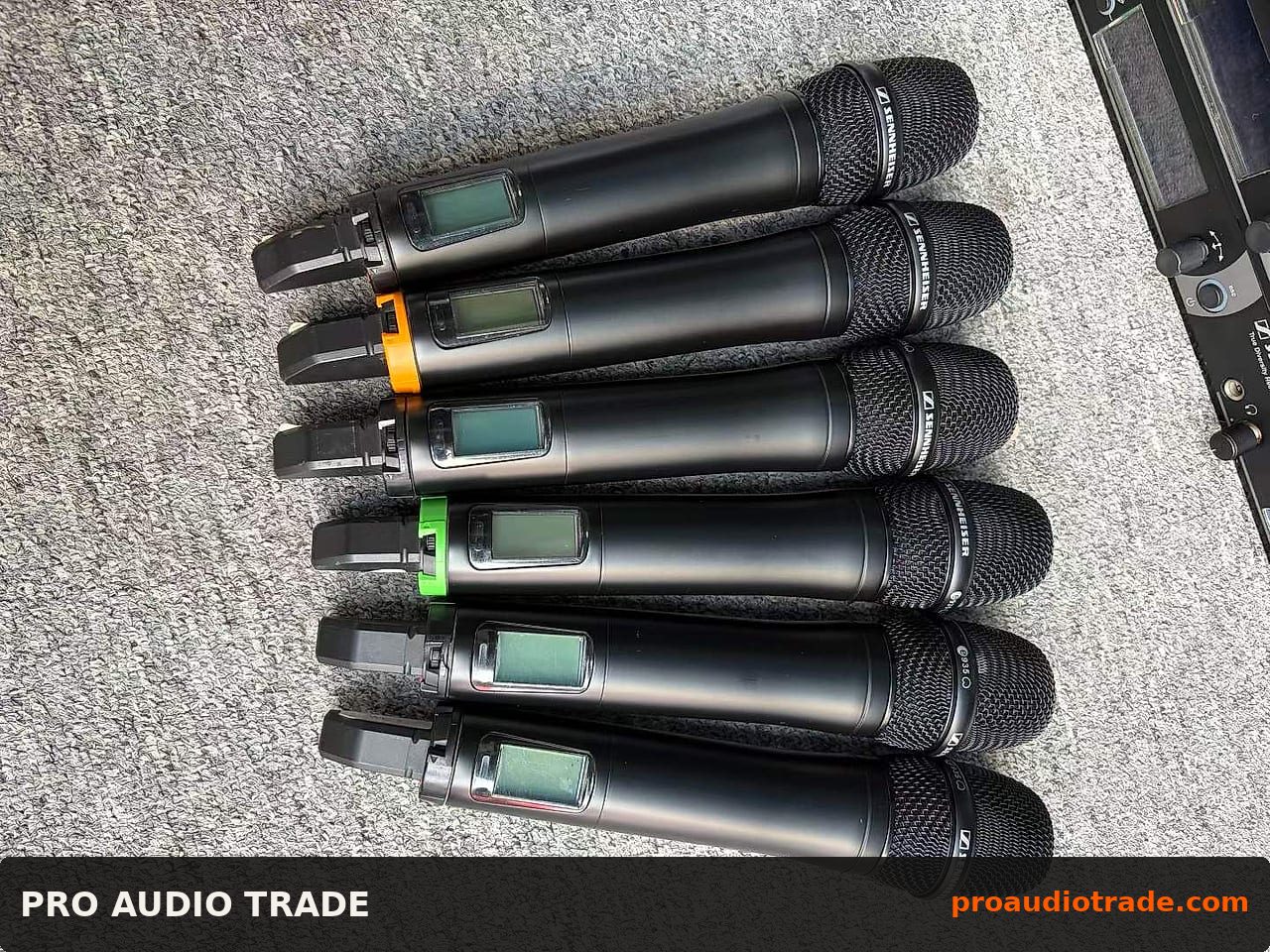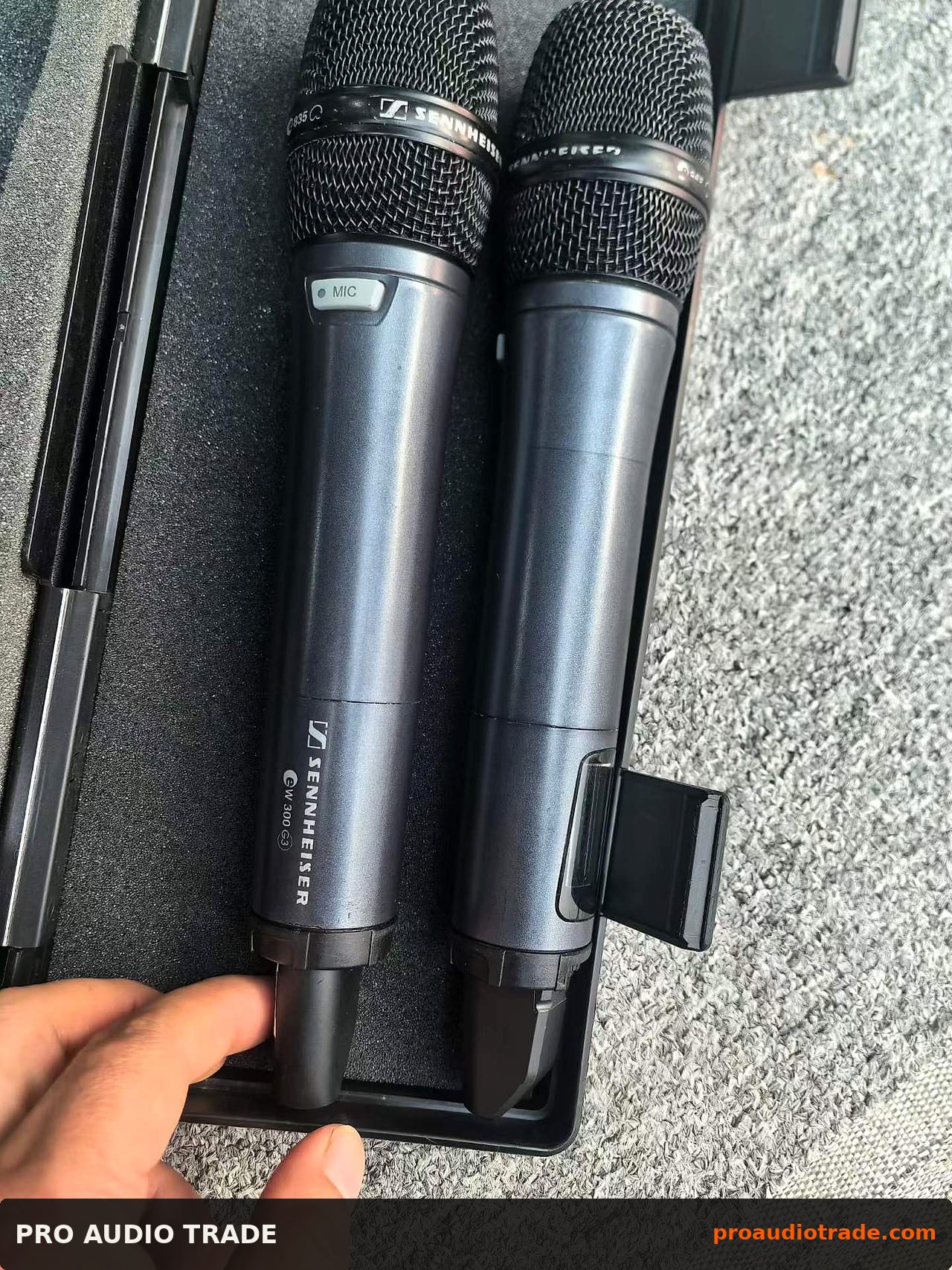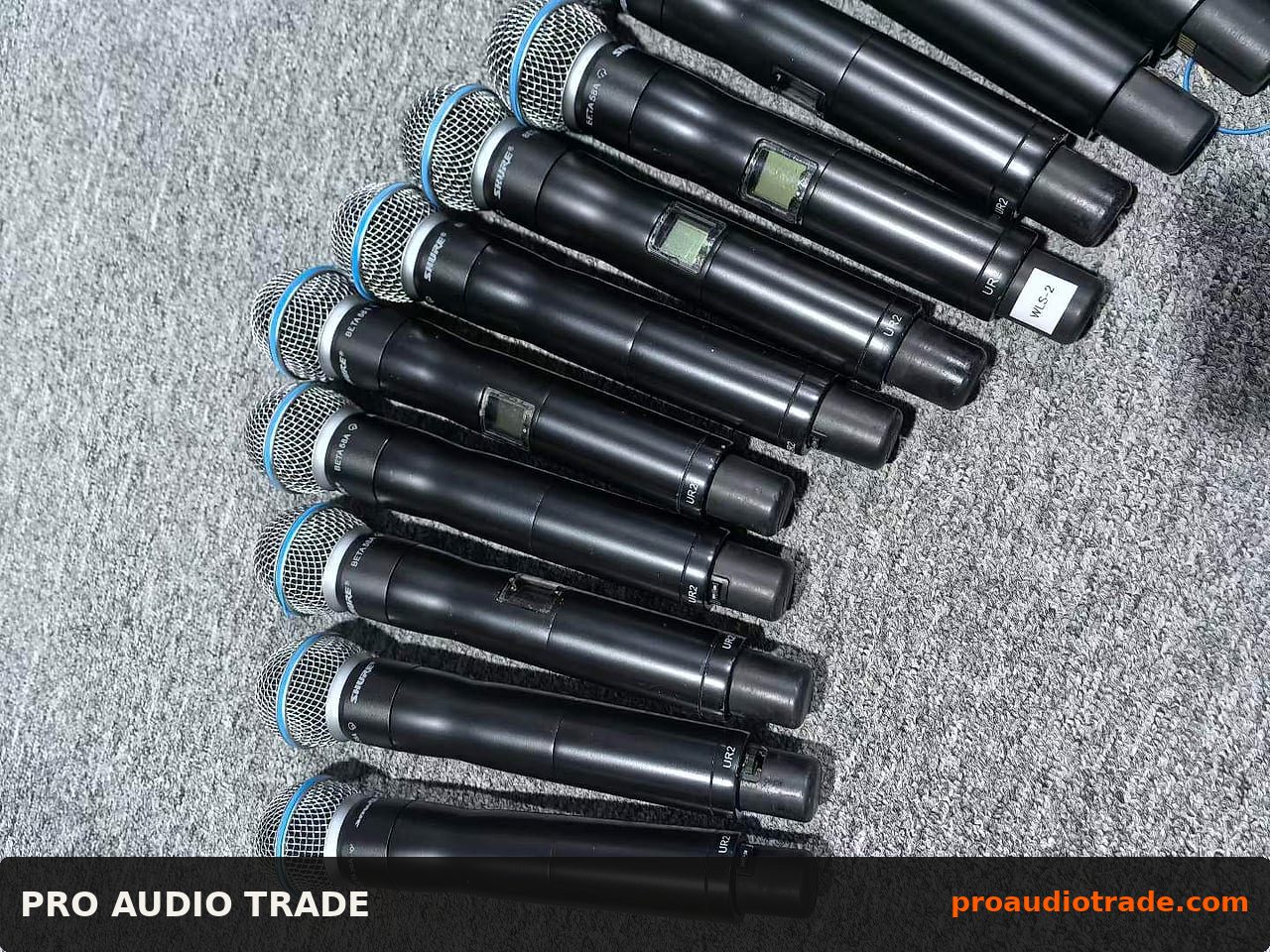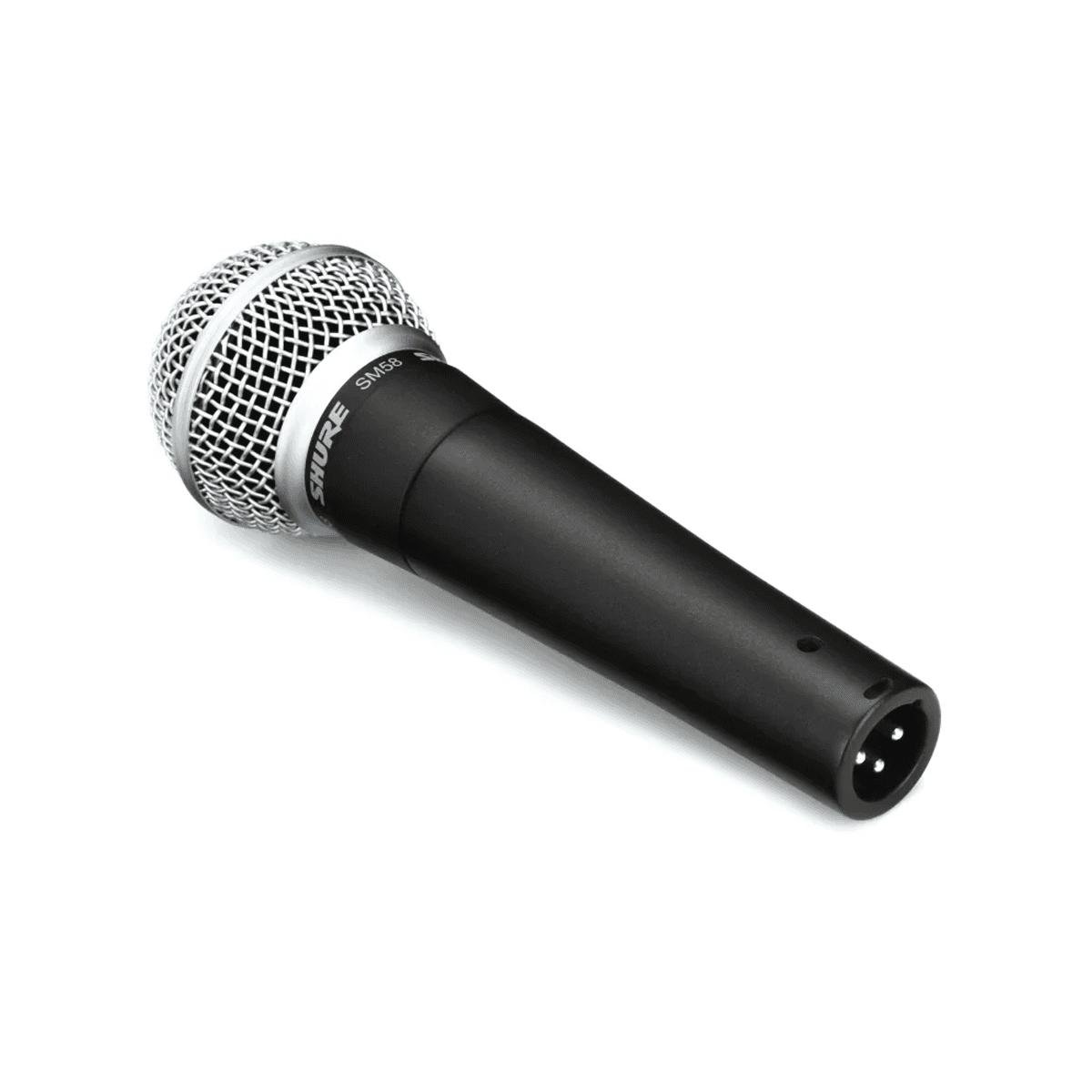
For rental firms, integrators, and audio engineers across the CIS, Middle East, South America, and Africa, the Shure SM58 is the default vocal mic—but it’s not the only smart buy on the used market. Whether you’re stocking a live sound inventory or equipping a house of worship, the question isn’t just “SM58 or not?” but “which used dynamic mic gives the best return per channel?” This comparison breaks down the SM58 against three common alternatives—Sennheiser e835, Audix OM2, and Electro-Voice PL80—so you can rank them by real-world priorities: durability, feedback rejection, and total cost of ownership.
Key specs and comparison: The Shure SM58 uses a cardioid dynamic capsule with a 50 Hz–15 kHz frequency response, a built-in spherical mesh grille, and a legendary ruggedness that survives drops and sweat. The Sennheiser e835 offers a tighter cardioid pattern, slightly brighter top end, and a hum-compensating coil—useful in venues with dimmer noise. The Audix OM2 is a hypercardioid design with excellent off-axis rejection, making it a favorite for loud stages and monitors. The Electro-Voice PL80 is a supercardioid dynamic with a warm low-mid emphasis and a shock-mounted capsule. In fixed ranking order for used B2B buyers: 1) Shure SM58—best all-rounder and easiest to resell; 2) Audix OM2—best for high-SPL stages and tight pattern control; 3) Sennheiser e835—best for vocal clarity in noisy electrical environments; 4) Electro-Voice PL80—best value for warm-toned speech and backup duty. All four accept standard XLR and are serviceable with common parts.
What to inspect on used units: Check the grille for dents and dried foam—replacements are cheap but factor them into your offer. Test the XLR connector for wobble and clean the threads; a loose connector is a common failure point on rental stock. For the SM58 specifically, verify the cartridge is original (look for the Shure logo and resistance reading around 300 ohms) and shake gently for rattles that indicate a loose capsule mount. On the Audix OM2, inspect the hypercardioid port for clogged foam. On the Sennheiser e835, confirm the hum-compensating coil is intact by listening for buzz near dimmers. On the EV PL80, check the shock mount for cracks. Always ask for a frequency response sweep or at least a spoken-word test recording.
Next step: Request a batch quote with serial numbers, grille condition, and test recordings for each lot. For rental fleets, prioritize SM58 and OM2 for resale liquidity; for installs, mix in e835 and PL80 where pattern control and warmth matter. Buy in lots of 10–50 to negotiate per-unit pricing, and insist on a 14-day return window on dead-on-arrival units. With the right inspection checklist, used dynamic mics can deliver 60–80% of new performance at 40–60% of the cost—ideal for B2B margins in price-sensitive markets.