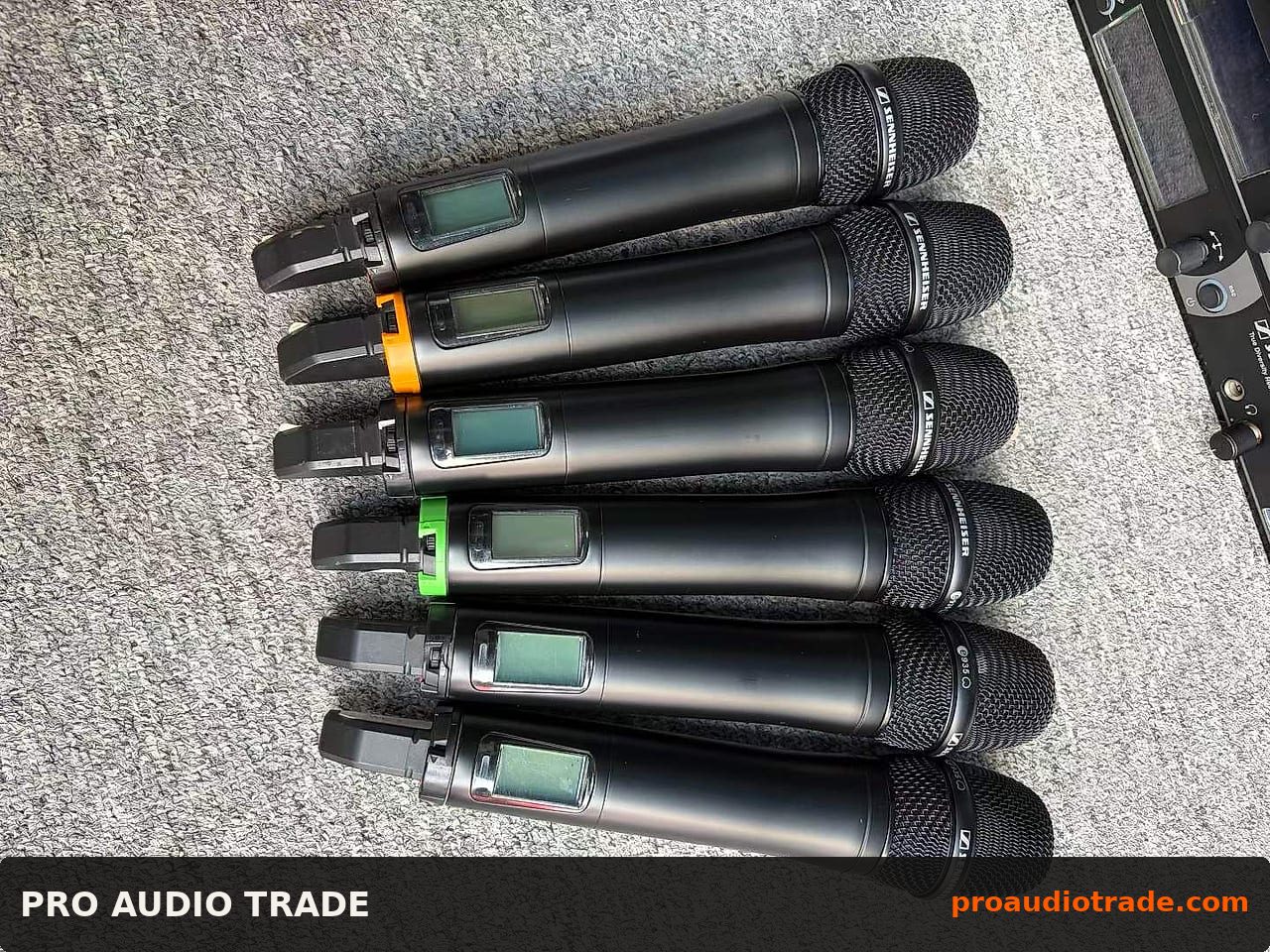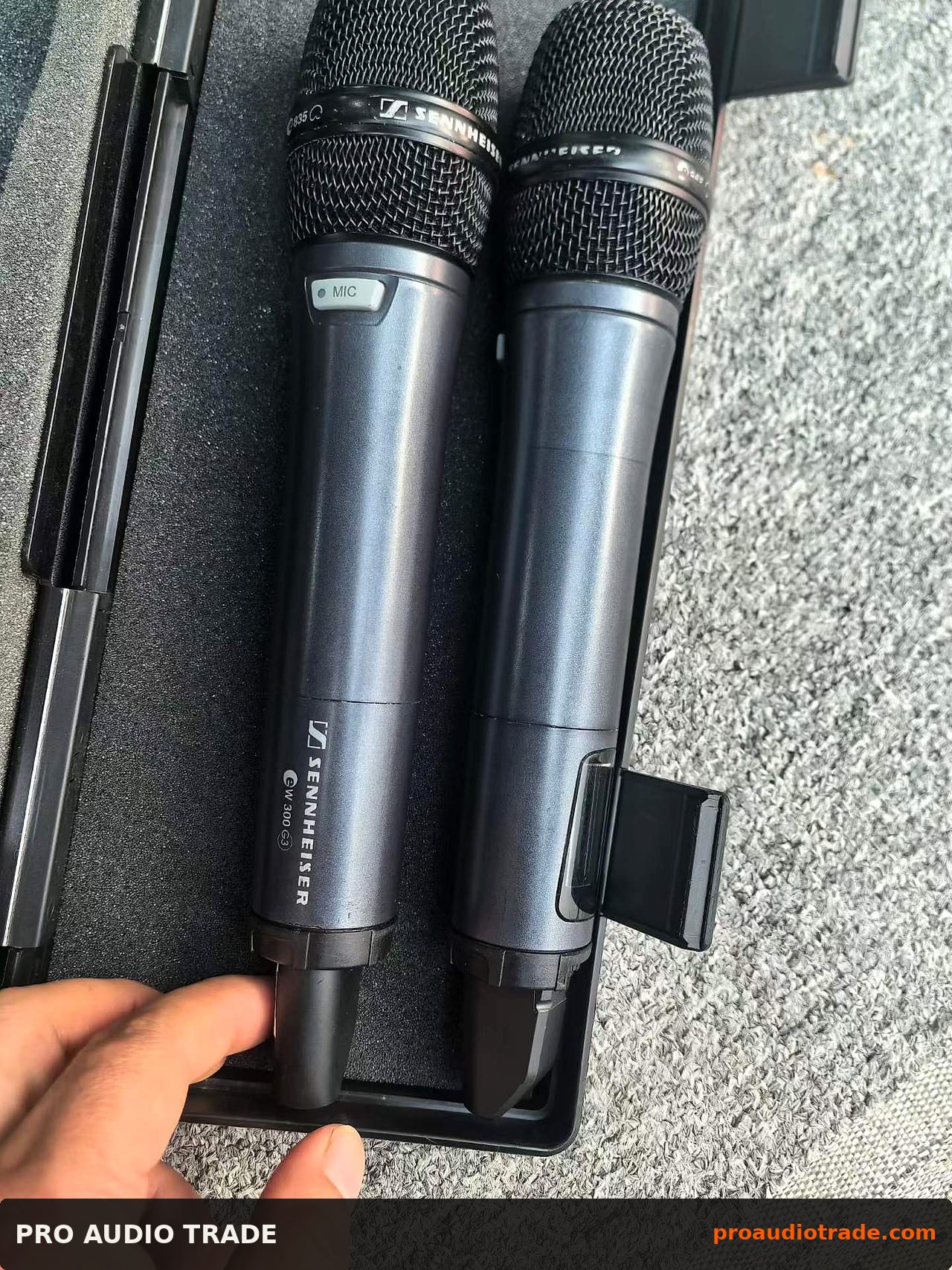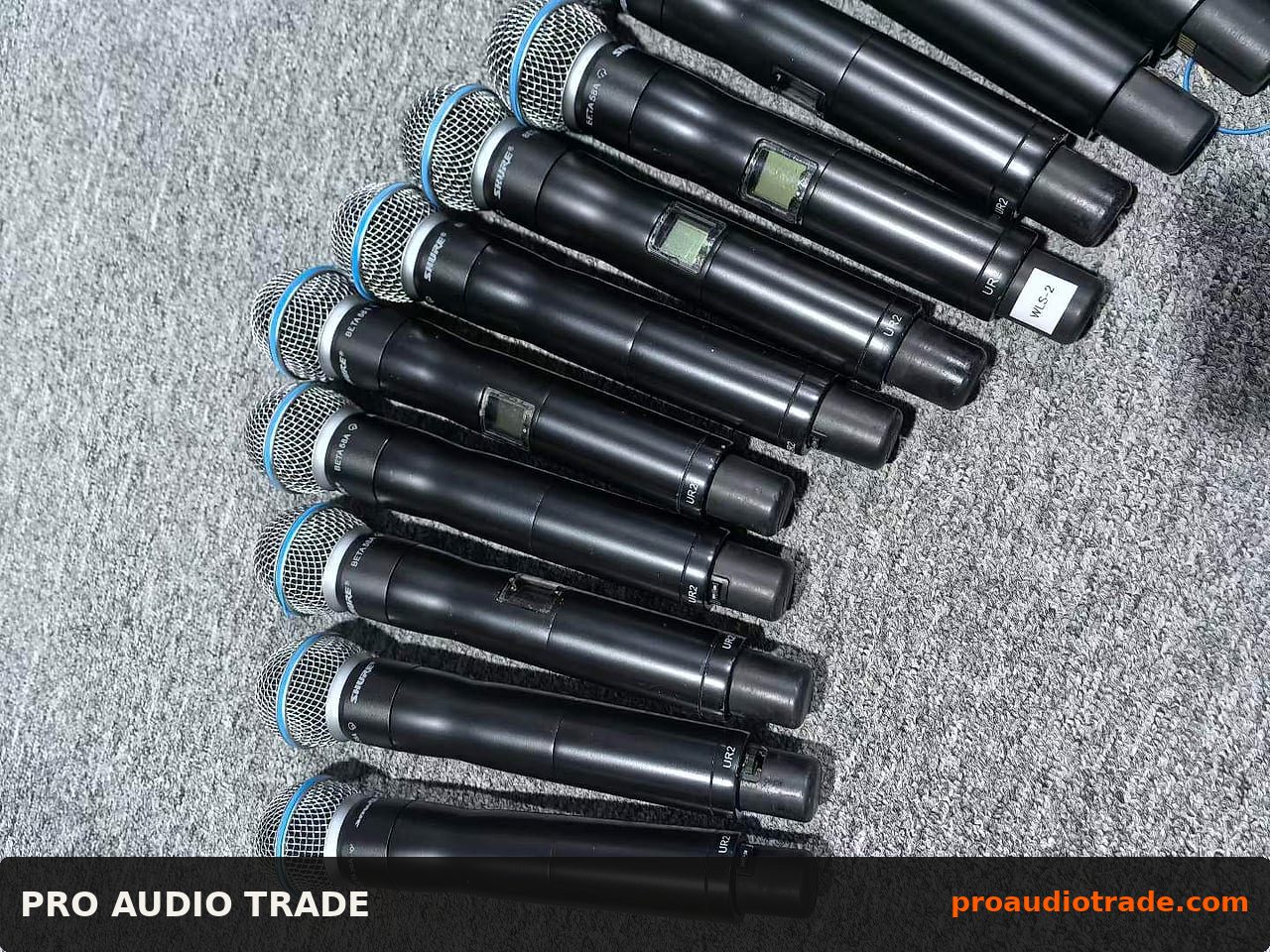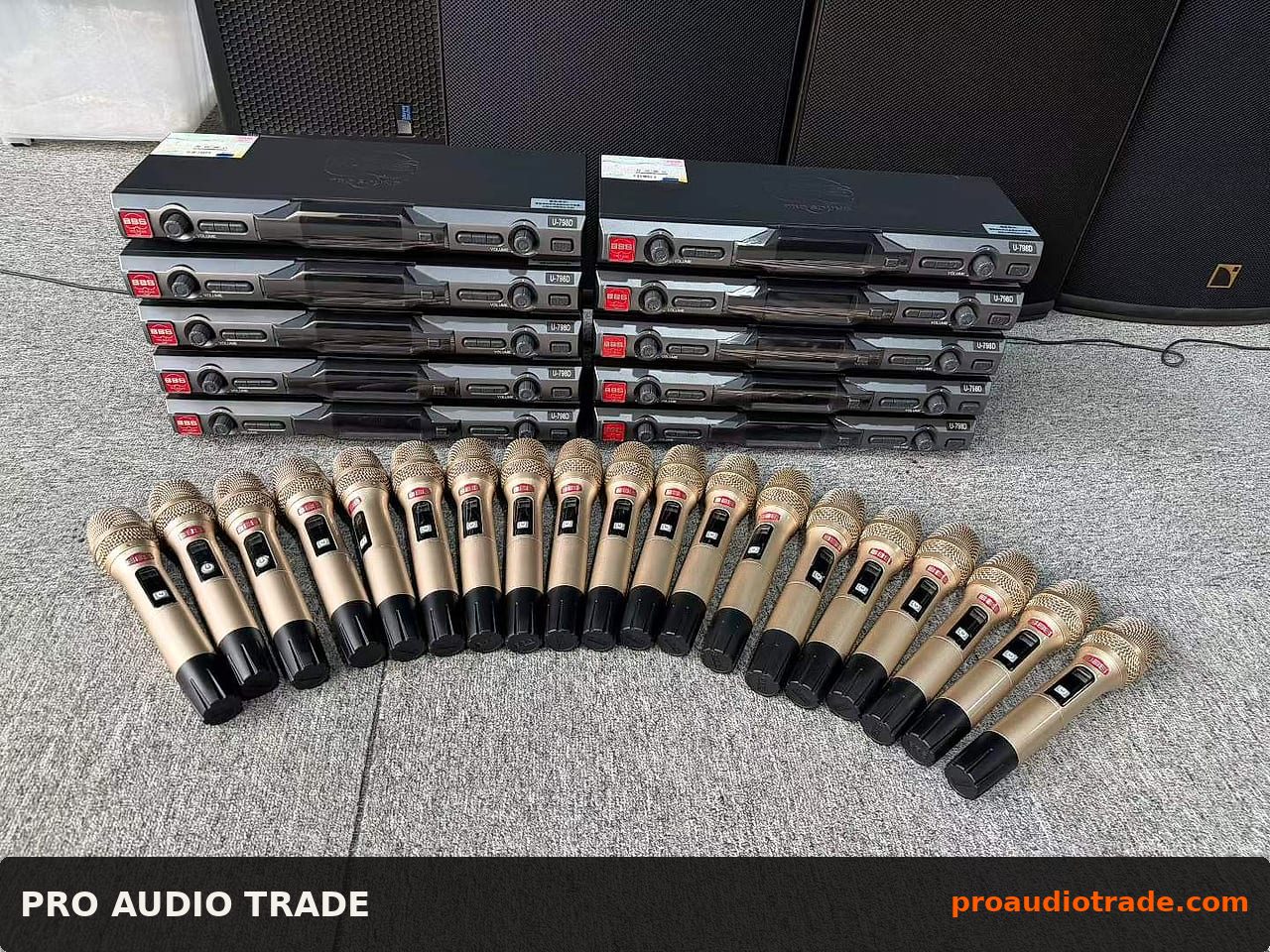
The BBS U-798D is a dual-channel UHF wireless microphone system that has found a niche in rental fleets, houses of worship, and small-to-mid venues across the CIS, Middle East, and Africa. It offers two handheld transmitters, a half-rack receiver, and a feature set that punches above its price point—especially on the used market. But is it the right choice for your inventory compared to alternatives like the Shure BLX, Sennheiser XSW, or AKG WMS?
1、 Where the BBS U-798D fits in a rental or venue inventory
The U-798D is best understood as a workhorse system for budget-conscious deployments. Its dual-channel receiver covers two handhelds simultaneously, which makes it ideal for small conference rooms, karaoke setups, and mobile DJ rigs where a single rack space is precious. In rental fleets, it serves as a reliable backup or entry-level option for corporate events and school productions—clients who need clear speech reinforcement but aren’t specifying premium brands. it lacks the RF agility and build robustness of Shure QLXD or Sennheiser EW-DX. But for fixed installs and budget rentals, it delivers acceptable performance at a fraction of the cost. Compared to the Shure BLX, the U-798D typically offers more channels per dollar and a metal receiver chassis on some revisions, while the BLX has better brand support and resale value. Against the Sennheiser XSW, the U-798D is cheaper but less refined in RF stability. The key is to match the system to the use case: high-turnover rental stock benefits from brand recognition, while fixed installs and cost-sensitive projects favor the U-798D’s value proposition.
2、 Key specs that matter for integration work(Key part!!)
When evaluating the U-798D for integration, focus on the specs that affect real-world deployment. The system operates in the UHF band, typically around 600–700 MHz depending on the regional variant—always verify the exact frequency range against local regulations, as CIS and Middle East spectrum rules vary. The receiver offers balanced XLR and unbalanced 1/4-inch outputs, which simplifies connection to mixers and DSPs. The handhelds use AA batteries, a plus for rental fleets because replacements are universally available. RF power is modest, so range is best suited to rooms under 50 meters; for larger spaces, consider active antenna distribution or a system with higher output. The U-798D’s receiver is half-rack width, so two units can share a 1U shelf with the optional joining kit—useful in rack builds. Audio quality is adequate for speech and vocals, with a fixed frequency response that rolls off highs slightly; for critical music applications, alternatives like the Shure BLX or AKG WMS offer more natural tone. The lack of networked control or remote monitoring means you’ll manage frequencies manually, which is fine for small installs but a limitation in multi-room venues. Finally, check the squelch and pilot tone behavior: some early U-798D revisions are prone to interference in dense RF environments, so plan frequency coordination carefully.
3、 Used-buying checklist: what to inspect and what to ask ()
Based on my own experience,Buying used wireless gear demands a disciplined inspection routine. Start with the receiver: check all connectors for wear, test both XLR and 1/4-inch outputs, and verify that the front-panel display and channel selection buttons function smoothly. Look for signs of overheating—discolored PCBs or bulging capacitors—especially in units that ran continuously in venues. For the handhelds, inspect the battery contacts for corrosion (a common failure point in humid climates), test the on/off switch for positive click, and check the antenna base for cracks. The most critical failure point on the U-798D is the handheld’s antenna solder joint; a loose antenna causes dropouts that are hard to diagnose. Ask the seller for a test recording or video showing both channels operating at distance, and request the frequency range and any known interference issues. Confirm that the units are not locked to a region with prohibited frequencies. Also ask about the power supply—original adapters are preferred, as third-party units can introduce noise. If the seller offers a grading scale (A, B, C), clarify what each grade means for cosmetic and functional condition. For B2B orders, request a bulk test report if buying multiple units, and confirm that transmitters and receivers are matched pairs, not mixed lots. Finally, ask about the return policy and warranty—even a 30-day functional guarantee reduces risk significantly.
4、 Price context and total cost of ownership
The U-798D’s main appeal is price. On the used market, a complete dual-channel system typically costs 40–60% less than a comparable Shure BLX or Sennheiser XSW set. For a rental fleet, that lower entry cost means faster payback and more units for the same budget. However, total cost of ownership includes more than purchase price. Consider battery consumption: the U-798D uses two AA per handheld, and rechargeable NiMH cells are a worthwhile investment. Factor in the cost of frequency coordination if you operate multiple systems—budget time or a simple scanner. Spare parts availability is limited compared to major brands, so buying a few extra handhelds as donors is smart. Resale value is lower, so depreciation is steeper. Against alternatives, the Shure BLX holds value better and has broader service support, while the Sennheiser XSW offers superior RF stability for critical events. The U-798D wins on initial cost and is a rational choice for fixed installs and budget rentals where brand prestige is not a client requirement. For high-end corporate work, the savings may not justify the risk of dropouts. Calculate your break-even: if the system rents out 20–30 times per year, the lower capex often outweighs the higher resale of premium brands.
In summary, the BBS U-798D is a sensible used purchase for budget-sensitive installs and rental fleets where brand cachet is secondary to cost and basic functionality. Inspect antenna joints and battery contacts, confirm frequency legality, and buy from sellers who provide test reports and a functional guarantee. Compared to Shure and Sennheiser alternatives, it sacrifices RF refinement and resale value for a lower entry price—a trade-off that makes sense for the right deployment.