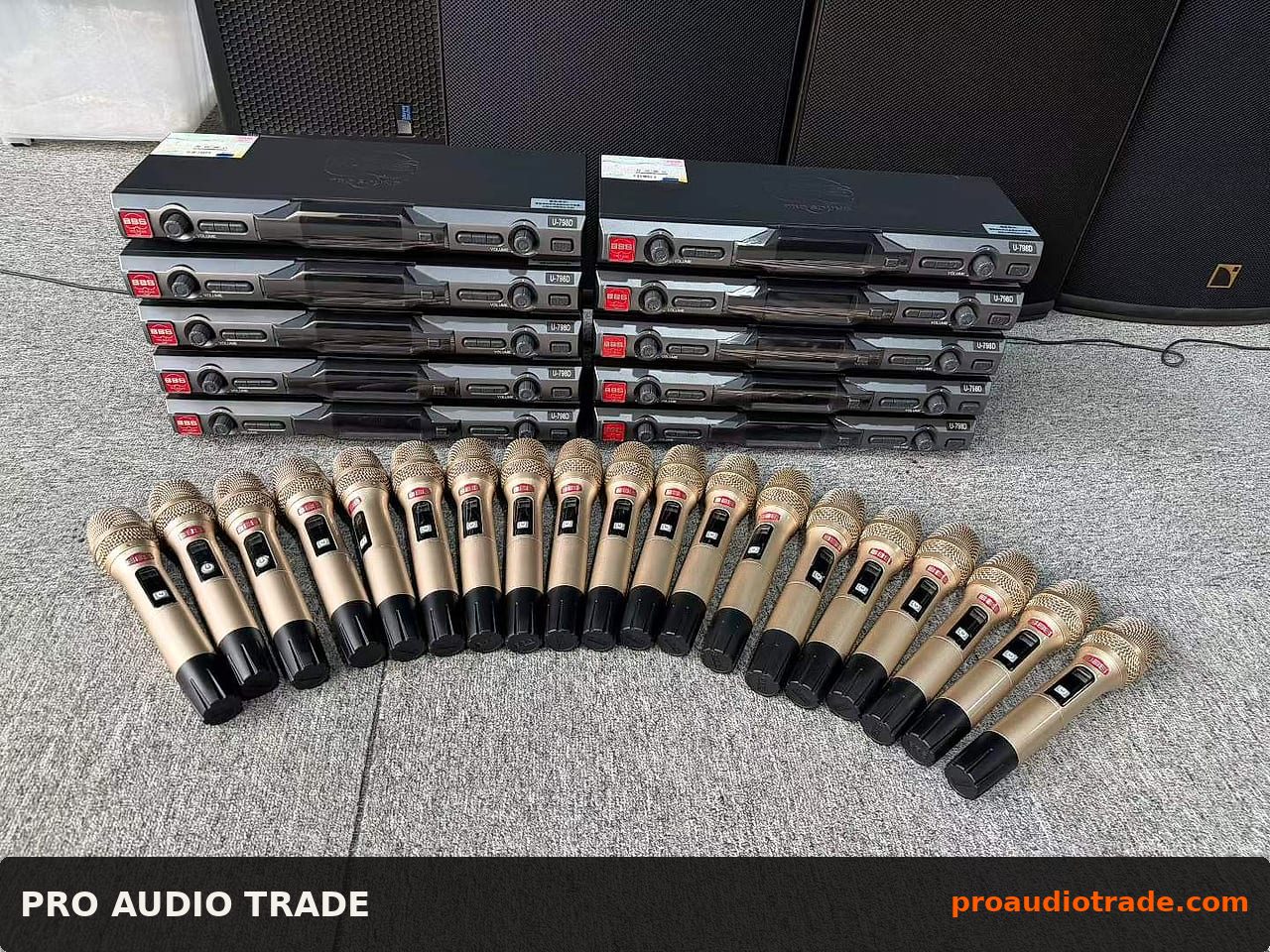
The BBS U-798D is a dual-channel UHF wireless microphone system that has become a familiar sight in rental inventories and fixed installations across the CIS, Middle East, South America, and Africa. It offers a practical balance of channel count, RF stability, and cost, which is why used units move steadily through B2B wholesale channels. If you are sourcing for a venue, a rental fleet, or an integration project, the used price is not a single number — it depends on grade, accessories, frequency band, and whether the seller has done real RF and audio testing. This article breaks down what drives the BBS U-798D price used, what to inspect, and how to buy smartly from a wholesale marketplace.
Where the BBS U-798D fits in rental and venue inventories
The U-798D is a dual handheld wireless system, typically supplied with two bodypack or handheld transmitters and a half-rack receiver. In rental fleets it often serves as the workhorse for conference rooms, houses of worship, small stages, and corporate events where you need two reliable channels without tying up a premium digital system. Integrators like it for fixed installs because the receiver is compact, the front panel is straightforward, and the system can be rack-mounted with an optional kit.
In the CIS and Middle East, the U-798D is frequently deployed in multi-room venues where several systems operate simultaneously. That makes frequency coordination and band selection important — a used unit in the wrong band can be useless in a dense RF environment. In South America and Africa, buyers often value the system for its ruggedness and the availability of spare transmitters, which keeps long-term operating costs predictable.
Key specs that matter for integration work
The U-798D operates in UHF bands, and the exact frequency range varies by version. For integration, the critical specs are the receiver's output connectors (balanced XLR and unbalanced 1/4-inch), the power supply voltage, and the transmitter battery type. Most versions use AA batteries, which is convenient for rental fleets but adds ongoing consumable cost. The receiver typically offers adjustable squelch and a front-panel LCD for channel and RF status.
RF output power and receiver sensitivity determine usable range. In real deployments, the U-798D performs well in line-of-sight conditions up to roughly 50–80 meters, but walls, metal structures, and crowded Wi-Fi bands reduce that. For multi-channel installs, check that the units you buy are in compatible frequency groups and that you can coordinate them with existing systems. Antenna distribution is not built in, so plan for external splitters if you are racking several receivers.
Used-buying checklist: what to inspect and what to ask
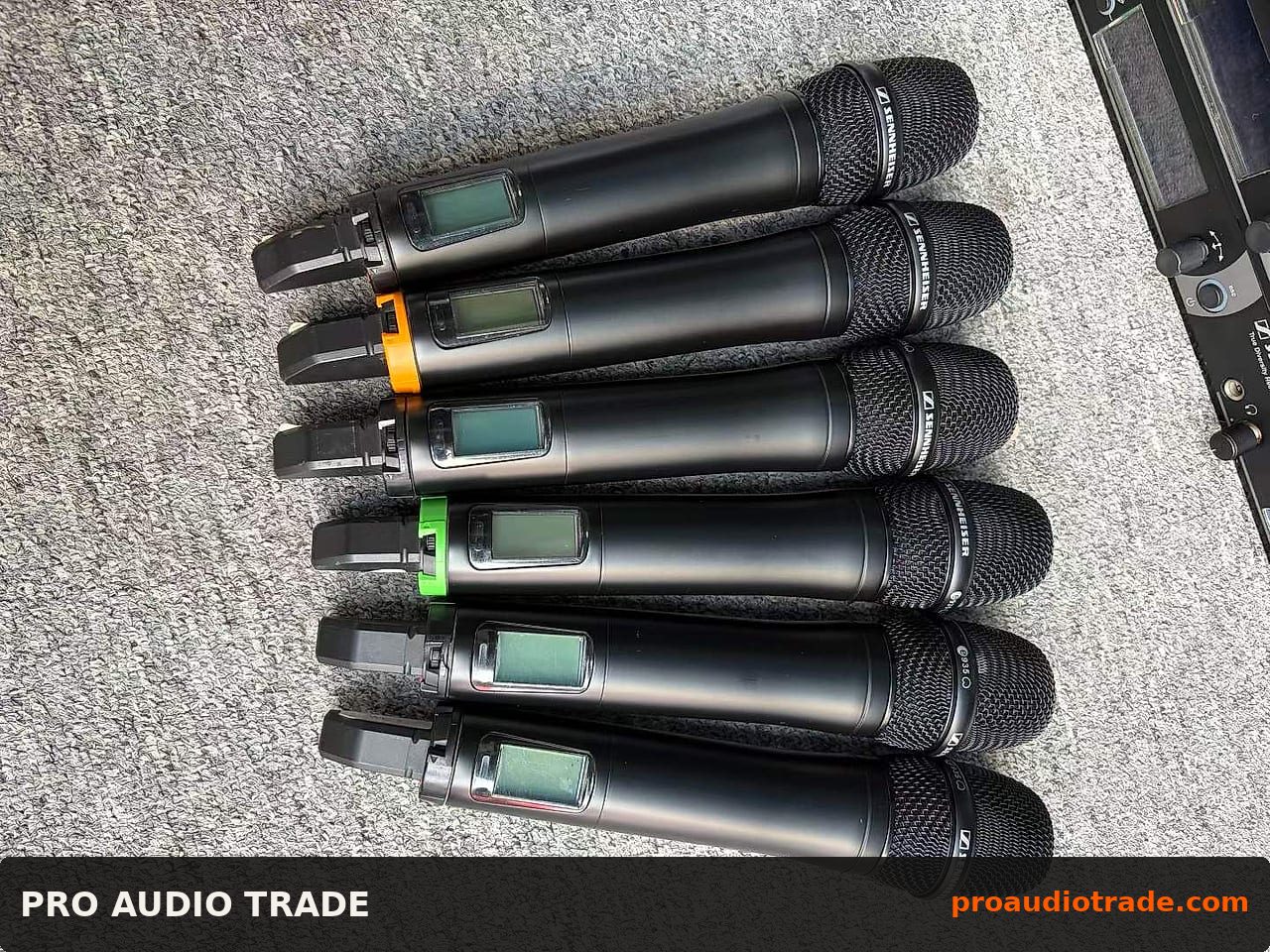
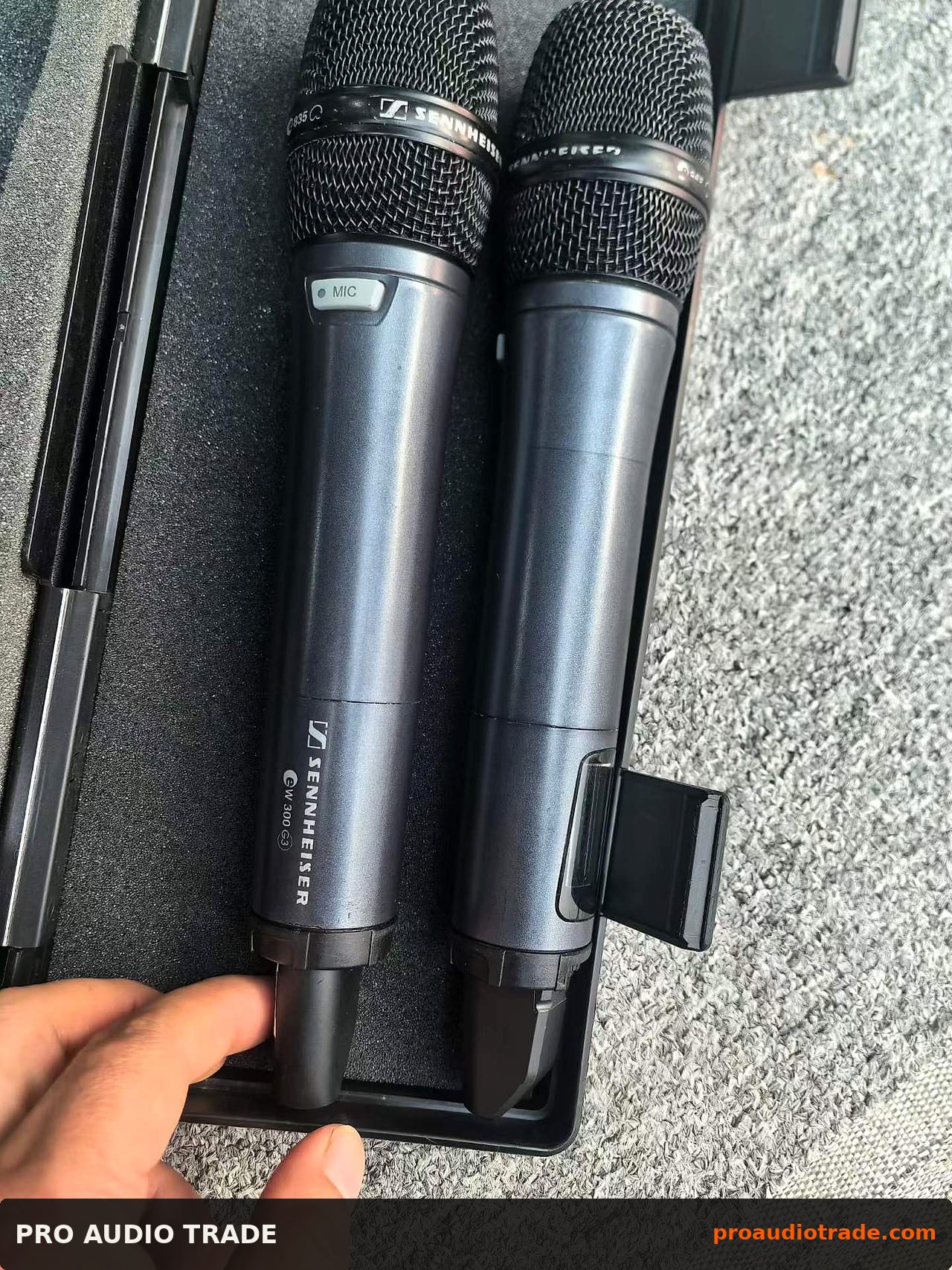
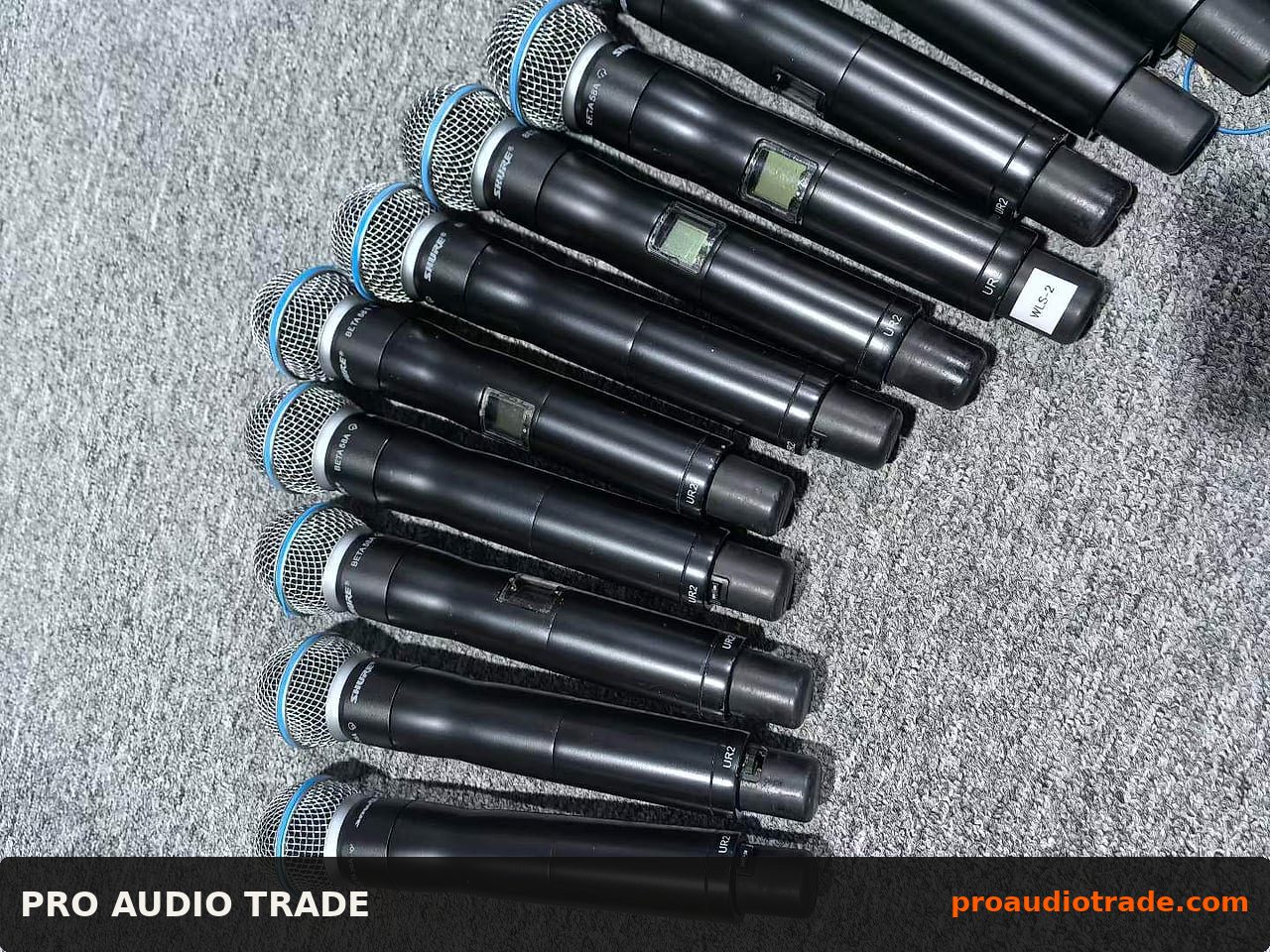
Start with the transmitters. Battery compartment corrosion is the most common failure point on used U-798D bodypacks and handhelds — ask for close-up photos of the battery contacts. Check the antenna threads on handhelds; stripped threads mean the antenna will not stay secure. On the receiver, verify that both channels power up, that the LCD backlight works, and that the XLR and 1/4-inch outputs are clean at the solder joints.
Ask the seller for a test report: RF walk test distance, audio test with a known microphone capsule, and confirmation that both transmitters pair reliably. Request the exact frequency band and a photo of the rear label. For wholesale orders, ask whether the units are tested individually or as a lot, and whether accessories (power adapter, antennas, rack ears, batteries) are included. Missing power adapters are a common hidden cost because the U-798D uses a specific voltage.
Price context and total cost of ownership
Used BBS U-798D pricing varies widely by region and condition. In wholesale B2B channels, tested units with accessories typically trade in a range that reflects the system's original budget positioning — expect to pay more for complete sets with two transmitters and a power supply, and less for receiver-only or untested lots. Grade matters: A-grade units with clean cosmetics and verified RF performance command a premium, while B-grade units with scuffs but full functionality are the value play for rental fleets.
Total cost of ownership includes batteries, antennas, and occasional capsule replacement. Because the U-798D is a budget-oriented system, spare parts are affordable, but availability varies. Buying tested used stock from a wholesale marketplace reduces the risk of dead-on-arrival units and gives you a predictable per-channel cost. For integrators, the math often favors used units when the project budget is tight and the RF environment is manageable.
How a B2B order works: grade, freight, MOQ
On a wholesale marketplace, used audio gear is typically graded (A, B, C) based on cosmetic and functional condition. Ask for the grading standard in writing and request photos of the actual units, not stock images. Minimum order quantities vary by seller — some accept single units, others require lots of 5 or 10. For the U-798D, mixed lots with transmitters and receivers are common.
Freight is a major factor for CIS, Middle East, South America, and Africa. Confirm whether the seller ships internationally, who handles customs documentation, and whether the power adapters match your local voltage. For larger orders, consolidated shipping reduces per-unit cost. Always clarify the warranty or return policy for tested used gear — even a short DOA window is valuable when you are buying multiple units for a rental fleet.
A used BBS U-798D can be a smart buy if you verify the frequency band, test the transmitters, and buy from a seller who provides real test data. Focus on complete, tested sets with accessories, confirm freight and voltage compatibility, and treat grading as a negotiation tool rather than a guarantee. For rental firms and integrators in price-sensitive markets, tested used stock offers a reliable path to adding channels without stretching the budget.