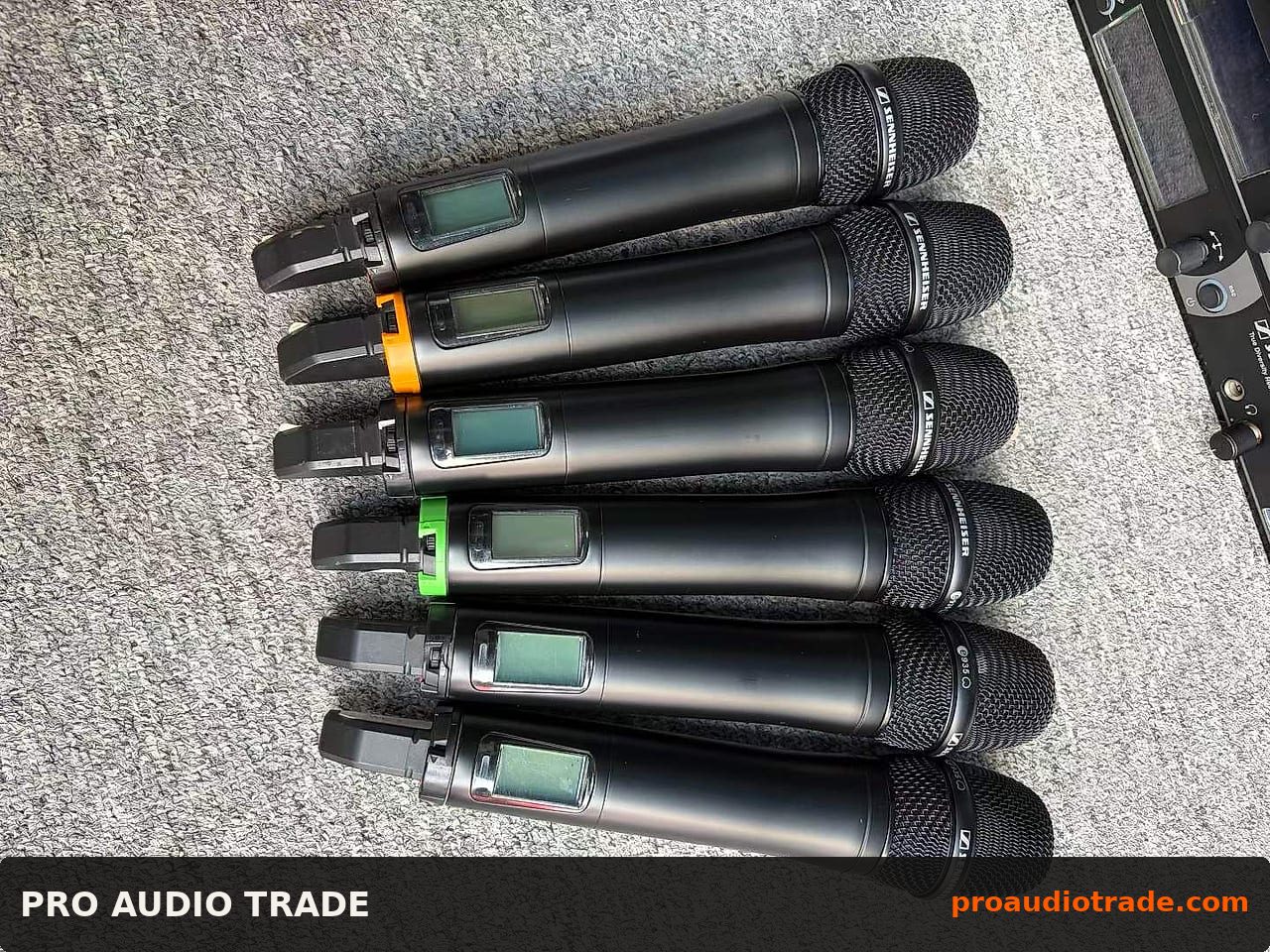
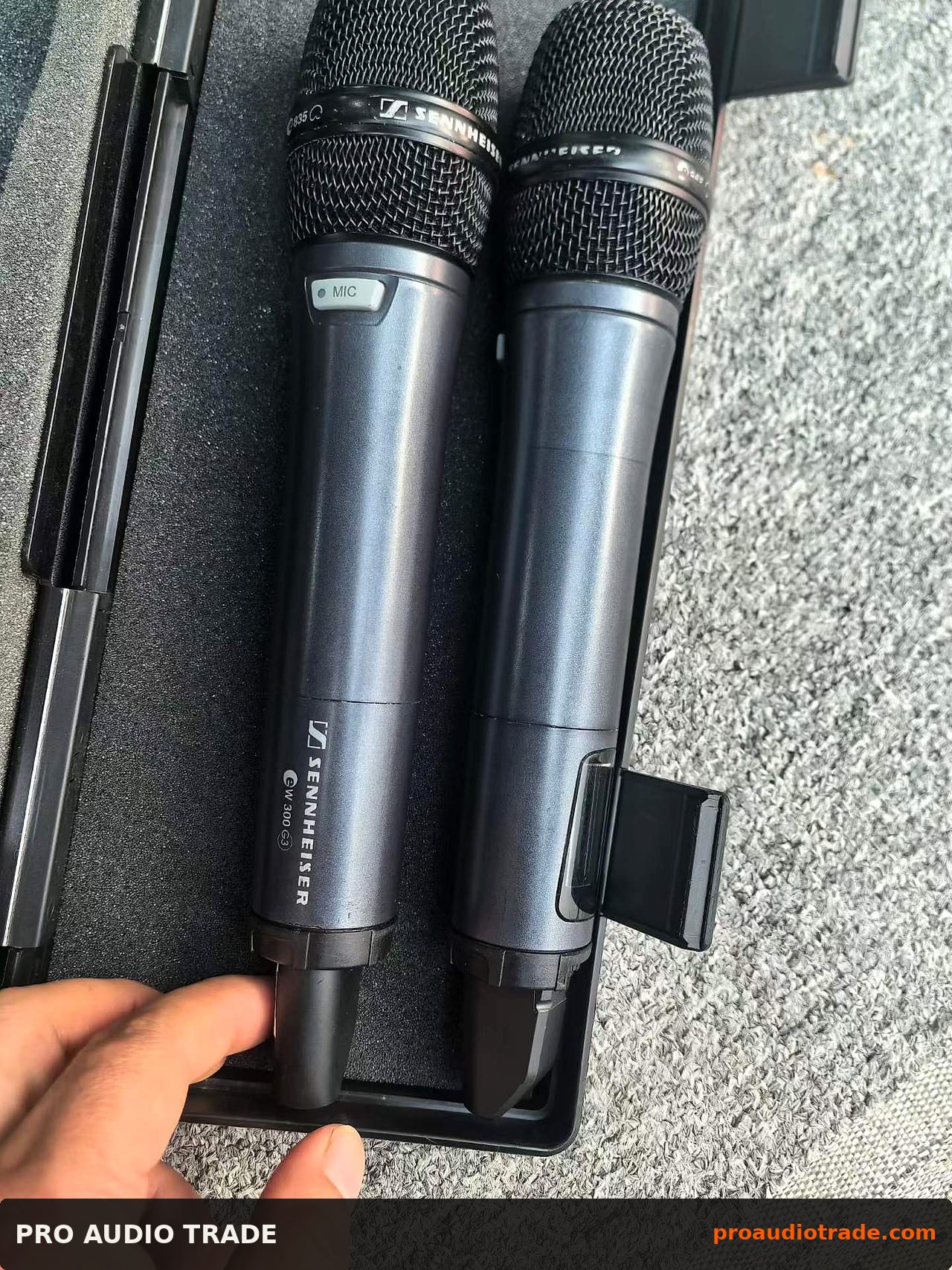
When you're shopping for a used Shure UR2 / Beta 58A for sale, the grade on the listing should tell you more about the price than the year or the photos. Grade A means near-mint and fully tested, Grade B means fully functional with visible wear, and Grade C means functional but needing service. That single letter should drive your offer, your risk, and your backup plan.
Start with what the grade actually covers. Every unit we list passes a 52-point bench test that includes a powered test, channel test, and a cosmetic-versus-functional grading pass. Grade A units like the Shure UR2 / Beta 58A we stock (year 2026, stock 1, MOQ 1) show only minor cosmetic wear — light scuffs on the black finish and some residue on the LCD window — but the transmitter and Beta 58A capsule are verified on power and RF. Grade B is where you'll find workhorses like the Shure SM58 (year 2020, $55 USD, stock 240, MOQ 20): fully functional, cosmetically worn, each capsule and switch tested. Grade C is functional but flagged for service, and we price it accordingly — usually 20–30% below Grade B for the same model, because you're buying a repair ticket as much as a microphone.
Ask the question every buyer on r/livesound asks: "How do I check a used wireless transmitter before buying?" The answer is a powered test, not a visual one. A transmitter can look clean and still fail on RF output or battery contact corrosion. Our 52-point bench test covers power-on, channel scan, and capsule continuity; for the UR2 / Beta 58A that means confirming the Beta 58A capsule threads cleanly, the LCD segments all light, and the body passes a drop-and-scuff inspection. If a seller can't show you a powered test result, treat the unit as Grade C regardless of how it looks.
Cosmetic versus functional issues are where grading earns its keep. Scuffs, faded logos, and LCD residue are cosmetic — they don't change the price much on a rental-grade unit. Functional issues are different: a weak RF section, a scratchy mute switch, or a capsule with reduced output. On the Sennheiser ew 100 G4 (Grade A, year 2021, $380 USD, stock 60, MOQ 10), the e 835 capsule and EM 100 receiver are batched tested, and the frequency range is documented for regional licensing. That documentation is part of the grade — a unit with unverified frequency bands is a functional risk, not a cosmetic one, and should be priced lower even if it looks mint.
Here's the side-by-side that matters when you're comparing used versus new and Grade A versus Grade B versus Grade C. A new Shure UR2 / Beta 58A system typically runs several hundred dollars per channel; our Grade A unit is price on request with stock 1 and MOQ 1, so you're paying for a verified single unit, not a bulk lot. Grade B Shure SM58 at $55 USD (stock 240, MOQ 20) is roughly half the street price of new, and the trade-off is cosmetic wear, not function. Grade C, when it appears, should land 20–30% below Grade B — if a seller prices Grade C close to Grade B, walk away. The math is simple: Grade A buys you near-mint and full test documentation; Grade B buys you function with visible wear; Grade C buys you a project.
Regional fit is part of the grade too, especially for buyers in CIS, the Middle East, South America, and Africa. Mains voltage matters — 110V versus 220V — and so do connectors and CE/UL marking. A Grade A unit that's 220V and CE-marked is worth more to a European or CIS buyer than an identical-looking 110V unit, because the latter needs a step-up transformer or a different PSU. Customs and duty also change the landed cost: depending on the country, import duty on used audio gear typically runs 5–20%, and that should factor into your offer before you commit. The Sennheiser e 935 (Grade A, year 2022, $95 USD, stock 80, MOQ 10) is a good example — fresh trade-in stock in original packaging, tested and sanitized, and the grade reflects that it's ready to deploy, not just ready to ship.
Finally, warranty and returns are part of the grading story. Every used unit we sell carries a 90-day warranty, and returns are accepted on tested failures. That's the backstop that makes Grade B safe to buy in bulk: if a unit fails the powered test after delivery, you're covered. With 12,400+ units sold across 60+ countries, the grading scale has been stress-tested by rental firms and integrators who buy in lots, not singles. Use the grade to set your price, use the 52-point bench test to verify it, and use the 90-day warranty to cover the gap between what the listing says and what shows up at your dock.
The practical takeaway: when you see a used Shure UR2 / Beta 58A for sale, read the grade before the price. Grade A with a powered test and 90-day warranty is worth a premium; Grade B is the value play for rental fleets; Grade C is only worth it if you have a service bench and a spare-parts plan. Ask for the bench test, confirm voltage and CE/UL, and price the duty into your landed cost.