The real cost of a used wireless rig is purchase price plus repair, transport, insurance, and resale — not the sticker. A $380 Sennheiser ew 100 G4 set can cost less over three years than a $55 Shure SM58 lot once service and shipping are counted. Do the math before you buy.
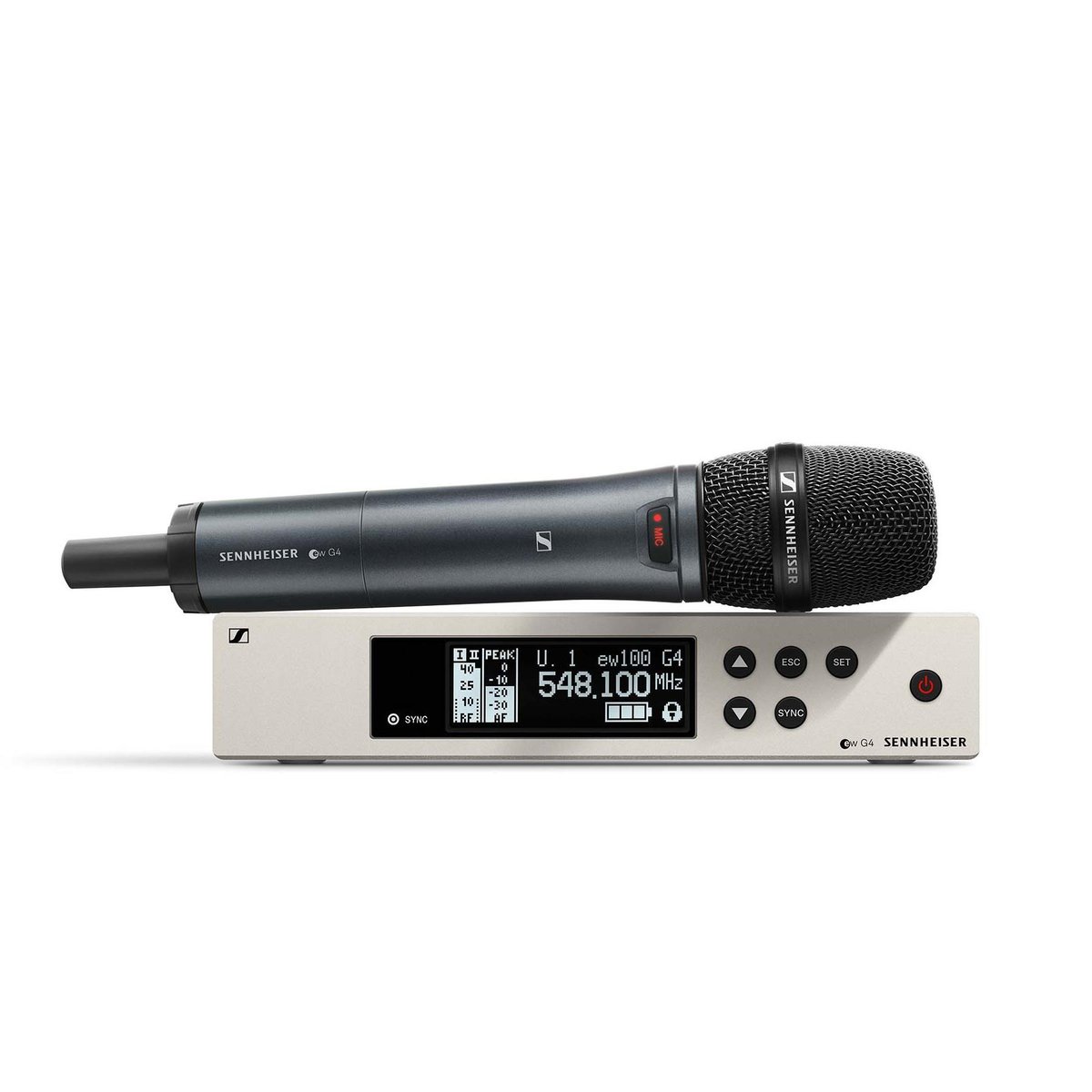
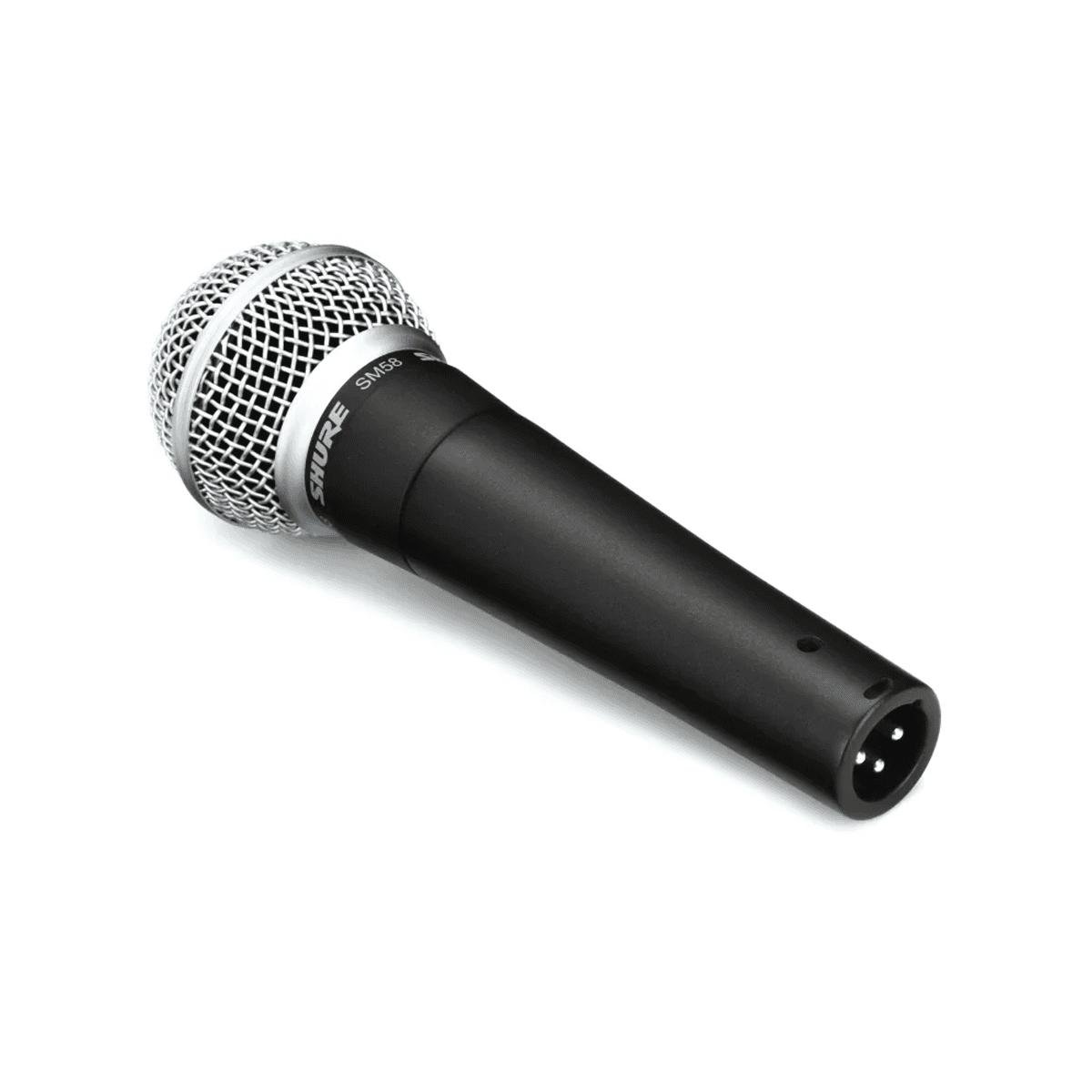
Start with the purchase price and grade. A Grade A Sennheiser ew 100 G4 from 2021 lists at $380 with 60 units in stock and a 10-unit MOQ; a Grade B Shure SM58 from 2020 runs $55 with 240 units and a 20-unit MOQ. Grade C units are functional but need service, so their true cost is the price plus a bench fee. Every unit here passes a 52-point bench test, which is why Grade A and B lots rarely surprise you on arrival. Ask for the test sheet and the cosmetic-vs-functional grade before you compare quotes.
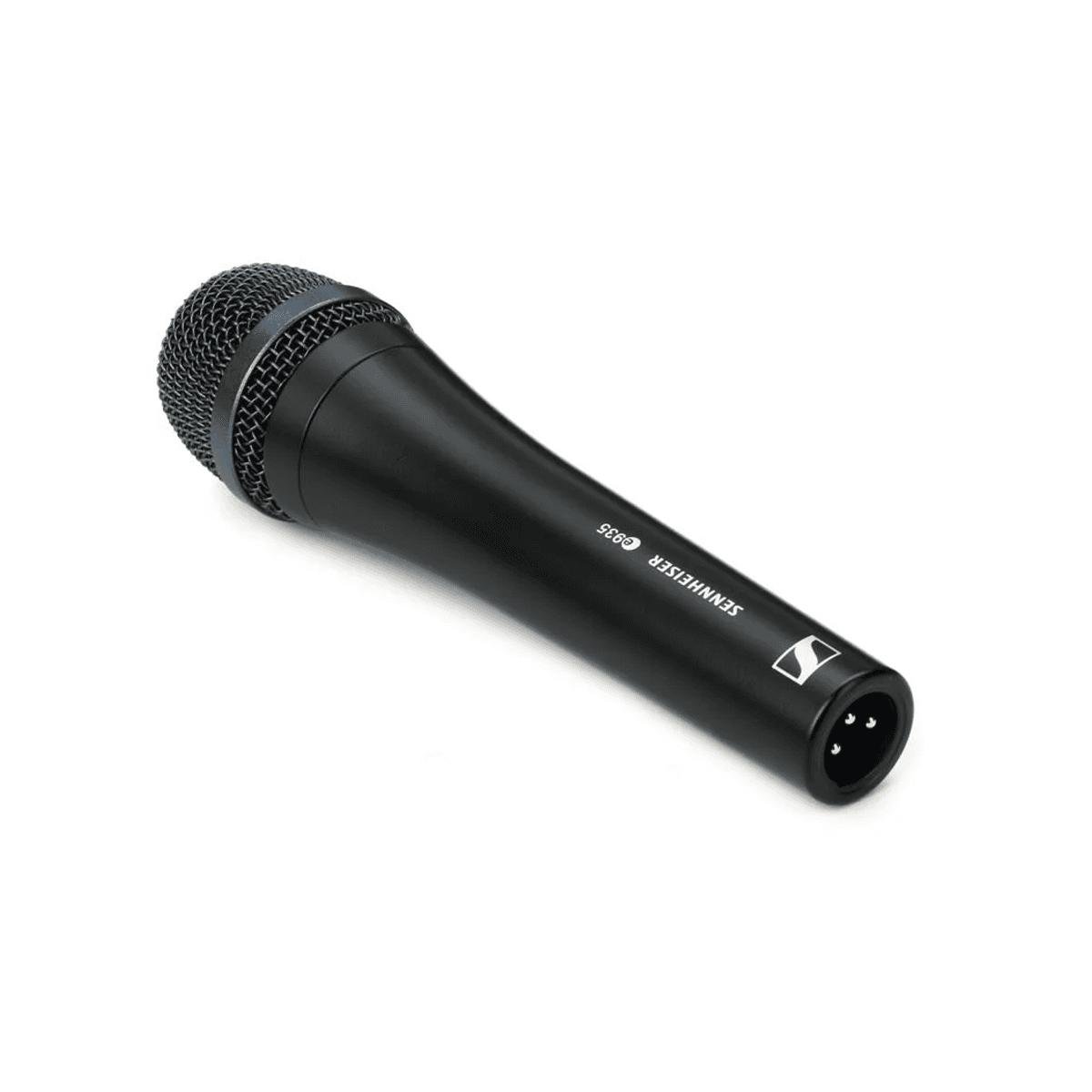
Repair and recone math is where used gear diverges. Dynamic capsules like the Shure SM58 (50 Hz–15 kHz, cardioid) are cheap to service — a replacement capsule and switch typically cost a fraction of a new unit, and the e 935 (40 Hz–18 kHz) is similarly straightforward. Wireless systems are different: a Sennheiser ew 100 G4 bodypack or receiver board can cost more to repair than a Grade B dynamic mic is worth. Budget roughly 10–15% of purchase price per year for service on wireless, and keep spare boards for any UHF set you deploy. Ex-rental units often carry service history, which lowers that risk.
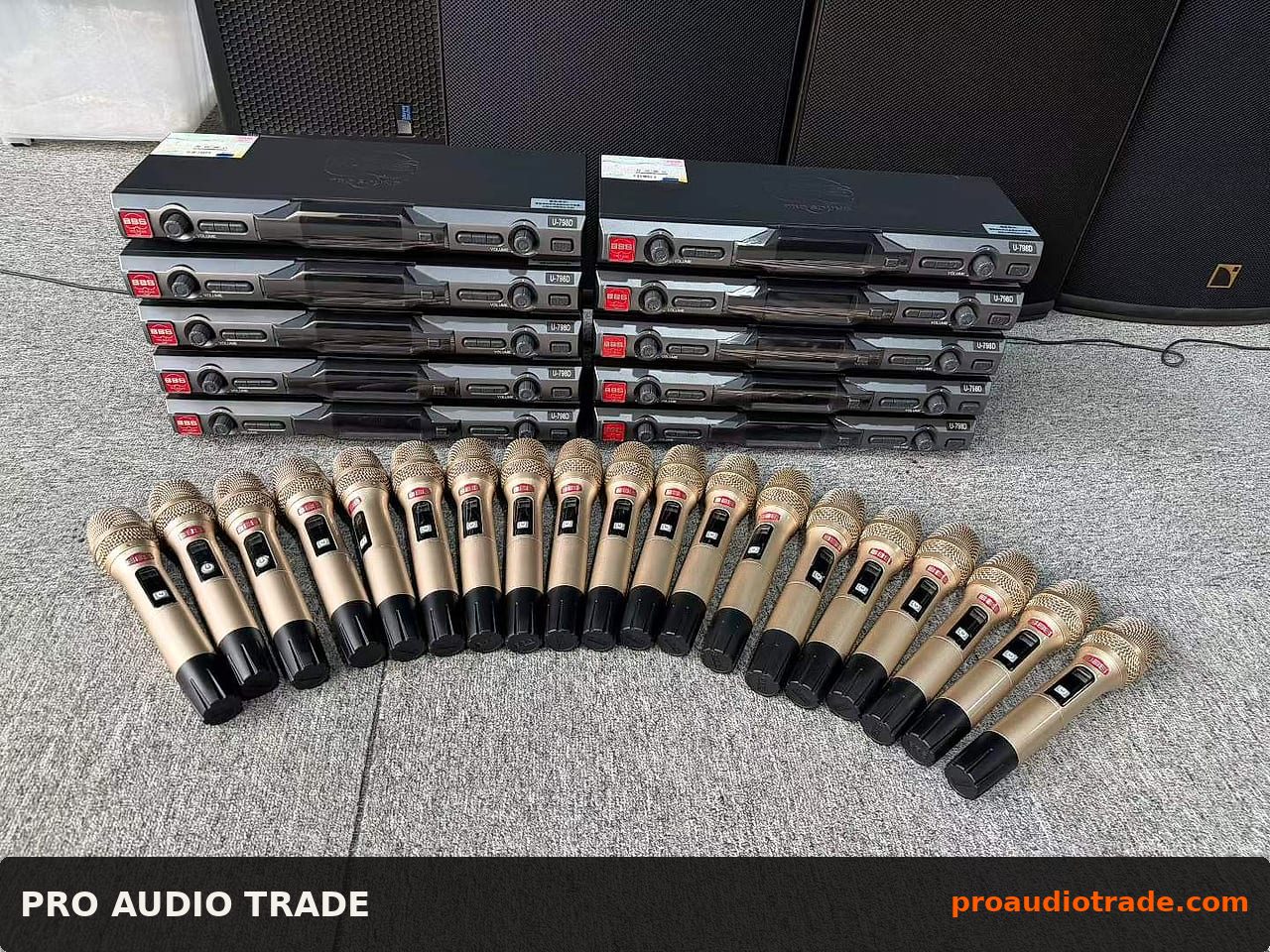
Transport and insurance are the silent line items. A 240-unit SM58 lot ships heavy and bulky; freight and insurance on a pallet can add 8–12% to landed cost depending on the lane. For CIS, Middle East, South America, and Africa, customs and duty typically run 5–20% and vary by HS code and country. Mains voltage matters too: confirm 110/220V and CE/UL marking before you commit, because a 110V receiver in a 220V market needs a transformer or a return. Regional fit is a cost, not a detail.
Resale value closes the loop. Grade A wireless holds value better than Grade B dynamics: a 2021 ew 100 G4 bought at $380 can resell at roughly 60–70% after two years if tested and boxed, while a $55 SM58 lot resells closer to 50% because the market is flooded. That spread changes the total cost of ownership. If you plan to flip in 24 months, Grade A wireless wins; if you need cheap, reliable vocal mics for rental stock, Grade B SM58 lots win on volume. Run both scenarios before you order.
Here is the side-by-side that matters. A new Sennheiser ew 100 G4 set typically lists around $700–$800; the used Grade A unit at $380 saves roughly $320–$420 up front, but add 10% annual service ($38/year) and 10% freight/insurance ($38) and the three-year cost lands near $494 versus $700+ new — still a clear win if resale holds at 60%. A Grade B Shure SM58 at $55 versus $99 new saves $44 per unit, but with 20-unit MOQ the lot is $1,100 used versus $1,980 new; service on dynamics is low, so the used lot wins on volume. Grade C units only make sense if you have in-house bench capacity and a service history.
Buyers ask the same questions in r/livesound and AV procurement threads: “Is a used wireless rig still worth it in 2026?” and “How do I check a used system before buying?” The answer is to demand the 52-point bench test, confirm the grade, and check frequency range for regional licensing. A 90-day warranty on tested failures and returns accepted on tested failures de-risk the purchase. With 12,400+ units sold across 60+ countries, the workflow is proven — but the math is yours to run.
The practical takeaway: price the whole lifecycle, not the unit. Grade A wireless with service history and a 90-day warranty usually beats cheap Grade C stock once repair, freight, duty, and resale are counted. Get the test sheet, confirm voltage and CE/UL, and model the three-year cost before you place the PO.