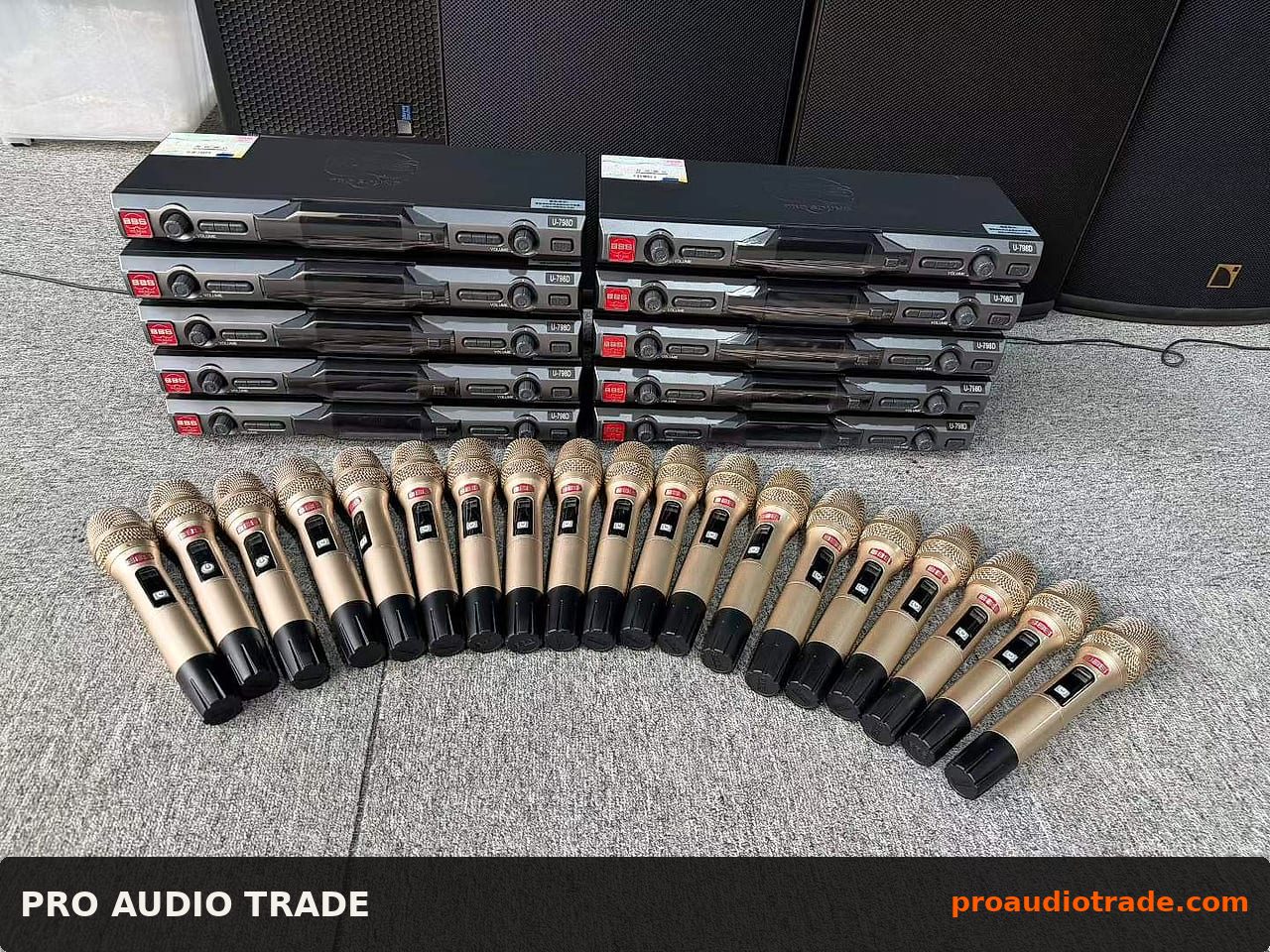
A used microphones bulk supplier is your best lever for fleet economics when you buy at the right point in a model's life, rotate out gear before service costs spike, and protect resale value through documented testing and grading. The practical rule: refresh every 3–5 years, buy Grade A for frontline rental stock, and keep Grade B for backup or install jobs.
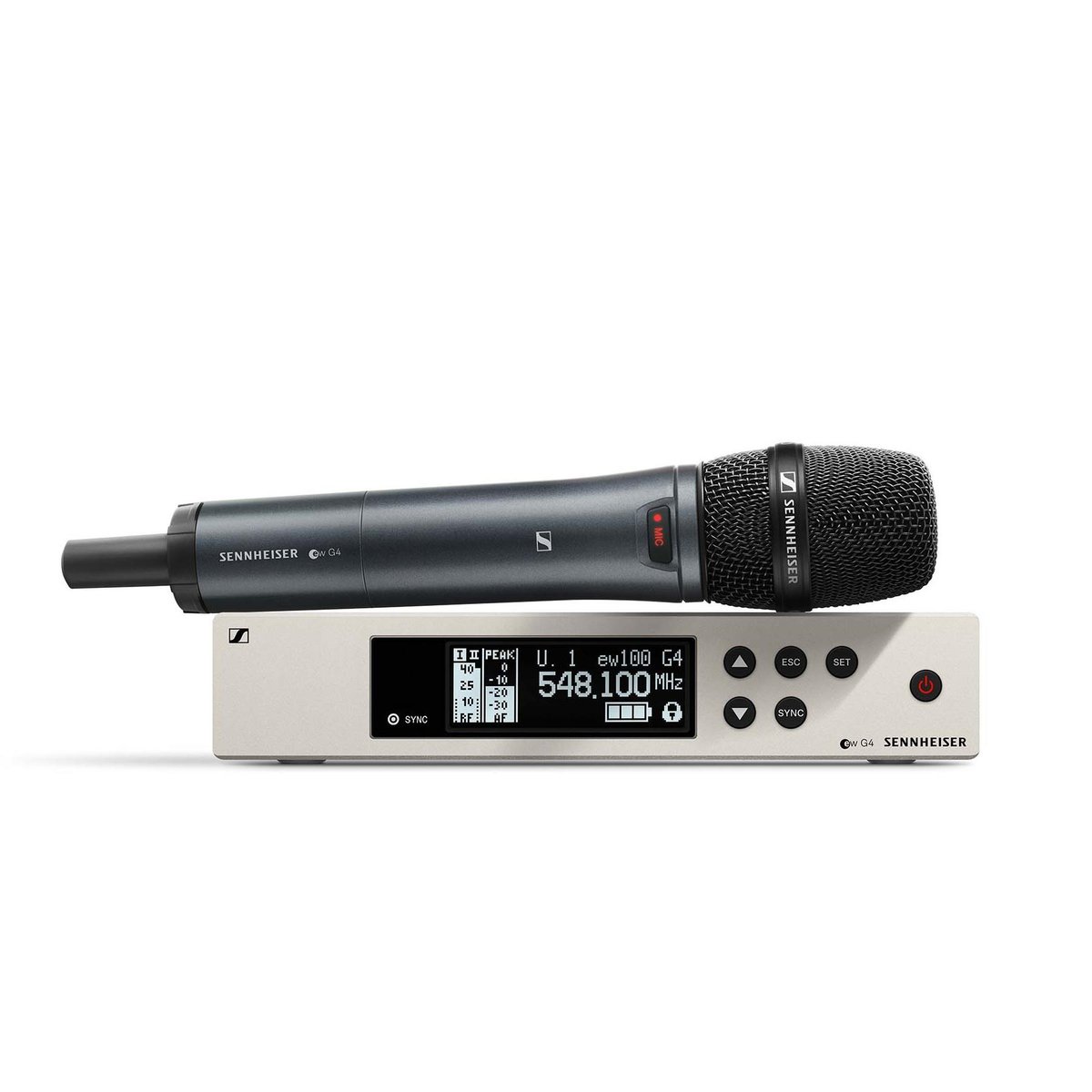
Start by timing the buy. Rental fleets typically peak in value retention during years two through four of a model's production run, when spare parts are still available and rider demand is strong. After that, service intervals shorten and clients start asking for the newer revision. If you run Sennheiser ew 100 G4 sets, for example, a 2021 unit at $380 with 60 in stock and a 10-piece MOQ is a sensible frontline buy because the e 835 capsule and EM 100 receiver remain widely rider-accepted, and frequency ranges are documented for regional licensing. Waiting until year six means paying similar money for gear that is closer to end-of-service life.
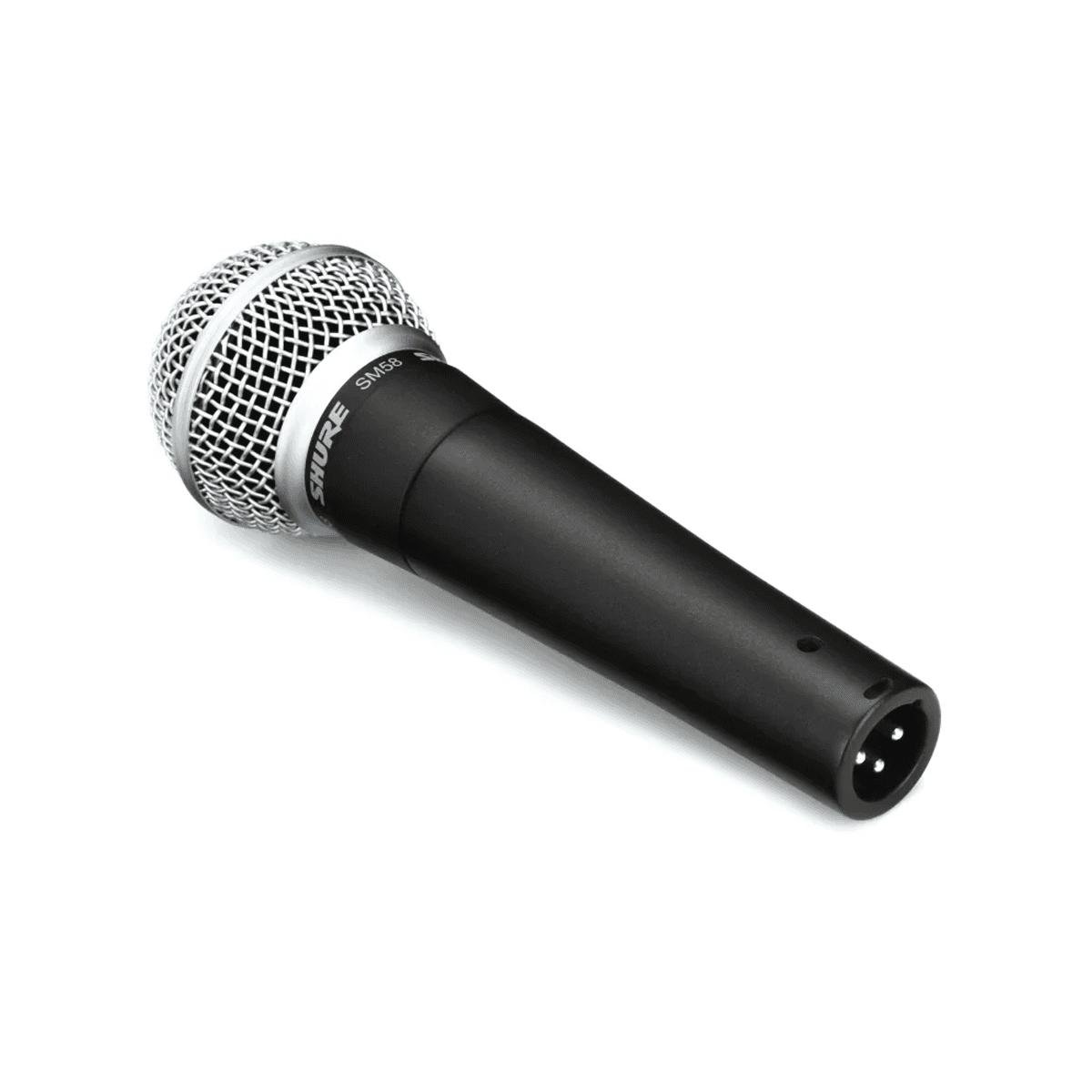
Decide what to rotate out using a simple cost-per-show calculation. A dynamic vocal mic that costs $55 in Grade B condition, like the Shure SM58 from a 2020 AV rental lot, can stay in service far longer than a wireless set because there is almost nothing to fail beyond the capsule and switch. Wireless systems, by contrast, carry RF boards, transmitters and licensing risk, so they should be first out the door when they hit the four-to-five-year mark. Keep a written rotation calendar: wireless out at year four, dynamics at year seven or when cosmetic wear starts affecting client perception.
Preserve resale value by buying gear that already has a service history and by keeping that history intact. Ex-rental units from venue refreshes often come with documented service records, which is exactly what a future buyer wants to see. Every unit from a used microphones bulk supplier that passes a 52-point bench test — powered test, channel test, cosmetic versus functional grading — arrives with a defensible condition story. Store the test sheet with the serial number; when you resell, that sheet is worth more than a fresh coat of paint. Grade A means near-mint and fully tested, Grade B is fully functional with visible wear, and Grade C is functional but needs service — price your resale against those tiers, not against new street price.
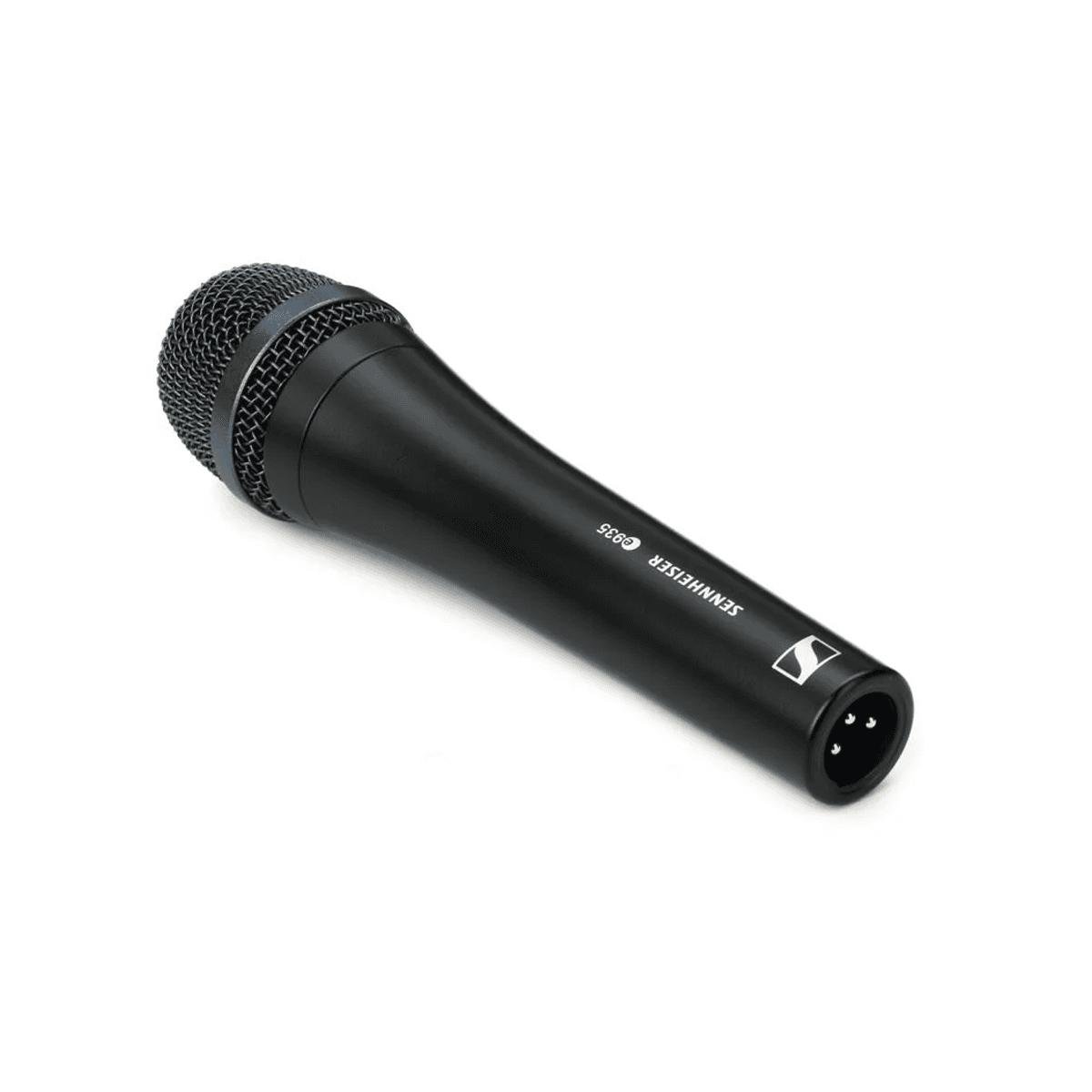
Here is the side-by-side that matters when you plan a refresh budget. New Sennheiser ew 100 G4 wireless sets typically run well over $700 per channel, while a Grade A 2021 unit at $380 cuts your per-channel capital outlay by roughly 45%; a Grade B Shure SM58 at $55 versus a new unit at roughly $100 saves about 45% per mic, and a Grade A Sennheiser e 935 at $95 against a new price near $170 saves around 44%. The trade-off is condition risk: Grade C units at lower prices can erase the saving after one service visit, so reserve Grade C for parts or installs where downtime is acceptable. For a 20-mic frontline refresh, the difference between Grade A and Grade C pricing is often several hundred dollars per lot — enough to fund a spare transmitter.
Answer the buyer questions that come up in every procurement thread. "Is a used wireless mic system still worth it in 2026?" Yes, if the frequency band is legal in your market and the receiver has been bench-tested; check regional licensing before you commit, because a set that is clean in one country may be unusable in another. "How do I check a used dynamic mic before buying bulk?" Ask for capsule and switch test results, confirm the grille and body condition, and insist on a 90-day warranty with returns accepted on tested failures. "What about voltage and customs?" Confirm mains voltage (110/220V), connector type, CE/UL marking, and duty for CIS, Middle East, South America and Africa before the pallet ships — a 220V-only unit is a paperweight in a 110V market.
Close with a workflow, not a wish list. Build a three-tier fleet: Grade A for rider-facing rentals, Grade B for backups and installs, Grade C for parts or non-critical jobs. Refresh wireless at year four, dynamics at year seven, and sell the outgoing lot with its 52-point test sheet attached. That discipline is what turns a used microphones bulk supplier relationship into a repeatable resale margin instead of a warehouse of dead stock.