When you buy a used beyerdynamic Opus 29 S for sale, the real question isn't the mic itself — it's what happens after it arrives. Our 90-day warranty covers tested failures, but not wear-and-tear or misuse, so know exactly what you're getting before you order.
Start with what the warranty actually covers. Every unit we list passes a 52-point bench test, and the 90-day warranty applies to functional failures that show up under normal use — a dead capsule, a faulty switch, a cracked solder joint. It does not cover cosmetic wear, damage from drops, or water ingress. For a dynamic mic like the beyerdynamic Opus 29 S, the capsule and XLR connector are the usual failure points, so ask the seller for the test report. If the listing says Grade A, that means near-mint and fully tested; Grade B is fully functional with visible wear; Grade C is functional but needs service. A Grade A Opus 29 S with original packaging and documentation is the safest bet — you get the warranty card and the soft pouch, which matters if you ever resell.
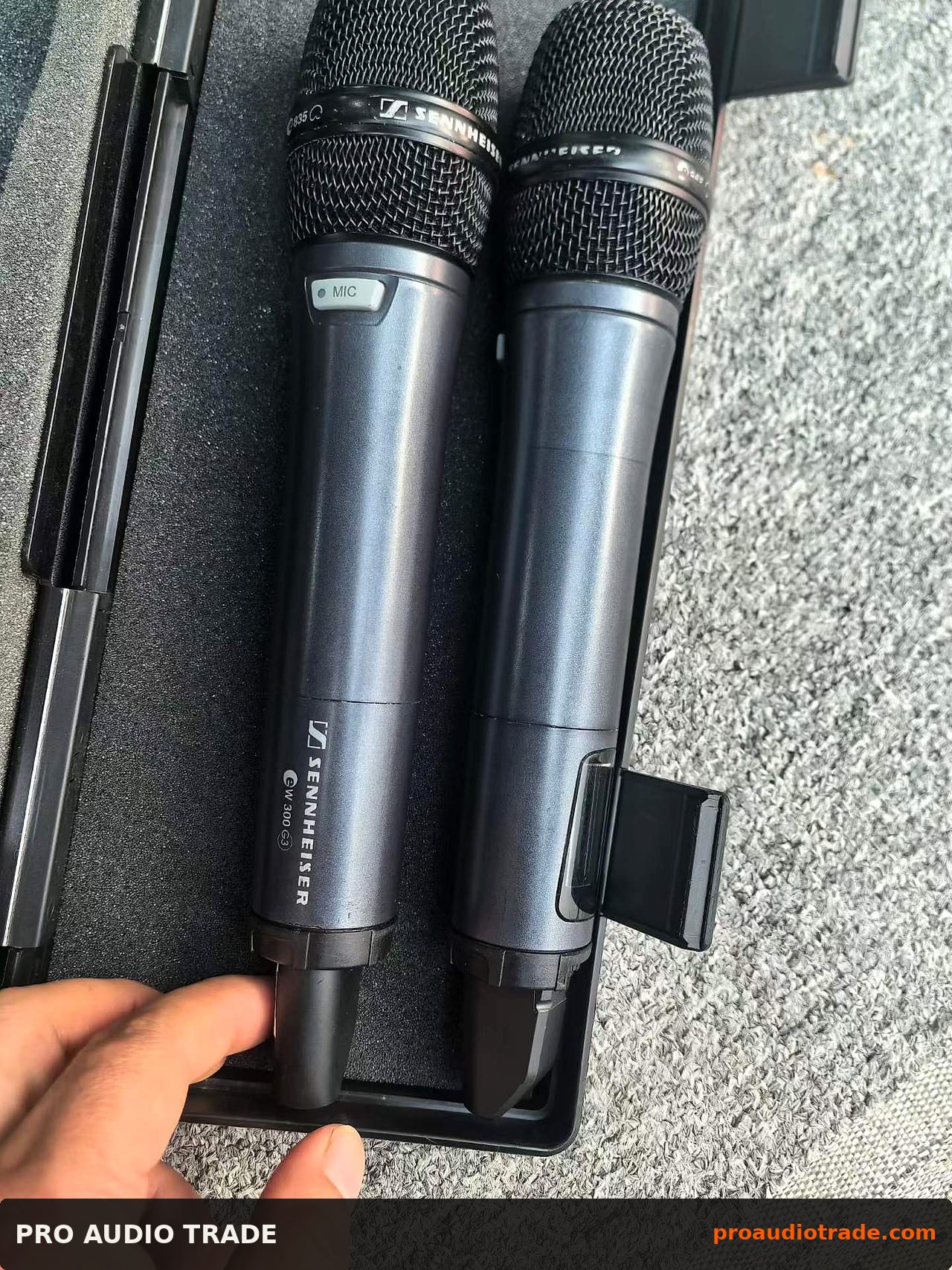
Spare-part availability is the next reality check. Beyerdynamic still supports the Opus series, but parts for older dynamic mics are not always in stock at regional distributors. The Opus 29 S uses a standard dynamic capsule and a common XLR pinout, so a local tech can usually replace the connector or re-solder the board. But if the capsule itself fails, you may wait weeks for a replacement — and that's where the 90-day window is critical. Test the mic immediately on arrival: speak into it at normal stage level, check for distortion, and wiggle the cable at the connector. If it fails, our returns policy covers tested failures, so file the claim within the window. For comparison, a new Sennheiser e 935 at $95 USD comes with a full manufacturer warranty, but a used Grade A unit at the same price gives you a tested mic with a 90-day guarantee — and the e 935's 40 Hz–18 kHz response is a useful benchmark when you're checking the Opus 29 S for frequency dropouts.
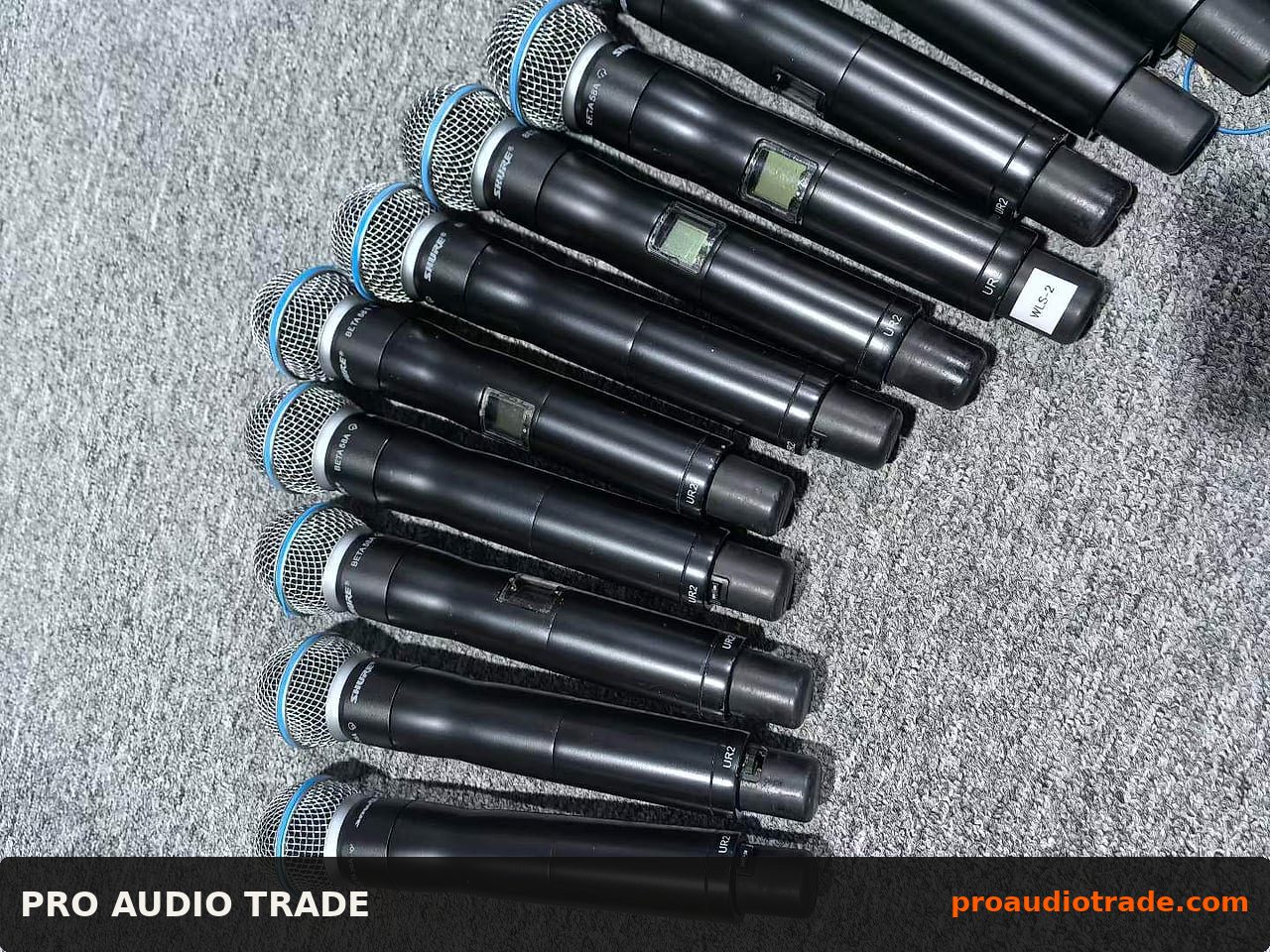
What should you write into the order? Be specific. Ask for the test report, the grade, and the year of manufacture. Confirm the mains voltage if the mic comes with any active accessories — 110V vs 220V matters for CIS and Middle East buyers. For customs, request a commercial invoice that states "used professional audio equipment" and the correct HS code; duty rates vary by country, and under-declaring will cost you more at the border. If you're buying multiple units, specify that each one must pass the 52-point test individually — bulk lots from rental liquidations often carry service history, but not every unit is equal. A used Shure SM58 at $55 USD in Grade B is a good example: 240 units in stock, each capsule and switch tested, but you should still ask for the batch test log.
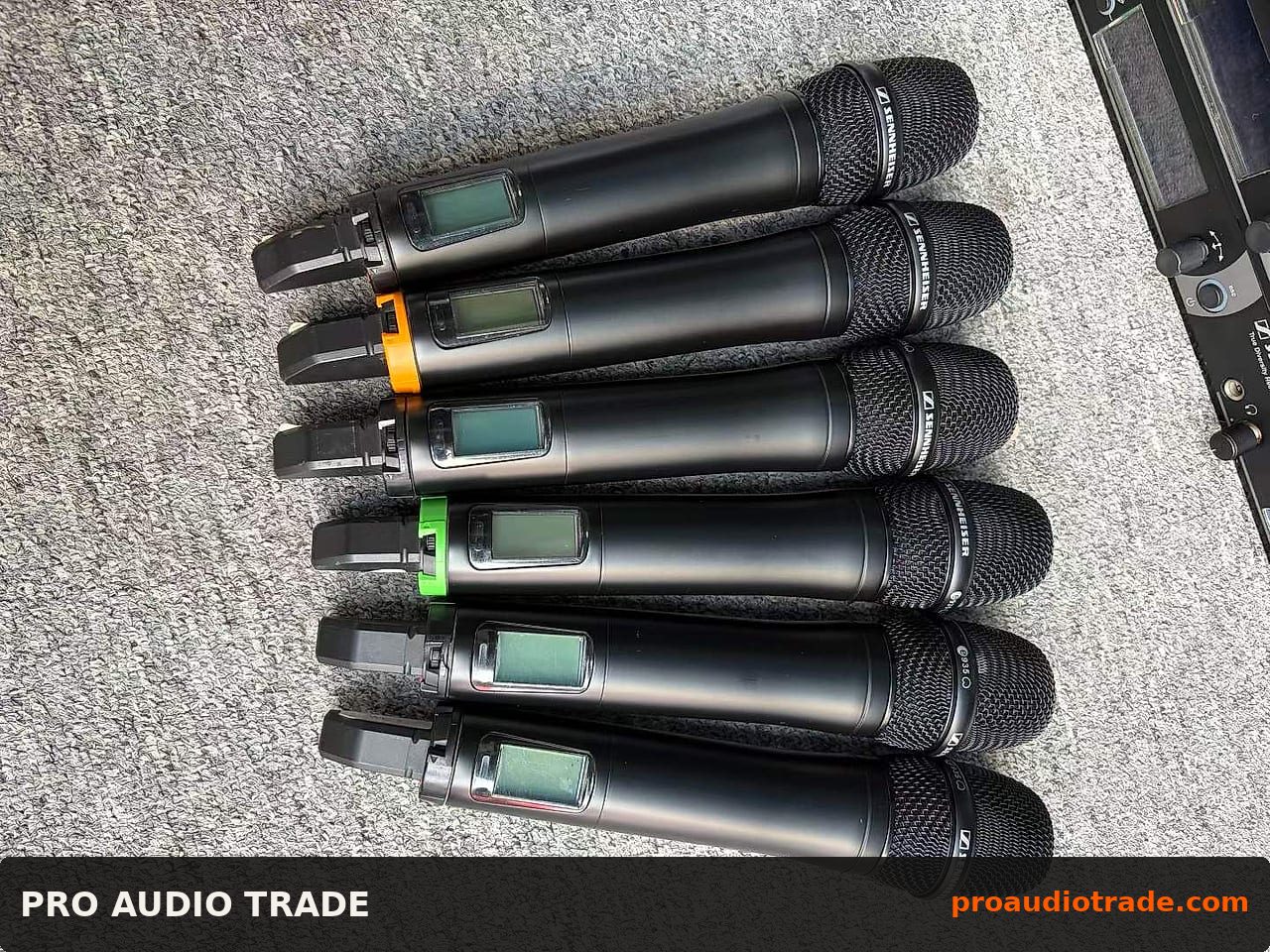
Here's the side-by-side that matters: a new beyerdynamic Opus 29 S typically runs several times the price of a used Grade A unit, while a Grade B unit saves you roughly 30–40% more but may show scuffs. Grade C is cheaper still but needs service — factor in a bench fee and parts. Compare that to a used Sennheiser ew 100 G4 wireless set at $380 USD: you get 60 units in stock, UHF range up to 100 m, and a documented frequency range for regional licensing, but the warranty still only covers tested failures. The math favors Grade A if you need reliability for rental fleets; Grade B works for installs where cosmetics don't matter.
Industry context: most of our inventory comes from rental liquidation and venue refreshes, so ex-rental units often carry service history — ask for it. Across 12,400+ units sold in 60+ countries, the pattern is clear: buyers who request test reports and confirm voltage upfront file fewer claims. For CIS, Middle East, South America, and Africa, also check CE/UL marks and connector types — a mic with a European XLR cable may need an adapter, and customs delays are common if the invoice is vague.
Closing takeaway: treat the used beyerdynamic Opus 29 S for sale as a tested unit with a 90-day safety net, not a gamble. Get the 52-point test report, confirm the grade and voltage, and write the warranty terms into the order — then test it the day it lands.