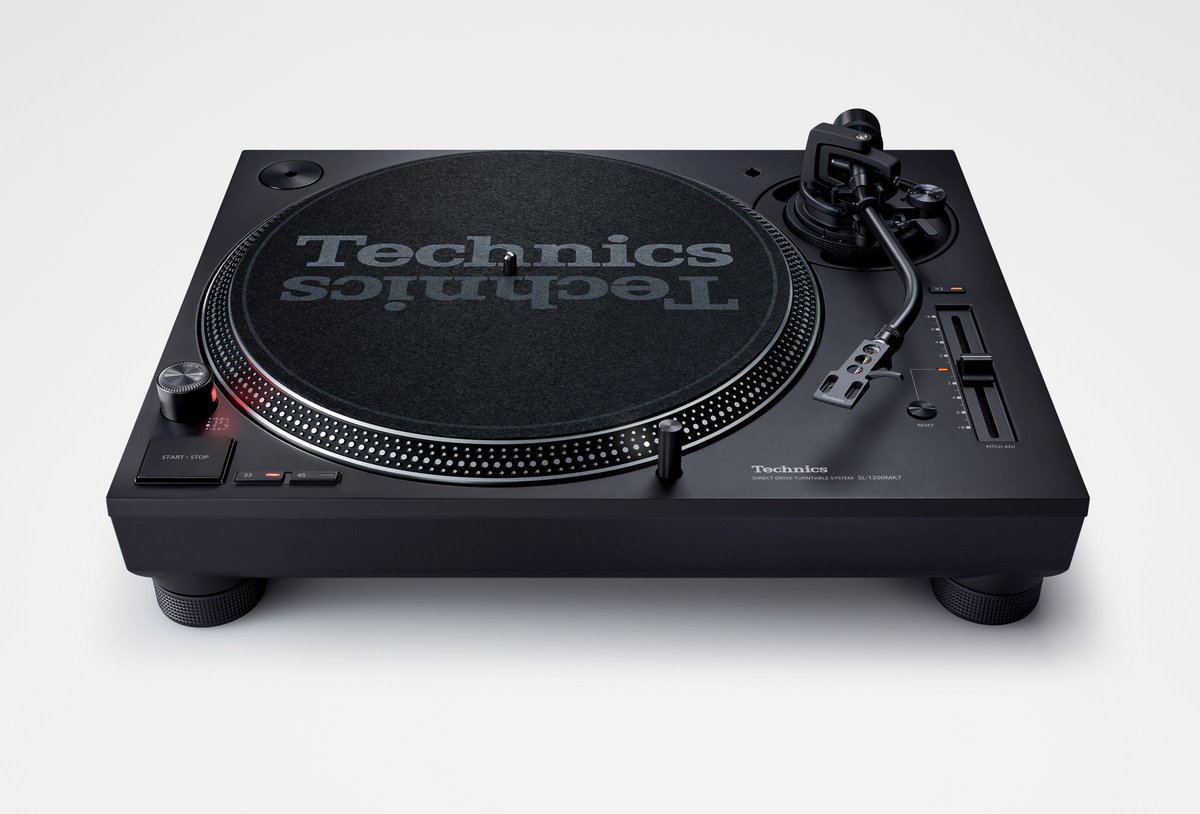
The Technics SL-1210MK7 is the current-generation direct-drive turntable that many rental firms, venues, and integrators consider the default workhorse for DJ booths and playback systems. Buying it used in the B2B wholesale channel can cut capital outlay by 20–35% versus new, but only if you know what to inspect, what to ask, and how the unit behaves in real deployments. This review covers where the MK7 fits in a professional inventory, the specs that matter for integration, a used-buying checklist, price and TCO context, and how a wholesale order actually works.
Where the SL-1210MK7 fits in a rental or venue inventory
The MK7 is the successor to the long-running SL-1200 series and is aimed squarely at professional DJ use. In a rental fleet, it slots in as the reliable club-standard deck: riders often specify Technics, and the MK7’s core layout—direct drive, S-shaped tonearm, pitch fader, start/stop—is familiar to any DJ who has worked a booth. For venues, it is a low-maintenance playback unit for background and event use where a fixed installation turntable is needed. For integrators, the MK7 is a predictable line item: it has a standard footprint, removable headshell, and RCA/phono output that fits most DJ mixers and installed audio racks. It is not a hi-fi audiophile deck and does not pretend to be; it is a tool built for repeated setup and teardown, which is exactly why tested used stock makes sense for budget-conscious buyers.
Key specs that matter for integration work
The MK7 uses a coreless direct-drive motor with a claimed starting torque of 0.18 N·m and reaches nominal speed within 0.7 seconds—relevant when DJs expect instant cueing. Speed ranges are 33⅓, 45, and 78 RPM, with pitch adjustment of ±8% and ±16% selectable. The tonearm is a static-balanced S-shaped aluminum pipe with a removable headshell (universal SME mount), which simplifies cartridge swaps and reduces downtime in rental use. Output is via gold-plated RCA connectors and a grounding terminal; there is no built-in phono preamp, so plan for a DJ mixer or phono stage. The platter is die-cast aluminum with a rubber mat, and the unit ships with a dust cover and slipmat. Power is 100–240 V external supply in most regions, but check the exact voltage label on used units sourced from different markets. Weight is around 9.6 kg, and the footprint matches the classic SL-1200, so existing cases and flight trunks often fit.
Used-buying checklist: what to inspect and what to ask
Start with the platter and spindle: remove the platter and check for wobble, scoring on the spindle, and bearing play. Spin the platter by hand—it should feel smooth with no grinding. Power on and check start/stop responsiveness and that the strobe or speed indicator locks quickly at 33 and 45. Test the pitch fader through its full range in both ±8% and ±16% modes; a scratchy or non-linear fader is a common wear item. Inspect the tonearm: bent arm tubes, damaged bearings (check for play at the pivot), and a worn or missing counterweight. The arm lift and cueing mechanism should move freely. Check the RCA jacks and ground terminal for corrosion or loose solder. Look at the chassis corners and feet for impact damage—rental units take knocks. Ask the seller for: a test report with speed accuracy and pitch fader sweep, photos of the platter and tonearm pivot, the serial number, and whether the unit is a trade-in from a rental fleet or a single-owner unit. Ask if the dust cover and headshell are included, and whether the cartridge is fitted (usually not included in wholesale lots). Confirm the voltage version and plug type for your region.
Price context and total cost of ownership
Used MK7 pricing in the B2B wholesale channel typically runs 20–35% below new depending on grade, completeness (dust cover, headshell, box), and region. A tested, graded unit with a warranty is worth the premium over as-is stock because the failure points—pitch fader, tonearm bearings, RCA solder joints—are exactly the parts that cost labor to fix. Factor in a replacement stylus or cartridge if none is included, a spare headshell, and freight. For rental fleets, the MK7’s TCO is driven by uptime: a deck that needs a fader replacement every season erodes margin. Buying tested used stock with a documented test report reduces the risk of dead-on-arrival units and lets you standardize on one model across the fleet. For integrators, the MK7’s standard footprint and RCA output mean low installation labor and easy swaps.
How a B2B order works: grade, freight, MOQ
Wholesale used audio gear is usually sold by grade: A (near-mint, fully tested), B (good working condition with cosmetic wear), and C (functional with visible wear or missing accessories). Ask for the grade definition in writing and a test report per unit. MOQ varies by seller—some lots start at 1–2 units, others at 5 or 10 for pallet pricing. Freight is typically arranged by the buyer or quoted ex-works; for CIS, Middle East, South America, and Africa, confirm Incoterms (FOB, CIF, DAP) and whether the seller handles export documentation. Ask about packing: original boxes are best, but double-boxed with foam is acceptable for air freight. Confirm warranty terms (typically 30–90 days on tested units) and the RMA process for DOA claims. Payment terms vary; LC or bank transfer are common for cross-border B2B.
A used Technics SL-1210MK7 is a sound B2B purchase when you buy tested, graded stock from a seller who provides a real test report and clear freight terms. The MK7’s standard footprint, removable headshell, and familiar DJ layout make it easy to integrate and easy to resell. Focus your inspection on the pitch fader, tonearm bearings, and RCA connections, and confirm voltage and accessory completeness before you commit. For rental firms and integrators in CIS, the Middle East, South America, and Africa, tested used MK7s offer a practical way to standardize a booth without new-unit pricing.