Skip to content
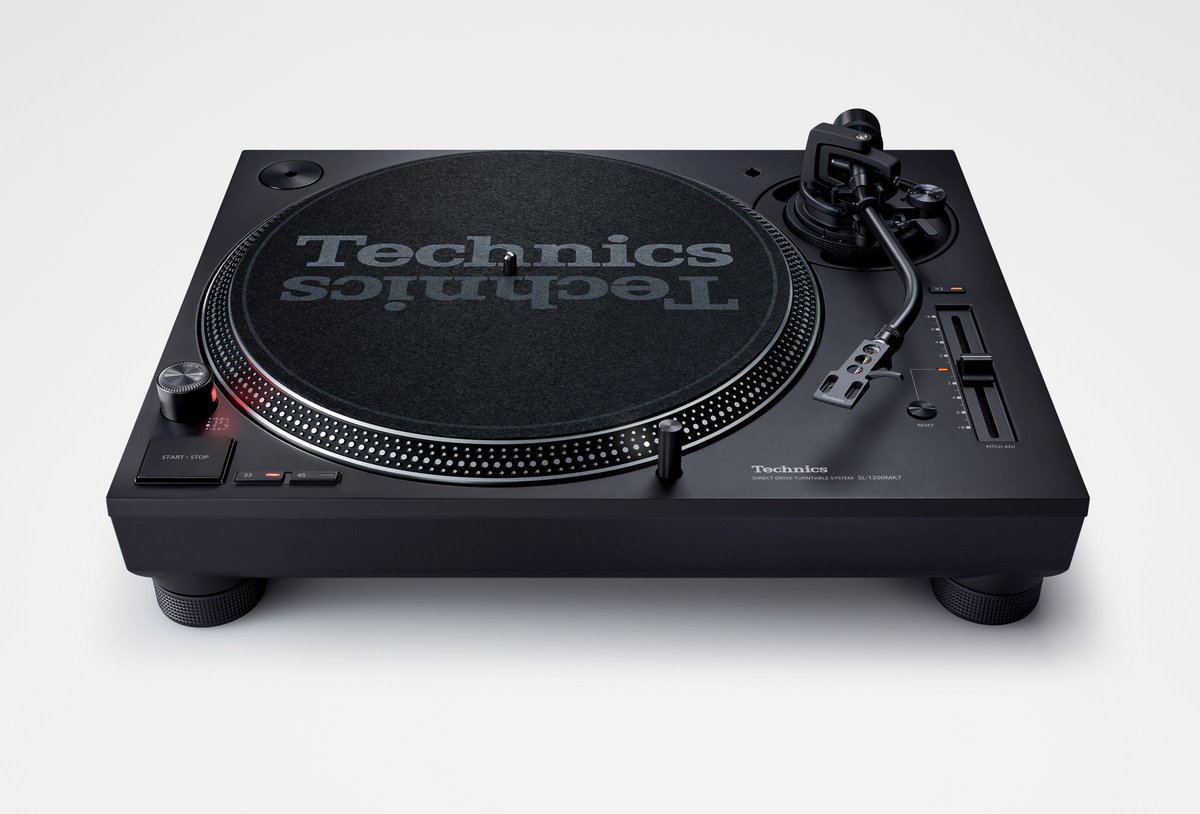
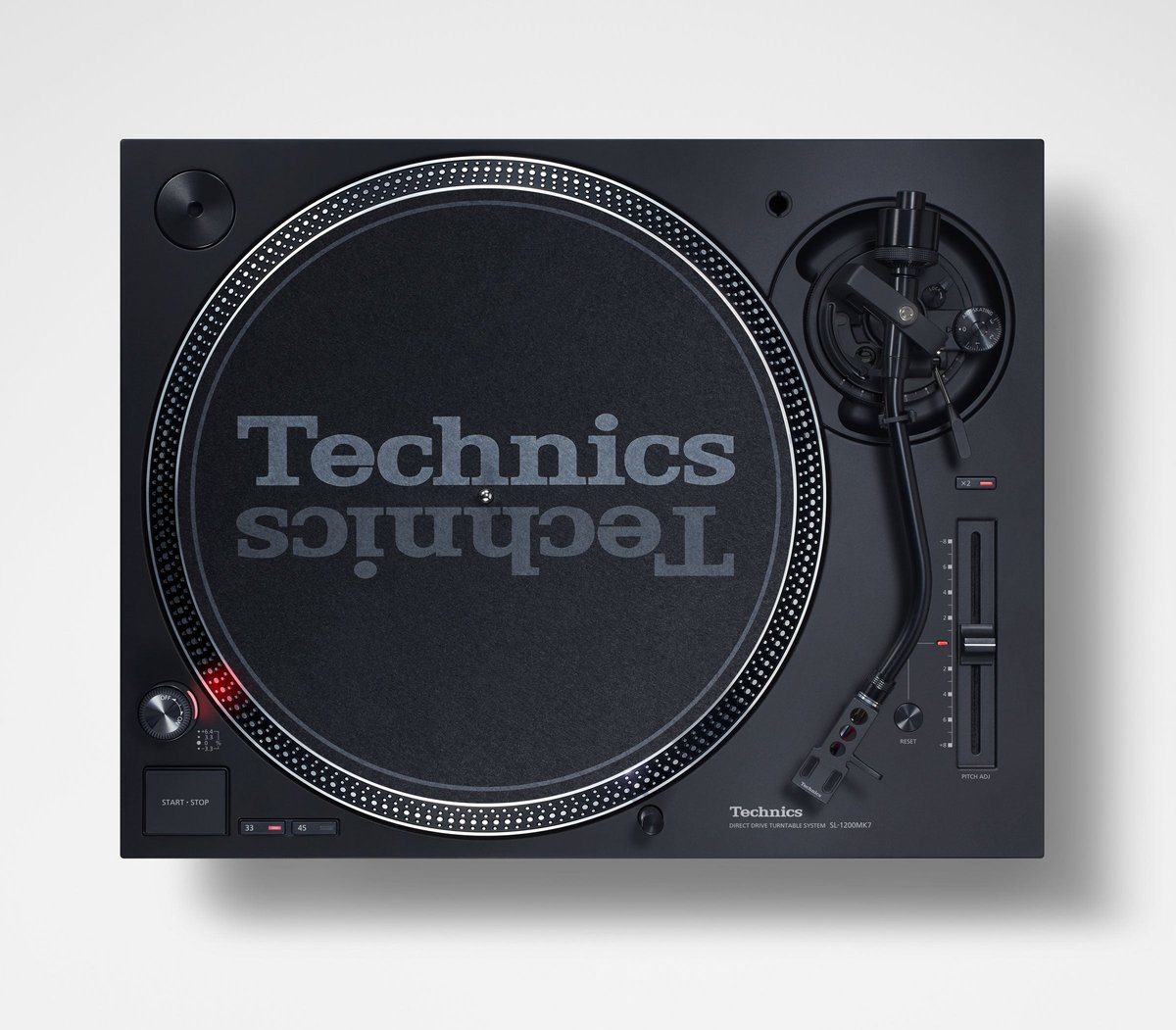
Technics SL-1210MK7 1 / 2
Technics SL-1210MK7 01Technics SL-1210MK7 02

Used DJ Equipment

Technics SL-1210MK7

Technics · SL-1210MK7

Price on request
Grade A In stock

Direct-drive turntable with high-torque motor and digital pitch. Near-mint condition from a radio station upgrade.

Type
Turntable
Connectors
RCA
Grille
—
Condition
A (used)
Included
Power cable
— Knowledge

Technical notes and buyer guidance

Used Technics SL-1210MK7 for Sale: A B2B Buyer’s Review

The Technics SL-1210MK7 is the current-generation direct-drive turntable that many rental firms, venues, and integrators consider the default workhorse for DJ booths and playback systems. Buying it used in the B2B wholesale channel can cut capital outlay by 20–35% versus new, but only if you know what to inspect, what to ask, and how the unit behaves in real deployments. This review covers where the MK7 fits in a professional inventory, the specs that matter for integration, a used-buying checklist, price and TCO context, and how a wholesale order actually works.

The MK7 is the successor to the long-running SL-1200 series and is aimed squarely at professional DJ use. In a rental fleet, it slots in as the reliable club-standard deck: riders often specify Technics, and the MK7’s core layout—direct drive, S-shaped tonearm, pitch fader, start/stop—is familiar to any DJ who has worked a booth. For venues, it is a low-maintenance playback unit for background and event use where a fixed installation turntable is needed. For integrators, the MK7 is a predictable line item: it has a standard footprint, removable headshell, and RCA/phono output that fits most DJ mixers and installed audio racks. It is not a hi-fi audiophile deck and does not pretend to be; it is a tool built for repeated setup and teardown, which is exactly why tested used stock makes sense for budget-conscious buyers.

The MK7 uses a coreless direct-drive motor with a claimed starting torque of 0.18 N·m and reaches nominal speed within 0.7 seconds—relevant when DJs expect instant cueing. Speed ranges are 33⅓, 45, and 78 RPM, with pitch adjustment of ±8% and ±16% selectable. The tonearm is a static-balanced S-shaped aluminum pipe with a removable headshell (universal SME mount), which simplifies cartridge swaps and reduces downtime in rental use. Output is via gold-plated RCA connectors and a grounding terminal; there is no built-in phono preamp, so plan for a DJ mixer or phono stage. The platter is die-cast aluminum with a rubber mat, and the unit ships with a dust cover and slipmat. Power is 100–240 V external supply in most regions, but check the exact voltage label on used units sourced from different markets. Weight is around 9.6 kg, and the footprint matches the classic SL-1200, so existing cases and flight trunks often fit.

Technics SL-1210MK7 Price Used: A B2B Buyer's Guide

The Technics SL-1210MK7 is the current-production direct-drive turntable that many rental firms, clubs, and integrators now specify for new installs. But with new units priced firmly in premium territory, the used market has become the go-to for budget-conscious B2B buyers. This guide breaks down what actually drives the used price, what to inspect before you commit, and how to structure a wholesale order that won't leave you with a pallet of problem units.

The MK7 is the successor to the legendary SL-1200 series, and it slots into inventory as a modern, serviceable alternative to aging MK2/MK5 stock. For rental companies, it's the unit clients ask for when they want "the Technics feel" without the risk of 20-year-old capacitors and worn tonearm bearings. Venues and integrators use it in DJ booths, listening bars, and broadcast-style setups where a fixed, reliable platter is preferred over belt-drive alternatives. Because the MK7 is still in production, parts availability is better than for legacy models, which matters for long-term fleet maintenance. The key B2B angle: used MK7s let you standardize a booth or rental fleet on a current model at a fraction of new cost, provided you buy tested stock rather than as-is units.

The MK7 keeps the core formula: direct drive, high torque, and a die-cast aluminum chassis. The torque spec is what rental firms care about most—it determines how quickly the platter recovers after scratching and how the unit feels under back-cueing. The MK7's torque is adjustable via a switch, which is useful when a venue wants a lighter feel for certain DJs. The tonearm is a static-balance S-shaped design with adjustable height, and the pitch fader offers selectable ranges (±8% and ±16%). For integrators, the important details are the detachable power and RCA cables (a change from the fixed cables of older models), the lack of a built-in preamp (so you'll need a phono stage or a mixer with one), and the standard 230V/120V regional variants. The LED stylus illuminator is a nice touch for dark booths. What pros check in deployment: whether the unit has been used for scratching (heavy torque wear), whether the pitch fader has been abused, and whether the platter spins true without wobble.

Technics SL-1210MK7 vs Alternatives: A B2B Buyer's Guide to Used Direct-Drive Turntables

The Technics SL-1210MK7 is the current-production direct-drive turntable that many rental firms, clubs, and integrators default to when they need a reliable, rider-friendly deck. But in the used wholesale market, it competes with older Technics models, Pioneer DJ units, and a handful of other direct-drive workhorses. This comparison breaks down where the MK7 fits in a professional inventory, what actually matters for integration, how to inspect used stock, and how total cost of ownership stacks up against alternatives.

The MK7 is the modern reissue of the legendary SL-1200 series, built for DJ use with a coreless direct-drive motor, adjustable starting torque, and a redesigned tonearm. For rental companies, it is a safe rider item: most touring DJs know the feel, and it accepts standard headshells and cartridges. Venues like it because it is robust and serviceable. Integrators specify it when a client wants a familiar, industry-standard deck for DJ booths, listening rooms, or broadcast-style setups.

Compared with alternatives, the MK7 sits in a middle ground. It is more expensive than a used SL-1210MK2 or MK5, but it offers warranty-backed reliability when bought new. Against Pioneer DJ's PLX-1000, the MK7 is lighter and has a different torque curve; the PLX-1000 is often preferred by open-format DJs for its heavier feel. Reloop RP-7000 MK2 and Audio-Technica AT-LP1240 are budget-friendly direct-drive options but lack the Technics brand cachet and long-term parts support. For B2B buyers, the decision often comes down to rider acceptance, serviceability, and whether the client insists on the Technics name.