Skip to content
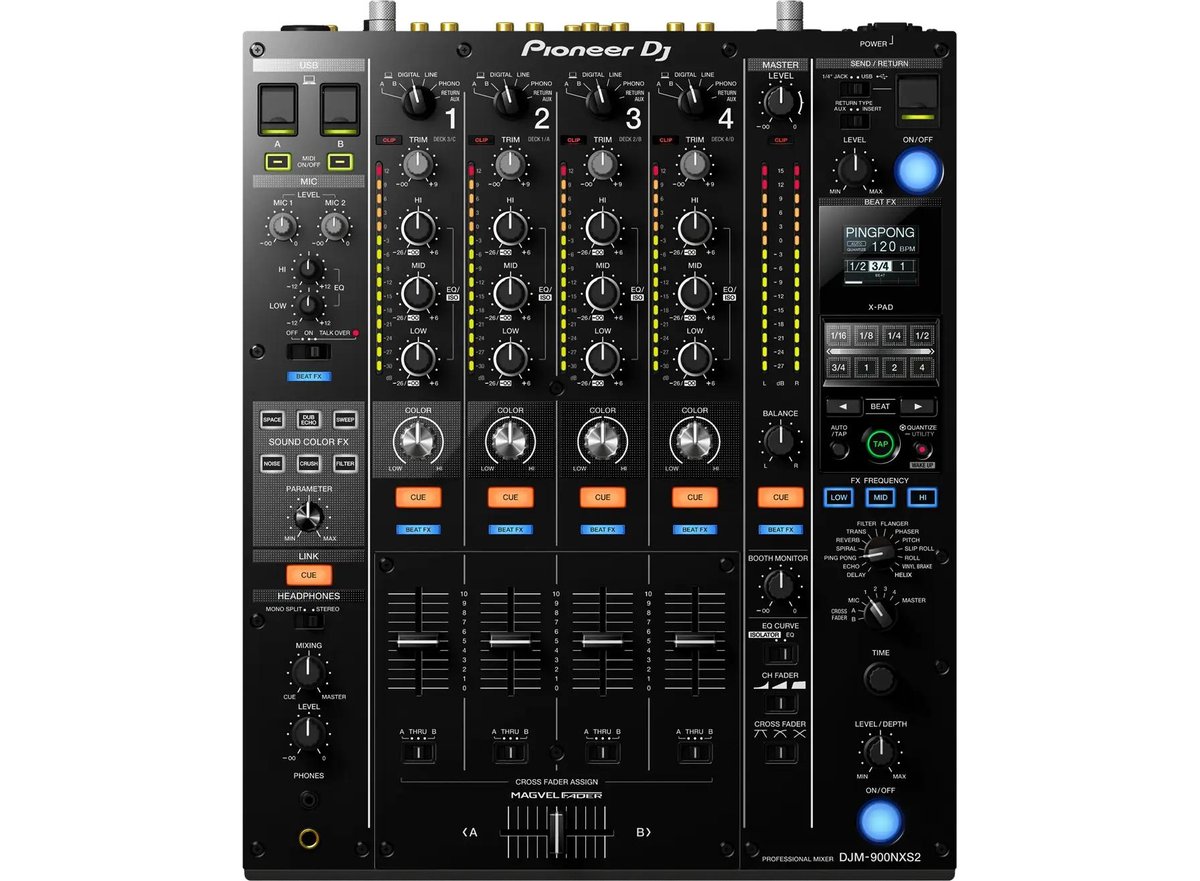
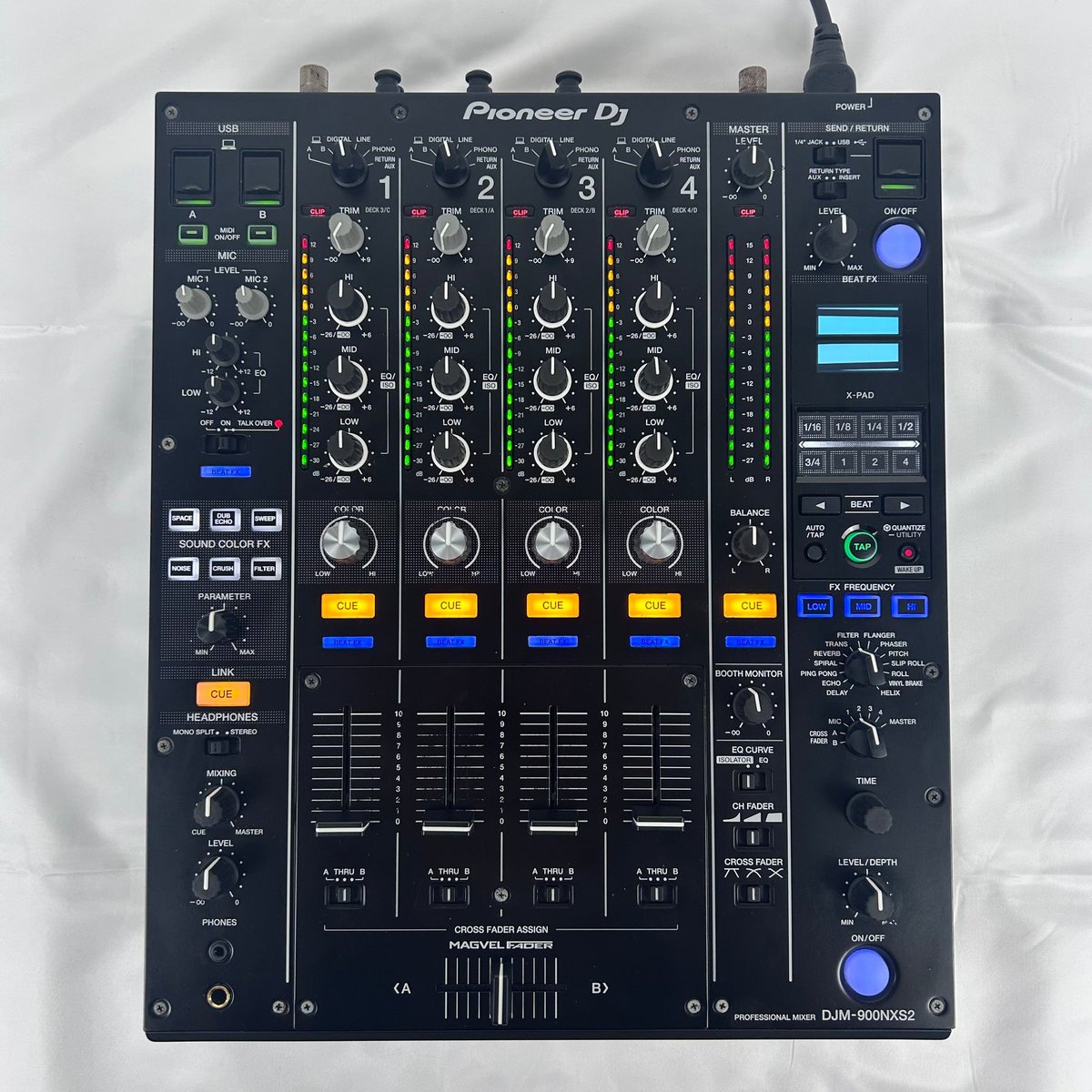
Pioneer DJ DJM-900NXS2 1 / 2
Pioneer DJ DJM-900NXS2 01Pioneer DJ DJM-900NXS2 02

Used DJ Equipment

Pioneer DJ DJM-900NXS2

Pioneer DJ · DJM-900NXS2

Price on request
Grade A In stock

4-channel club mixer with 14 Beat FX, 96 kHz sound and send/return. Lightly used, factory reset.

Type
4-ch DJ mixer
Connectors
RCA + XLR
Grille
—
Condition
A (used)
Included
Power cable
— Knowledge

Technical notes and buyer guidance

Used Pioneer DJ DJM-900NXS2 for Sale: A Practical B2B Buyer’s Review

The Pioneer DJ DJM-900NXS2 remains the de facto club-standard mixer for rental fleets, fixed installs, and touring racks across the CIS, Middle East, South America, and Africa. For B2B buyers, a used unit can cut capital outlay by 30–50% versus new, but only if you know what to inspect, what to ask, and how to structure the order. This review covers where the model fits, what actually matters for integration, a hands-on used-buying checklist, price context, and how wholesale orders work.

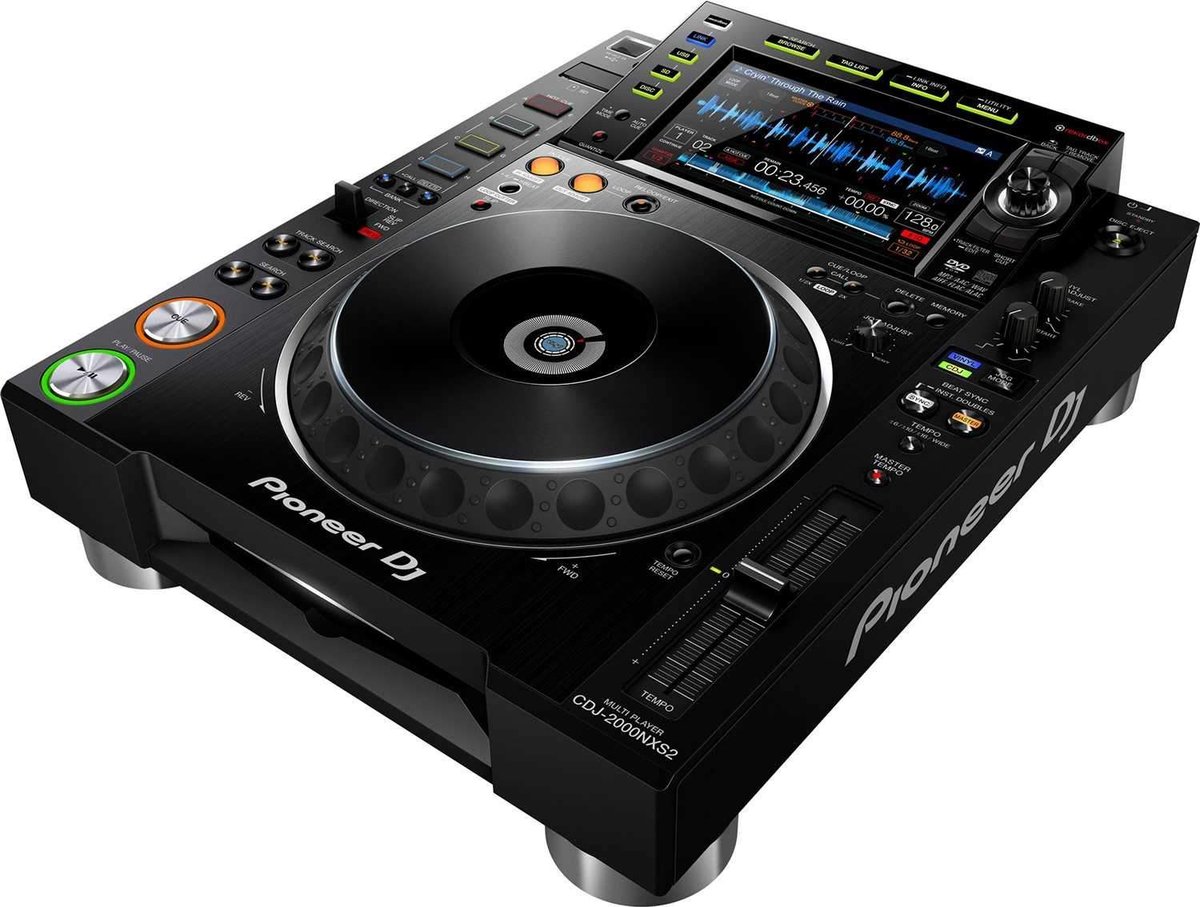
The 900NXS2 is the workhorse of the 4-channel digital club mixer segment. It is the rider-friendly choice for guest DJs, so rental firms keep it as a direct swap for rider requests; venues use it as the house mixer because it is familiar to visiting artists and integrates cleanly with CDJ-2000NXS2/3000 setups. In integrator projects, it is often specified for hotel lounges, beach clubs, and live music rooms where a compact digital mixer with onboard effects and Pro DJ Link is required. Its value in B2B inventory is not just the feature set but the predictability: engineers know the signal path, the fader feel, and the failure modes, which shortens troubleshooting on site.

The 900NXS2 is a 4-channel digital mixer with 64-bit mixing and 32-bit D/A conversion, a 96 kHz sampling rate, and a low-latency signal path. For integration, the important points are the Pro DJ Link Ethernet port (for CDJ sync and rekordbox linkage), the two USB soundcard ports for seamless laptop changeovers, and the flexible I/O: 4 phono/line inputs, 4 digital coax inputs, XLR master out, booth out, and send/return. The onboard Sound Color FX and Beat FX are hardware-based, so no laptop is needed for basic effects. The mixer also has a built-in 24-bit/96 kHz soundcard, which matters for venues that record sets or stream. For rental firms, the metal chassis and replaceable channel faders are practical; for integrators, the standard 19-inch rack-mount option and clear rear-panel labeling reduce install time.

Pioneer DJ DJM-900NXS2 Price Used: B2B Buyer’s Guide for Rental, Venue, and Integration

The Pioneer DJ DJM-900NXS2 remains a backbone club-standard mixer, and for B2B buyers—rental fleets, venue installs, and system integrators—the used market offers a practical path to capable inventory at a lower entry cost. But “used” covers everything from well-maintained ex-touring stock to cosmetically clean units with tired faders. This guide explains where the DJM-900NXS2 fits in professional inventories, what to inspect, how pricing behaves, and how to structure a B2B order so you get tested, grade-appropriate stock rather than surprises.

The DJM-900NXS2 is a 4-channel digital mixer with a built-in 24-bit/96 kHz USB audio interface, dual USB ports, and Pioneer’s Pro DJ Link ecosystem. In rental and venue contexts, it is the safe “rider-friendly” choice: touring DJs, club residents, and event production teams expect it, and its layout is familiar across genres. For integrators, it slots into booth packages with CDJ-2000NXS2 or CDJ-3000 players, and its digital and analog I/O makes it adaptable to both permanent installs and mobile racks.

Compared with newer flagship mixers, the DJM-900NXS2 is not the latest model, but it is still widely requested. That matters for utilization: a mixer that riders recognize earns more rental days than an obscure alternative. For venues, it is a proven workhorse for main-room booths and secondary rooms. For rental firms, it is a solid mid-tier asset that can be paired with either NXS2 or newer media players without confusing visiting DJs.

Pioneer DJ DJM-900NXS2 vs Alternatives: A B2B Buyer’s Guide to Used Professional Mixers

The Pioneer DJ DJM-900NXS2 is the de facto standard club mixer, but for rental firms, integrators, and audio engineers sourcing used gear, it is not always the smartest buy. This comparison weighs the DJM-900NXS2 against credible alternatives—Allen & Heath Xone:96, Denon DJ X1850 Prime, and the older DJM-900NXS—focusing on integration, reliability, and total cost of ownership for B2B buyers in CIS, the Middle East, South America, and Africa.

The DJM-900NXS2 is the rider-friendly choice. Its layout, effects, and Pro DJ Link ecosystem are familiar to touring DJs, so it reduces setup friction and client complaints. For rental companies, that familiarity translates to fewer support calls and faster turnarounds. However, the mixer’s premium also means higher insurance value and replacement cost. In venues where riders specify Pioneer DJ, the NXS2 is often non-negotiable; in multipurpose rooms or installs where the mixer is shared with AV playback, the Xone:96 or Denon X1850 can offer better value. The NXS2’s dual USB ports and four phono/line inputs make it flexible for back-to-back sets and quick changeovers, but its digital-heavy architecture means you need to plan for firmware and driver compatibility.

For integrators, the critical specs are I/O, digital connectivity, and power. The DJM-900NXS2 offers four phono/line inputs, two USB soundcards, coaxial S/PDIF, and a 32-bit/96kHz internal DSP. The Xone:96 counters with four phono/line inputs, two USB ports, and a dual 32-bit/96kHz soundcard, plus a more analog signal path that some engineers prefer for warmth. The Denon X1850 Prime adds four phono/line inputs, two USB ports, and built-in Wi-Fi for wireless streaming, but its effects and layout are less rider-standard. The older DJM-900NXS lacks the NXS2’s dual USB and improved soundcard, but it remains a workhorse with a lower entry price. For installs, consider the mixer’s height and rack-mount options; the NXS2 is 4U rack-mountable with an optional kit, while the Xone:96 is also rack-mountable. Power consumption and heat output matter in tight booths—the NXS2 runs warm but is generally stable with adequate ventilation.