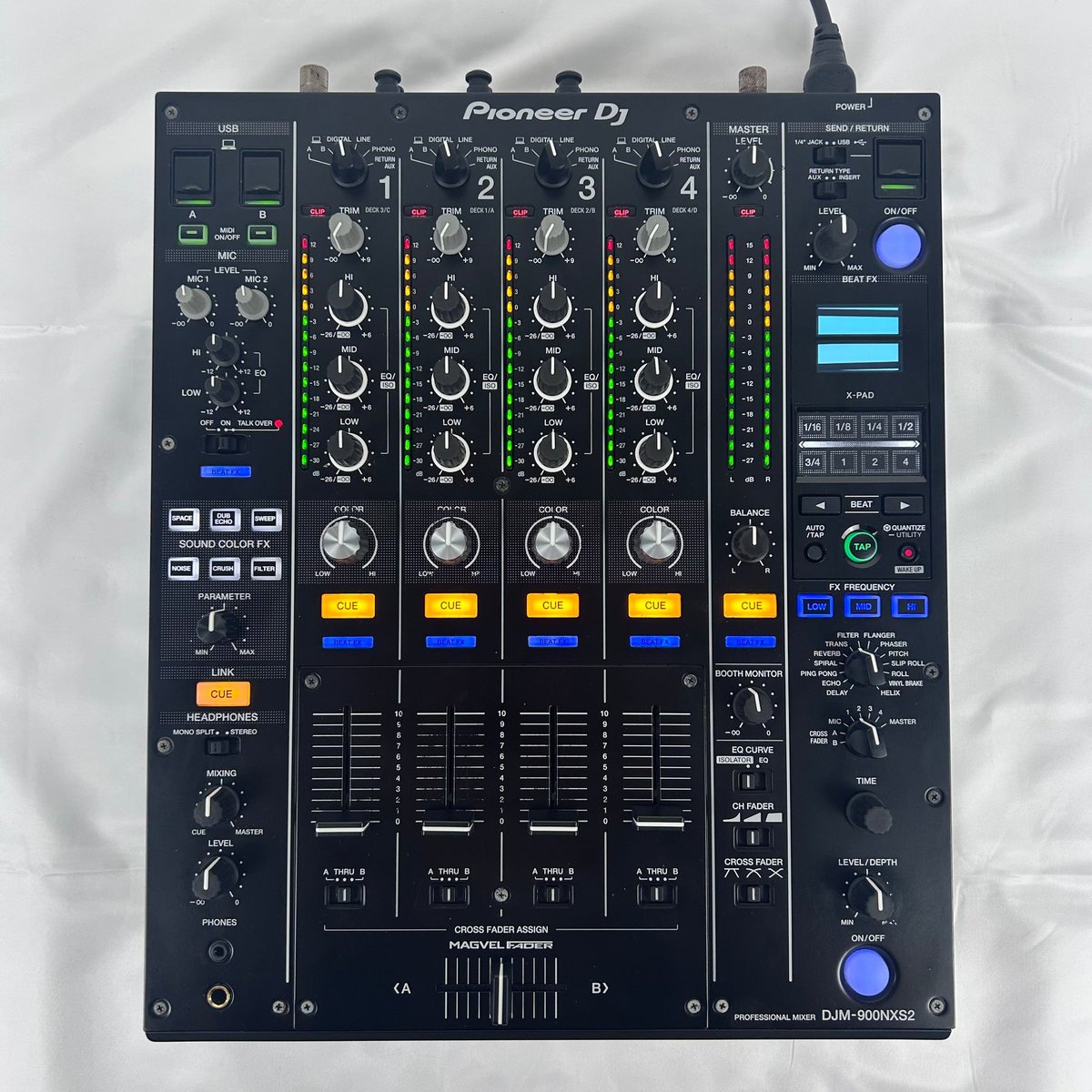
The Pioneer DJ DJM-900NXS2 remains the de facto club-standard mixer for rental fleets, fixed installs, and touring racks across the CIS, Middle East, South America, and Africa. For B2B buyers, a used unit can cut capital outlay by 30–50% versus new, but only if you know what to inspect, what to ask, and how to structure the order. This review covers where the model fits, what actually matters for integration, a hands-on used-buying checklist, price context, and how wholesale orders work.
Where the DJM-900NXS2 fits in a rental or venue inventory
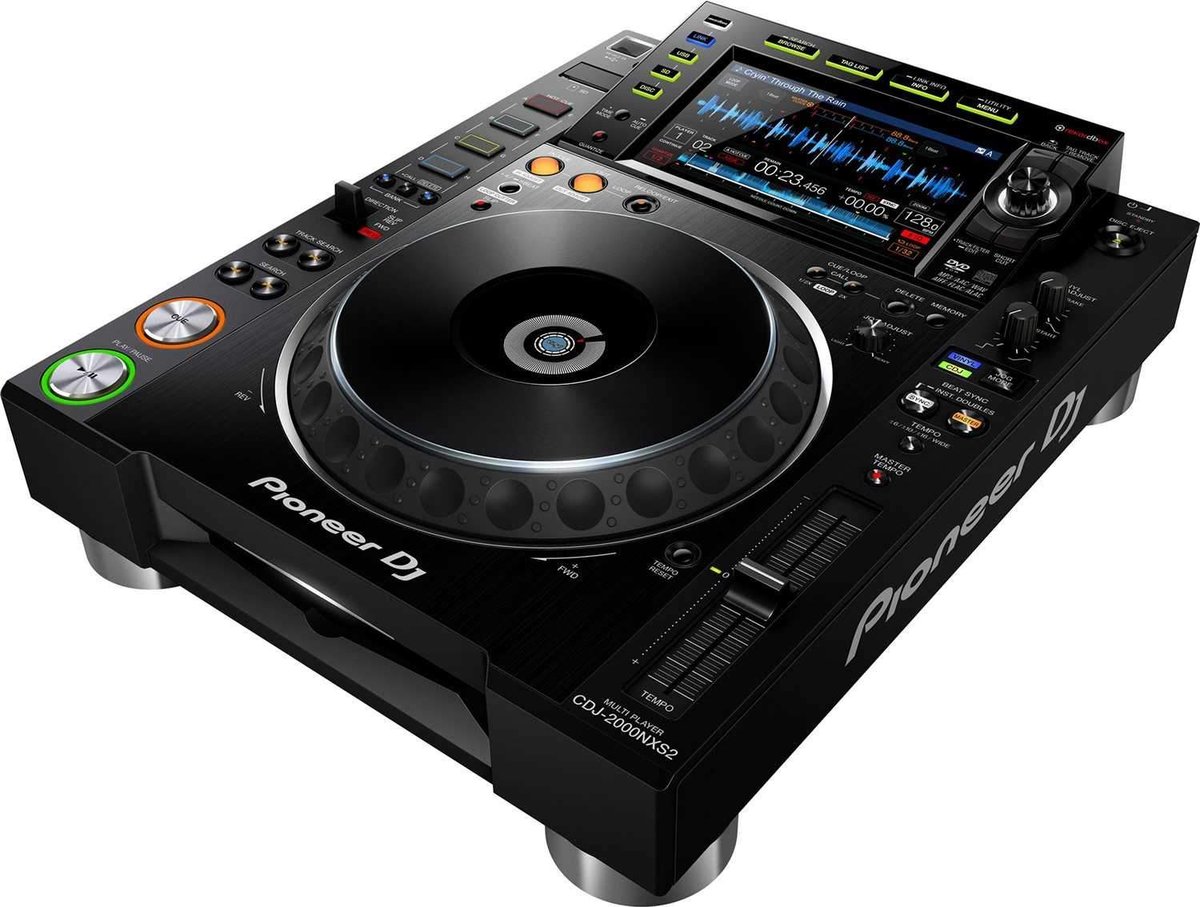
The 900NXS2 is the workhorse of the 4-channel digital club mixer segment. It is the rider-friendly choice for guest DJs, so rental firms keep it as a direct swap for rider requests; venues use it as the house mixer because it is familiar to visiting artists and integrates cleanly with CDJ-2000NXS2/3000 setups. In integrator projects, it is often specified for hotel lounges, beach clubs, and live music rooms where a compact digital mixer with onboard effects and Pro DJ Link is required. Its value in B2B inventory is not just the feature set but the predictability: engineers know the signal path, the fader feel, and the failure modes, which shortens troubleshooting on site.
Key specs that matter for integration work
The 900NXS2 is a 4-channel digital mixer with 64-bit mixing and 32-bit D/A conversion, a 96 kHz sampling rate, and a low-latency signal path. For integration, the important points are the Pro DJ Link Ethernet port (for CDJ sync and rekordbox linkage), the two USB soundcard ports for seamless laptop changeovers, and the flexible I/O: 4 phono/line inputs, 4 digital coax inputs, XLR master out, booth out, and send/return. The onboard Sound Color FX and Beat FX are hardware-based, so no laptop is needed for basic effects. The mixer also has a built-in 24-bit/96 kHz soundcard, which matters for venues that record sets or stream. For rental firms, the metal chassis and replaceable channel faders are practical; for integrators, the standard 19-inch rack-mount option and clear rear-panel labeling reduce install time.
Used-buying checklist: what to inspect and what to ask the seller
Start with the channel faders and crossfader: they are the highest-wear parts. Ask for a video of each fader swept slowly through its full travel, with audio, to hear crackle or dropouts. Check the line/phono switches for firm detents and no intermittent channels. Inspect the headphone jacks and cue buttons for wear. On the rear, confirm all XLR and RCA connectors are tight and not bent; look for evidence of liquid damage around the fader area and the USB ports. Ask the seller for a test report covering all inputs, the soundcard on both USB ports, Pro DJ Link sync with a CDJ, and the effects section. For B2B stock, request the unit’s grade (A/B/C), whether it has been serviced, and whether the fader caps and knobs are original. A reputable seller will provide serial-number photos and a short bench-test video. Avoid units with missing rear-panel screws or signs of third-party repair unless the price reflects it.
Price context and total cost of ownership
Used 900NXS2 pricing varies by region and grade. In the CIS and Middle East, A-grade units with original accessories typically sit 30–40% below new; B-grade units with cosmetic wear can be 45–50% below. In South America and Africa, import duties and freight push landed cost up, so a tested used unit from a wholesale partner often beats a new unit on total cost. Budget for a service kit: fader replacement, knob caps, and a professional clean. A used unit that has been bench-tested and graded is usually cheaper over three years than a new unit that sits idle waiting for a rider that never comes. For rental firms, the payback is faster because the 900NXS2 holds rider acceptance; for venues, the lower capex frees budget for CDJs and PA.
How a B2B order works: grade, freight, MOQ
Wholesale orders are typically structured by grade: A (fully tested, minor cosmetic marks), B (tested, visible wear), and C (functional with defects noted). Ask for the test protocol and whether the unit includes the power cable and original box. MOQ varies by seller; many wholesale lots start at 1–2 units for mixed orders, with better pricing at 5+ units. Freight is usually quoted ex-works or FOB, with air and sea options; for the Middle East and Africa, sea freight is cost-effective for multi-unit orders, while air is used for urgent single units. Confirm voltage (100–240 V) and plug type for the destination. Ask about warranty: a 30–90 day bench warranty is common on tested used stock. For integrators, request a pre-shipment test video and photos of the actual serial numbers.
A used DJM-900NXS2 is a sound B2B purchase when it comes from graded, bench-tested stock with a clear test report and realistic warranty. Focus on fader condition, connector integrity, and soundcard/Pro DJ Link function; buy from a seller who documents the test and supports freight to your region. That approach keeps your fleet rider-ready without new-unit pricing.
FAQs
- Q: How do I verify a used DJM-900NXS2 is fully tested?
- A: Ask for a bench-test video showing all four channels, both USB soundcard ports, Pro DJ Link sync with a CDJ, and the effects section. A reputable seller will also provide a written test report and serial-number photos.
- Q: What grade should I buy for rental stock?
- A: A-grade for rider-facing rentals and venue installs; B-grade is fine for backup or budget installs if faders and connectors are confirmed good.
- Q: What is the typical MOQ for wholesale orders?
- A: Many sellers start at 1–2 units for mixed orders, with better pricing at 5+ units. Confirm MOQ and lead time before ordering.
- Q: Do you ship to the Middle East, Africa, and South America?
- A: Yes, wholesale sellers typically offer air and sea freight to these regions. Confirm Incoterms, voltage, and plug type for the destination.
- Q: What warranty is normal on tested used stock?
- A: A 30–90 day bench warranty is common. Ask what it covers (parts/labor) and whether return freight is shared.