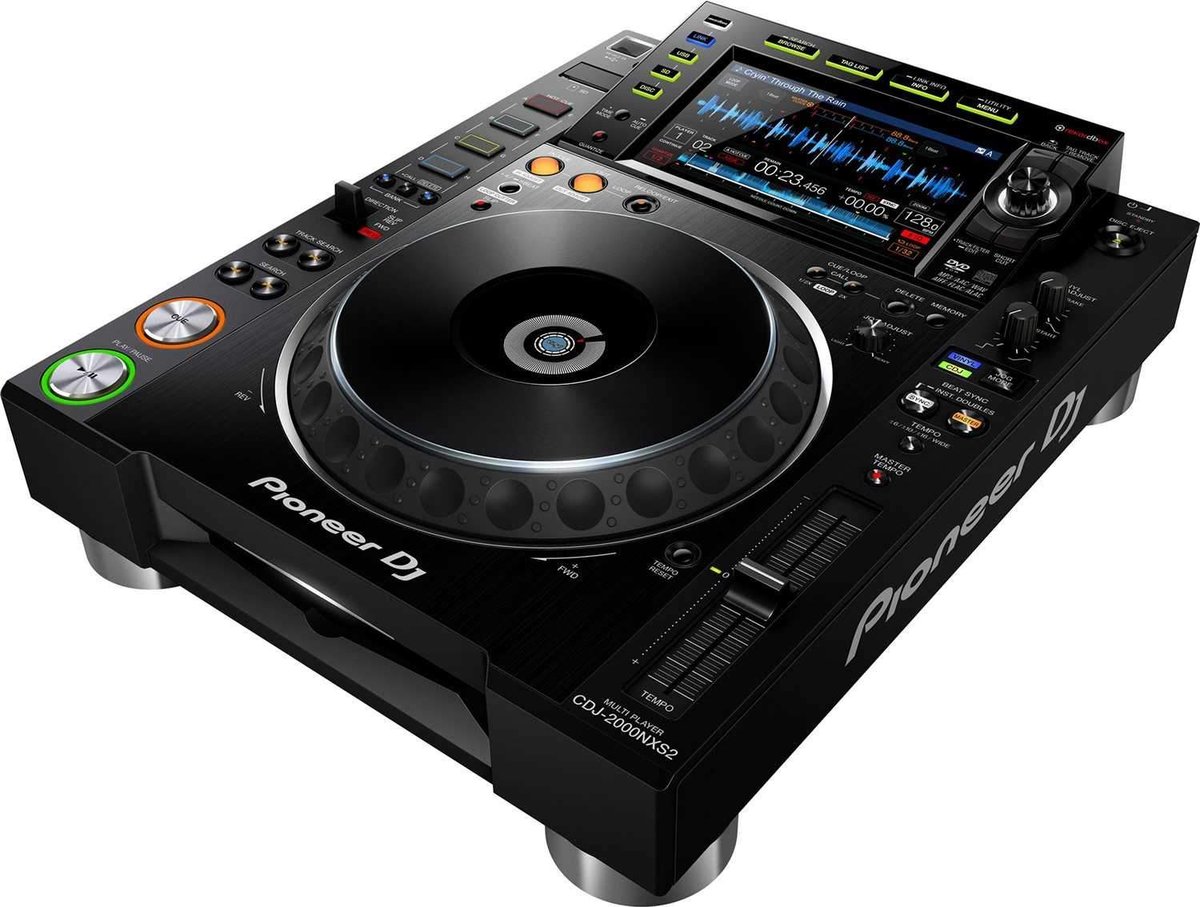
For rental firms, integrators, and audio engineers across the CIS, Middle East, South America, and Africa, the Pioneer DJ CDJ-2000NXS2 remains a benchmark for club-standard playback. But with new alternatives emerging and budgets tightening, is a used CDJ-2000NXS2 still the smart B2B purchase? This guide compares it against key alternatives, explains what to inspect on used units, and outlines the total cost of ownership so you can make an informed wholesale decision.
Where the CDJ-2000NXS2 fits in a rental or venue inventory
The CDJ-2000NXS2 is the de facto rider-friendly player for clubs, festivals, and corporate events. Its ubiquity means artists expect it, and rental firms can charge premium rates for a familiar setup. For venues, it offers reliability and a standard layout that reduces setup time. However, it is a discontinued model, so used stock is the only option for budget-conscious buyers. Alternatives like the CDJ-3000 or Denon DJ SC6000 offer newer features, but they come at a higher price and may not be rider-compliant in all markets. In the CIS and Middle East, where rider specifications often still list the NXS2, stocking used units makes commercial sense for rental fleets that need to meet artist expectations without investing in the latest flagship.
Key specs that matter for integration work
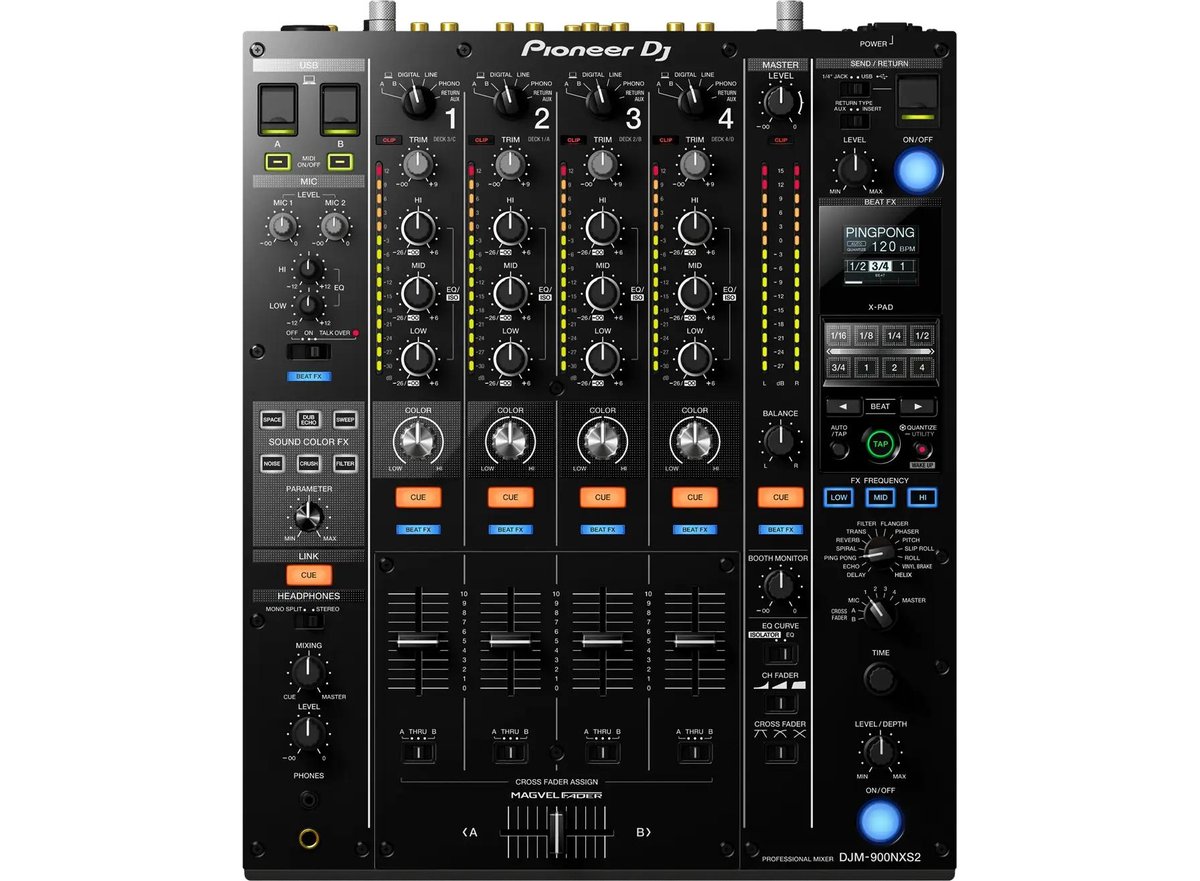
When integrating the CDJ-2000NXS2 into a venue or rental system, focus on connectivity and format support. It offers Pro DJ Link, which allows up to four players and a mixer to share cues and beat sync—essential for multi-player setups. The unit supports rekordbox analysis, USB export, and link export, making it compatible with most DJ workflows. Audio outputs include RCA and digital coaxial, and it has a 24-bit/96 kHz sound card. For integrators, the NXS2’s ability to act as a standalone player or as part of a network is key. Compared to the CDJ-3000, the NXS2 lacks the newer MPU and improved jog wheel, but for most rental applications, the NXS2’s feature set is more than adequate. The Denon DJ SC6000 offers dual-layer playback and a larger jog wheel, but its ecosystem is less rider-friendly in many regions. For B2B buyers, the NXS2’s widespread acceptance and proven reliability often outweigh the spec sheet advantages of newer alternatives.
Used-buying checklist: what to inspect and what to ask the seller
When evaluating used CDJ-2000NXS2 units, start with the jog wheel—check for wobble, smooth rotation, and responsive touch sensitivity. Test the cue and play buttons for tactile feedback and double-trigger issues. Inspect the display for dead pixels or dimming, and verify all ports (USB, LAN, RCA, digital) for physical damage and signal integrity. Ask the seller for the unit’s service history, including any repairs to the laser pickup or board. Request a video of the unit powering on, loading a track, and playing through all outputs. For B2B orders, insist on a testing report and ask about the grading scale (e.g., A, B, C) and return policy. Common failure points include worn jog wheel bearings, faulty USB ports, and laser degradation after heavy use. A reputable seller will provide detailed photos and test results, and may offer a warranty. In the CIS and Africa, where service centers may be scarce, buying tested stock with a guarantee is critical.
Price context and total cost of ownership
A used CDJ-2000NXS2 typically costs 40-60% less than a new CDJ-3000, making it attractive for budget-conscious rental firms. However, consider total cost of ownership: maintenance, spare parts availability, and potential downtime. The NXS2 is generally reliable, but laser assemblies and jog wheels wear out. Factor in the cost of a spare unit or a service contract. Compared to alternatives like the Denon DJ SC6000, which may have lower upfront cost but less rider acceptance, the NXS2 often yields higher rental utilization. In markets where the NXS2 is standard, the resale value remains strong, reducing long-term depreciation. For integrators, the availability of used parts and technicians familiar with the NXS2 is a plus. When buying wholesale, negotiate a price that reflects the unit’s grade and include freight and customs in your calculation. A tested, graded unit from a reputable B2B marketplace often provides the best balance of price and reliability.
How a B2B order works: grade, freight, MOQ
B2B wholesale orders for used CDJ-2000NXS2 units typically involve grading (e.g., A: fully functional with minor cosmetic wear; B: functional with visible wear; C: for parts or repair). MOQ varies by seller—some require a minimum of 2-4 units, while others accommodate single-unit orders. Freight is usually arranged by the buyer or through the seller’s logistics partner; for CIS, Middle East, South America, and Africa, sea or air freight is common, with lead times of 2-6 weeks. Always request a proforma invoice detailing unit condition, accessories (power cable, USB cable), and warranty terms. Payment terms may include T/T or LC. Inspect the goods upon arrival and report any discrepancies within the agreed window. A reliable B2B marketplace will facilitate communication and provide documentation for customs clearance.
In summary, the used Pioneer DJ CDJ-2000NXS2 remains a solid investment for rental firms and venues that need rider-friendly, reliable players. While alternatives like the CDJ-3000 and Denon DJ SC6000 offer newer features, the NXS2’s ubiquity and proven track record make it a safe choice for B2B buyers. Focus on thorough inspection, buy from reputable sellers with testing reports, and factor in total cost of ownership to maximize your return.