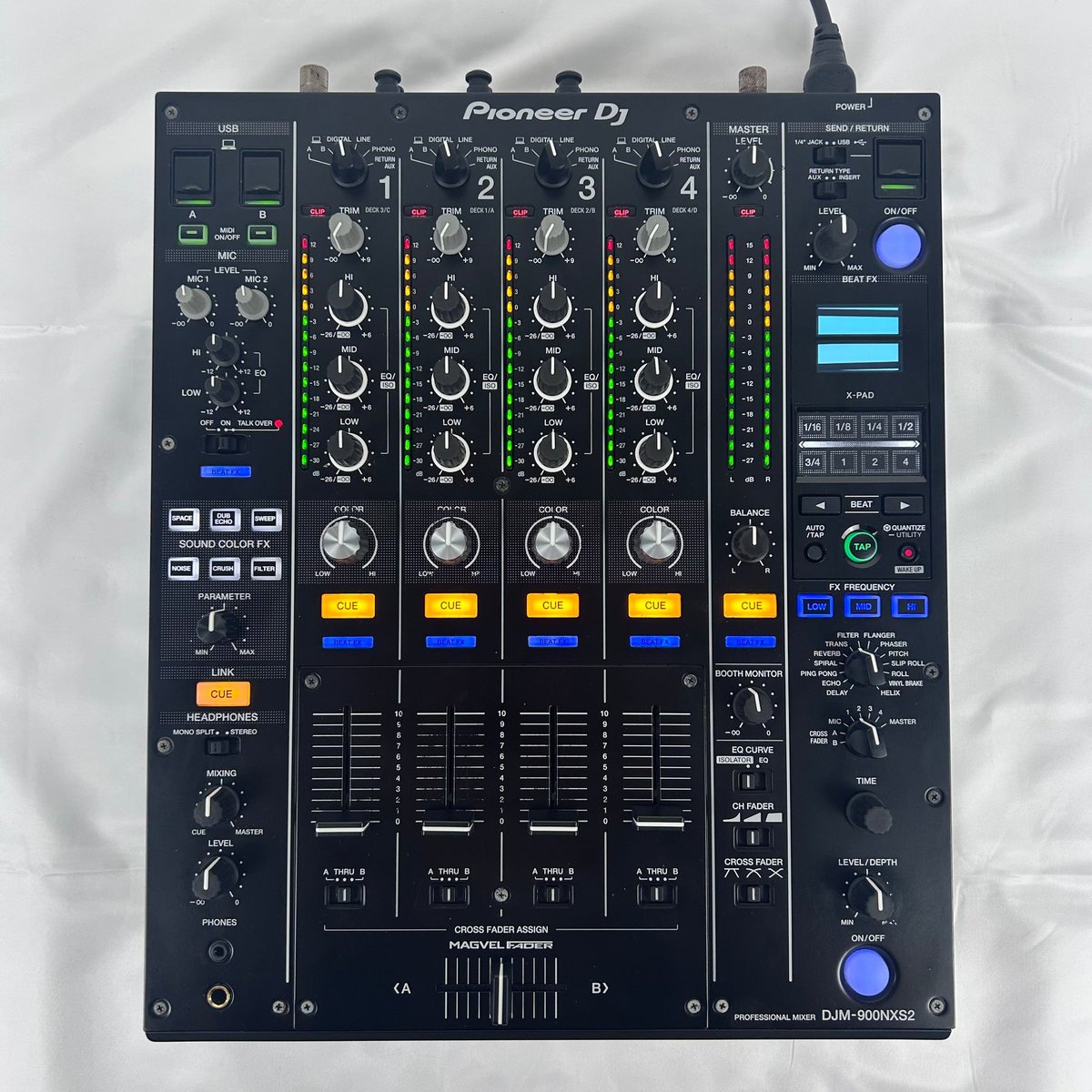
The Pioneer DJ DJM-900NXS2 remains a backbone club-standard mixer, and for B2B buyers—rental fleets, venue installs, and system integrators—the used market offers a practical path to capable inventory at a lower entry cost. But “used” covers everything from well-maintained ex-touring stock to cosmetically clean units with tired faders. This guide explains where the DJM-900NXS2 fits in professional inventories, what to inspect, how pricing behaves, and how to structure a B2B order so you get tested, grade-appropriate stock rather than surprises.
Where the DJM-900NXS2 fits in rental and venue inventory
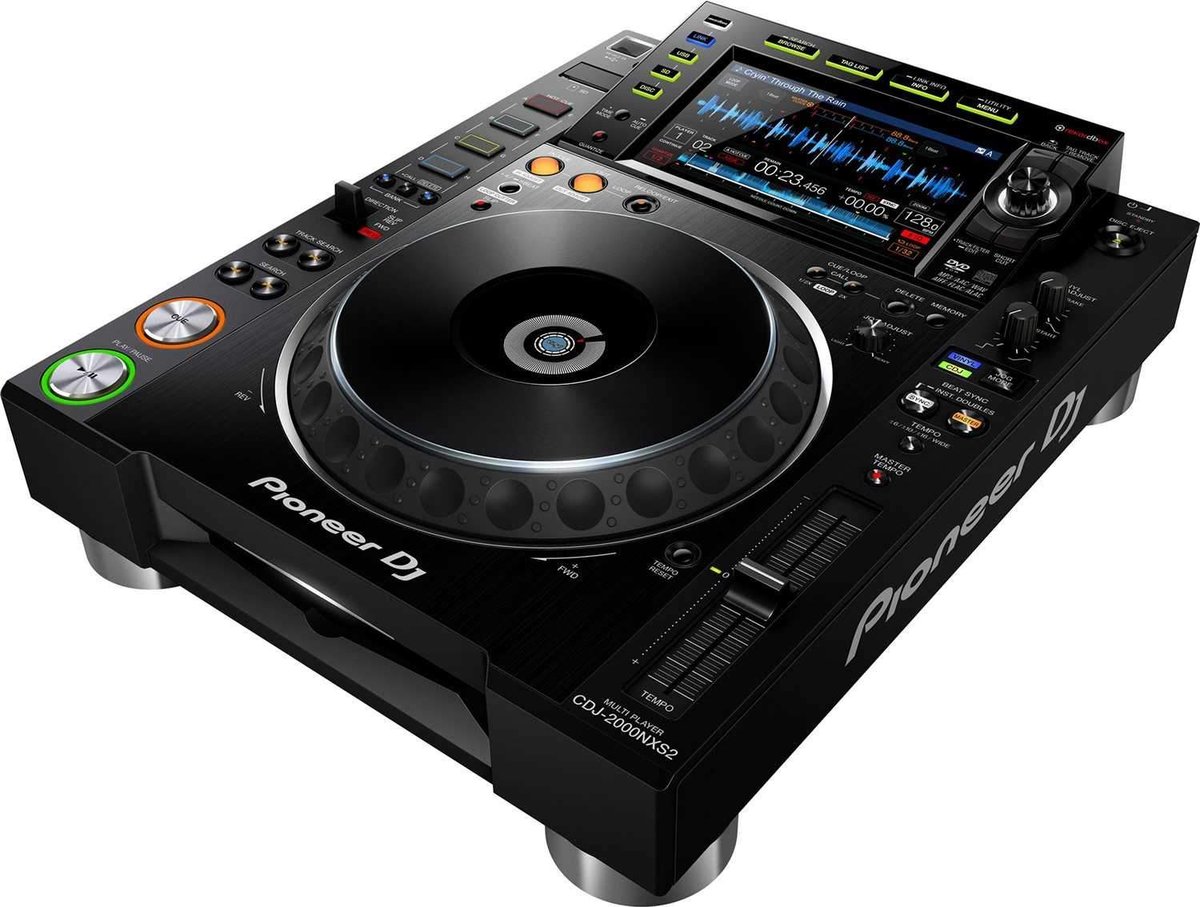
The DJM-900NXS2 is a 4-channel digital mixer with a built-in 24-bit/96 kHz USB audio interface, dual USB ports, and Pioneer’s Pro DJ Link ecosystem. In rental and venue contexts, it is the safe “rider-friendly” choice: touring DJs, club residents, and event production teams expect it, and its layout is familiar across genres. For integrators, it slots into booth packages with CDJ-2000NXS2 or CDJ-3000 players, and its digital and analog I/O makes it adaptable to both permanent installs and mobile racks.
Compared with newer flagship mixers, the DJM-900NXS2 is not the latest model, but it is still widely requested. That matters for utilization: a mixer that riders recognize earns more rental days than an obscure alternative. For venues, it is a proven workhorse for main-room booths and secondary rooms. For rental firms, it is a solid mid-tier asset that can be paired with either NXS2 or newer media players without confusing visiting DJs.
Key specs that matter for integration work
The DJM-900NXS2 offers four channels with phono/line inputs, digital coaxial inputs, and a built-in sound card that supports both USB ports for seamless DJ changeovers. The 24-bit/96 kHz interface is adequate for club and event use, and the mixer’s Pro DJ Link connectivity allows BPM sync and rekordbox integration with compatible players. For installers, the balanced XLR master output and booth output are standard, and the send/return loop is useful for external effects processors.
One integration detail pros check: the mixer’s firmware version and USB driver compatibility. Older firmware can cause recognition issues with newer operating systems, and while updates are usually available, a unit that has been offline for years may need a firmware refresh before deployment. Also confirm that the included power supply is the correct regional voltage or that the unit is compatible with your market’s mains. In CIS, Middle East, South America, and Africa, voltage and plug standards vary, so a tested unit with the right PSU avoids last-minute adapter kludges.
Used-buying checklist: what to inspect and what to ask
Start with the faders and crossfader. The DJM-900NXS2’s channel faders and crossfader are wear items; scratchy audio, uneven tension, or a crossfader that does not cut cleanly are common on heavily used units. Ask the seller whether faders are original or replaced, and request a short video demonstrating fader sweeps and crossfader cuts. Check the EQ and channel knobs for crackle or detent looseness—knob replacement is possible but adds cost.
Next, inspect the USB ports and sound card. Connect a laptop and verify that both USB ports enumerate and pass audio; test recording and playback at 44.1 kHz and 96 kHz if possible. Ask for the seller’s test report: channel-by-channel input checks, phono stage noise, headphone output, and master/booth output levels. Cosmetic grade matters less than functional grade, but for rental fleets, faceplate condition affects customer perception—ask for photos of the top panel, fader area, and rear connectors.
Finally, request the serial number and service history. Units that have been in fixed installs tend to have less physical wear than touring stock, but they may have dust ingress. A tested used unit from a B2B supplier should come with a functional guarantee and a clear grading standard (e.g., A/B/C cosmetic, fully tested functional). Avoid sellers who cannot provide a test report or who refuse to demonstrate the mixer working.
Price context and total cost of ownership
Used DJM-900NXS2 pricing varies by region, condition, and included accessories. In broad terms, tested units with good cosmetics command a premium over as-is stock, and prices in the Middle East and parts of Africa may include freight and import costs that change the landed price. For B2B buyers, the headline price is only part of the equation: factor in fader replacement kits, a spare power supply, and the labor to test and clean each unit before it enters your fleet.
Total cost of ownership also includes downtime. A mixer that fails during a weekend event can cost far more than the price difference between a cheap used unit and a tested one. For rental firms, buying tested stock with a warranty reduces emergency repair costs and keeps utilization high. For venues, a tested unit with a known service history is easier to maintain and less likely to cause show-stopping issues. When comparing offers, ask what the grade includes and whether the seller provides a DOA (dead-on-arrival) policy.
How a B2B order works: grade, freight, and MOQ
B2B wholesale orders for used DJM-900NXS2 mixers typically start with a grade and test report. Suppliers may offer cosmetic grades (A, B, C) and functional status (tested working, minor faults noted). Ask for the grading criteria in writing and request photos or video for the specific units you will receive, not just a representative image. For fleet buyers, consistency matters: confirm that all units in a lot are the same revision and include the same accessories.
Freight and MOQ depend on the supplier and destination. Small orders may ship via air courier, while larger lots move by air or sea freight with consolidated customs clearance. For CIS, Middle East, South America, and Africa, confirm Incoterms (e.g., CIF, DAP), estimated transit times, and whether the seller handles export documentation. MOQ can range from a single unit for sample orders to pallet quantities for fleet builds. Always clarify warranty terms, return policy for DOA units, and whether spare parts (faders, knobs, PSUs) can be included in the same shipment.
For budget-conscious buyers, tested used stock makes sense because it balances cost and reliability. The DJM-900NXS2 is a known quantity with available parts and service documentation, so a properly tested unit can deliver years of service. The key is to buy from a supplier who provides transparent grading, real test evidence, and clear after-sales terms—not just the lowest price.
FAQs
- Q: How can I verify that a used DJM-900NXS2 has been properly tested?
- A: Ask for a channel-by-channel test report covering inputs, phono stage, USB audio on both ports, headphone output, and master/booth outputs. Request a short video showing fader sweeps, crossfader cuts, and knob operation. A reputable B2B supplier will provide this without hesitation.
- Q: What cosmetic grade should I expect for rental fleet use?
- A: For rental fleets, Grade B or better is typical: minor cosmetic wear but fully functional. Grade A units are closer to mint and may cost more. If customer perception matters, prioritize faceplate and fader-area condition, and ask for photos of the actual units.
- Q: Do you ship to CIS, Middle East, South America, and Africa?
- A: Yes, B2B wholesale suppliers serving these regions typically offer air and sea freight with consolidated customs clearance. Confirm Incoterms, transit times, and whether export documentation is included. For sample orders, air courier is common; for fleet orders, sea freight is more economical.
- Q: What is the typical MOQ for used DJM-900NXS2 mixers?
- A: MOQ varies by supplier. Some allow single-unit sample orders, while others require pallet quantities for fleet pricing. Ask whether mixed lots (e.g., DJM-900NXS2 with CDJ players) are possible and whether spare faders or PSUs can be added to the same shipment.
- Q: Are spare parts available for the DJM-900NXS2?
- A: Yes, faders, knobs, and power supplies are generally available through Pioneer DJ parts channels and third-party suppliers. When ordering, ask if the seller can include a spare fader kit or PSU, especially for rental fleets where quick field repairs matter.