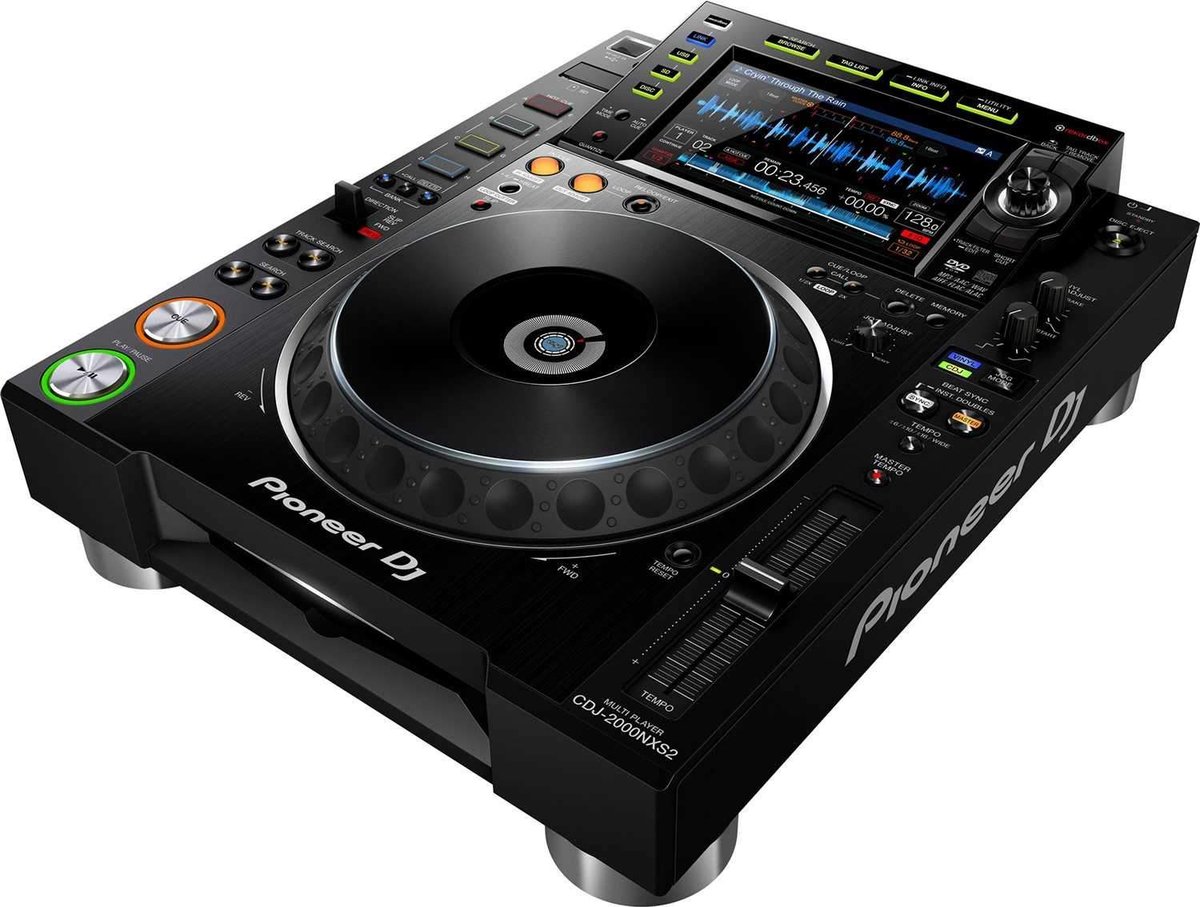
The Pioneer DJ CDJ-2000NXS2 remains the de facto rider standard in clubs, rental fleets, and live venues across the CIS, Middle East, South America, and Africa. For B2B buyers, the used market offers a way to expand inventory without paying flagship prices—but only if you understand what drives the price, what to inspect, and how to structure the deal. This guide covers the real-world pricing landscape, technical checks, and procurement workflow for wholesale used CDJ-2000NXS2 units.
Where the CDJ-2000NXS2 fits in a rental or venue inventory
The NXS2 is the last of the CDJ-2000 line and still the most requested player in professional backlines. It supports rekordbox export, Pro DJ Link, and the full club-standard feature set that touring DJs expect. For rental firms, it is a workhorse that commands premium day rates and is often specified by name in technical riders. For integrators, it is a reliable choice for permanent installs in clubs, bars, and live rooms where DJs bring their own USB drives. While newer models like the CDJ-3000 exist, the NXS2 remains widely accepted and is often preferred for its familiar layout and proven reliability. In emerging markets, the NXS2 is frequently the top-tier option available, making tested used stock a practical way to meet client demand without the lead times and costs of new units.
Key specs that matter for integration work
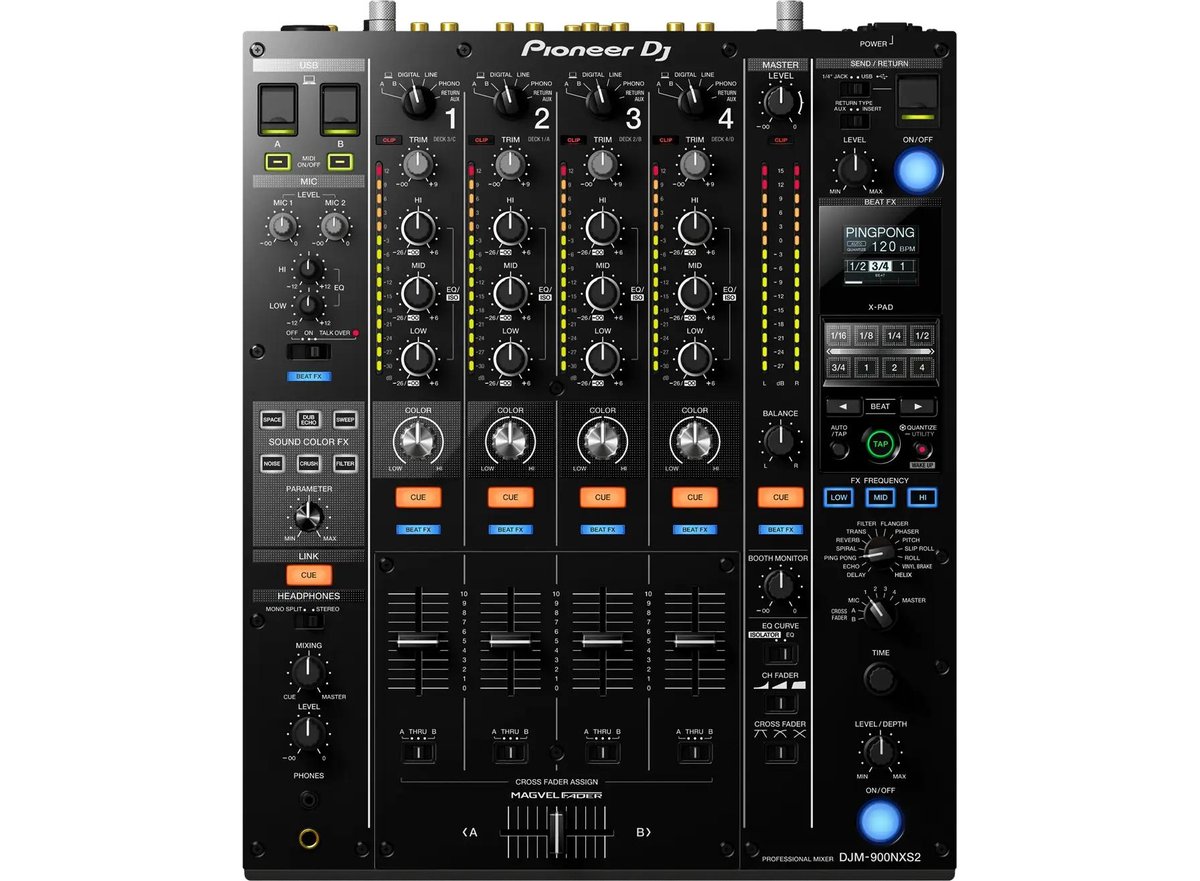
The CDJ-2000NXS2 offers a 7-inch full-color touchscreen, 24-bit/96 kHz audio processing, and support for FLAC, ALAC, WAV, and AIFF files. It has four digital outputs (coaxial and optical) and a USB host port for storage devices. Pro DJ Link allows synchronization of up to four players and connection to mixers like the DJM-900NXS2. For installers, the unit's balanced XLR and RCA outputs, along with its digital outputs, provide flexible connectivity. The player also includes a LAN port for link functionality and a USB port for rekordbox export. When buying used, confirm that the unit includes the power cable, LAN cable, and that the firmware is up to date. Some units may have been used in smoke-heavy environments, so check the screen and buttons for residue. The NXS2 is known for its robust build, but the mechanical jogs and cue buttons are the most common wear points.
Used-buying checklist: what to inspect and what to ask
Start with the jogs: they should spin freely with no wobble or grinding. Test the tension adjustment and ensure the touch-sensitive top works. Check all buttons, especially cue, play, and hot cues, for responsiveness. The screen should have no dead pixels or delamination, and the touch layer must respond accurately. Insert a USB drive and test playback of various file formats, including FLAC and ALAC. Test the link function with another player if possible. Inspect the rear panel for bent pins or damaged connectors. Ask the seller for the unit's history: was it used in a club, rental fleet, or studio? Request photos of the serial number and any service records. For B2B orders, ask for a testing report or video of the unit in operation. Confirm that the unit is not stolen or blacklisted—check serial numbers with local authorities if possible. Also ask about the firmware version and whether it has been updated. Finally, clarify the return policy and warranty terms.
Price context and total cost of ownership
Used CDJ-2000NXS2 prices vary by region and condition. In the CIS, expect to pay between $1,200 and $1,800 per unit for good working condition. In the Middle East, prices can range from $1,300 to $2,000. South America and Africa may see higher prices due to import duties and limited supply, often $1,500 to $2,200. These are wholesale B2B prices for tested units; retail prices for single units can be higher. When budgeting, consider total cost of ownership: shipping, import taxes, and potential repairs. A unit that needs a new jog or screen can add $200–$400 in parts and labor. Buying tested stock from a reputable B2B supplier reduces the risk of hidden defects. Also factor in the cost of cases and cables if not included. Compared to new CDJ-3000 units, the NXS2 offers significant savings while still meeting rider requirements. For rental firms, the payback period on a used NXS2 is typically shorter, making it a smart investment.
How a B2B order works: grade, freight, and MOQ
B2B wholesale orders for used CDJ-2000NXS2 typically involve grading: A-grade units are fully functional with minor cosmetic wear; B-grade may have more visible scratches but work perfectly; C-grade may have functional issues or missing parts. Always request a grading definition from the supplier. MOQ (minimum order quantity) varies; some suppliers require 2–4 units, while others may sell singles. Freight is usually arranged by the buyer or through the supplier's logistics partners. For international shipping, ensure proper packaging with foam inserts and double-boxing. Ask for insurance and tracking. Customs clearance and import duties are the buyer's responsibility. Payment terms may include wire transfer or escrow for first-time buyers. Confirm the warranty period, typically 30–90 days. A reputable supplier will provide a testing report and allow returns for DOA (dead on arrival) units. Always clarify whether the price includes cables and power cords.
In summary, the used CDJ-2000NXS2 market offers excellent value for B2B buyers who do their due diligence. Focus on tested units from reputable suppliers, verify condition and history, and factor in total costs. With the right approach, you can build a reliable inventory that meets rider demands without breaking the budget.