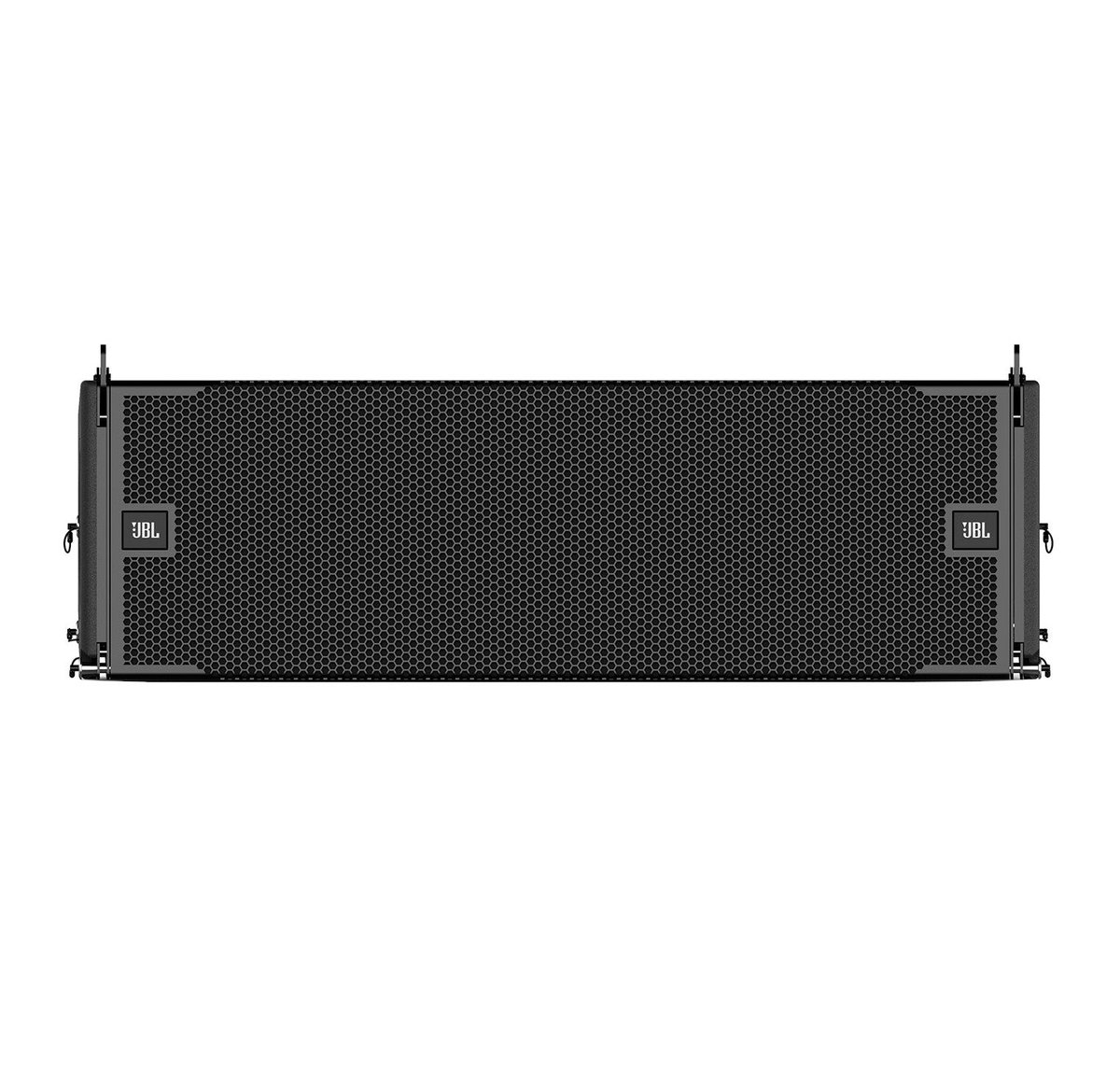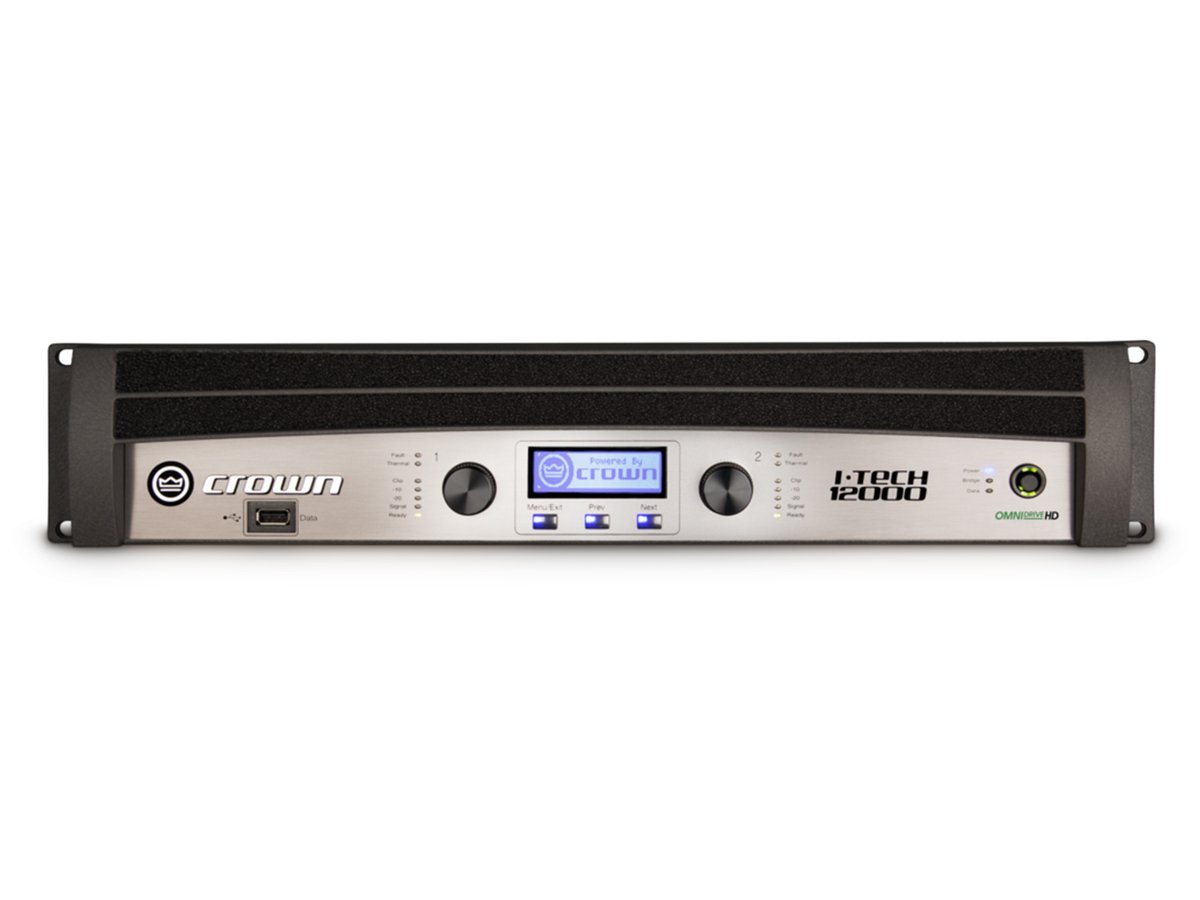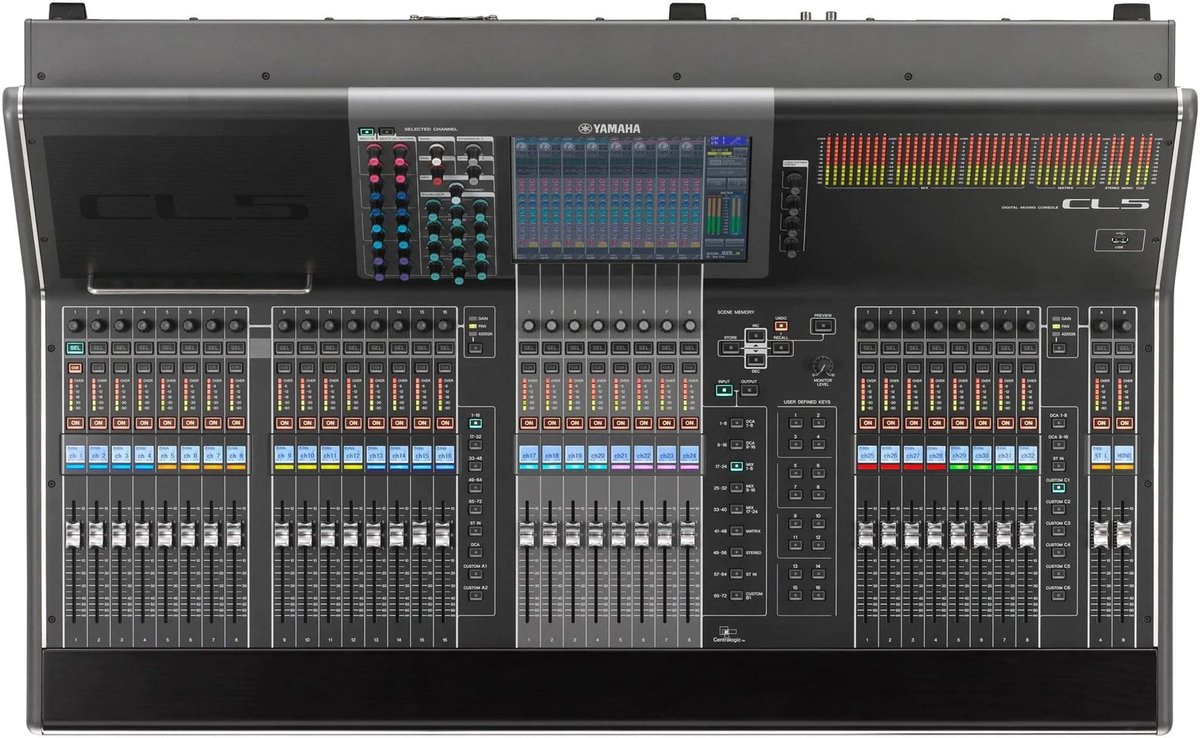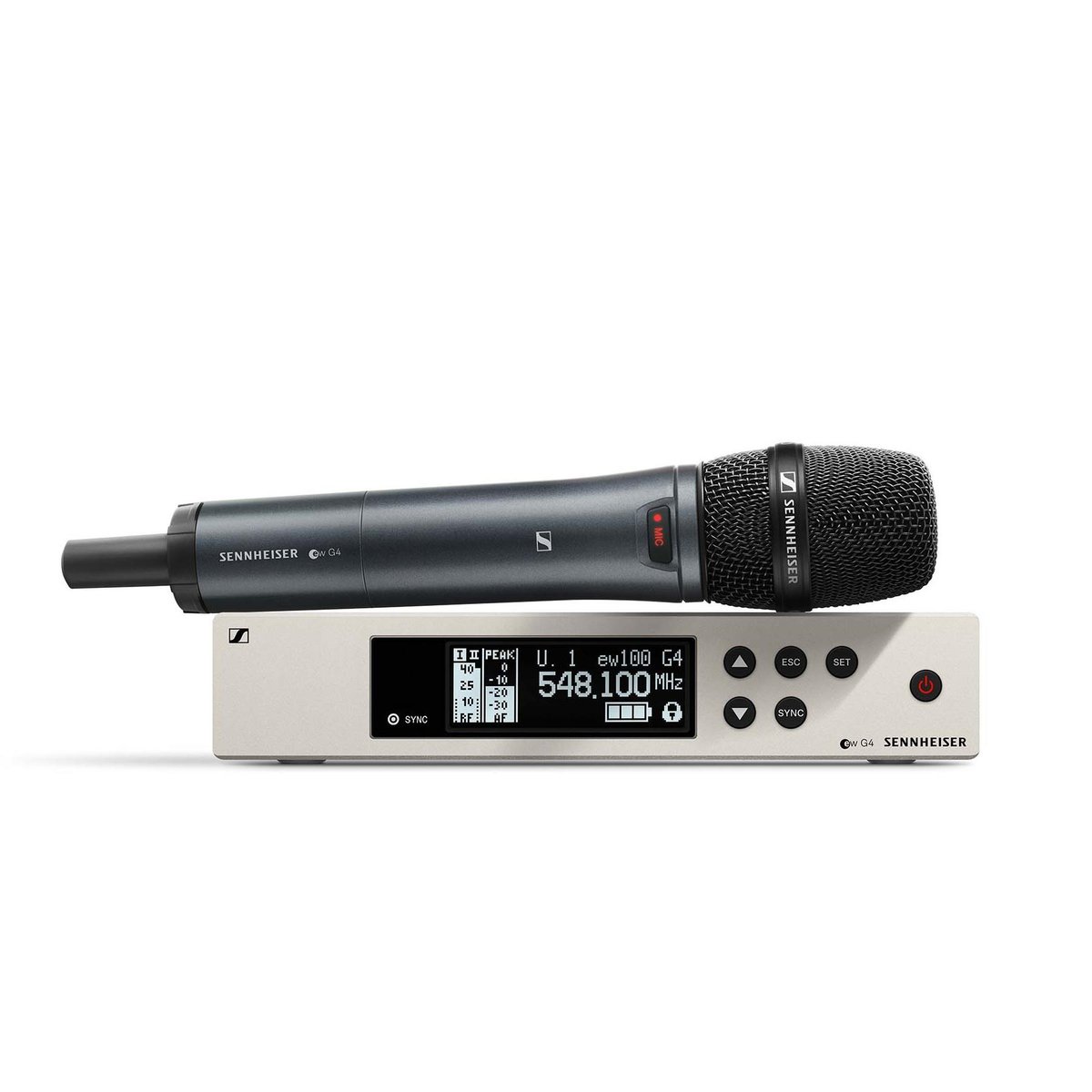
When rental companies price a used sound system, they start from what the market will pay for a fully functional rig — not from the original invoice. In CIS, Middle East, South America, and Africa, buyers typically anchor on current new-street prices for the same or successor model, then apply a depreciation curve that reflects age, duty cycles, and cosmetic condition. A well-maintained line array or point-source system that still meets rider acceptance can retain 45–65% of new value after 3–5 years, while discontinued or orphaned models drop faster because spares and service support dry up. Rental firms also factor in the cost of re-certification, firmware updates, and any required accessories (rigging frames, flight cases, amp racks) that are missing from the lot.
The valuation usually follows a fixed ranking order: first, brand and model liquidity (e.g., L-Acoustics, d&b audiotechnik, Meyer Sound, JBL, Electro-Voice, RCF, Adamson, Nexo hold value better than niche or white-label boxes); second, completeness of the system (matched amp channels, DSP presets, rigging hardware, cables, and cases); third, driver and cabinet condition (original cones, no recones, no water damage, no cracked horns); fourth, electronics health (amp modules, power supplies, DSP boards, firmware version); and fifth, cosmetic and documentation status (service records, serial-number continuity, CE/EMC paperwork). A complete, rider-ready package with original cases and documented service history can command a 15–25% premium over a loose collection of the same boxes.
Inspection should be hands-on and evidence-based. Ask for a sweep test with pink noise and a impedance curve for each cabinet; check for rub-and-buzz with a sine sweep at 40–100 Hz and 1–4 kHz; verify that all drivers are original or OEM-spec and that recones are documented. Open amp racks and look for bulging capacitors, burnt connectors, and fan wear; confirm DSP presets match the cabinet serials. Check rigging frames for cracks, bent pins, and missing safety clips, and verify flight-case foam and latches. For line arrays, ask for a hang test and confirm that the bumper and pick-up points are within load ratings. Finally, cross-check serial numbers against the manufacturer’s service database where possible, and insist on a written condition report with photos.
Next step: build a valuation sheet before you negotiate. List each cabinet, amp channel, and accessory with its model, serial, condition grade (A/B/C), and current new-street price; apply a depreciation factor by age and brand liquidity; subtract the cost of missing items and any required service. Request a 48-hour demo or a paid inspection by your own engineer, and agree on a payment holdback until the system passes a full-load test. For cross-border deals in CIS, the Middle East, South America, and Africa, confirm voltage taps (100–240 V), plug types, and shipping crates, and get the export documentation and warranty terms in writing before you commit.