Buying used professional audio gear is standard practice for rental companies, integrators, and venues across the CIS, Middle East, South America, and Africa. The savings are real—often 30–60% off new—but the risks are equally real if you don't know what to inspect, what to ask, and how to structure the deal.
1、 Main application scenarios
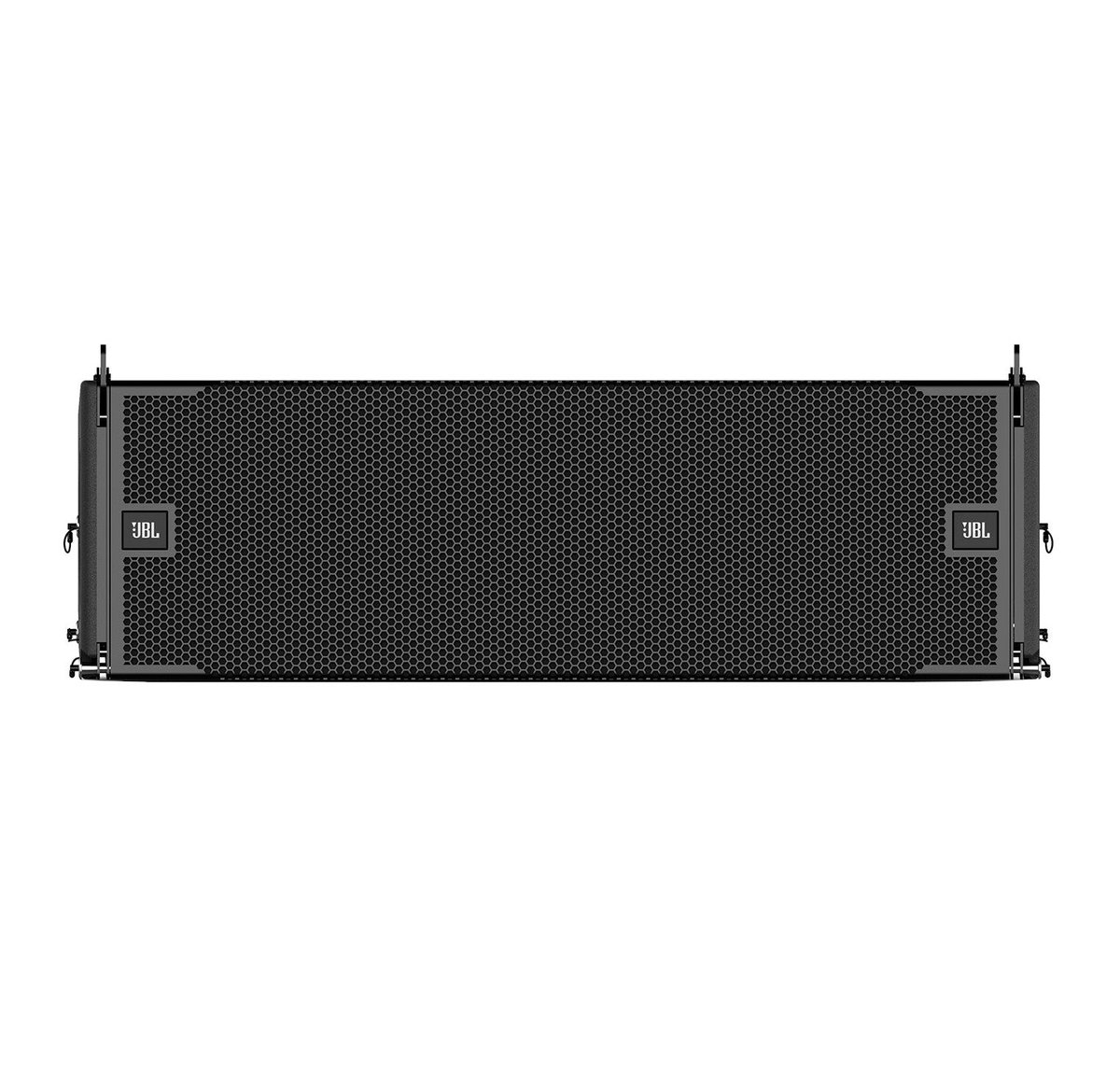
Before you buy any used unit, define its role. A 32-channel analog console that was a workhorse in a fixed install may be a poor fit for a touring rental fleet that needs digital recall and compact footprints. Conversely, a used line array element with plenty of rigging cycles left can anchor a mid-size rental inventory at half the cost of new. Map the unit to a real deployment: front-of-house for a 500-seat club, monitor world for a festival stage, or a fixed install in a house of worship. Check that spares and accessories—rack ears, power supplies, covers, flight cases—are either included or still available. For rental firms, consider cross-rental compatibility: if your competitors and partners run the same brand, you can share inventory during peak season. For integrators, verify that the unit's firmware and control protocols (Dante, AES67, AES3, analog) match the rest of the signal chain you're specifying. A used unit that saves 40% but forces a protocol converter and a new rack is not a saving.
2、 Key specs that matter for integration work
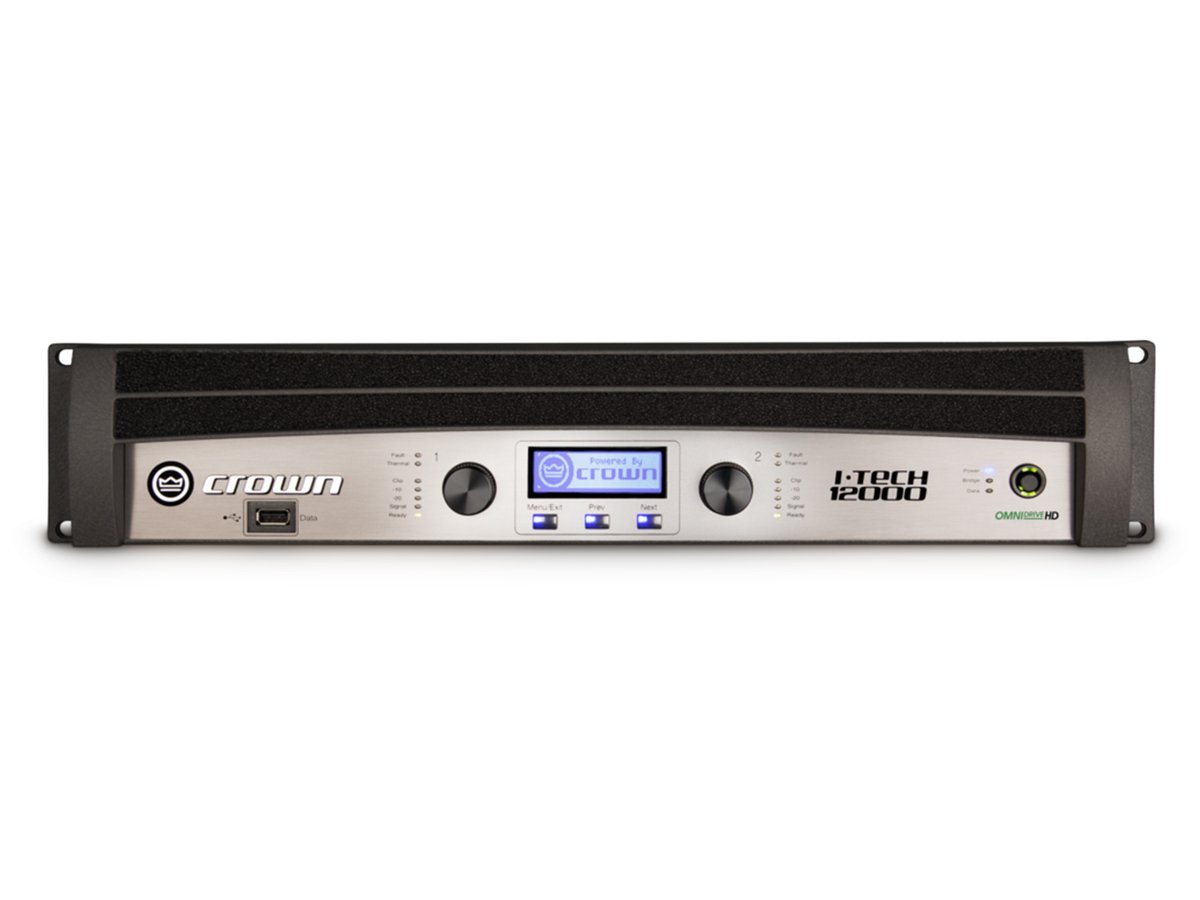
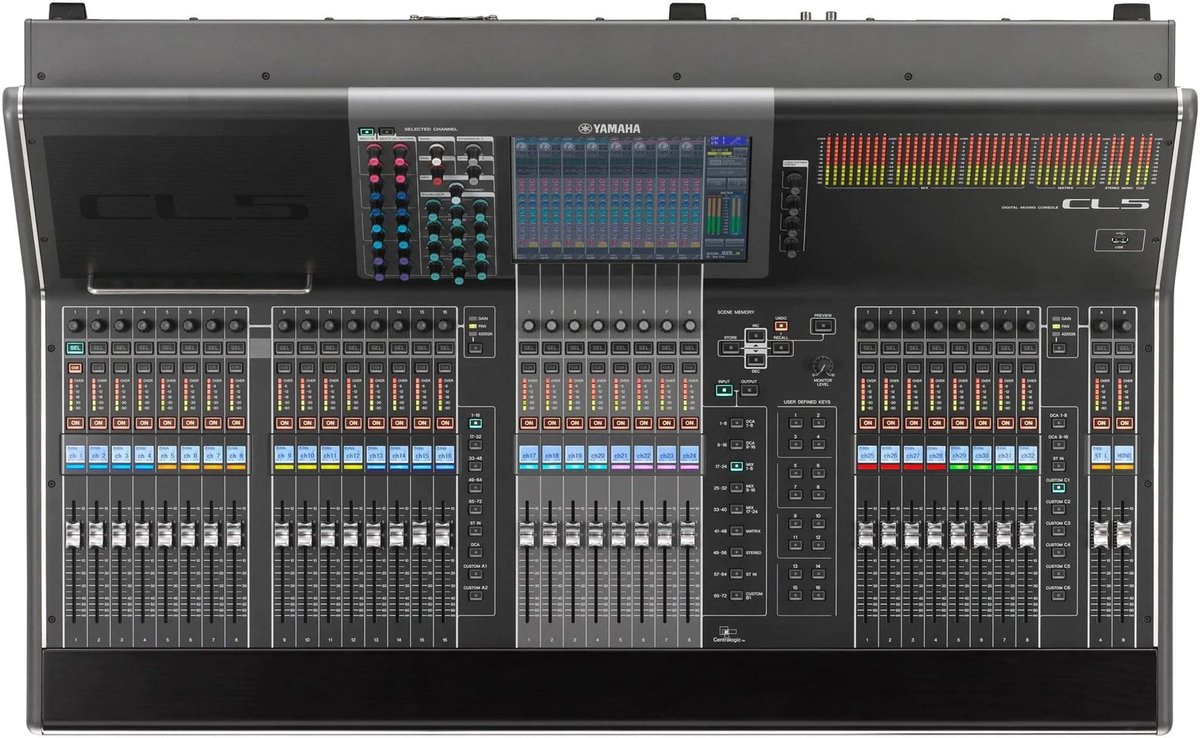
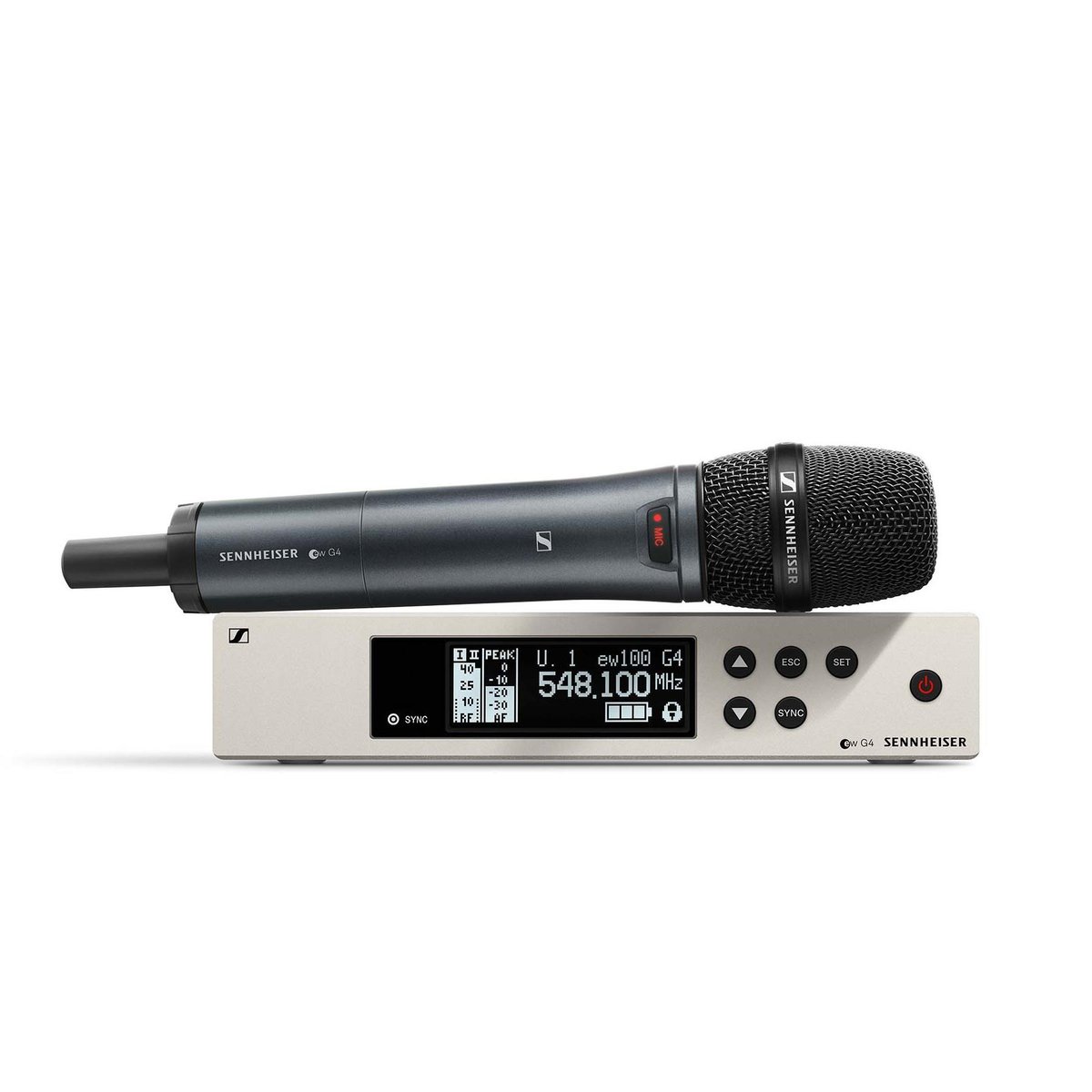
Pros look past the headline spec sheet. For amplifiers, check the actual power at your load impedance (2, 4, 8 ohms) and whether the unit is bridgeable; many used amps are rated at 1 kHz, not full-band, so confirm the real continuous rating. For loudspeakers, inspect the impedance curve and sensitivity—a used box with a replaced diaphragm may have a different response than the original. For digital consoles, confirm the firmware version, the number of available I/O cards, and whether the manufacturer still supports the model with updates. For wireless systems, check the frequency band against your local regulations; a unit that works in Europe may be illegal in the Middle East or Africa. For networked audio, verify Dante or AES67 card presence and license status—some used units ship with expired or missing licenses. Also check connector types: a used mixer with only TRS outputs may need a full re-cable for a venue that runs XLR. Finally, confirm the unit's physical dimensions and weight against your rack or flight case plan; used gear often comes without the original case, and a non-standard depth can force a new rack build.Our second-hand equipment covers devices from major brands on the market, offering a large quantity, full range of types, and affordable prices.
3 Used-buying checklist: what to inspect and what to ask the seller
Start with a visual inspection: look for bent rack ears, cracked circuit boards, corrosion on connectors, and signs of liquid damage. On amplifiers, check fan bearings for play and noise; on consoles, test every fader, encoder, and button for smooth operation and no double-triggers. For loudspeakers, inspect the cone for tears, the surround for rot, and the voice coil for rubbing—push the cone gently and listen for scraping. For wireless, test the RF scan and confirm the receiver locks onto the transmitter at a reasonable distance. Ask the seller for: a test report with measured values (frequency response, THD, output power), photos of the internals if available, the serial number, and the service history. Ask whether the unit has been recapped, whether the firmware is current, and whether any modifications were made. Request a video of the unit powering on and passing signal. For B2B orders, ask about the grading scale used (A, B, C or similar) and what each grade means in practice. Confirm the return policy and warranty period—even a 30-day warranty changes the risk profile. Finally, ask for the unit's weight and dimensions with packaging, so you can quote freight accurately.
4、 Price context and total cost of ownership
Used prices vary widely by region and condition. A used unit in A-grade condition typically sells for 50–70% of new; B-grade for 35–55%; C-grade for 20–35%. But the purchase price is only part of the story. Add freight, import duties, and VAT—in many CIS and African markets, duties can add 15–30% to the landed cost. Add the cost of missing accessories: a replacement power supply or rack kit can be 10–20% of the unit price. Add service costs: a recap on an old console can run several hundred dollars, and a replacement diaphragm for a used compression driver is a real cost. For rental firms, calculate the payback period: if the unit rents for $150/day and you expect 40 rental days per year, a $4,000 used unit pays back in under a year—but only if it's reliable. That's why tested used stock makes sense: a unit that has been bench-tested and graded has a known risk profile, while an untested unit is a gamble. For integrators, factor in the labor to integrate and commission; a used unit that needs a new rack and re-cabling can erase the savings.
4、How a B2B order works: grade, freight, MOQ
On a wholesale marketplace, orders typically start with a quote request. You specify the model, quantity, and destination; the seller responds with availability, grade, and price. Grades are usually defined by the seller: A-grade means fully functional with minor cosmetic wear; B-grade means functional with visible wear or missing accessories; C-grade means for parts or repair. Ask for the grading definition in writing. MOQ (minimum order quantity) varies: some sellers require a minimum order value (e.g., $1,000) rather than a unit count, while others sell single units. Freight is usually arranged by the buyer or through the seller's forwarder; for cross-border shipments, confirm Incoterms (FOB, CIF, DDP) and who handles customs clearance. For CIS, Middle East, South America, and Africa, shipping times range from 1–2 weeks by air to 4–8 weeks by sea. Always request photos of the actual unit and a test report before paying. Payment terms vary: some sellers accept letters of credit, others require wire transfer. For repeat buyers, negotiate a warranty and a return window. A clear paper trail—invoice, packing list, test report—protects both sides.
Buying used pro audio gear is a discipline, not a gamble. Define the unit's role, verify the specs that matter for your deployment, inspect and ask for test evidence, calculate the landed cost and payback, and use a B2B process with clear grading and freight terms. Tested used stock from a reputable marketplace gives you the savings of used with the confidence of new—if you do the homework,If you want to avoid detours, you can choose our product, which will save you more time and energy.