When you buy used professional speakers for a rental fleet, installation, or studio, the warranty question is often the first thing that comes up. Unlike new gear, used speakers rarely carry the original manufacturer’s warranty—most coverage expires after 1–3 years, and it is usually non-transferable. What you actually get depends on the seller: some B2B marketplaces offer a limited in-house warranty (typically 30–90 days) covering functional defects, while others sell strictly as-is. Understanding this difference before you commit is critical, because a failed driver or blown crossover can wipe out the savings of a used purchase.
In practice, warranty terms on used professional speakers fall into three common tiers. Tier 1: a 30-day functional guarantee from the seller, covering dead drivers, faulty crossovers, and non-working connectors—but not cosmetic wear or power handling abuse. Tier 2: a 60–90 day limited warranty that may include one replacement driver or a partial refund, often requiring the buyer to cover shipping. Tier 3: no warranty, sold as-is, typically reflected in a 15–25% lower price. For rental firms and integrators, Tier 1 or 2 is usually worth the premium; for spare-parts buyers or experienced refurbishers, Tier 3 can be acceptable if you inspect thoroughly.
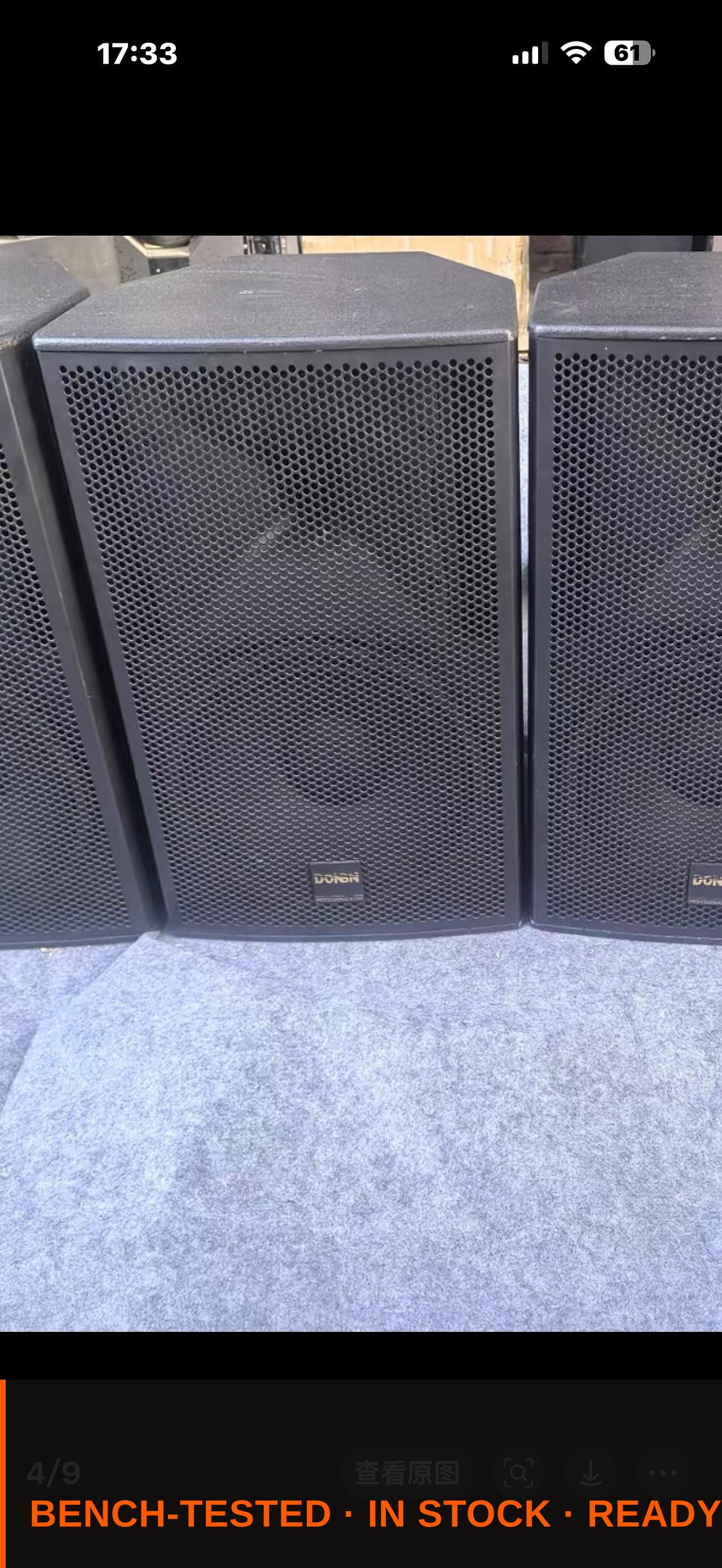
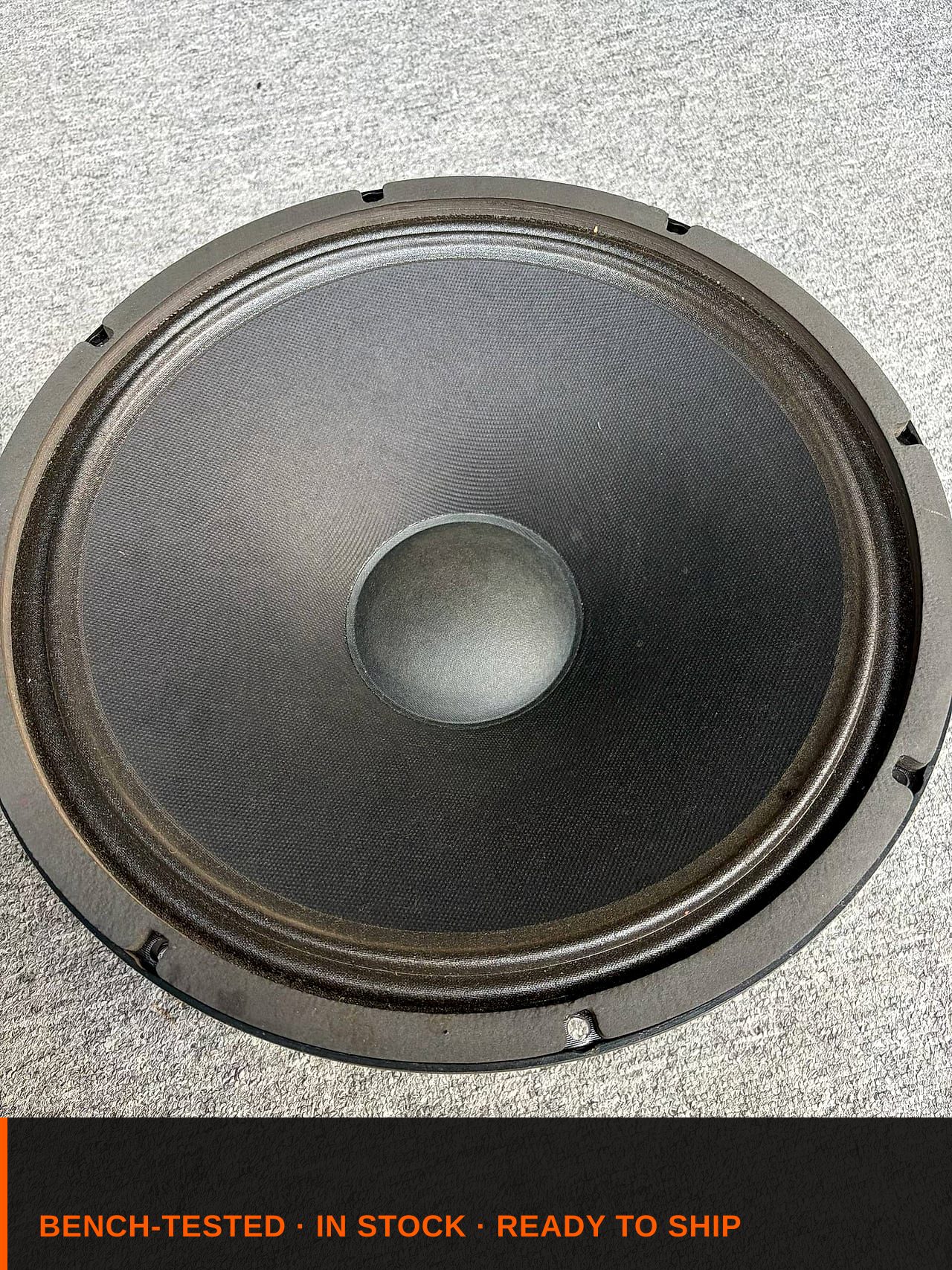
Before accepting any warranty terms, inspect the speakers for signs that void coverage: mismatched drivers, re-coned woofers, non-original horns, cracked baskets, or evidence of overdriving (burn marks on voice coils, distorted spider glue). Check serial numbers against the seller’s listing and ask for a close-up photo of the crossover board and input panel. Confirm whether the warranty covers shipping costs both ways—many “free” warranties become expensive when you must return a 40 kg cabinet. Also verify that the warranty is transferable if you resell the gear, and get the terms in writing (email or invoice) rather than a verbal promise.
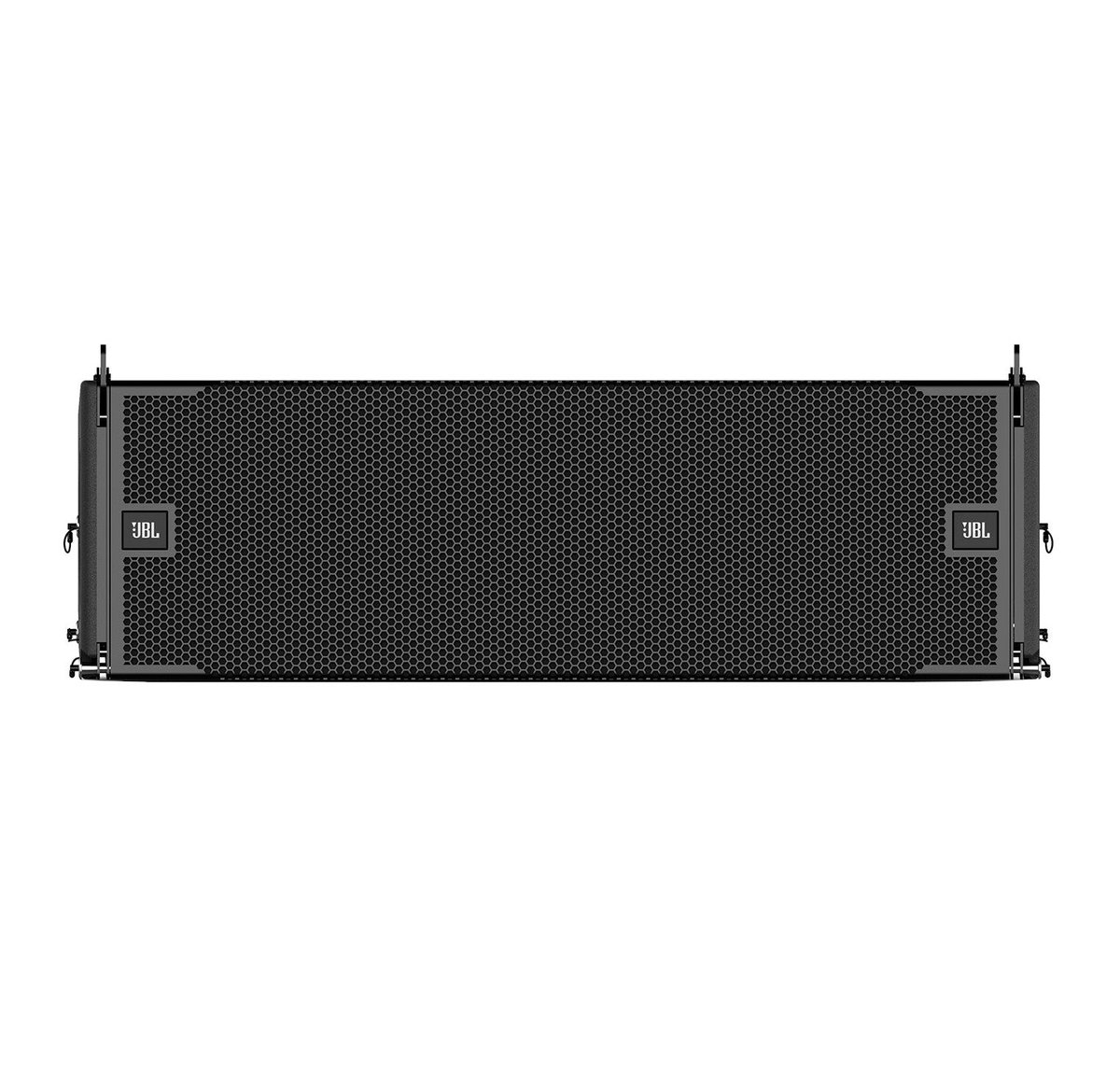
Your next step: request the seller’s written warranty policy before payment, and compare at least two listings with different coverage tiers. If the seller offers only a 14-day guarantee on a used line array element, factor that risk into your offer price. For high-value inventory, ask whether the marketplace provides an escrow or dispute resolution process. Finally, test every speaker at arrival within the warranty window—play pink noise at moderate level and check each driver individually. Document any issue immediately with photos and a video, and open a claim before the coverage expires. A clear warranty is not a substitute for inspection, but it is your safety net in B2B used gear.