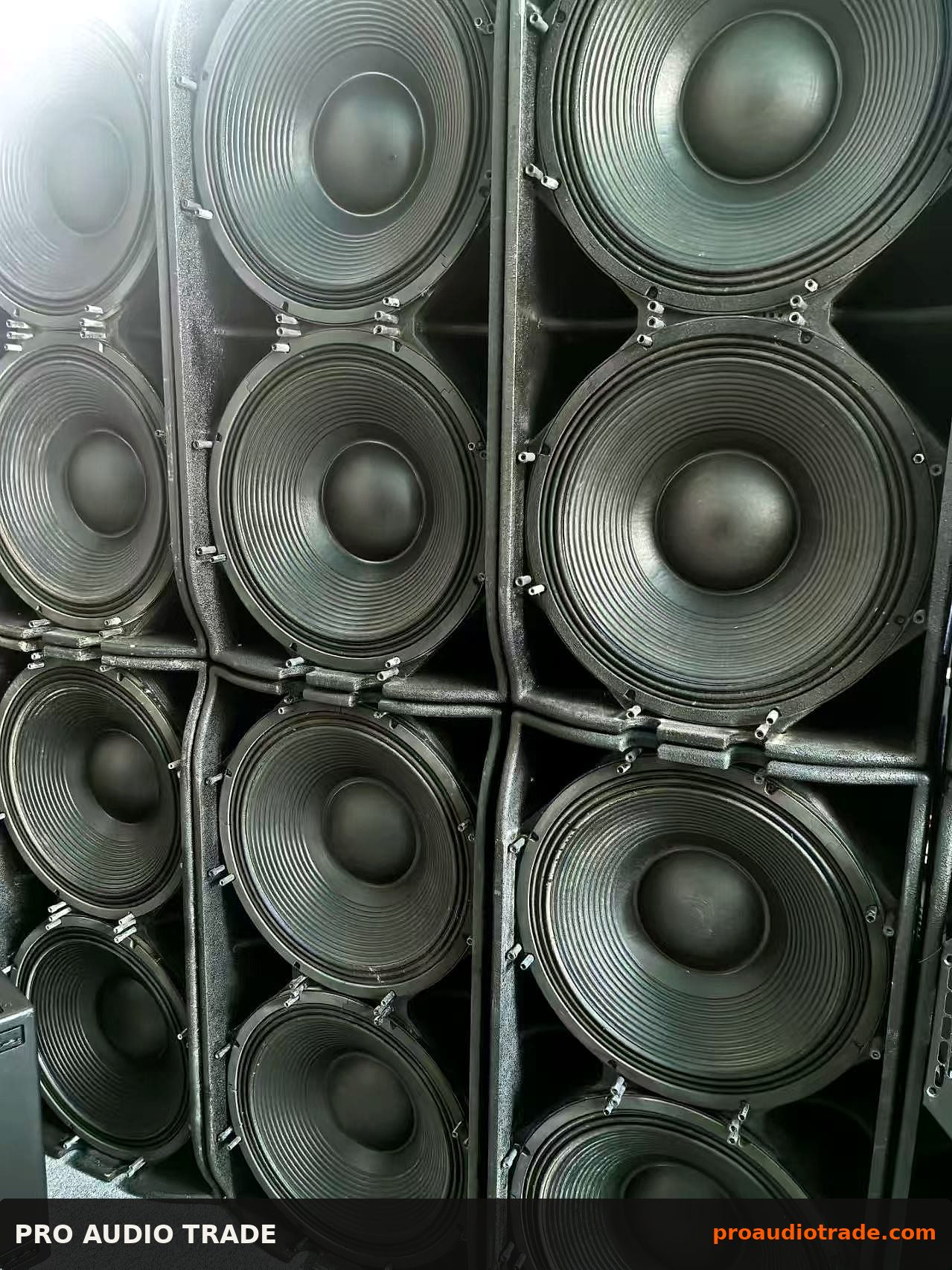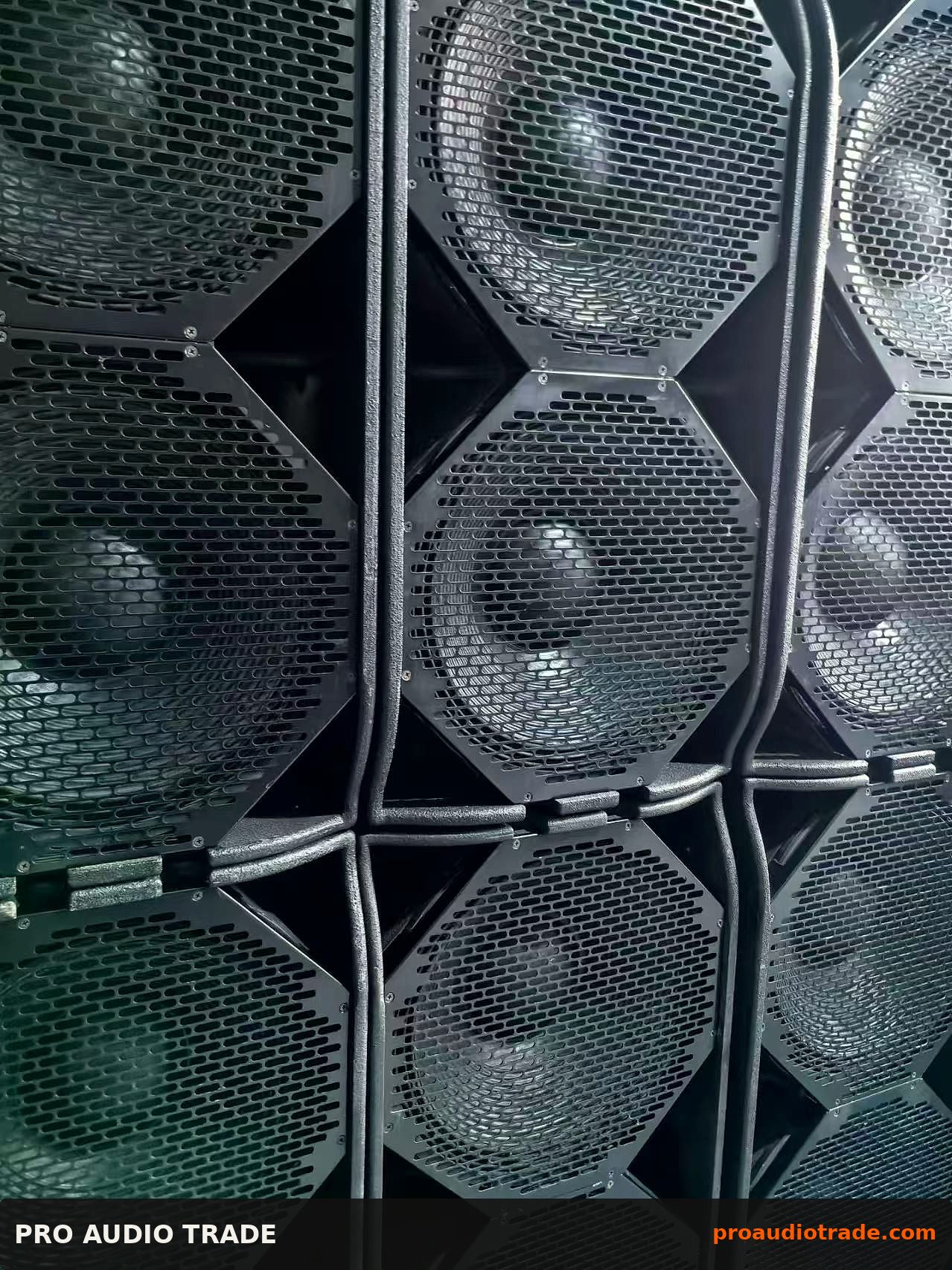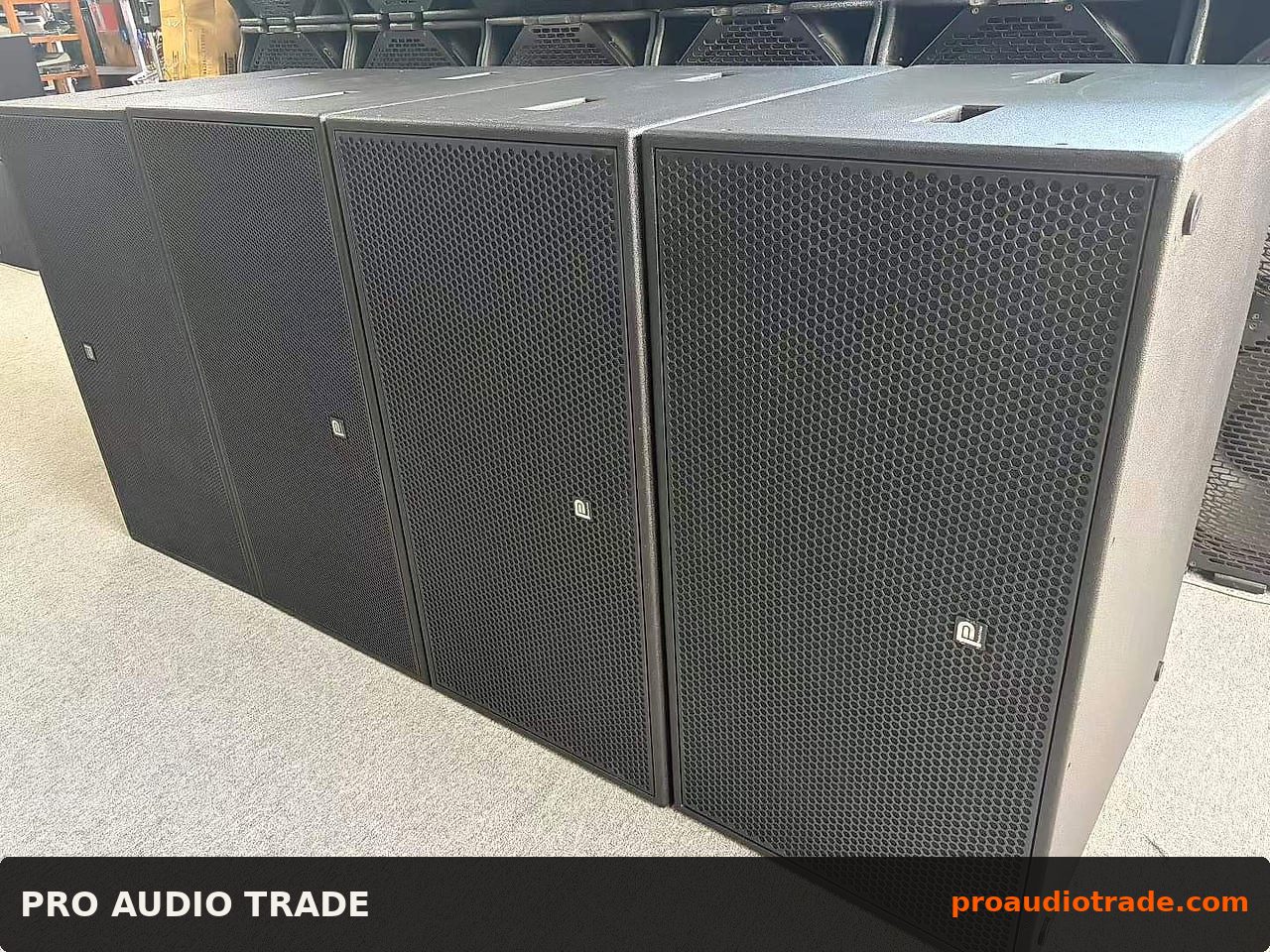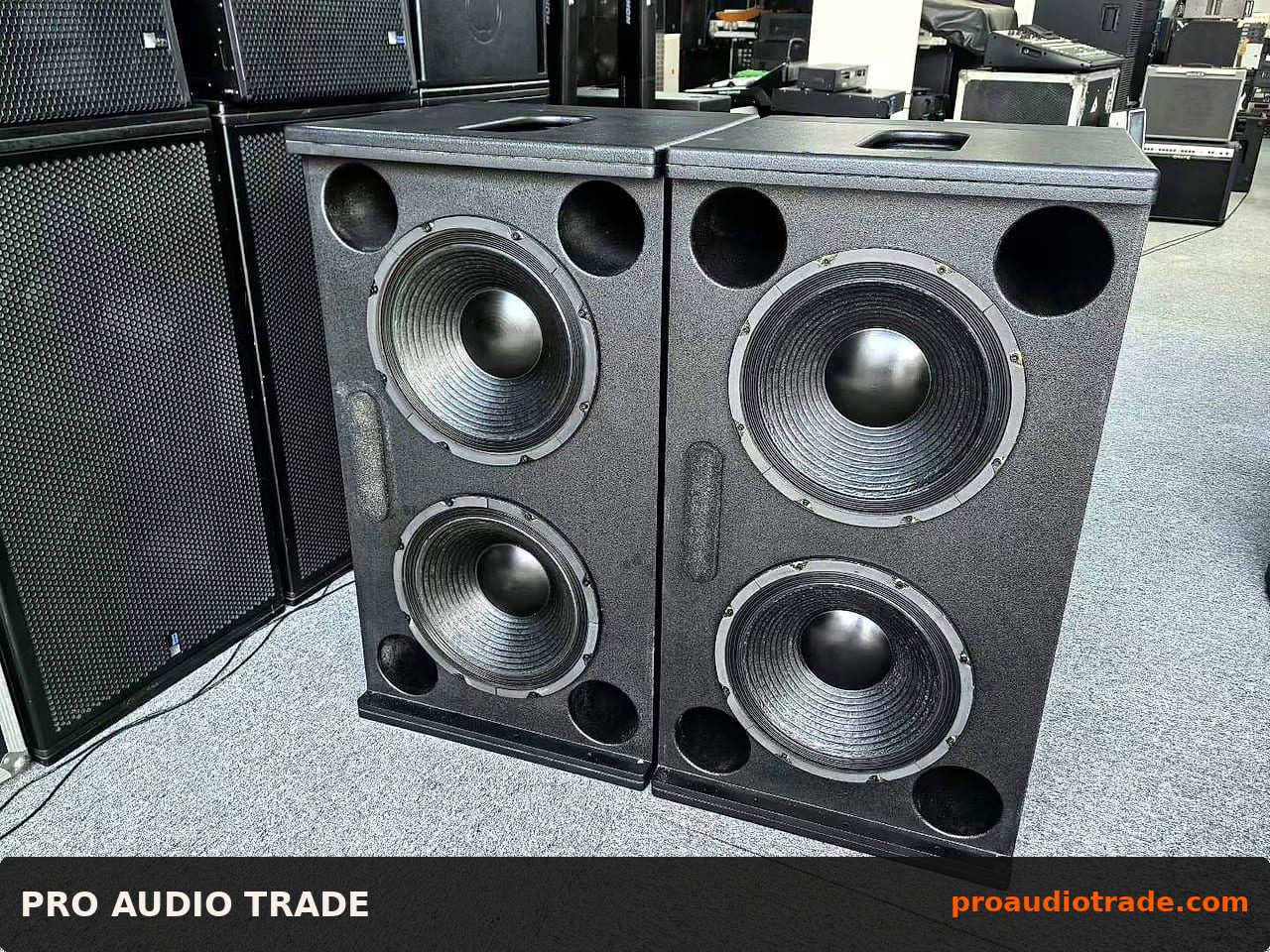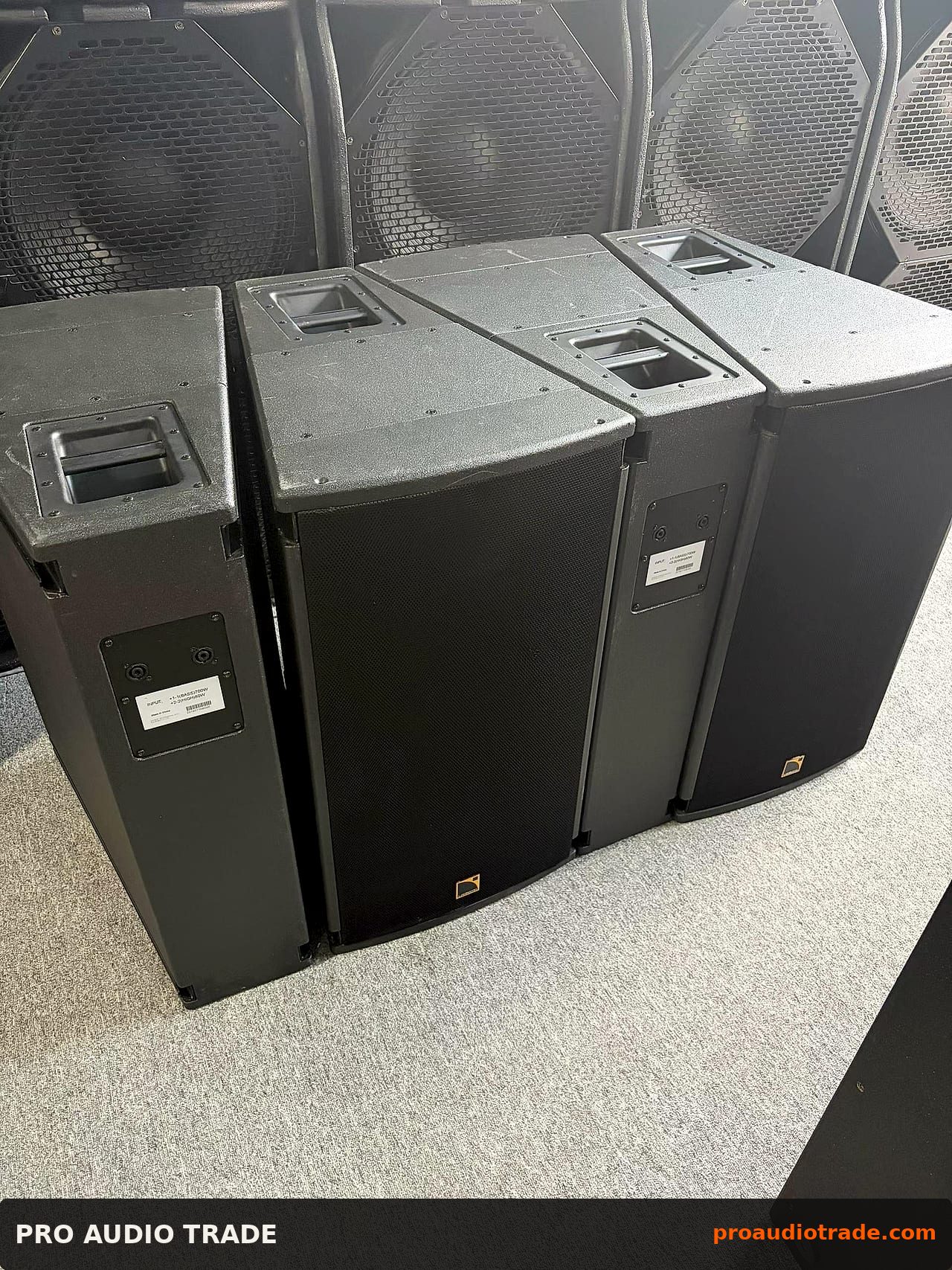
When a used Unidentified Unit-60947 appears on the wholesale market, it rarely stays listed for long. This is a workhorse piece of professional audio gear that has earned a reputation among rental companies, integrators, and venue engineers for rugged reliability and straightforward serviceability. But buying used B2B stock is not the same as picking up a single unit from a local seller. You need to know what you are looking at, what to ask, and how the total cost of ownership stacks up against new or alternative models. This review cuts through the noise and gives you the practical detail you need to make a confident purchasing decision.
Where the Unit-60947 fits in a rental or venue inventory
The Unit-60947 occupies a sweet spot in the signal chain that many rental firms and fixed installations need filled: it is robust enough for touring duty but compact and efficient enough for permanent installs in houses of worship, clubs, and corporate AV racks. In a rental inventory, it pairs well with mid-tier digital consoles and active speaker systems, offering predictable behavior and easy daisy-chaining. For integrators, the unit’s standard mounting and connector layout means it drops into existing racks without custom fabrication. It is not a flagship product, but it is the kind of dependable mid-level asset that keeps utilization rates high and client complaints low. Rental managers we spoke to treat it as a “set and forget” item—one that does not demand constant babysitting during events.
Key specs that matter for integration work
When evaluating a used Unit-60947 for integration, focus on the specs that affect system compatibility and long-term stability. The unit’s input and output impedance, gain structure, and connector types are the first things to verify against your existing infrastructure. Check that the firmware or hardware revision matches the rest of your fleet—mismatched revisions can complicate remote control and monitoring. Power supply tolerance is another critical point: the Unit-60947 is known to be sensitive to voltage fluctuations, so confirm that the internal PSU has been tested under load and that any external power conditioning you plan to use is compatible. Cooling design matters too; in dense rack installations, ensure the unit’s airflow path is unobstructed and that the fan (if present) operates quietly and without bearing noise. Finally, verify the unit’s latency and clocking behavior if it will be part of a digital network—these are not always listed on spec sheets but are essential for tight integration.
Used-buying checklist: what to inspect and what to ask the seller
A thorough inspection separates a good deal from a costly mistake. Start with the physical condition: look for bent rack ears, stripped screw threads, and evidence of liquid damage around vents. On the front panel, check that all buttons, encoders, and displays respond consistently—no sticky keys or dim segments. On the rear, inspect every connector for corrosion or loose solder joints, especially XLR and TRS jacks that see frequent plugging. Power the unit up and let it run for at least 30 minutes under a realistic load; listen for transformer hum, fan rattle, or relay clicking that does not correspond to normal operation. Ask the seller for the unit’s service history, any recent firmware updates, and whether it has been tested with a signal generator and oscilloscope. Request photos of the internal boards if possible—capacitor bulging or burn marks on the PCB are red flags. Also confirm the serial number and check it against any known recall or revision notices. A reputable B2B seller will provide a test report and a short warranty; if they hesitate, walk away.
Price context and total cost of ownership
Used Unit-60947 pricing varies widely based on condition grade, accessories, and region. Expect to pay somewhere between 40% and 60% of the new street price for a unit in good working condition with a clean cosmetic grade. “As-is” units can be cheaper but often hide repair costs that erase the savings. Factor in the cost of a professional bench test, replacement of consumables (fans, knobs, connector nuts), and any firmware alignment needed for your fleet. Freight and customs duties also add to the landed cost, especially for buyers in the Middle East, South America, and Africa. When you compare against new, remember that the Unit-60947’s design is proven and parts are still available, so a refurbished used unit can deliver another 5–7 years of service with minimal intervention. For rental firms, the payback period on a used unit is typically 12–18 months at average utilization rates, making it a financially sound addition to the inventory.
How a B2B order works: grade, freight, and MOQ
Wholesale purchases of used Unit-60947 units usually follow a graded system: Grade A (near-mint, fully tested), Grade B (minor cosmetic wear, fully functional), and Grade C (functional but with visible wear or missing accessories). Always request the grading criteria in writing and ask for individual photos of each unit if buying more than one. MOQ varies by seller—some require a minimum of 5 units, others will sell singles to established accounts. Freight is typically arranged by the buyer or through the seller’s logistics partner; for CIS and Middle East destinations, sea freight is common for larger orders, while air freight suits urgent single-unit purchases. Confirm Incoterms (FOB, CIF, DAP) and insurance coverage before committing. A good B2B marketplace will handle export documentation and provide a commercial invoice that matches the declared value. Payment terms are usually 30% deposit with balance before shipment, though established relationships may qualify for net terms.
Buying a used Unidentified Unit-60947 is a smart move for budget-conscious rental firms and integrators who need reliable performance without the new-gear premium. The key is to buy from a seller who provides test data, clear grading, and transparent logistics. With the right inspection and a realistic view of total cost, this unit will earn its place in your inventory for years to come.