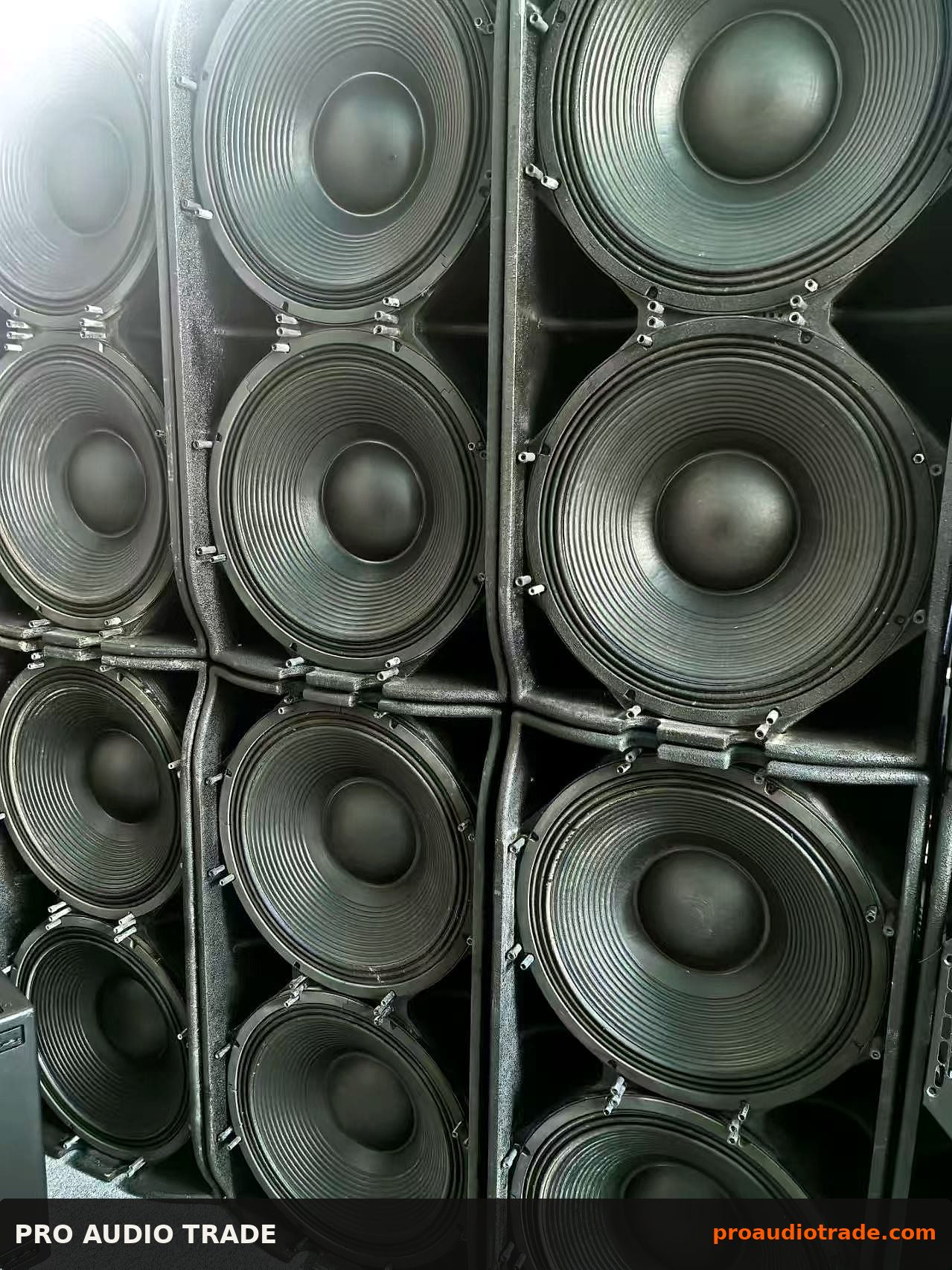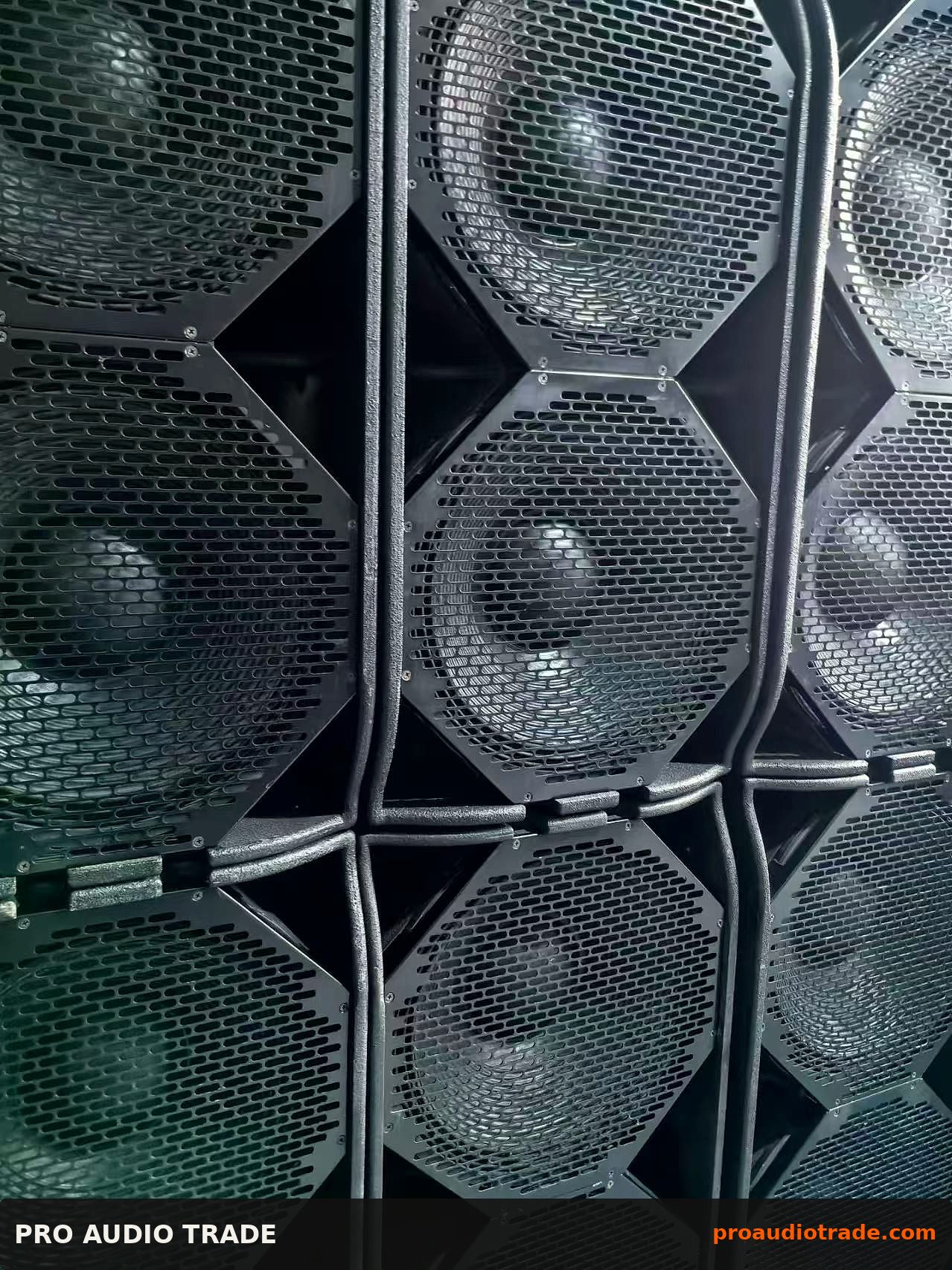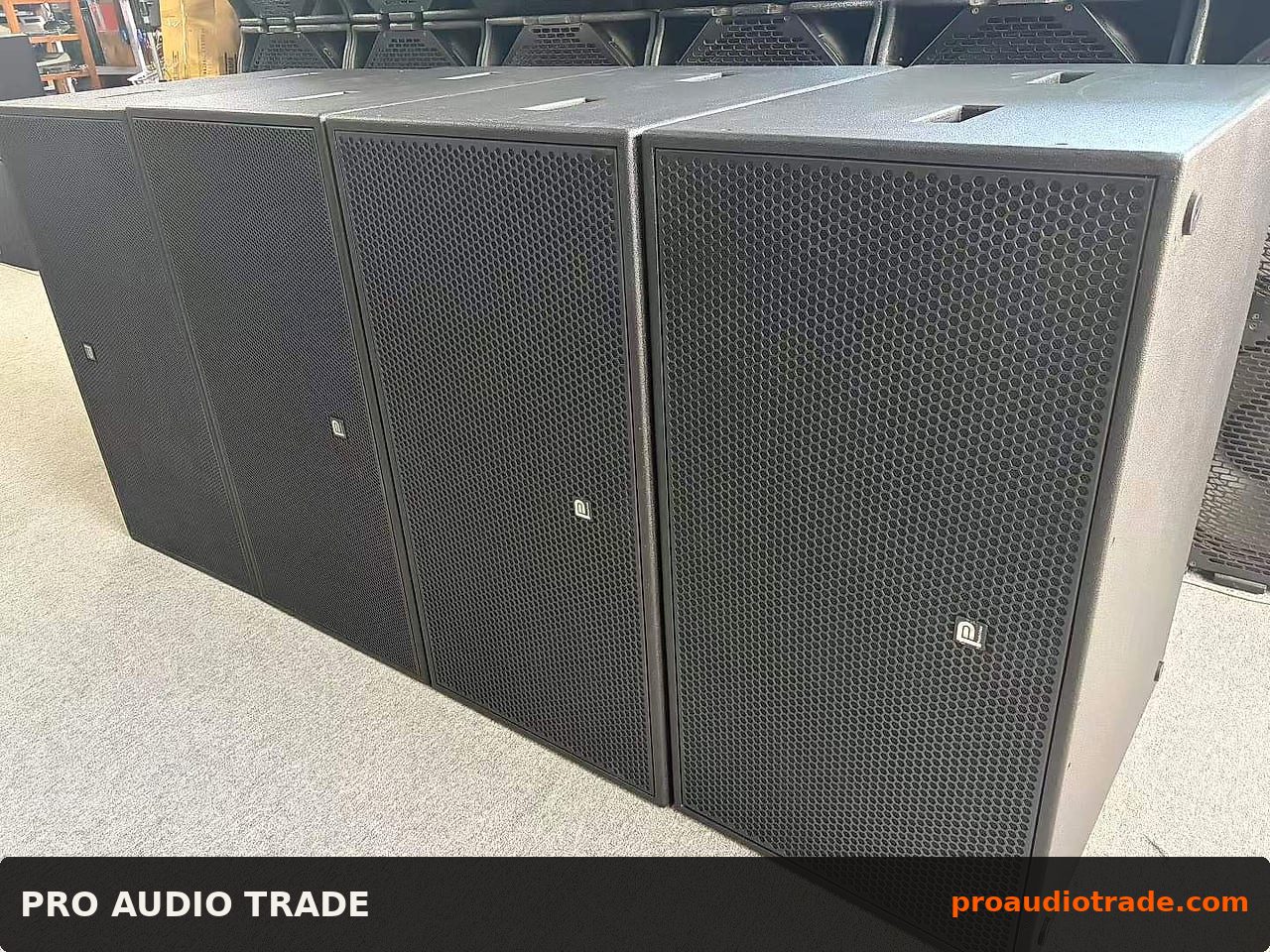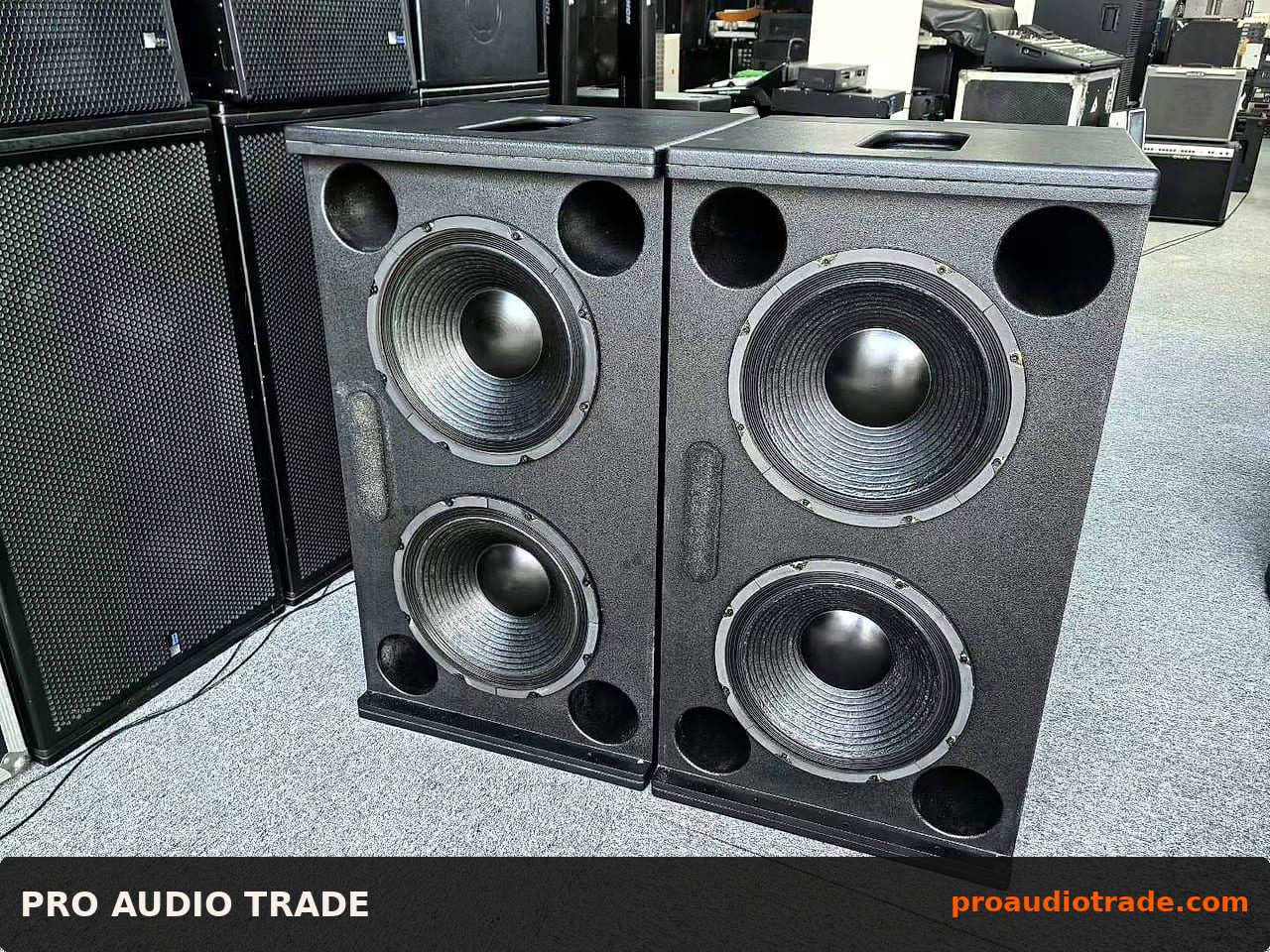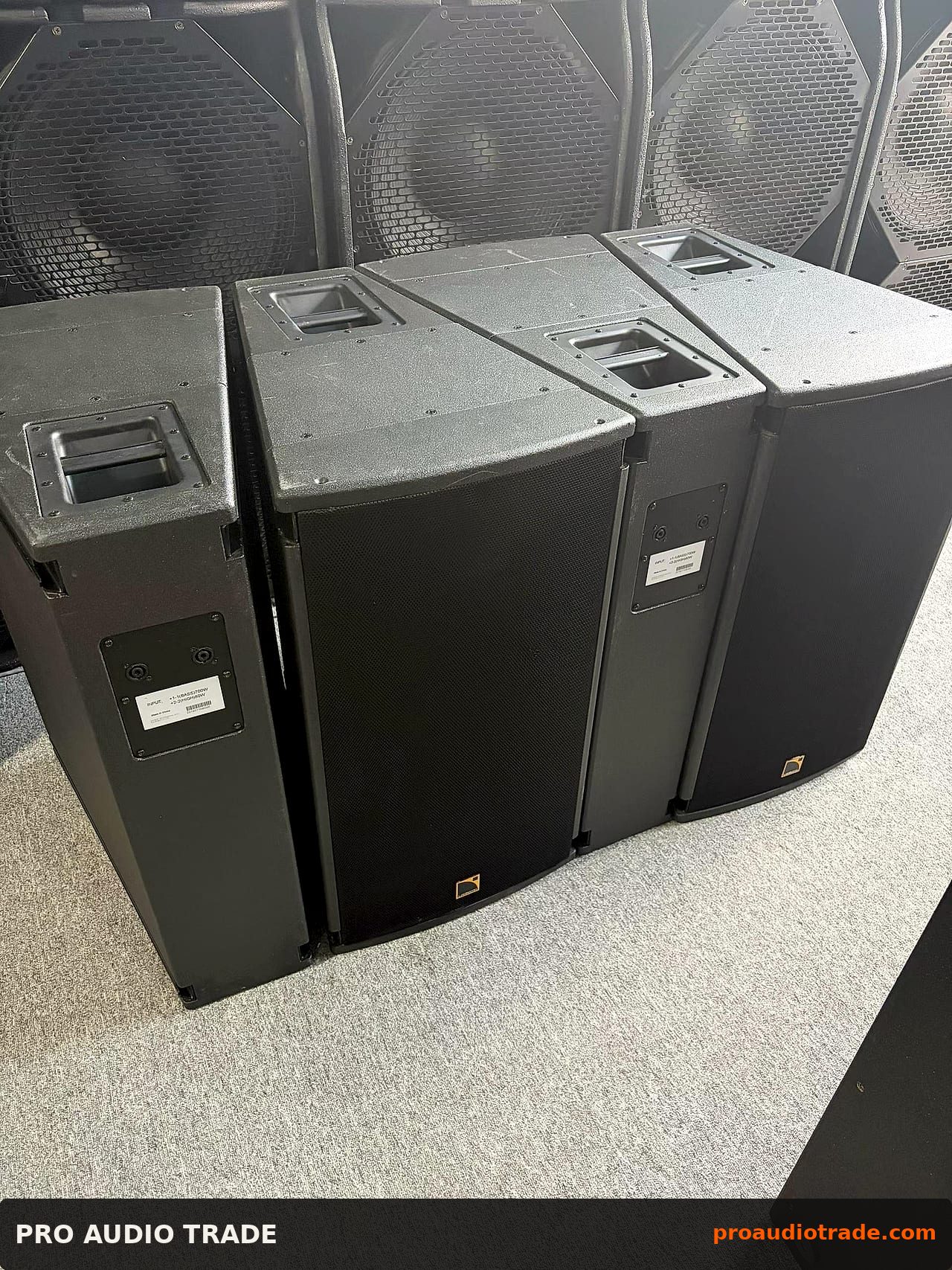
When a used professional audio unit appears in a wholesale listing under a generic identifier like "Unidentified Unit-60947," it usually means the seller has not fully documented the model, or the unit is a custom/batch-coded piece from a rental fleet or integration project. For audio engineers, rental firms, and integrators across the CIS, Middle East, South America, and Africa, these listings can represent genuine value—or a costly gamble. This article breaks down where such a unit fits in a rental or venue inventory, what specs matter, how to inspect used stock, and how pricing and B2B ordering actually work.
Where an unidentified unit fits in rental and venue inventory
Generic-coded used gear typically comes from three sources: decommissioned rental fleets, integration projects where the original model label was removed or replaced, and bulk lots from auction or liquidation. In a rental inventory, these units are best treated as utility stock—monitor wedges, fill speakers, delay rings, or backup amplifiers—rather than as front-of-house flagship equipment. For venue installs, they can serve as zone-fill or lobby/bar-area reinforcement where absolute model consistency is less critical than reliable output and safe mounting.
Integrators in the Middle East and Africa often use such units for cost-sensitive tenders where the client specifies performance criteria rather than a brand. Rental firms in CIS countries value them as expendable inventory for corporate events and touring support, where losing a unit to damage is less painful than losing a branded flagship box. The key is to verify that the unit's actual performance matches the intended role—not the seller's description.
Key specs that matter for integration work
When the model is unclear, focus on measurable electrical and acoustic parameters rather than marketing names. Ask for impedance, power handling (AES and peak), sensitivity (1W/1m), frequency response with tolerance bands, and dispersion pattern (horizontal and vertical). For powered units, request amplifier class, rated output per channel, DSP presets available, and whether the DSP is locked or user-editable. For networked audio, confirm protocol (Dante, AES67, AVB, or analog-only) and firmware version.
Mechanical specs matter just as much: rigging points and their load ratings, cabinet material and finish, connector types (NL4, speakON, XLR, RJ45), and weight. For outdoor or humid venues in the Middle East and South America, check IP rating and corrosion resistance on grilles and hardware. If the unit is a custom batch item, ask for the original spec sheet or a measured test report—reputable wholesale sellers can provide impedance sweeps and frequency response curves from their test bench.
Used-buying checklist: what to inspect and what to ask
Inspect the cabinet for cracks, delamination, and water damage, especially around handles and rigging inserts. Check driver cones for tears, voice coil rub (gentle push test), and surround deterioration. For compression drivers, listen for diaphragm fatigue and check for consistent output across units. On powered boxes, test every input, verify fan operation, and check for DC offset or hum on the output. Look for evidence of re-coning, non-original screws, or mismatched drivers—signs of previous repair.
Ask the seller for: serial numbers and photos of labels, test-bench results (impedance, frequency response, THD at rated power), hours of use if available, history of repairs, and whether the unit was used indoors or on tour. Request a short video of the unit playing at moderate level. For B2B orders, confirm the grading scale used (A/B/C or tested/untested) and whether returns are accepted for dead-on-arrival units. Sellers who cannot provide test data or clear photos should be treated with caution.
Price context and total cost of ownership
Pricing for unidentified or generically coded used units is typically 30–60% below equivalent branded stock, but the spread depends on condition, completeness, and test documentation. A tested unit with a clean impedance sweep and original accessories commands a premium; an untested unit sold as-is should be priced for parts value. Factor in the cost of replacement drivers (often 15–30% of unit price), rigging hardware, and any DSP reprogramming.
Total cost of ownership includes freight, customs, and potential recertification. For buyers in South America and Africa, sea freight and import duties can add 20–40% to landed cost, so consolidate orders where possible. Rental firms should also budget for spare parts and a test cycle before the unit enters inventory. When the price gap is small, branded tested stock with documentation is usually the better long-term buy; when the gap is large and the unit is for utility duty, a tested generic unit can make strong economic sense.
How a B2B order works: grade, freight, MOQ
Wholesale orders for used audio gear typically follow a grading system: Grade A (fully tested, cosmetic wear only), Grade B (tested with minor functional issues noted), and Grade C or as-is (untested, sold for parts or repair). Confirm the grade in writing and request the test report before payment. MOQs vary—some sellers require a minimum of 5–10 units per order, while others allow mixed pallets. For unidentified units, ask whether they can be bundled with branded stock to meet MOQ.
Freight is usually arranged by the buyer or through the seller's forwarder. For CIS destinations, road freight via Turkey or the Baltics is common; for the Middle East, sea freight to Jebel Ali or Dammam; for South America and Africa, consolidation through major ports is standard. Confirm Incoterms (FOB, CIF, or DAP), packing standards (foam, pallet, shrink wrap), and insurance. Always request photos of the packed pallet before shipment and verify that serial numbers match the invoice.
Generic-coded used audio units can be a smart buy for rental fleets and cost-sensitive installs, provided you verify performance with real test data and price in the total landed cost. Treat the listing as a starting point for due diligence, not a finished description—and insist on documented testing before you commit budget.