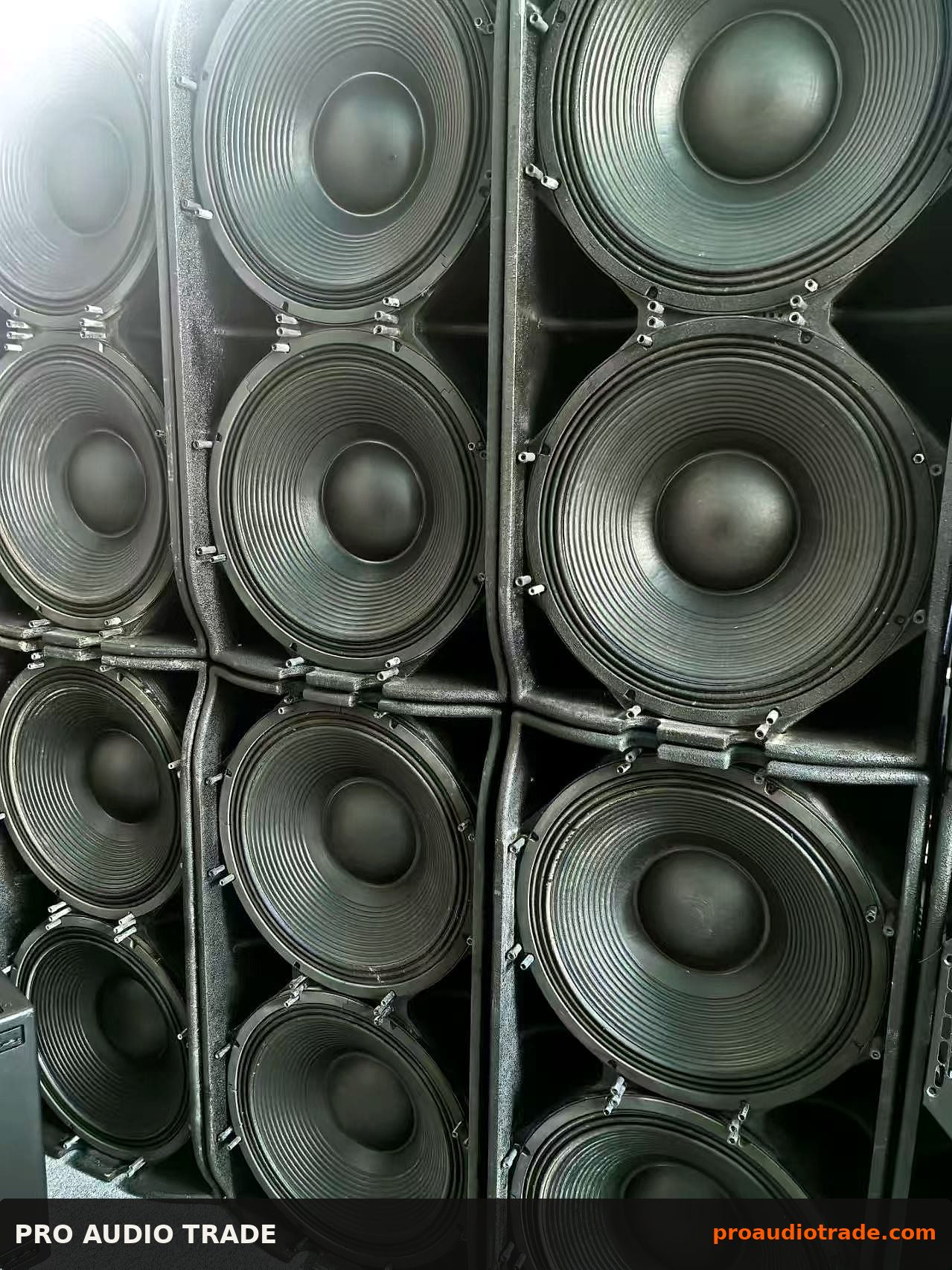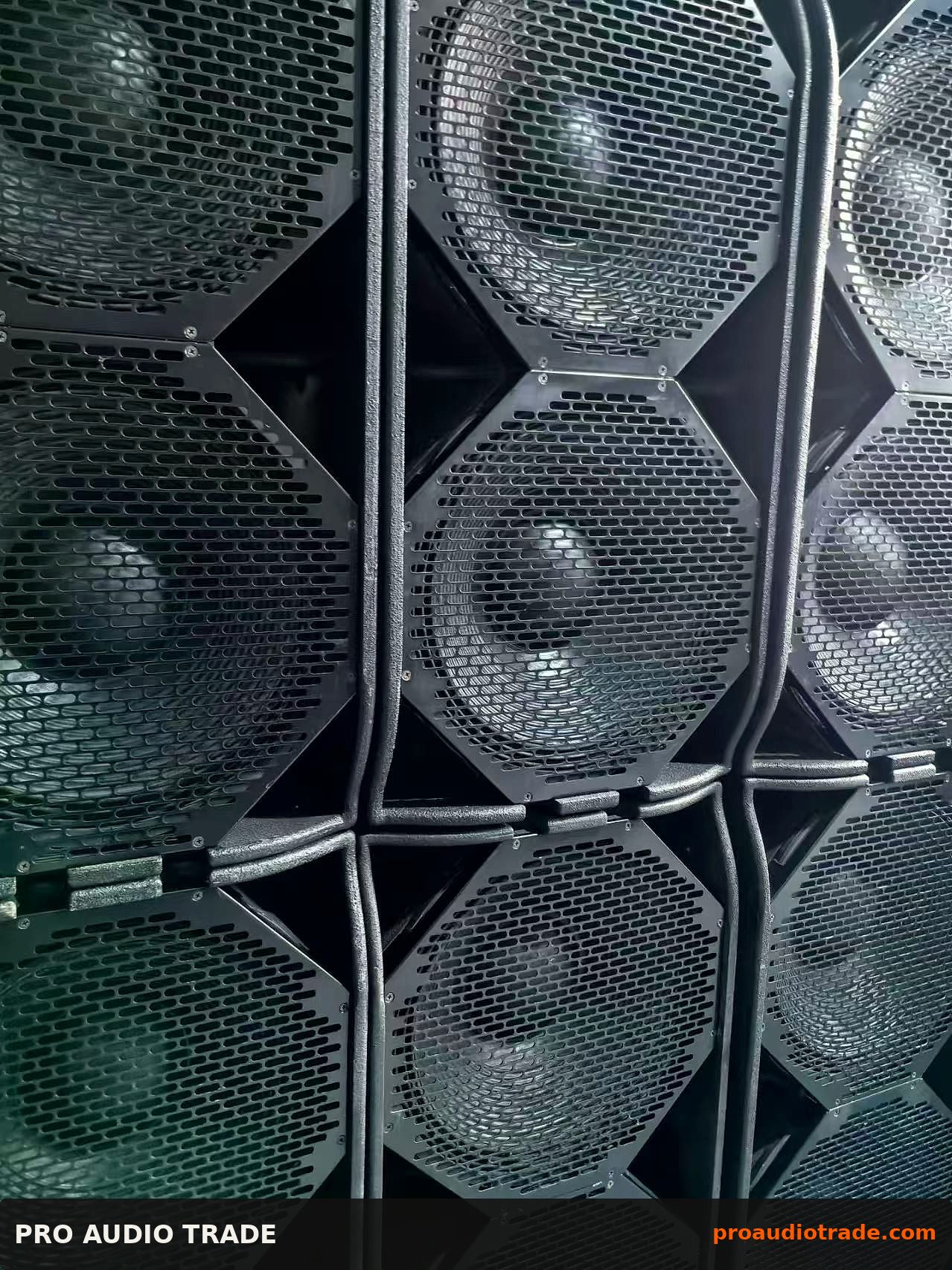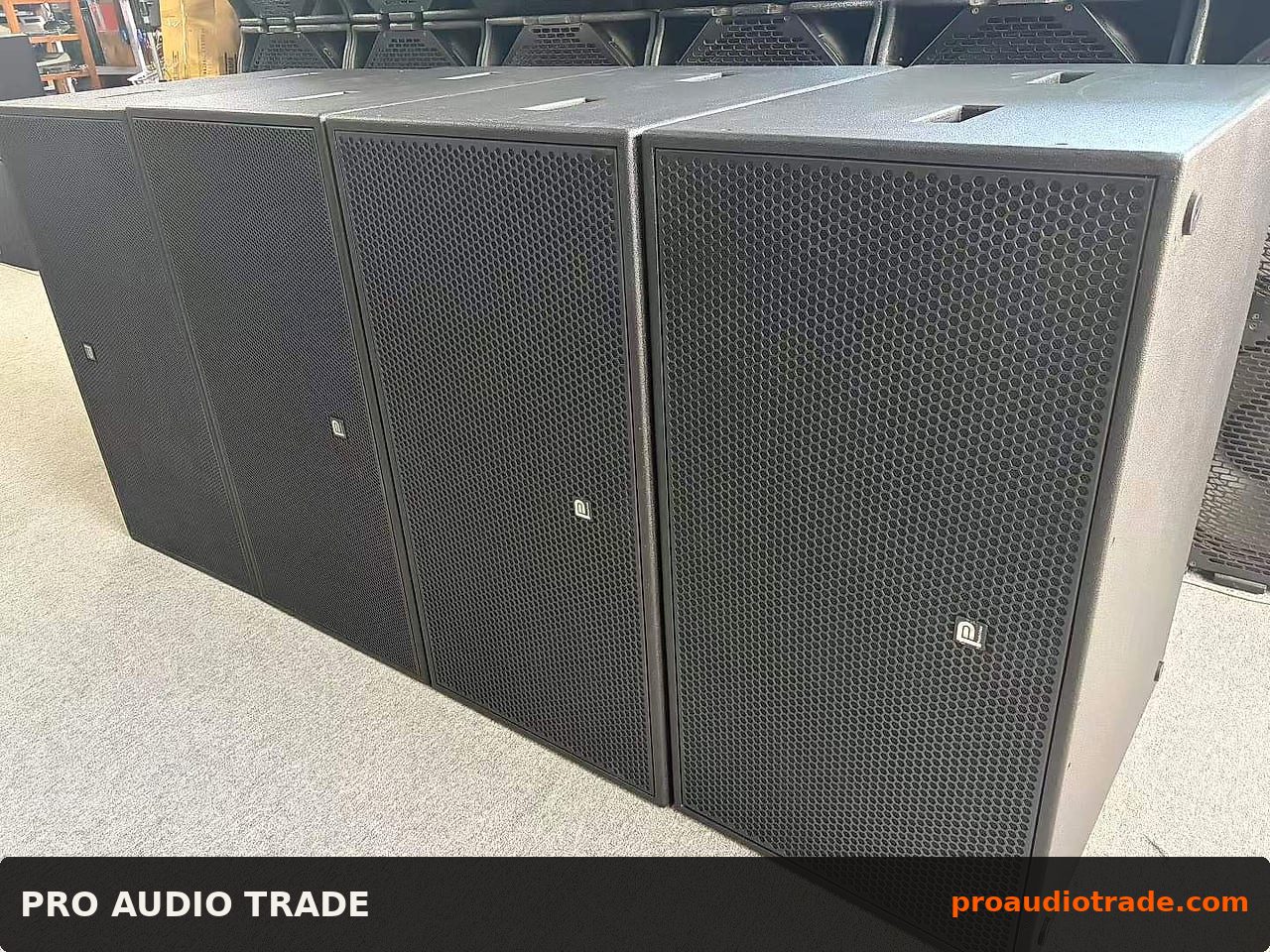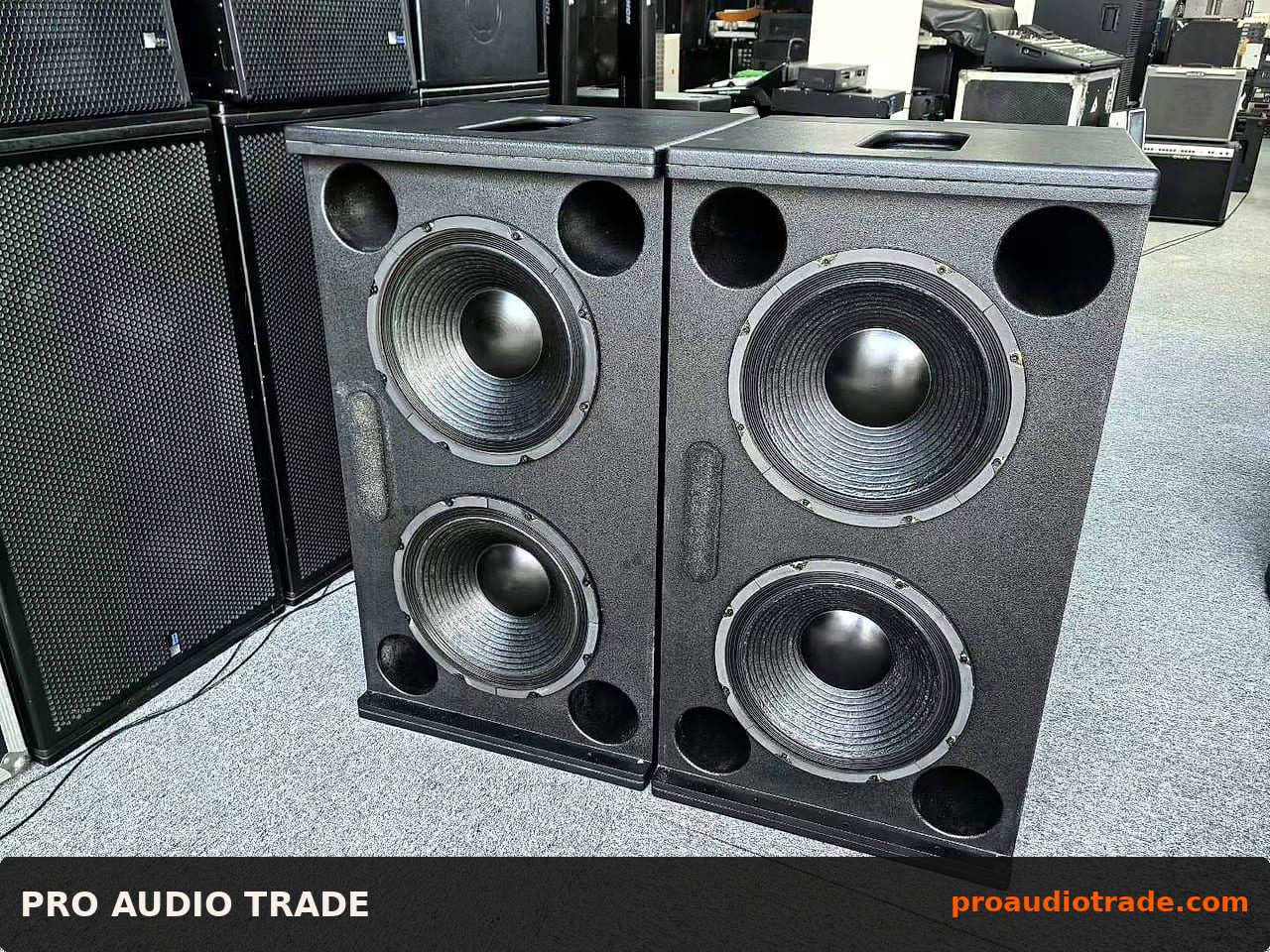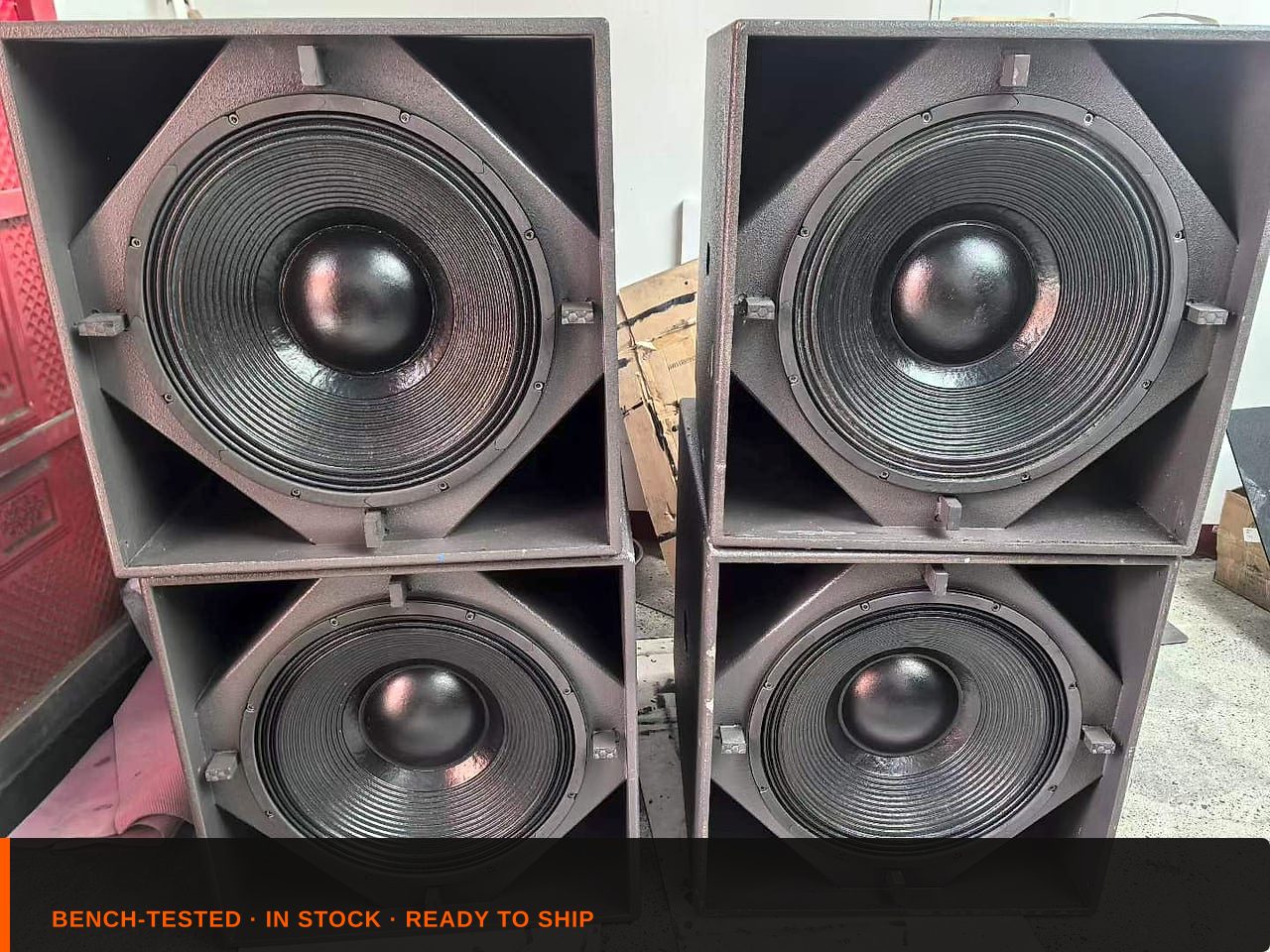
The HH Speakers Unit-17080 is a compact, high-output loudspeaker that has become a staple in rental and install inventories across the CIS, Middle East, South America, and Africa. For B2B buyers, the used market offers a way to expand capacity without stretching budgets, but pricing varies widely with condition, test history, and accessory completeness. This guide breaks down what drives the price of a used Unit-17080, what to inspect, and how to structure a purchase that protects your margin.
Where the Unit-17080 fits in rental and venue inventories
The Unit-17080 is typically deployed as a fill or delay speaker in medium-sized venues, houses of worship, and corporate AV setups. Its 80° x 50° coverage pattern and 12-inch woofer with a 1.7-inch compression driver make it suitable for speech reinforcement and light music playback. Rental firms value it for its rugged plywood enclosure and M10 rigging points, which allow quick truss or wall mounting. Integrators often specify it for distributed systems in hotels and conference centers where consistent coverage matters more than raw SPL. In inventory terms, it sits between compact 8-inch boxes and full-range 15-inch mains, making it a versatile utility piece that earns its keep on smaller gigs and as a supplement to larger arrays.
Key specs that matter for integration work
The Unit-17080’s 8-ohm nominal impedance and 400W AES power handling (800W peak) mean it pairs well with most mid-tier amplifiers. Sensitivity is rated at 97 dB, so it delivers useful output from modest amp channels. The 12-inch woofer uses a treated paper cone and a 2.5-inch voice coil, while the compression driver is ferrofluid-cooled for thermal stability. Connectors are dual Speakon NL4, wired in parallel, which simplifies daisy-chaining in rental racks. The enclosure is 15mm birch plywood with a textured black finish, and the steel grille has acoustic foam backing. For installs, the included M10 inserts accept standard eye bolts, and the pole-mount socket fits 35mm stands. These specs are not exotic, but they are proven, and replacement drivers are widely available, which keeps long-term service costs predictable.
Used-buying checklist: what to inspect and what to ask
Start with the drivers. Push gently on the woofer cone to check for voice coil rub or spider sag; a scraping sound means the driver is on its way out. Inspect the surround for cracks or separation from the cone. On the compression driver, remove the horn (four screws) and look for corrosion on the diaphragm or debris in the phase plug. Ask the seller for a sweep test video from 100 Hz to 15 kHz at moderate level, and a pink-noise test at least 10 minutes long to check for thermal issues. Check the cabinet for water damage, especially at the bottom edges, and for stripped rigging points. Test both Speakon connectors for tight fit and continuity. Ask for the unit’s history: was it used in a fixed install or on the road? Rental stock often has more cosmetic wear but may have been serviced regularly. Request photos of the serial label and any service records. Finally, confirm whether the grille, foam, and any mounting hardware are included, as missing parts add cost.
Price context and total cost of ownership
Used Unit-17080 pricing in B2B channels typically ranges from $180 to $320 per unit, depending on grade and region. A-grade units with recent test reports and original accessories command the top of that range; B-grade units with cosmetic scuffs but verified performance sit in the middle; C-grade units needing driver replacement or cabinet repair can be found below $150 but should be priced with repair costs in mind. A replacement woofer costs $60–$90, and a compression driver $40–$70, so a C-grade unit can quickly become a false economy. Factor in freight: a single unit ships at about 18 kg, and palletizing 8–12 units reduces per-unit freight by 30–40%. For rental firms, the total cost of ownership also includes re-grilling, repainting, and testing time. A tested B-grade unit with a 30-day warranty often delivers the best balance of price and risk. In the Middle East and Africa, import duties and clearance add 10–25%, so sourcing from a regional distributor with stock can be cheaper than importing from Europe.
How a B2B order works: grading, freight, and MOQ
Most wholesale platforms grade used gear as A (fully tested, minor cosmetic wear), B (fully functional, visible wear), or C (functional but needs service). Always ask for the grading standard in writing and a test report. MOQs vary: some sellers require 4–6 units per order, while others allow mixed pallets. For freight, request a quote for both air and sea; sea freight is cost-effective for orders over 100 kg but adds 4–6 weeks. Confirm Incoterms (FOB, CIF, or DAP) and who handles customs. Ask about packaging: original cartons are best, but double-boxing with foam inserts is acceptable. Payment terms are typically 30% deposit, 70% before shipment, though established buyers may negotiate net 30. Finally, clarify the warranty: 30 days is standard for tested used gear, and returns should be authorized in writing before shipping back.
A used HH Speakers Unit-17080 can be a smart addition to your inventory if you buy on test data, not cosmetics. Focus on driver health, connector integrity, and cabinet condition, and insist on a recent sweep test. Price the unit against its total cost of ownership, including freight and potential repairs, and choose a grade that matches your deployment risk. With a clear grading standard and a written warranty, the used market offers reliable capacity at a fraction of new cost.