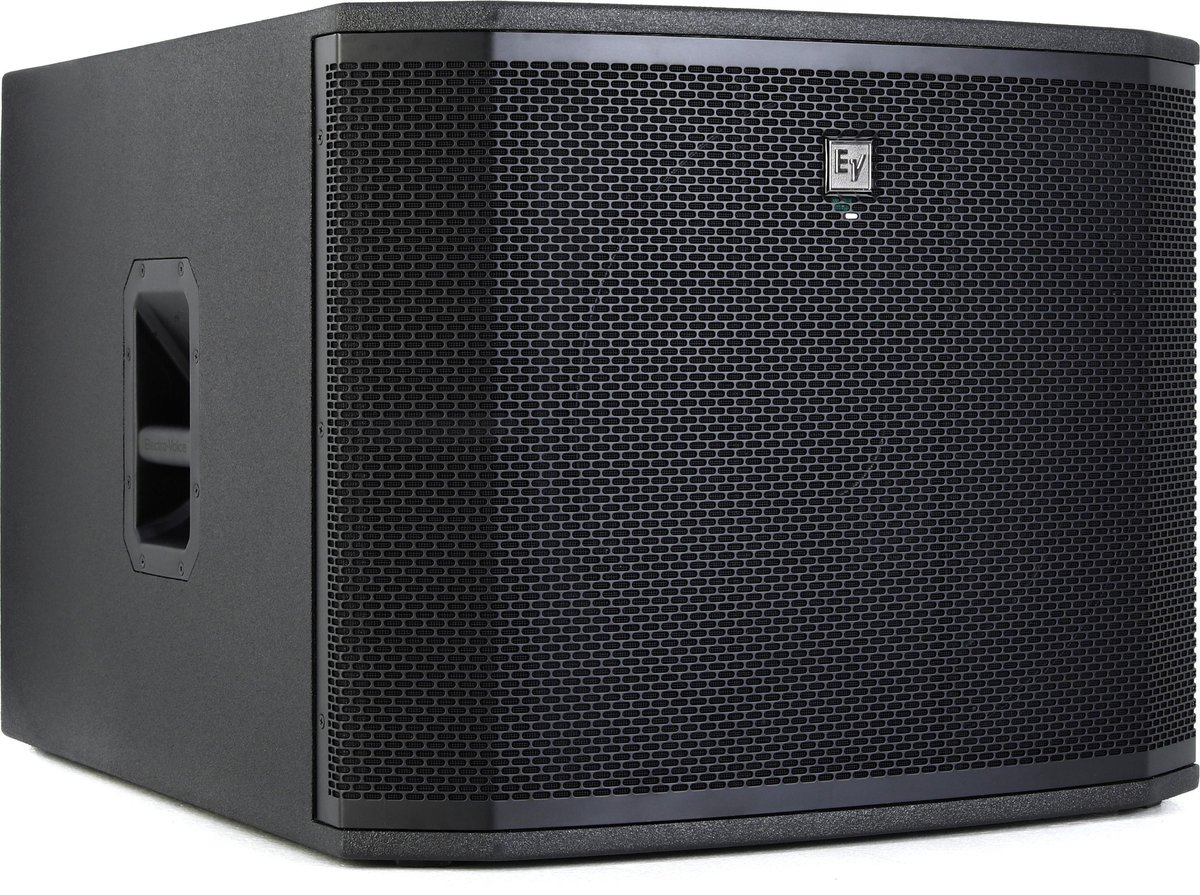
The Electro-Voice ETX-18SP is a popular 18-inch powered subwoofer in the pro audio world, known for its robust build and high output. For rental companies, integrators, and audio engineers sourcing used gear, it often competes with alternatives from JBL, QSC, RCF, and Yamaha. This guide compares the ETX-18SP with its main rivals, focusing on real-world performance, integration, and the used-buying process to help you make an informed decision.
Where the ETX-18SP fits in a rental or venue inventory
The ETX-18SP is a workhorse subwoofer designed for medium to large venues, live sound reinforcement, and rental fleets. Its 1800W Class-D amplifier and 18-inch woofer deliver strong low-frequency output, making it suitable for bands, DJs, and corporate events. In a rental inventory, it pairs well with ETX tops or other full-range speakers, offering scalability for different event sizes. Compared to alternatives like the JBL SRX818SP or QSC KW181, the ETX-18SP is often praised for its durability and consistent performance, though it may be slightly heavier. For integrators, it integrates seamlessly with EV's DSP presets and offers flexible input options. In venues, it provides reliable low-end for music playback and live performances, but its size and weight mean it's best suited for fixed installations or events with easy load-in.
Key specs that matter for integration work
When integrating subwoofers, key specs include power handling, frequency response, maximum SPL, and connectivity. The ETX-18SP offers 1800W peak power, a frequency range of 28 Hz–150 Hz, and a maximum SPL of 135 dB. It features XLR and 1/4-inch inputs, plus a built-in crossover and DSP with presets. Alternatives like the JBL SRX818SP provide similar power (1500W) but with a slightly lower frequency extension (29 Hz) and advanced DSP via JBL's Performance Manager software. The QSC KW181 (1000W) is lighter but less powerful. For integration, consider the ETX-18SP's cardioid mode (when paired) and its compatibility with EV's IRIS-Net for remote control. Rental firms value the ETX's rugged enclosure and M20 threaded pole mount, while integrators appreciate the lockable powerCON connectors. Always check that the unit's firmware is up to date and that DSP presets match your tops.
Used-buying checklist: what to inspect and what to ask
When buying a used ETX-18SP, inspect the cabinet for physical damage, especially corners and grille. Check the woofer cone for tears or fatigue, and test the amplifier by powering it on and listening for abnormal noise. Ask the seller for the unit's history: hours of use, any repairs, and whether it was used in fixed install or touring. Request photos of the serial number and back panel to verify authenticity. Test all inputs and outputs, including the DSP presets. Common failure points include the power supply capacitors and the woofer's surround. Ask for a test video showing the subwoofer playing at moderate volume. For alternatives, similar checks apply, but note that JBL and QSC may have different common issues (e.g., QSC's amplifier thermal problems). Always insist on a graded condition report and a return policy.
Price context and total cost of ownership
On the used market, an ETX-18SP typically ranges from $800 to $1,200 depending on condition and age. Alternatives like the JBL SRX818SP might fetch $1,000–$1,400, while the QSC KW181 is often $700–$1,000. Consider total cost of ownership: the ETX-18SP's reliability and parts availability (EV has a strong service network) can reduce long-term costs. However, its weight (approx. 45 kg) may increase shipping and handling expenses. Rental firms should factor in potential downtime and maintenance; the ETX's Class-D amplifier is efficient but repairs can be costly if out of warranty. Integrators should evaluate energy efficiency and integration with existing systems. Budget for a spare unit or a service contract if used heavily. Compared to alternatives, the ETX-18SP offers a balance of performance and durability, but always factor in freight and any needed accessories (covers, casters).
How a B2B order works: grade, freight, MOQ
In B2B wholesale, used gear is typically graded (A, B, C) based on cosmetic and functional condition. Grade A units are near-mint, while Grade C may have significant wear but still function. MOQs vary by seller; some require a minimum of 2–4 units per order. Freight for subwoofers is significant due to weight and size; sea freight is common for international buyers in CIS, Middle East, South America, and Africa, but air freight is faster and costlier. Always request a proforma invoice detailing grade, quantity, and shipping terms (FOB, CIF). Inspect the packaging for international shipments to avoid damage. Ask about warranty and return policies. For used ETX-18SPs, confirm that the seller provides test reports and photos. Many B2B marketplaces offer consolidated shipping to reduce costs. Ensure compliance with local voltage and plug types; the ETX-18SP has a universal power supply but check the plug.
In summary, the Electro-Voice ETX-18SP is a solid choice for rental and installation, offering high output and reliability. When comparing alternatives, weigh specs, common failure points, and total cost. For used purchases, thorough inspection and a reputable B2B seller with clear grading and freight terms are essential to get the best value.