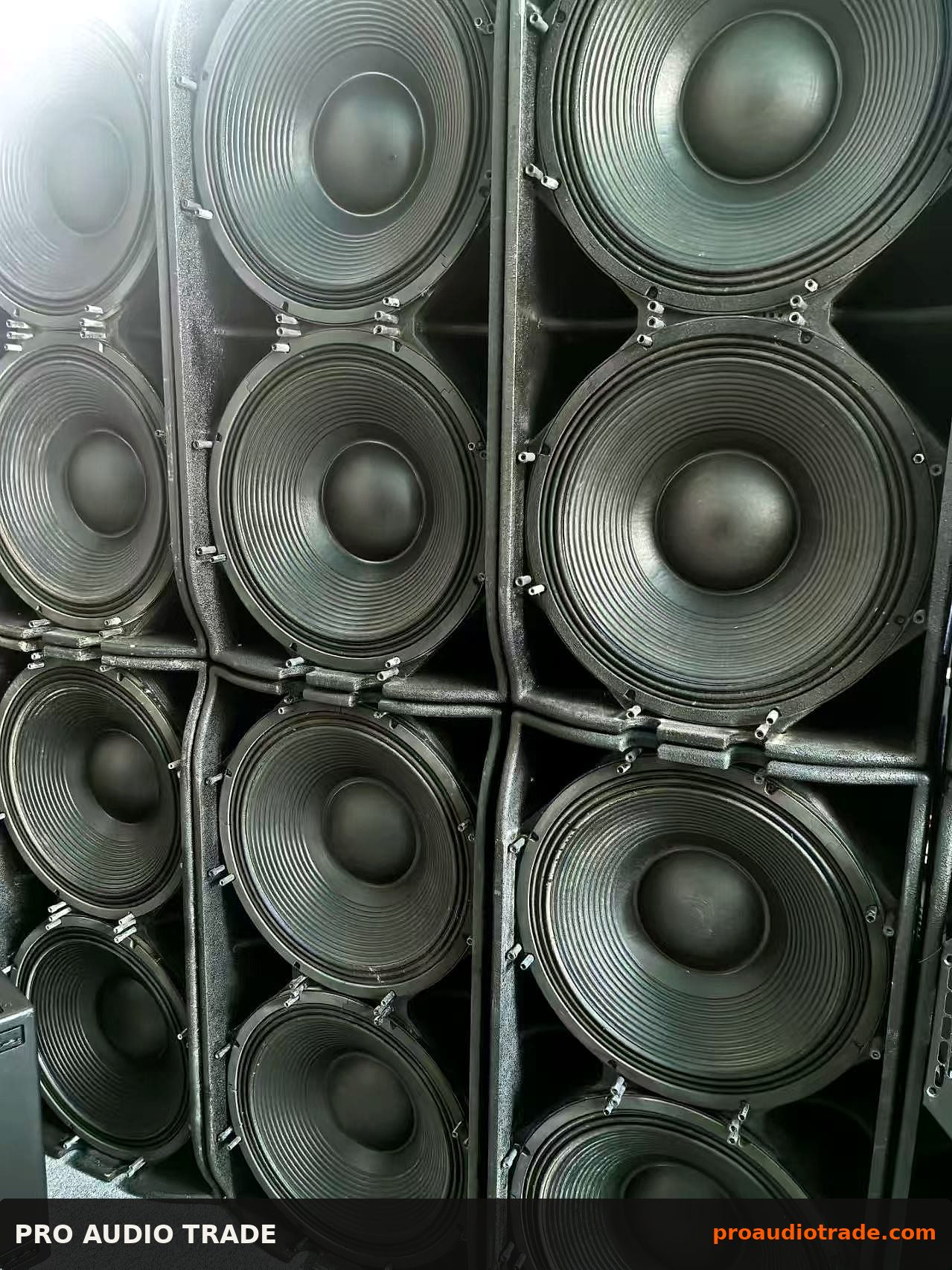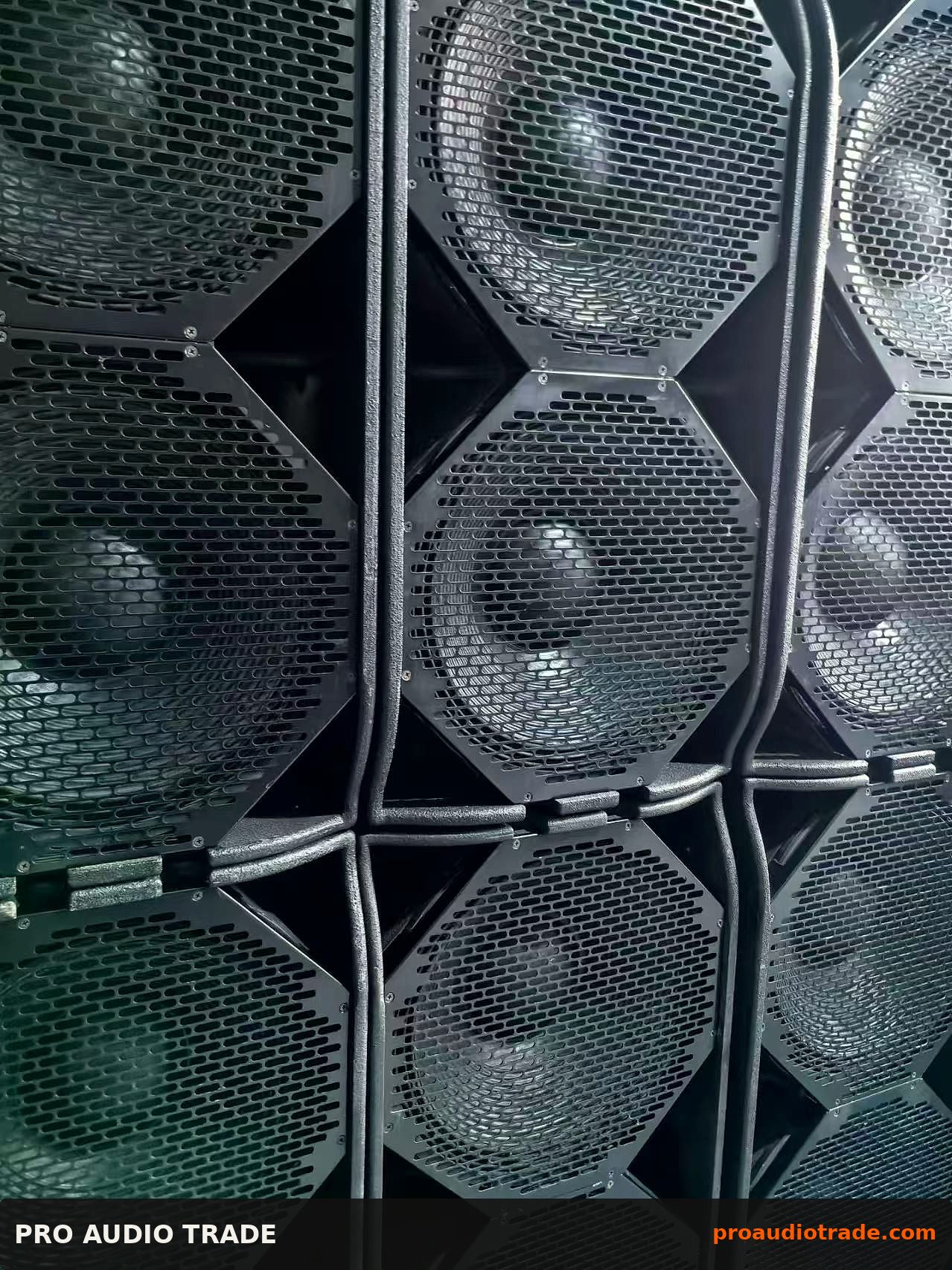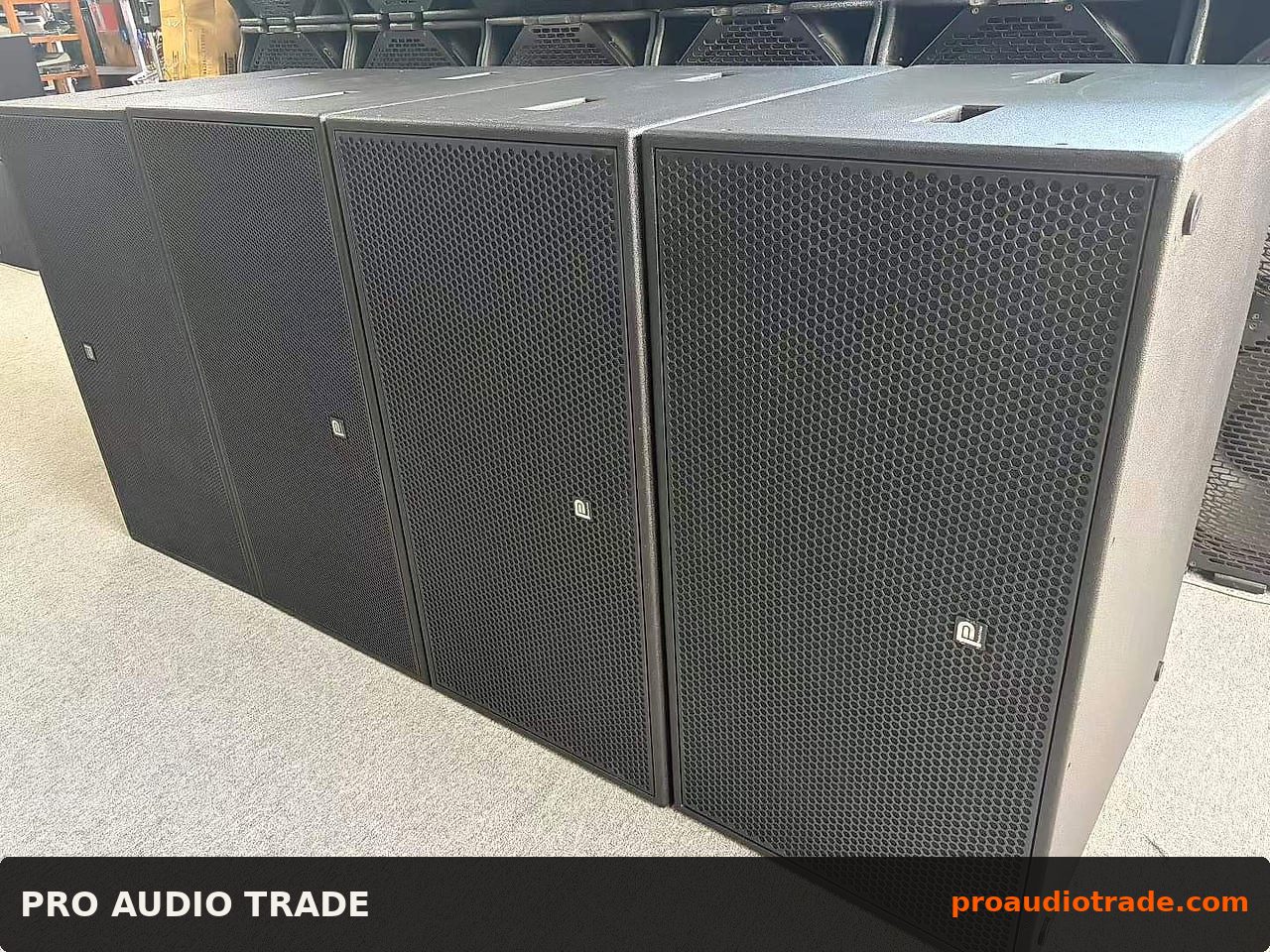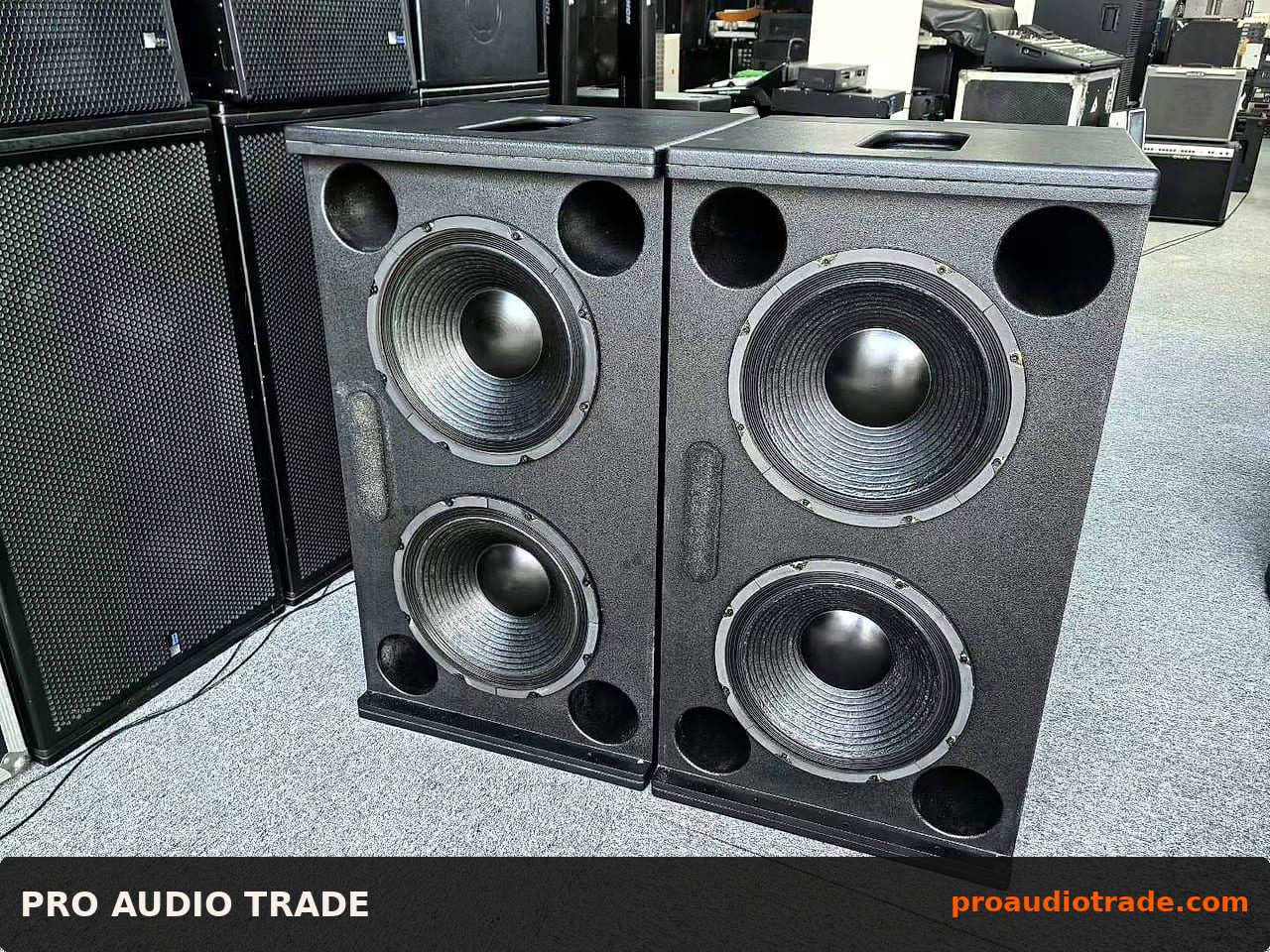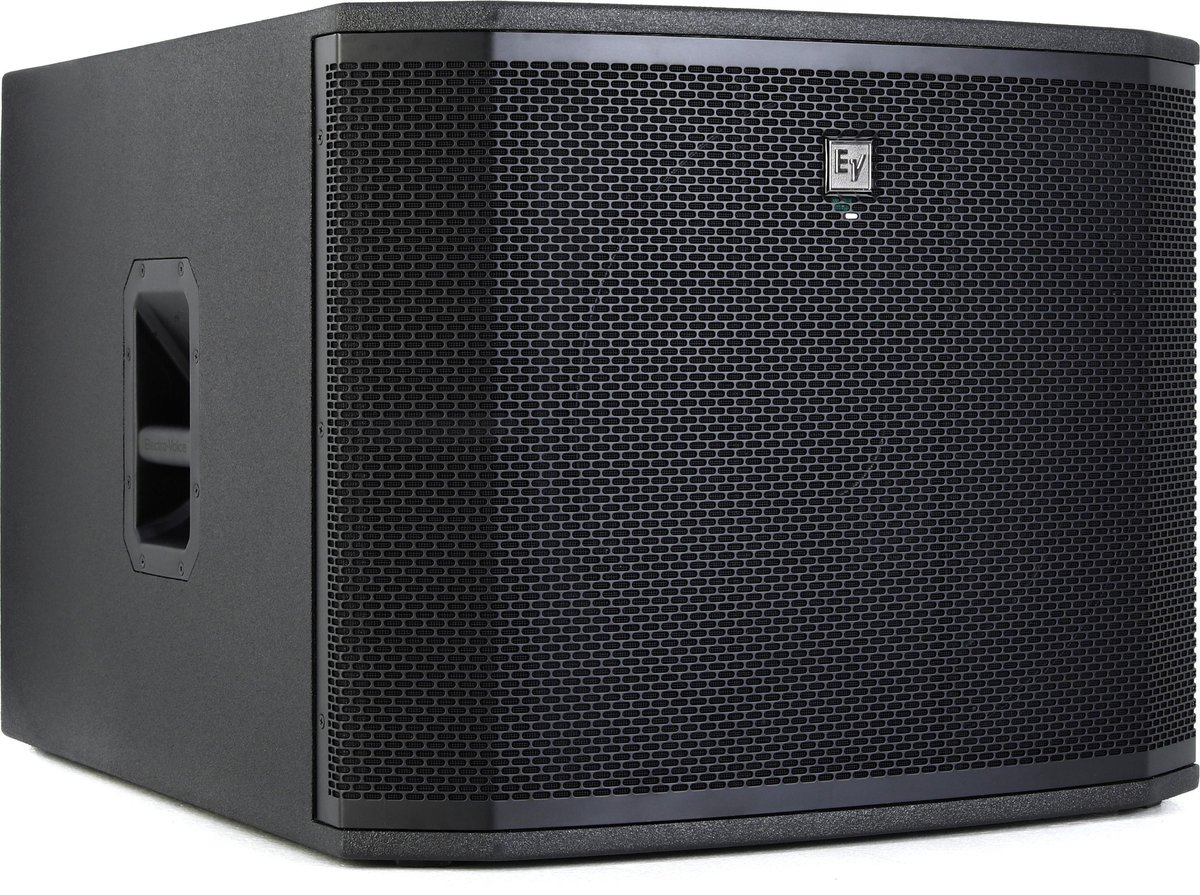
The Electro-Voice ETX-18SP is a powered 18-inch subwoofer that has become a staple in rental inventories and fixed installations where reliable low-end reinforcement is needed without the complexity of separate amps and processors. For B2B buyers sourcing used professional audio gear, this model represents a solid value proposition—provided you know what to inspect, what to ask, and how to navigate the second-hand market. This review covers where the ETX-18SP fits, what specs matter for integration, a used-buying checklist, price context, and how a B2B order typically works.
Where the ETX-18SP fits in a rental or venue inventory
The ETX-18SP is a 1,800W peak Class-D powered subwoofer with an 18-inch woofer, designed for portable and installed applications. In rental fleets, it pairs naturally with ETX-series tops (ETX-12P, ETX-15P) or other full-range boxes, offering a scalable low-end solution for corporate events, small-to-mid clubs, and live music venues. Its integrated DSP with presets for different configurations makes it easy for rental staff to deploy without deep system tuning. For integrators, the ETX-18SP is often specified for houses of worship, gyms, and multipurpose rooms where a self-powered sub simplifies cabling and commissioning. The key advantage in a used context is that the powered design eliminates the need to match separate amplifiers, reducing integration risk and total cost.
Key specs that matter for integration work
When evaluating a used ETX-18SP, focus on the specs that affect real-world deployment. The 18-inch woofer with a 4-inch voice coil is robust, but check for cone fatigue or surround damage. The 1,800W peak amplifier (Class-D) delivers ample headroom, but ensure the power supply and amp module are healthy—these are common failure points in older units. The integrated DSP offers presets (e.g., for cardioid arrays or standard operation), so verify that the presets are accessible and function correctly. Connectivity includes XLR inputs and outputs, plus a powerCON connector; inspect these for wear. The enclosure is plywood with a durable coating, but check for water damage or deep scratches that could indicate rough handling. Weight (approx. 45 kg) and dimensions matter for truck packs and venue load-ins, so confirm they suit your logistics. Finally, check the frequency response (typically 35 Hz–150 Hz) and maximum SPL (around 135 dB) to ensure it meets your low-end requirements.
Used-buying checklist: what to inspect and what to ask
Start with a visual inspection: look for physical damage to the cabinet, grille, and handles. Check the woofer cone for tears, creases, or signs of re-coning; a genuine EV recone kit is preferred over aftermarket. Power up the unit and listen for abnormal noises—rubbing, buzzing, or distortion at moderate levels can indicate voice coil issues. Test the DSP presets and ensure the display and controls respond. Inspect the amp module for signs of overheating (discoloration, burnt smell) and check fan operation if present. Verify all connectors (XLR, powerCON) are tight and free of corrosion. Ask the seller for: service history (any amp module repairs?), usage environment (smoke-free? outdoor events?), and whether the unit has been tested at high SPL for extended periods. Request photos of the serial number and any cosmetic flaws. If possible, get a short video of the subwoofer playing a test tone. For B2B purchases, ask about grading (A, B, C) and whether the unit comes with a warranty or return policy.
Price context and total cost of ownership
Used ETX-18SP units typically range from $700 to $1,200 depending on condition, age, and region. Compared to new (around $1,800–$2,000), the savings are significant, but factor in potential repairs. A common issue is amp module failure, which can cost $300–$500 to replace or repair. If the woofer needs re-coning, budget another $200–$300. Always factor freight: an 18-inch sub is heavy and bulky, so shipping costs can add $150–$400 depending on distance. For B2B buyers, total cost of ownership should include testing, any necessary servicing, and warranty. A tested, graded unit from a reputable seller often justifies a higher price than a cheap untested unit. Also consider that used gear may lack the latest DSP firmware; check if updates are available and easy to apply.
How a B2B order works: grade, freight, MOQ
In the B2B wholesale marketplace, used gear is typically sold in grades: A (excellent, minimal wear), B (good, some cosmetic flaws), C (fair, functional but rough). Always request the grade and what it means for the specific seller. MOQ (minimum order quantity) varies; some sellers require a minimum of 2–4 units, especially for export. Freight is usually arranged by the buyer or through the seller’s logistics partner; for international shipments to CIS, Middle East, South America, or Africa, ensure the seller provides proper export documentation and crating. Ask about lead times and whether the units are tested before shipping. Payment terms may include escrow or letters of credit for larger orders. It’s also wise to request a video call to see the units in operation, especially for bulk purchases.
In summary, the used Electro-Voice ETX-18SP is a smart choice for budget-conscious rental firms and integrators who need reliable powered subwoofers. Focus on testing the amp module and woofer, ask for service history, and factor in freight and potential repairs. A graded, tested unit from a B2B marketplace offers a balance of value and risk mitigation, making it a practical addition to any inventory.