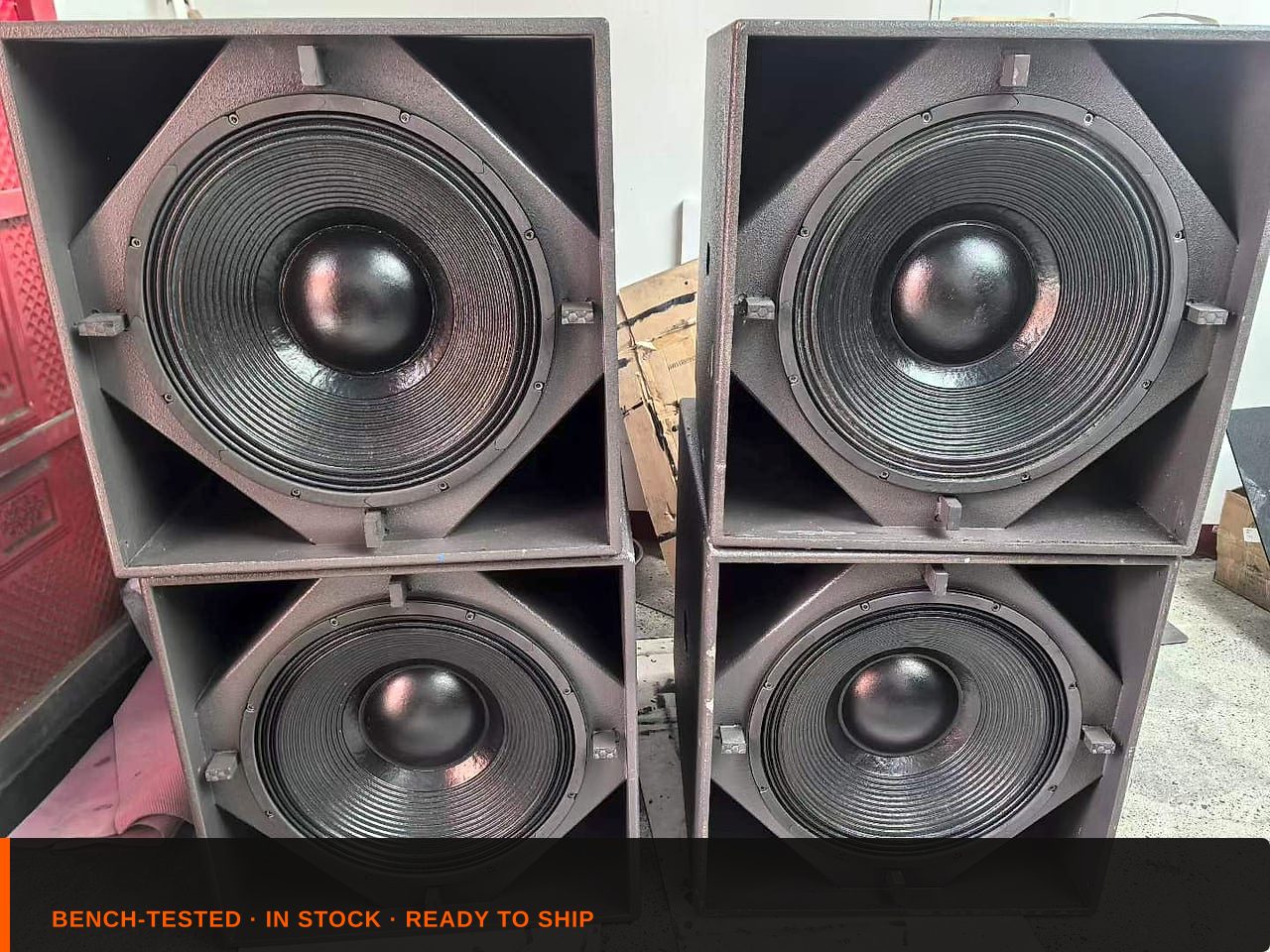
When you're specifying used professional audio gear for rental fleets, venue installs, or integration projects, the HH Speakers Unit-17080 often surfaces as a budget-friendly option. But how does it stack up against alternatives in real deployments? This comparison cuts through the spec-sheet noise and focuses on what matters for B2B buyers: reliability, integration quirks, total cost of ownership, and the realities of buying tested used stock from a wholesale marketplace.
Where the Unit-17080 fits in a rental or venue inventory
The HH Speakers Unit-17080 is a compact, passive two-way loudspeaker that typically finds its way into smaller rental inventories, corporate AV setups, and fixed installations where space is tight and budget is a constraint. Its form factor and mounting options make it a candidate for delay fills, front fills, or distributed systems in houses of worship, conference rooms, and small clubs. In rental fleets, it's often used as a utility box—something you can deploy for breakouts or as a spare without tying up premium inventory. Compared to alternatives like the JBL Control 25 or the QSC AD-S8, the Unit-17080 trades brand prestige for cost efficiency, but it can hold its own in low-SPL applications where rider acceptance isn't a hurdle. For integrators working in CIS, Middle East, South America, or Africa, the appeal is straightforward: a known quantity that's easy to source used, with a price point that keeps project margins healthy.
Key specs that matter for integration work
On paper, the Unit-17080 offers a sensible balance: a 6.5-inch woofer and a 1-inch tweeter, power handling around 100W RMS, and a nominal impedance of 8 ohms. Sensitivity is typically in the 88–90 dB range, which means it needs a decent amplifier but isn't power-hungry. The enclosure is usually molded plastic or MDF with a textured finish, and it includes a pole-mount socket and M8 rigging points—useful for installs where you need flexible mounting. What pros actually check is the dispersion pattern: the Unit-17080 tends to have a fairly wide coverage (around 90° x 60°), which is good for even coverage in low ceilings but can cause early reflections in reverberant rooms. Compared to alternatives like the Electro-Voice ZLX-8 (which offers higher SPL and a more robust waveguide) or the Yamaha DBR10 (active, but a different category), the Unit-17080 is a simpler tool. It doesn't have the advanced DSP or network control of higher-end models, but for basic PA and fill applications, that simplicity is a feature—fewer things to break, easier to service.
Used-buying checklist: what to inspect and what to ask
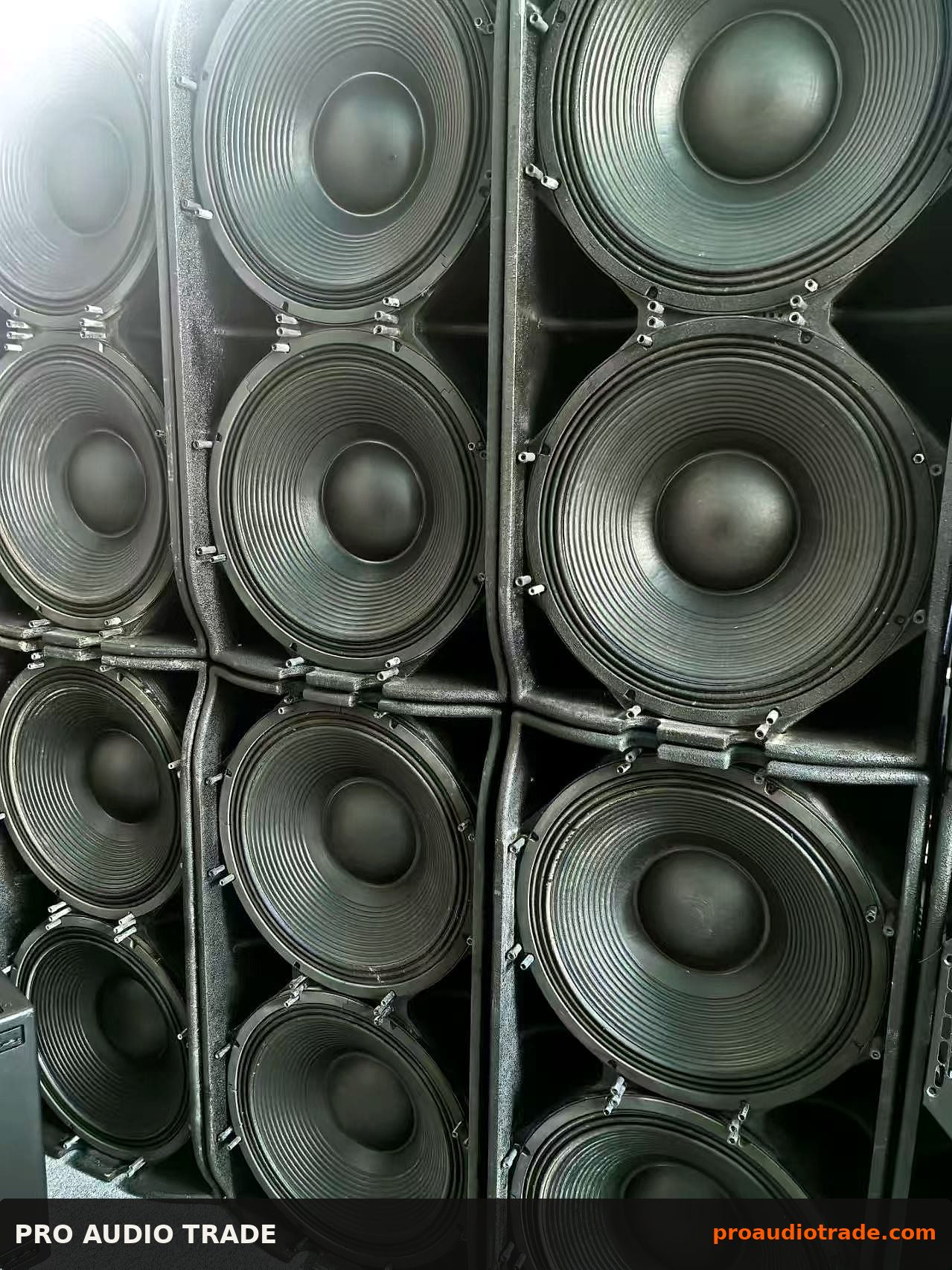
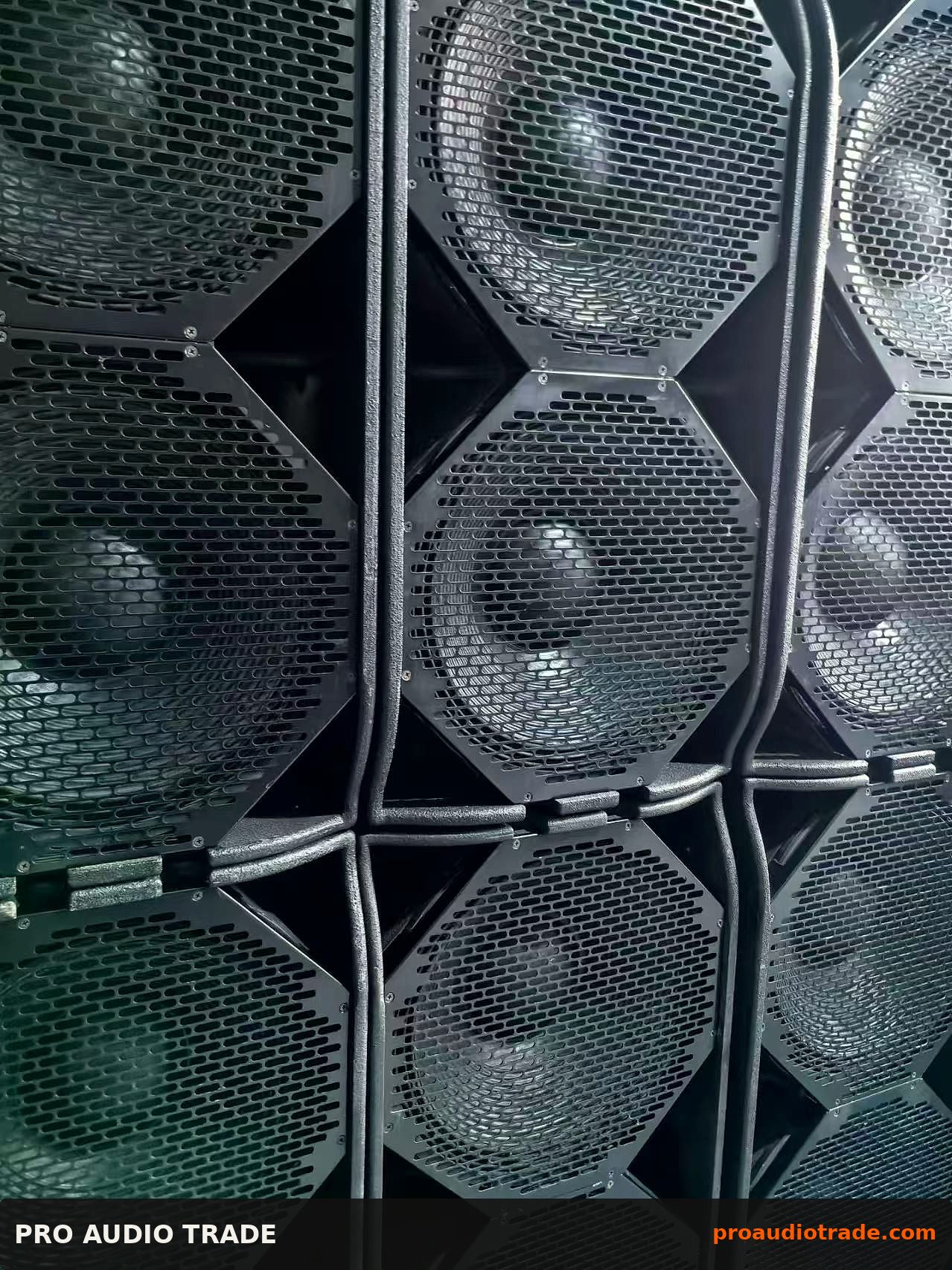
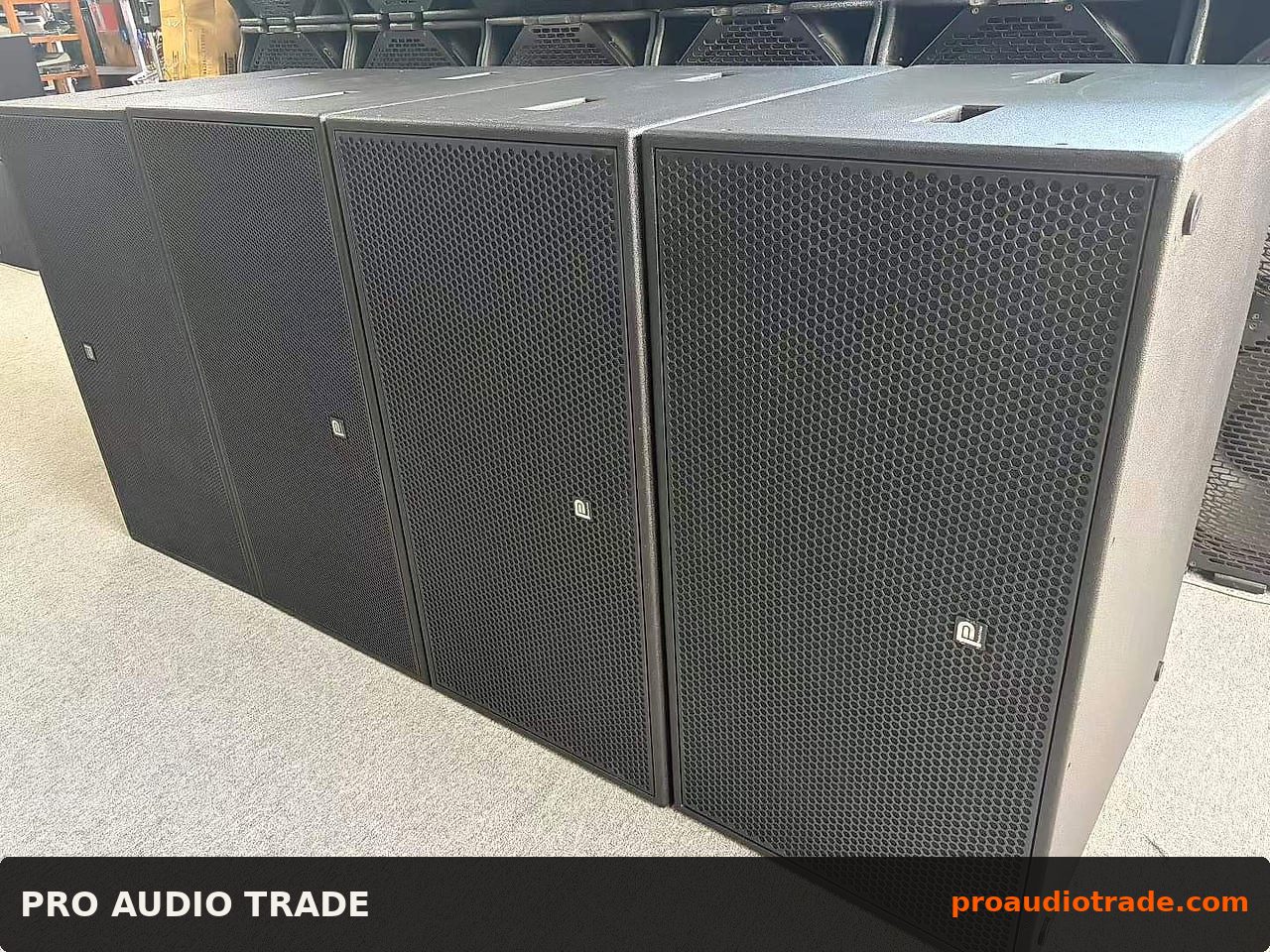
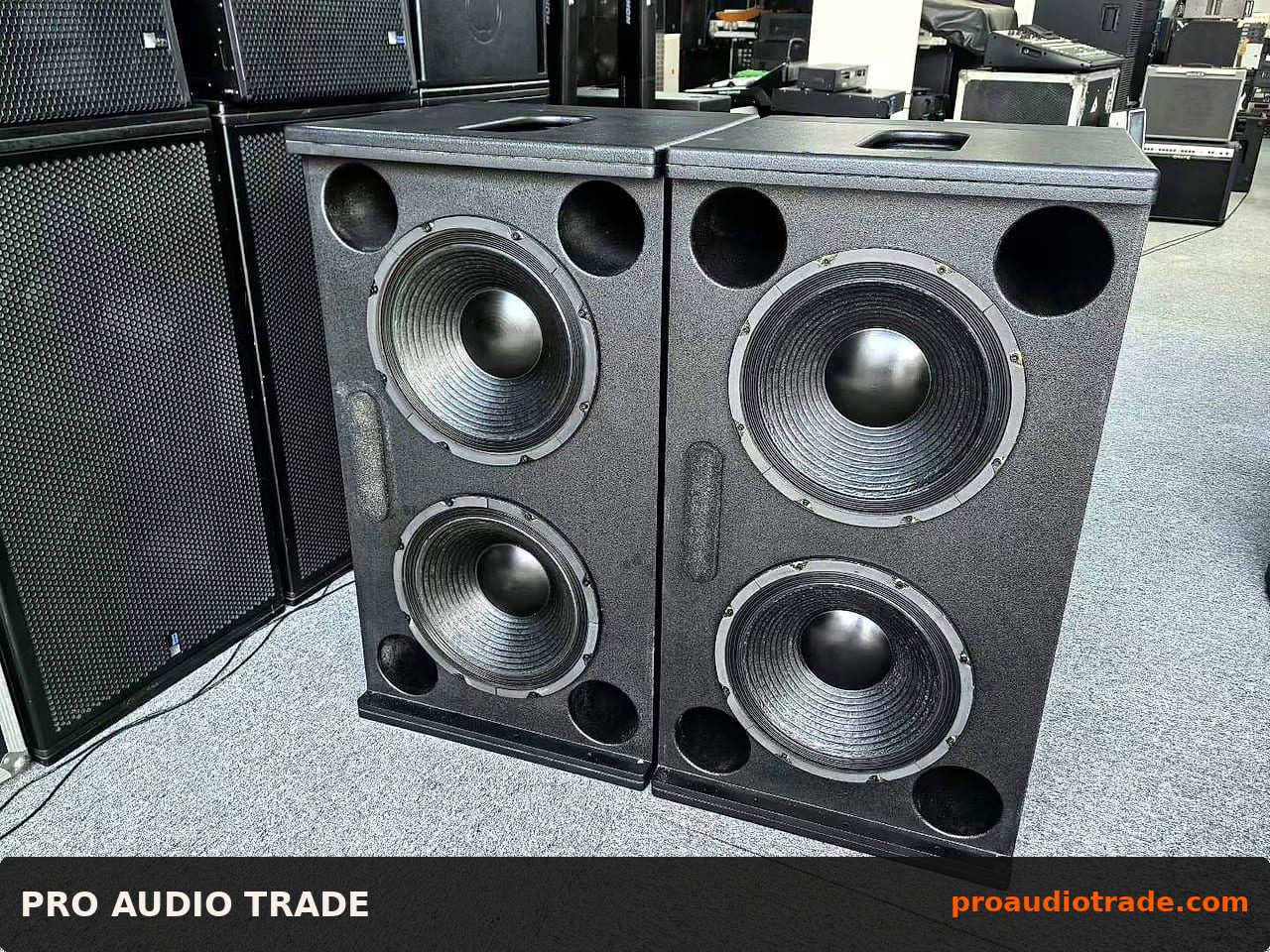
When evaluating a used Unit-17080, start with the drivers. Push gently on the woofer cone to check for voice coil rub—a common failure point if the speaker was overdriven. Look for tears or fatigue in the surround, and inspect the tweeter diaphragm for dents or corrosion. The crossover is another weak spot: ask the seller if they've tested it for continuity and whether any capacitors have been replaced. Enclosure condition matters too—cracks around the pole mount or rigging points can compromise structural integrity, and water damage is a red flag for units used outdoors. Ask for impedance readings on both drivers and, if possible, a sweep test or pink noise check. For B2B orders, request photos of the actual unit (not stock images), serial numbers, and any service history. If the seller offers a grading system (A, B, C), clarify what each grade means—typically, A is near-mint with minimal wear, B has cosmetic scuffs but fully functional, and C may have cosmetic damage or need minor repairs. Also ask about accessories: grilles, mounting hardware, and original packaging are often missing, and replacements can add cost.
Price context and total cost of ownership
On the used market, the Unit-17080 typically trades at a significant discount to new alternatives, often 40–60% below the price of a comparable new unit from a major brand. But the sticker price isn't the whole story. Factor in the cost of any needed repairs (recone kits, crossover components), shipping (these are bulky items, and freight costs can eat into savings, especially for cross-border orders), and the time to test and certify each unit. Compared to alternatives like the JBL AC18/26 or the QSC E8, the Unit-17080 may have a shorter lifespan under heavy use, but for low-intensity applications, it can deliver a solid return. For rental firms, the key metric is cost per deployment—if the unit is reliable and easy to swap out, the lower upfront cost wins. For integrators, consider the amplifier matching: the 8-ohm impedance makes it flexible, but you'll want to ensure your amp can deliver clean power at the required SPL without clipping. Total cost of ownership also includes spares: keeping a few spare drivers or a complete backup unit is wise, and used stock makes that affordable.
How a B2B order works: grade, freight, MOQ
On a wholesale marketplace, the Unit-17080 is typically sold in lots or with a minimum order quantity (MOQ) that may range from a single unit to a pallet, depending on the seller. Grading is critical: reputable sellers provide detailed condition reports and test results. Always confirm the grading standard used—some use a simple A/B/C scale, others provide a more granular cosmetic and functional rating. Freight is a major consideration: these speakers are bulky and heavy, so shipping costs can be substantial, especially for international orders. Ask for a quote that includes packing, insurance, and customs documentation. For buyers in the Middle East, South America, or Africa, check whether the seller has experience with export paperwork and can provide the necessary certificates. Payment terms vary; some sellers accept letters of credit or escrow for large orders. Finally, clarify the return policy and warranty—even used gear should come with a short guarantee against dead-on-arrival (DOA) units. A good marketplace will facilitate communication and provide a dispute resolution process if something goes wrong.
In summary, the HH Speakers Unit-17080 is a practical choice for budget-conscious B2B buyers who need reliable, simple loudspeakers for low-to-moderate SPL applications. It won't match the performance of premium alternatives, but when sourced as tested used stock with a clear grading and a solid return policy, it offers excellent value. Focus on thorough inspection, realistic total cost calculations, and a seller who understands the logistics of cross-border freight—and you'll have a workhorse that serves your inventory well.