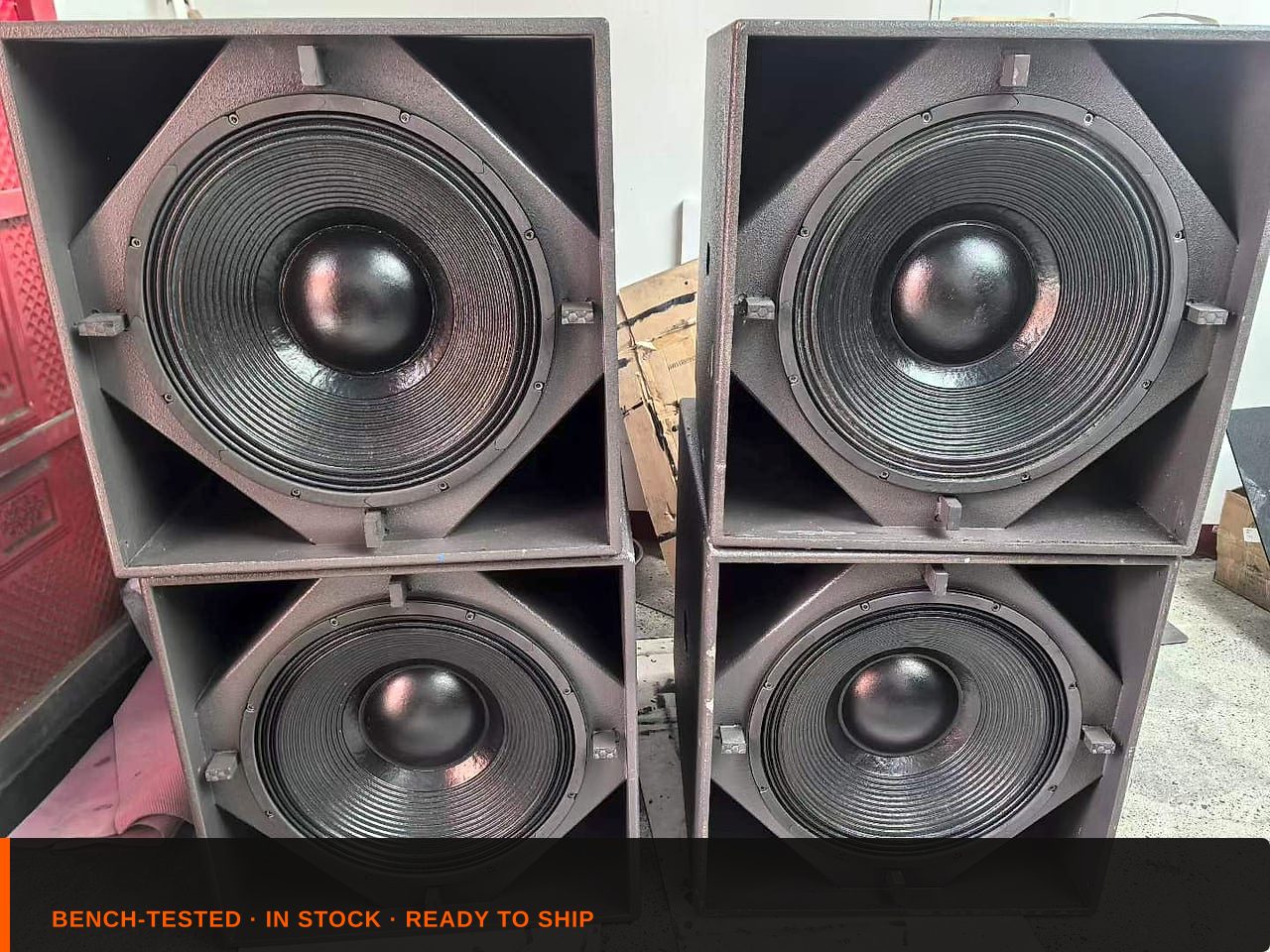
When you need reliable PA without stretching the budget, the HH Speakers Unit-17080 is a model that keeps appearing on the secondary market. For rental firms, integrators, and venue engineers across the CIS, Middle East, South America, and Africa, it represents a sensible balance of output, durability, and price. This review covers what the Unit-17080 actually is, where it fits in a working inventory, what to inspect before you buy used, and how to navigate a B2B order so you get tested stock rather than a gamble.
Where the HH Unit-17080 fits in a rental or venue inventory
The Unit-17080 is a full-range passive loudspeaker from HH, a British brand known for cost-effective designs that hold up in touring and install work. It typically houses a 15-inch woofer and a 1-inch compression driver, delivering usable output for small-to-medium rooms, corporate events, and as a fill or delay speaker in larger systems. Rental companies like it because it is light enough for one-person handling, rigs easily on a pole or in a truss, and takes standard NL4 speakON connections. Integrators appreciate the consistent coverage pattern and the fact that it does not demand exotic amplification. In a venue inventory, it works well as a main PA for bars and clubs, as a monitor wedge in a pinch, or as a side-fill in conference rooms. It is not a line-array replacement, but for distributed systems and straightforward stereo setups, it earns its rack space.
Key specs that matter for integration work
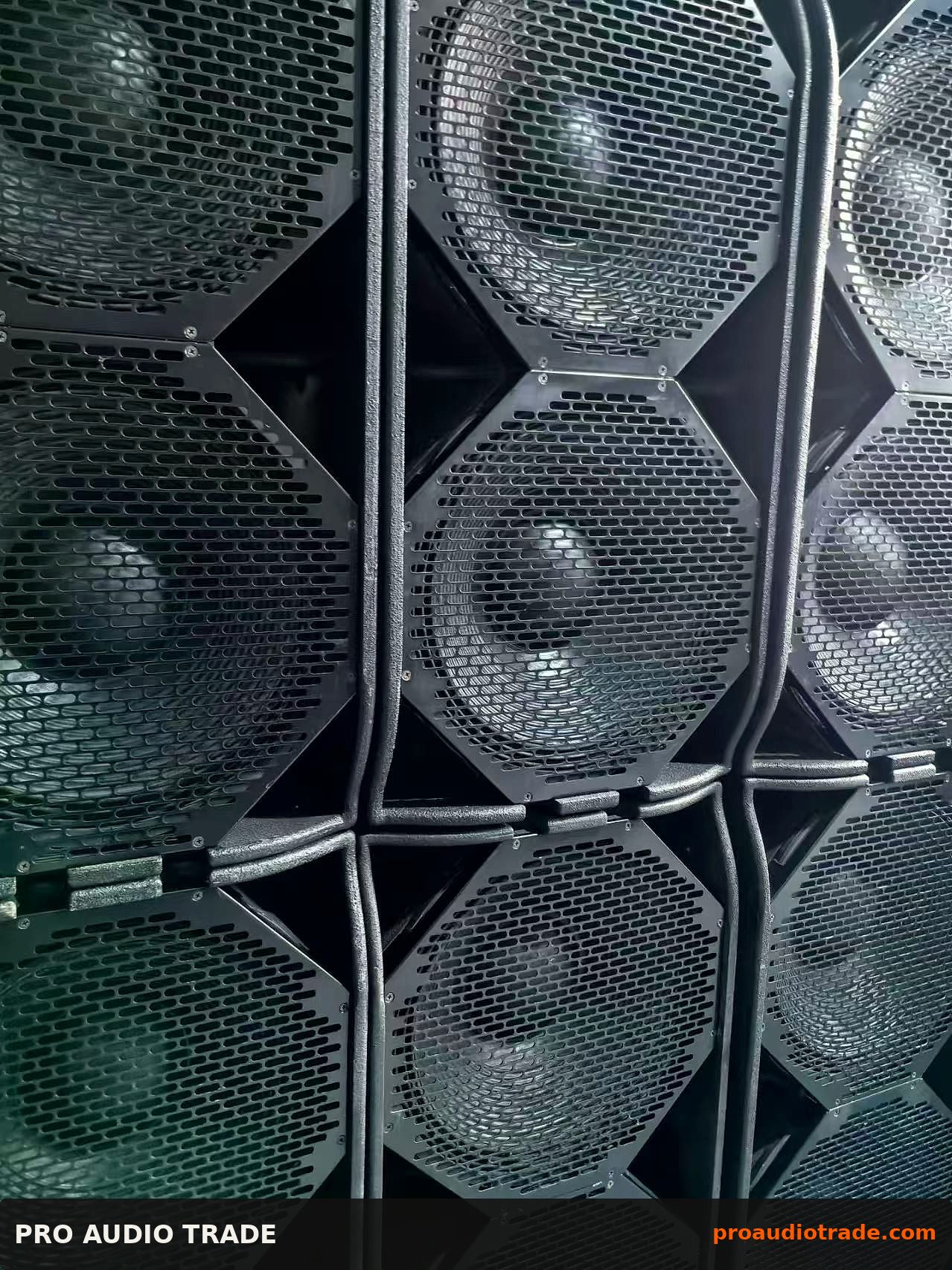
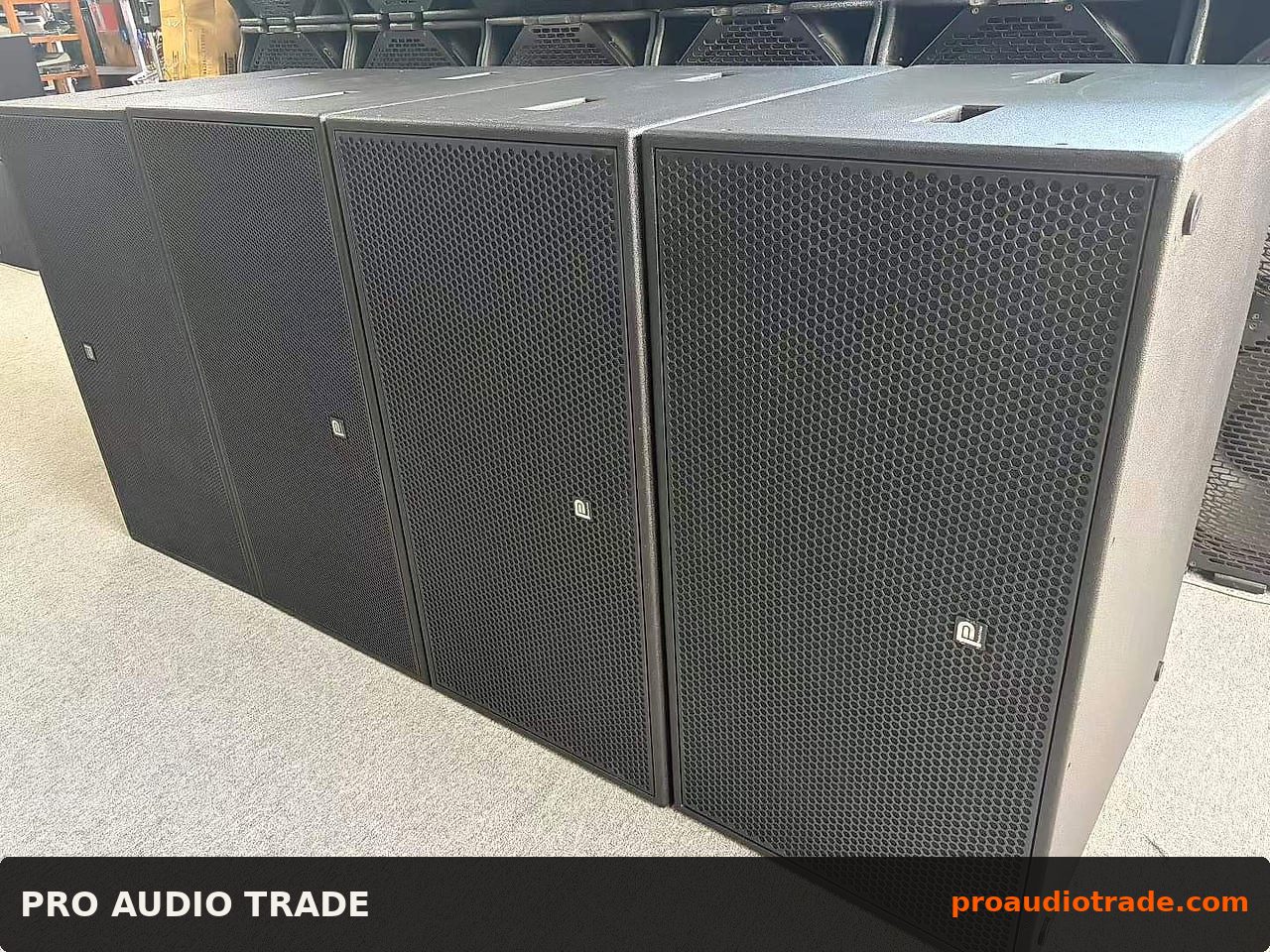
The Unit-17080 is a passive two-way design, usually rated around 400W continuous and 800W peak, with a nominal impedance of 8 ohms. Sensitivity is in the region of 98 dB, which means you can drive it with modest amplifiers and still get respectable SPL. The frequency response typically spans 55 Hz to 20 kHz, with a crossover point around 2.5 kHz. For integration, the 90x60-degree dispersion is predictable and helps avoid excessive reflections in low-ceiling rooms. The cabinet is a molded polypropylene enclosure with a steel grille, and it includes a 35mm pole mount and M8 rigging points. Connectors are two NL4 speakON sockets wired in parallel, so daisy-chaining is straightforward. These specs are not exotic, but they are exactly what you want for a workhorse box that will be moved, stacked, and occasionally abused.
Used-buying checklist: what to inspect and what to ask
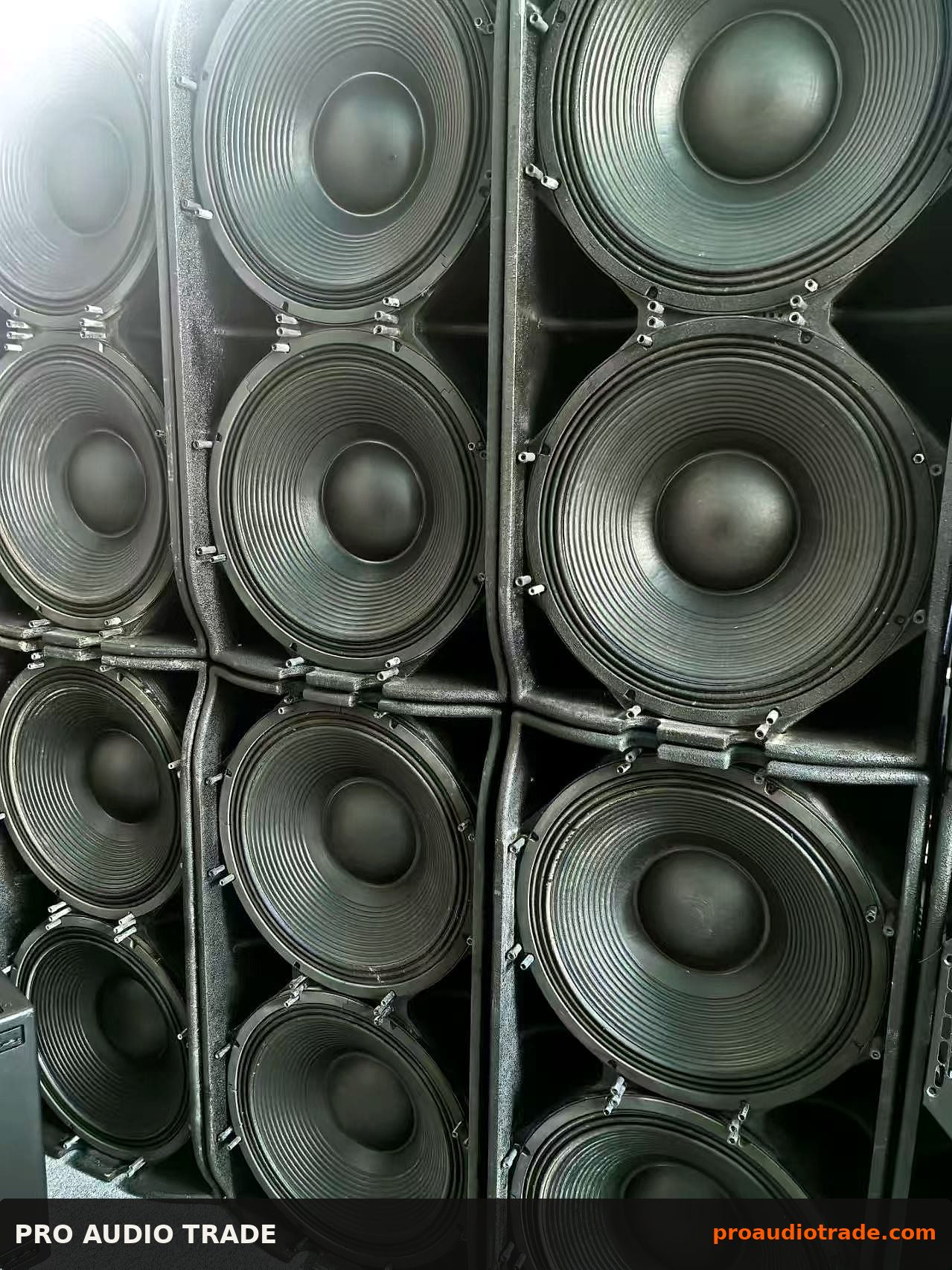
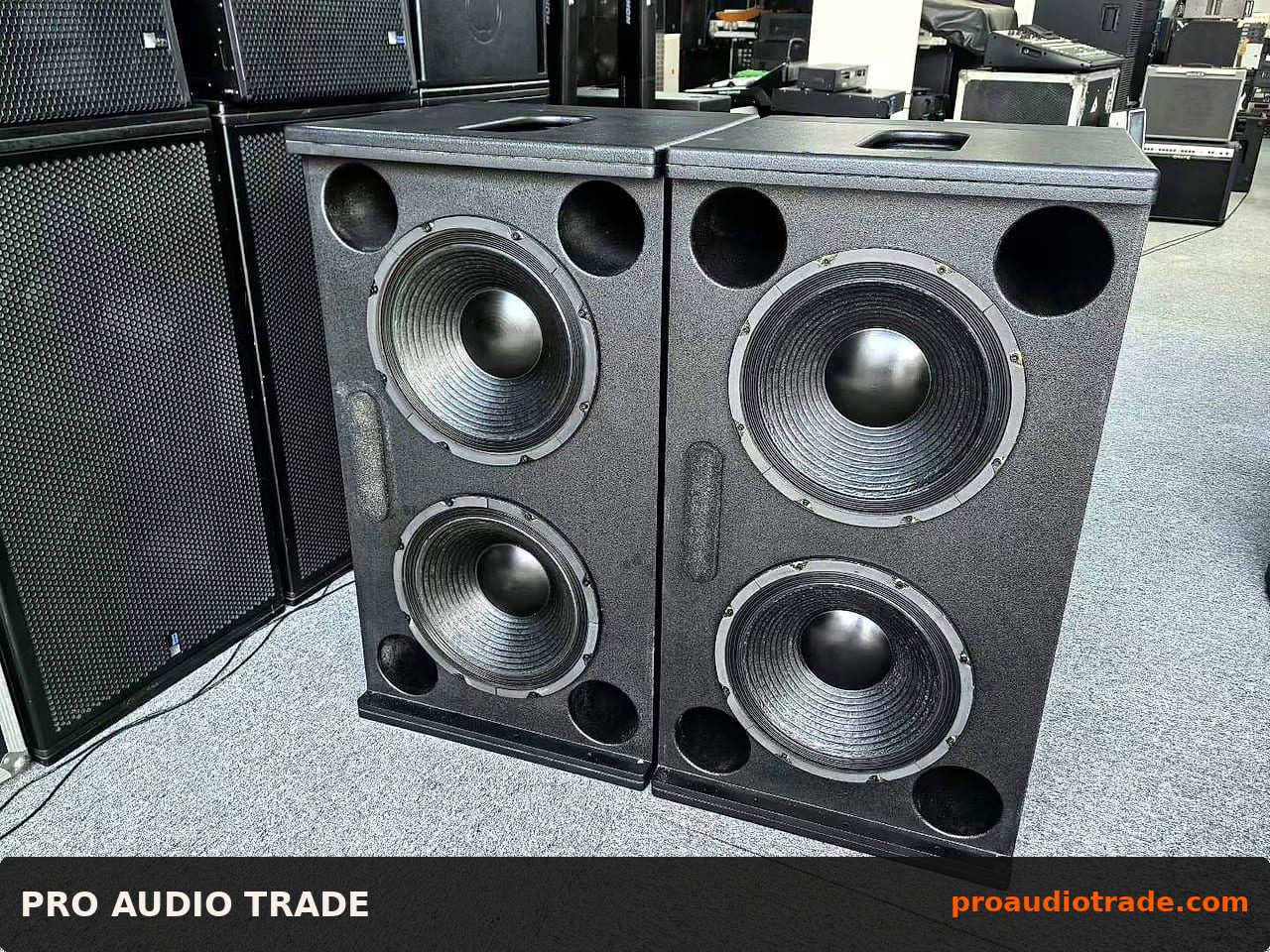
Start with the drivers. Ask the seller to remove the grille and send close-up photos of the woofer cone and surround. Look for foam rot, tears, or signs of reconing. The compression driver is more delicate; a blown diaphragm will cost you a replacement, so request a sweep test from 1 kHz to 10 kHz at moderate level and listen for distortion or dropouts. Check the cabinet for cracks, especially around the pole mount and rigging points, and inspect the speakON sockets for loose pins or corrosion. Ask for the serial number and confirm it matches the label. Request a test report showing impedance sweep and frequency response, or at least a video of the unit playing pink noise. Ask about history: was it used in a fixed install or on the road? Has it been reconed? Are the grilles and handles intact? Finally, confirm the grade: A-stock should have minor cosmetic wear only, B-stock may have scratches and scuffs but fully functional drivers, and C-stock is for parts or repair. For rental use, B-stock is often the sweet spot.
Price context and total cost of ownership
Used Unit-17080 units typically sell for 40-60% of the new street price, depending on condition and region. In the CIS and Middle East, where import duties and freight add to the landed cost, the savings are still meaningful. But price is only part of the story. Factor in the cost of a replacement diaphragm (around $40-80) and a recone kit (around $80-120) if the drivers are tired. A tested unit with original drivers is worth the premium because it saves you labor and downtime. Also consider amplifier matching: an 8-ohm passive box is easy to pair with existing amps, so you avoid additional investment. For rental firms, the payback period on a used Unit-17080 is often under a year if it goes out on two or three events per month. For integrators, the lower capital outlay lets you allocate budget to DSP and cabling, which have a bigger impact on final sound quality.
How a B2B order works: grade, freight, and MOQ
On a wholesale marketplace, you are not buying from a consumer; you are buying from a dealer or rental house that has graded the stock. Expect a grading scale: A (like-new), B (good working condition with cosmetic wear), C (functional but rough), and D (for parts). Ask for the grading policy in writing. MOQ varies: some sellers require a minimum of two or four units to make freight worthwhile, while others will sell singles. Freight is the big variable. For cross-border shipments to the Middle East, South America, or Africa, request a quote that includes packing, palletization, and insurance. Sea freight is cheaper but slower; air freight is faster but costly for heavy boxes. Always ask for photos of the actual units before they are packed, and confirm that the seller will use double-wall cartons with foam inserts. Payment terms are usually T/T or LC for first orders; established buyers may get net 30. Clarify the warranty: tested used gear often comes with a 30-90 day functional guarantee, which is enough to catch dead-on-arrival issues.
In short, the used HH Unit-17080 is a smart buy for budget-conscious B2B buyers who need dependable passive PA. Focus on driver condition, request test evidence, and buy from sellers who grade honestly and handle freight professionally. A tested unit with a short warranty will outperform a cheaper untested box every time, and it will keep your inventory earning.