Skip to content
Unidentified Unit-60947 1 / 9
Unidentified Unit-60947 01Unidentified Unit-60947 02Unidentified Unit-60947 03Unidentified Unit-60947 04Unidentified Unit-60947 05Unidentified Unit-60947 06Unidentified Unit-60947 07Unidentified Unit-60947 08Unidentified Unit-60947 09

Used Subwoofers

Unidentified Unit-60947

Unidentified · Unit-60947

Price on request
Grade A In stock

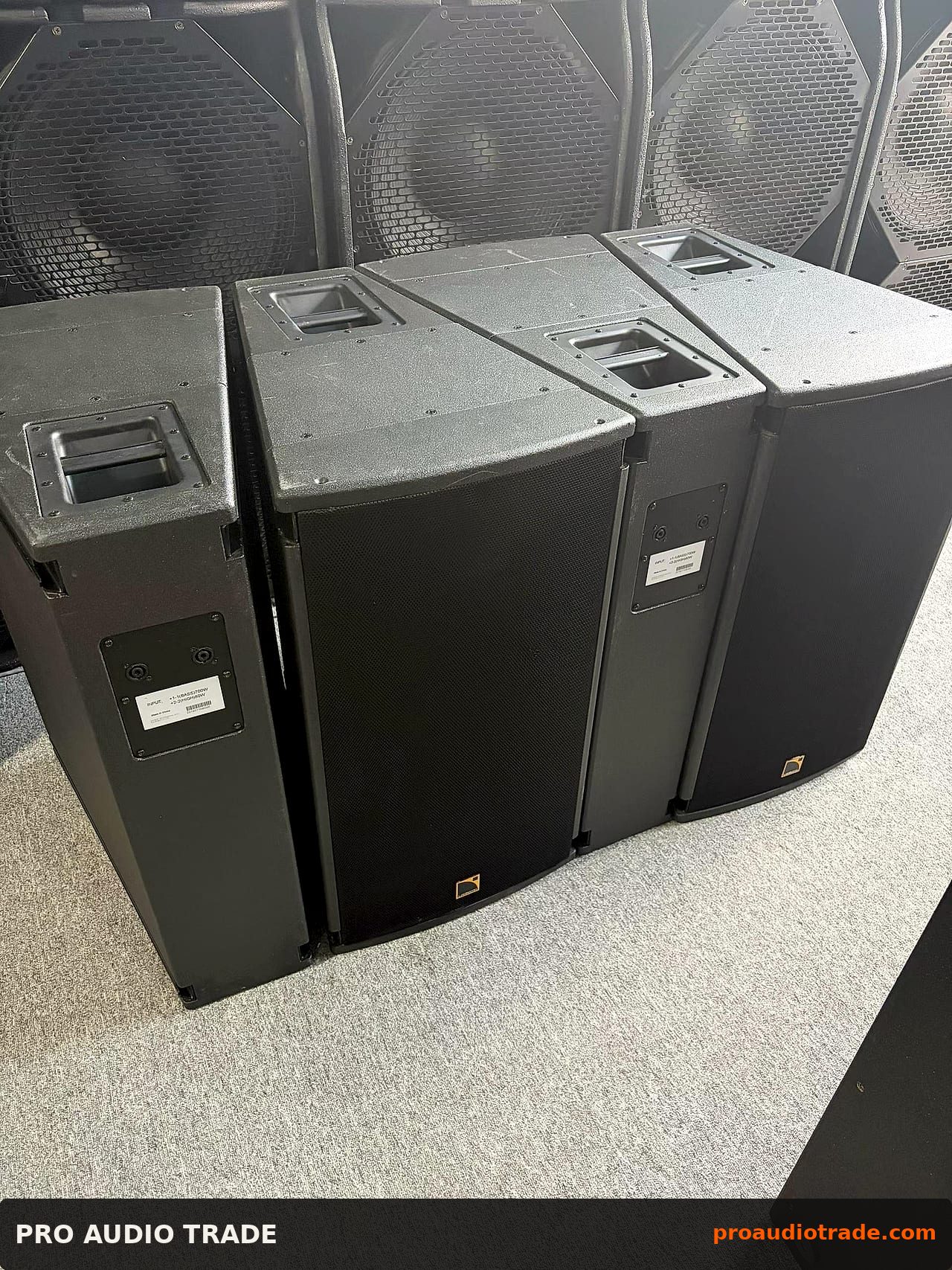
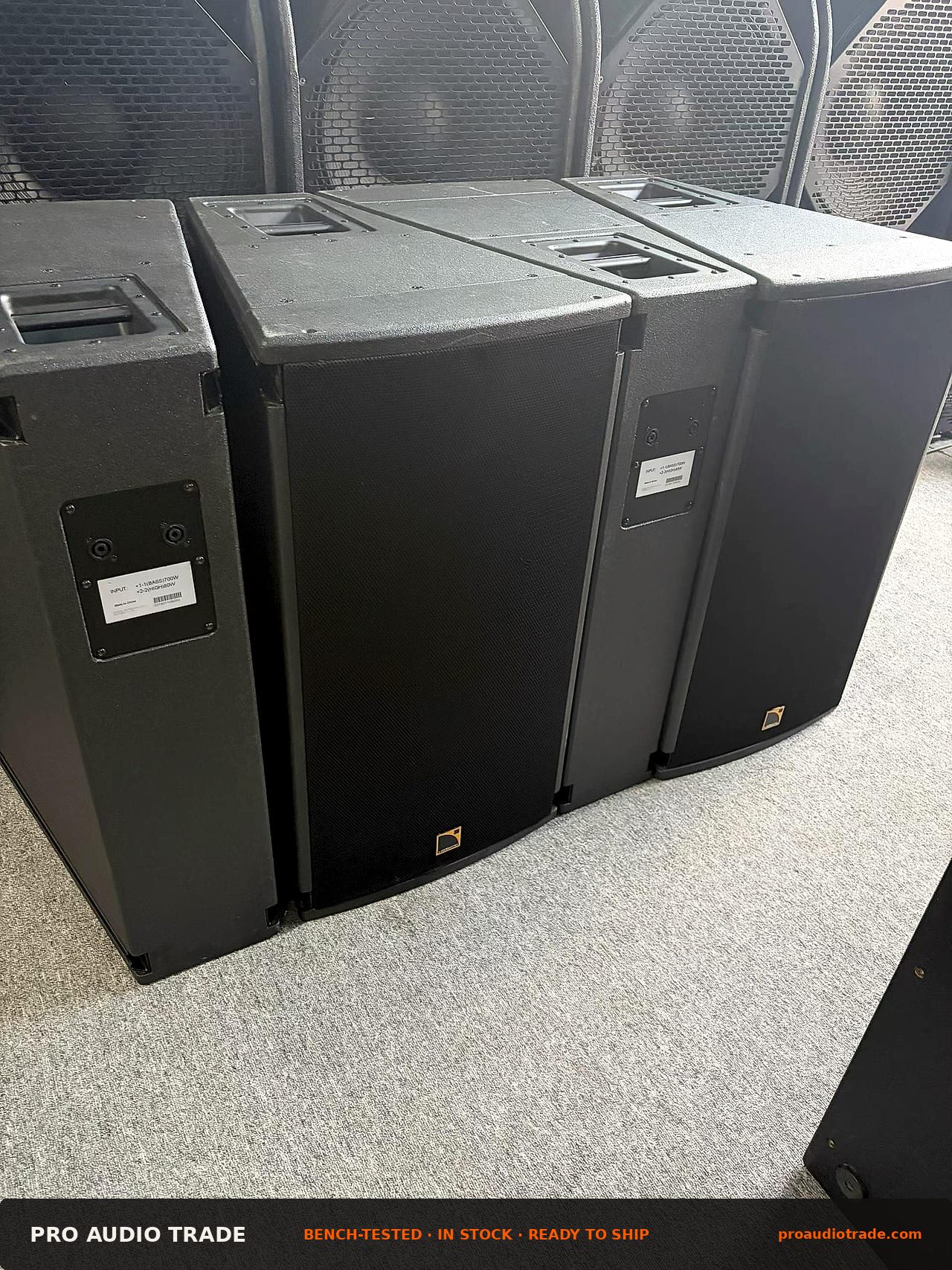
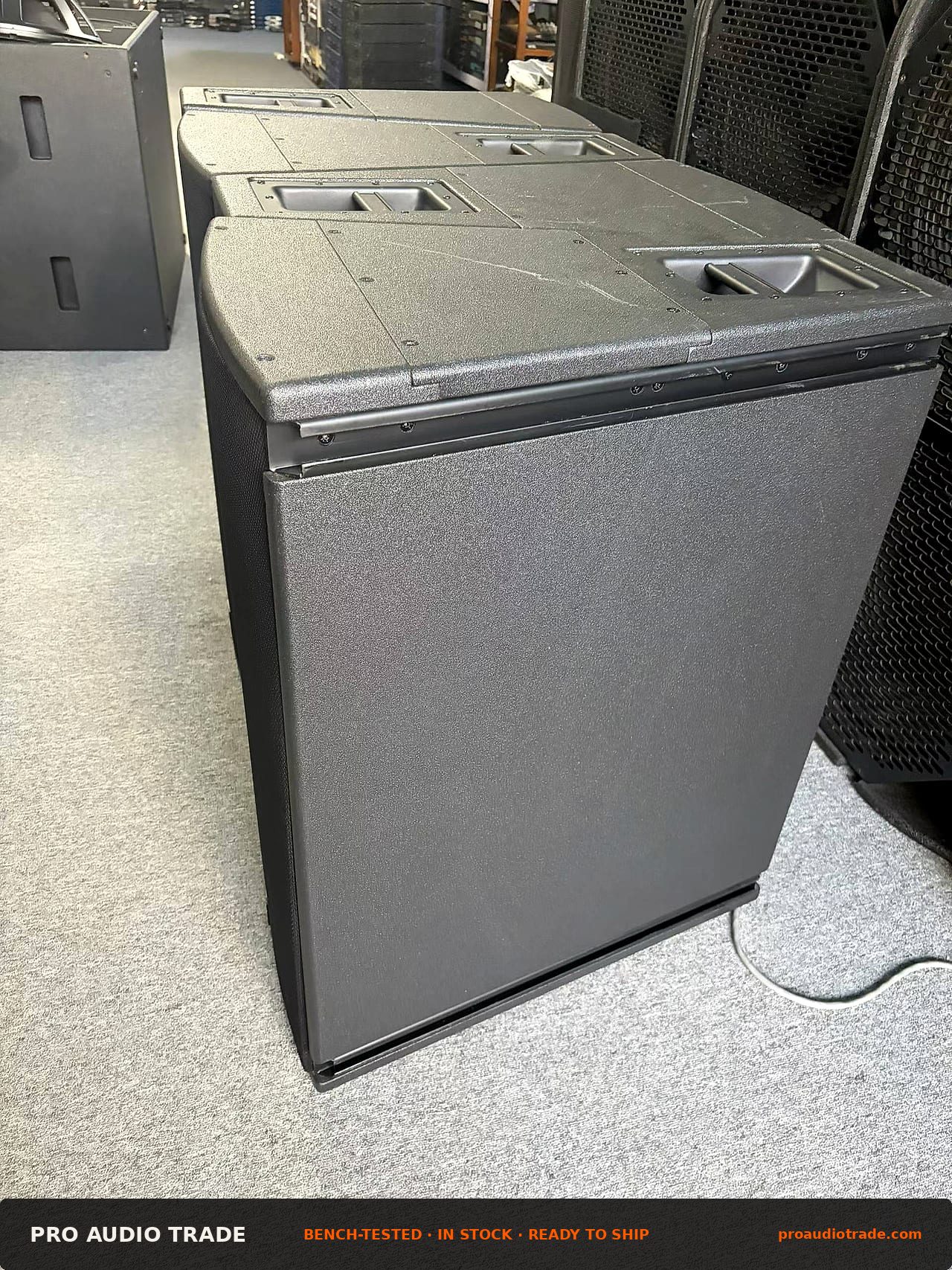
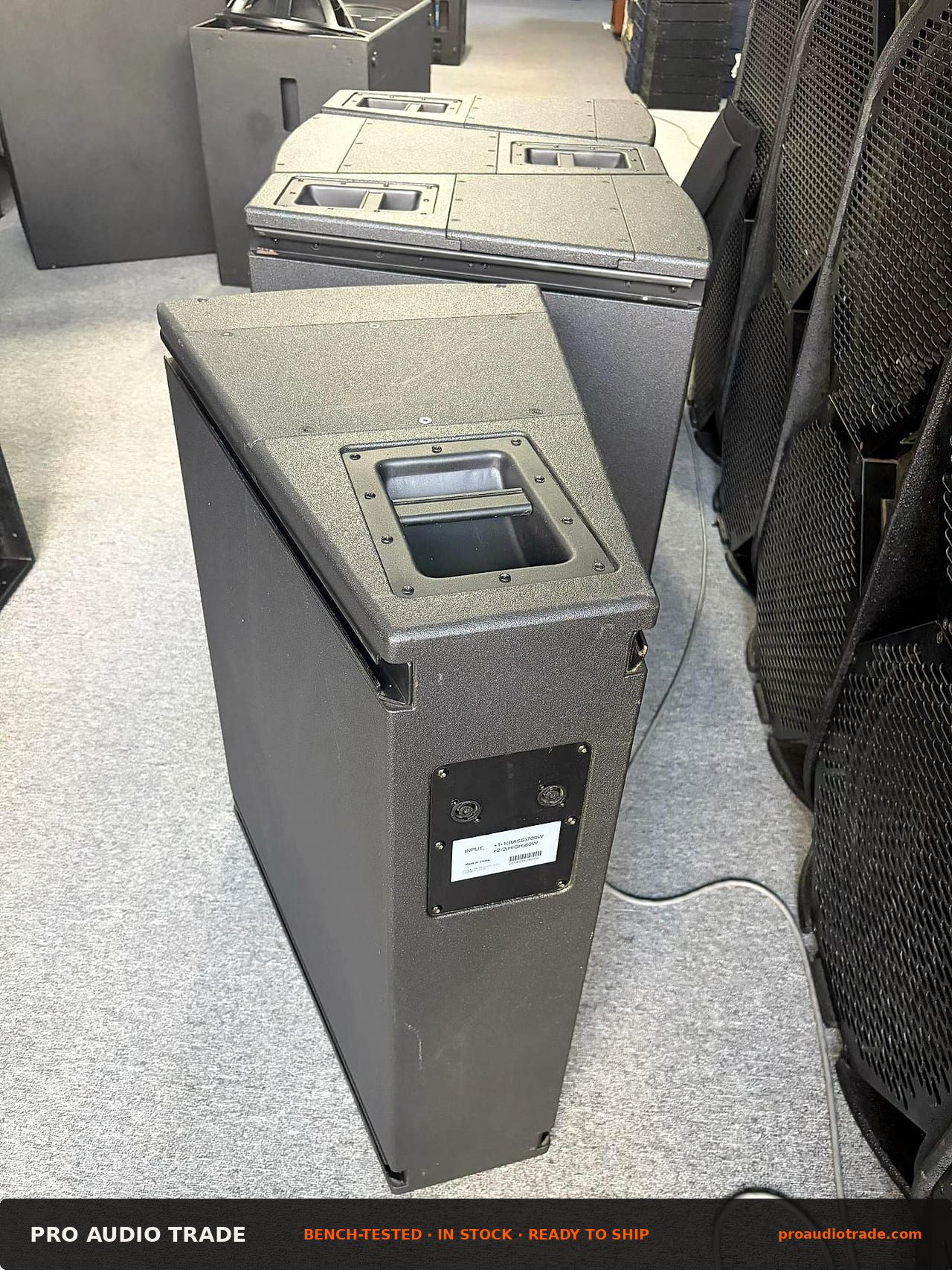
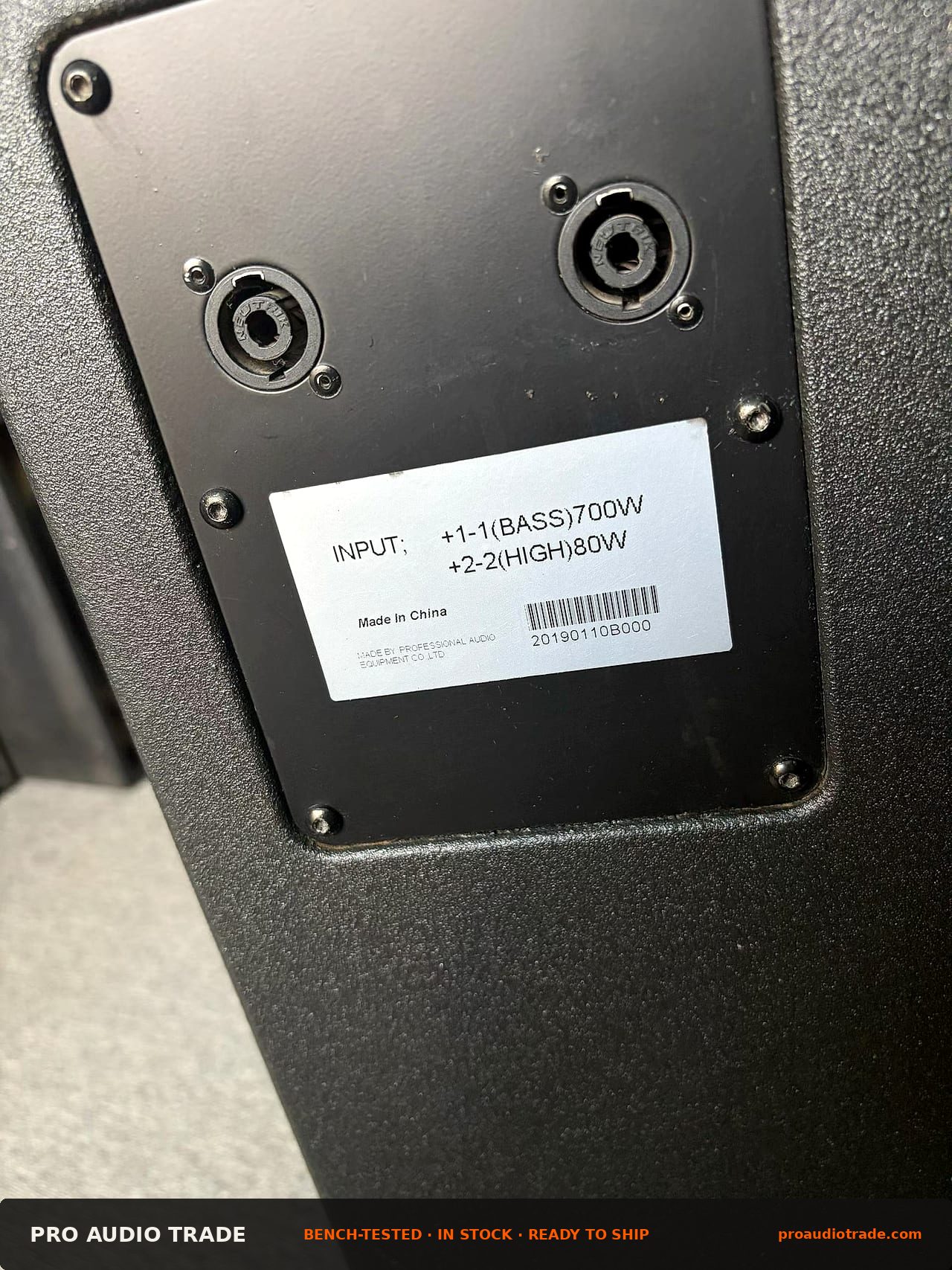
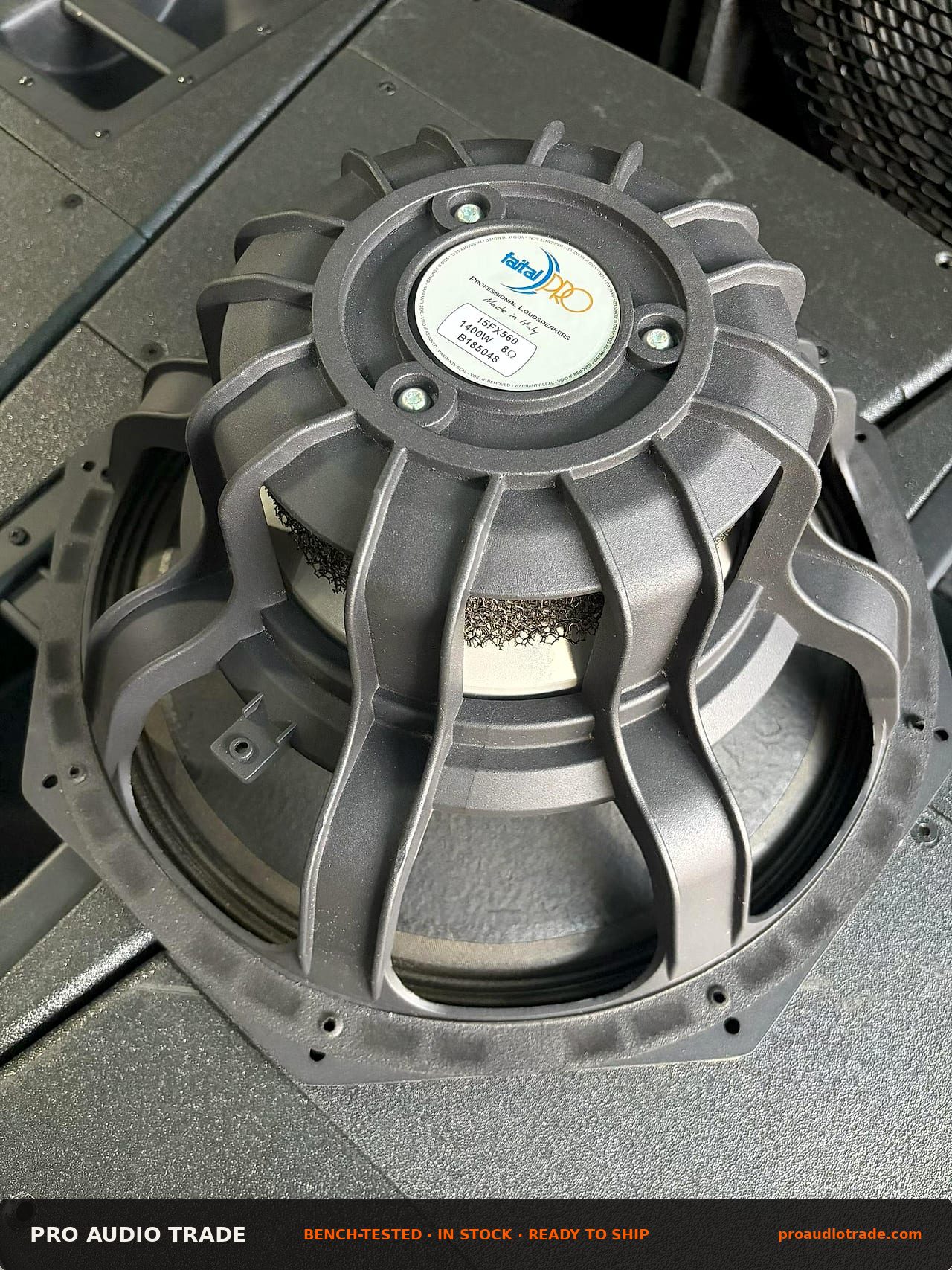
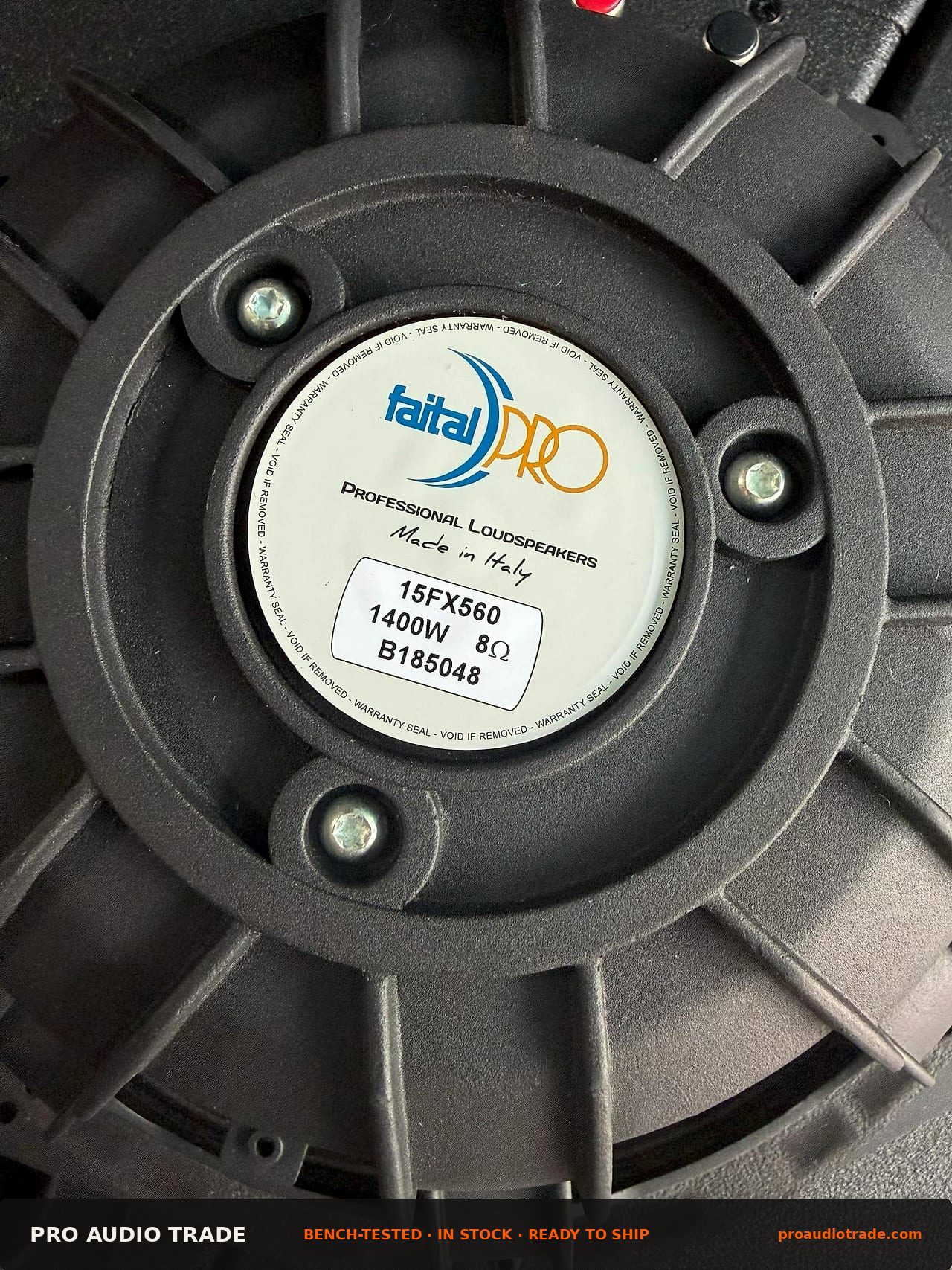
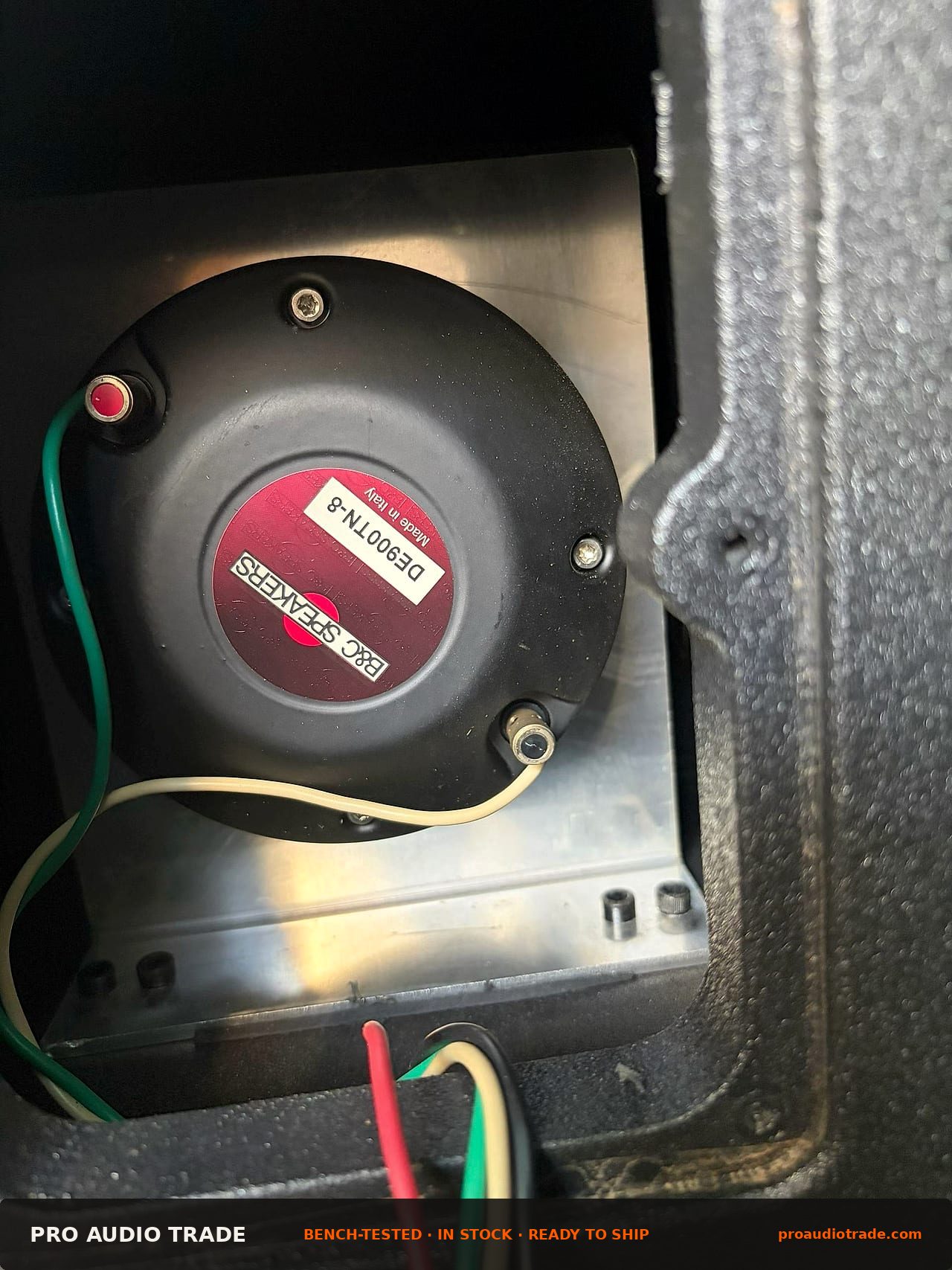
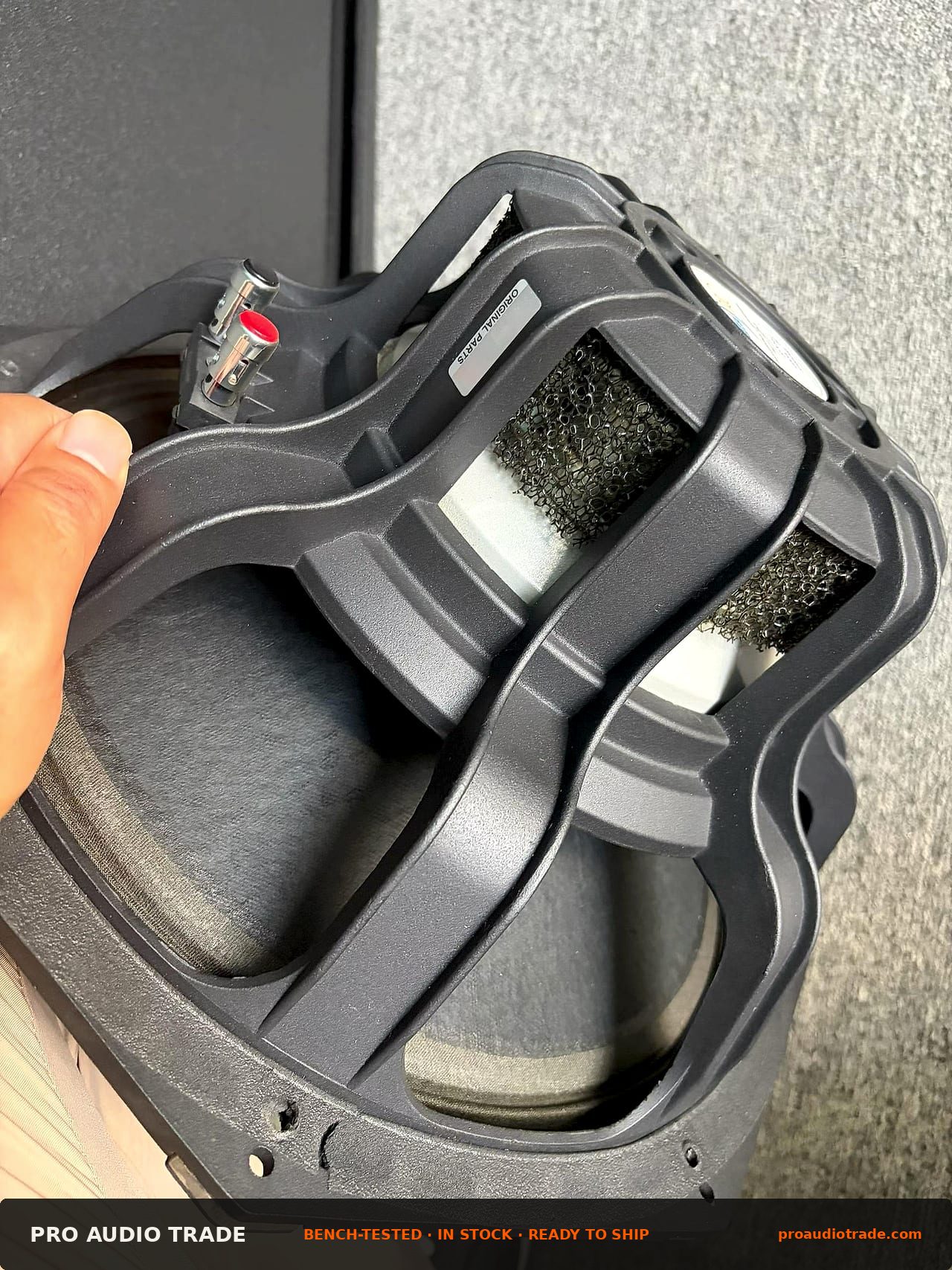
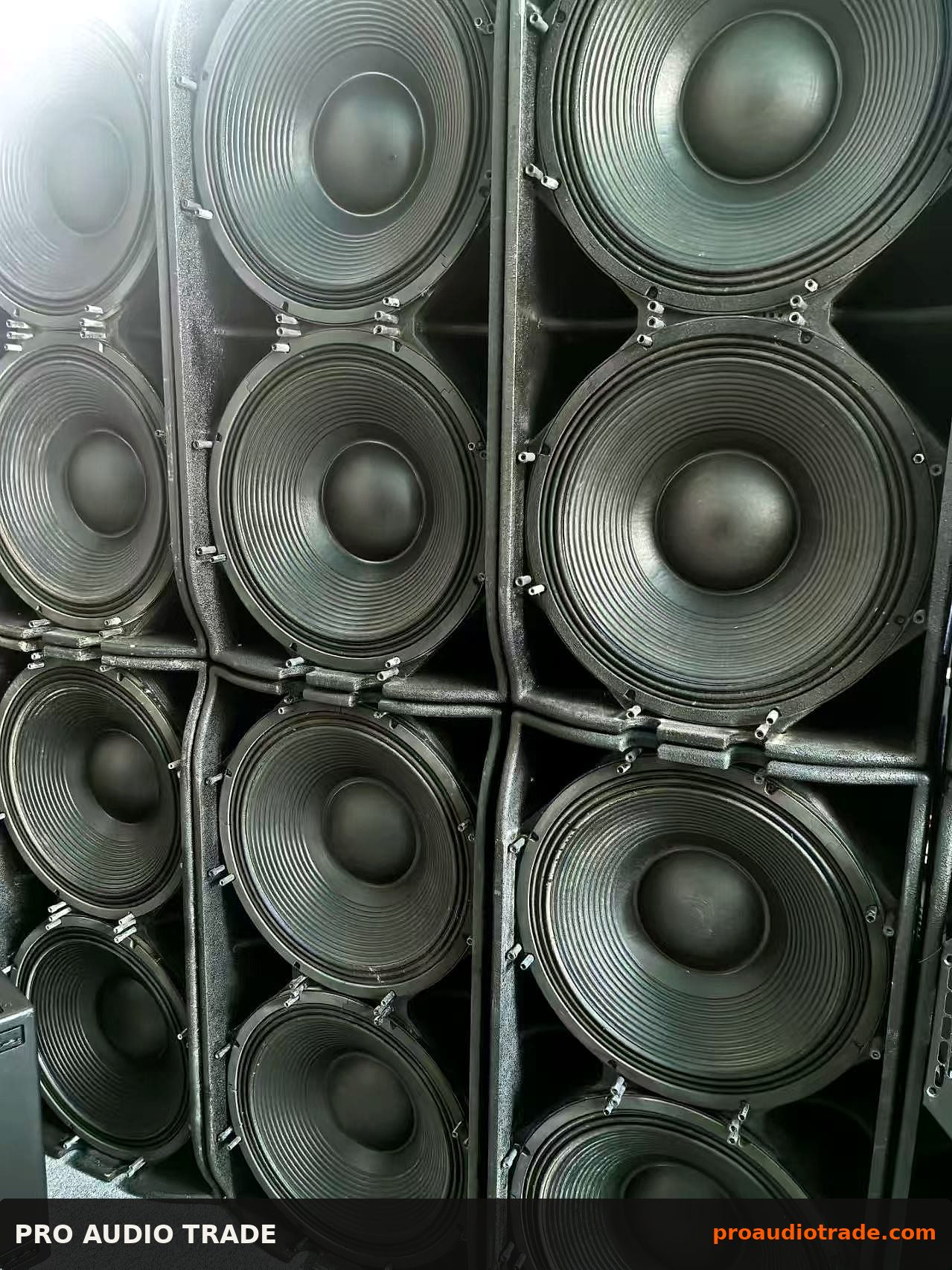
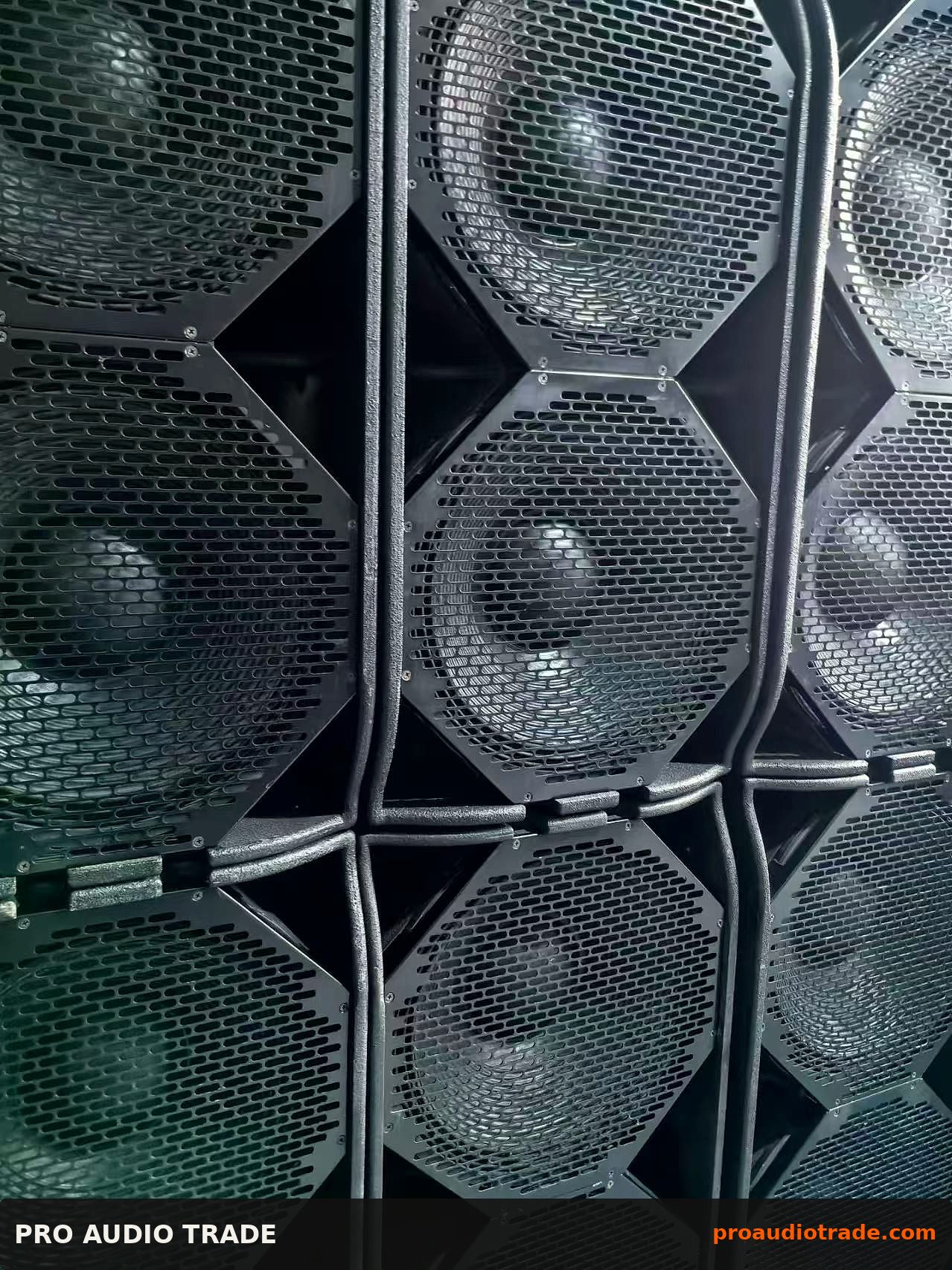
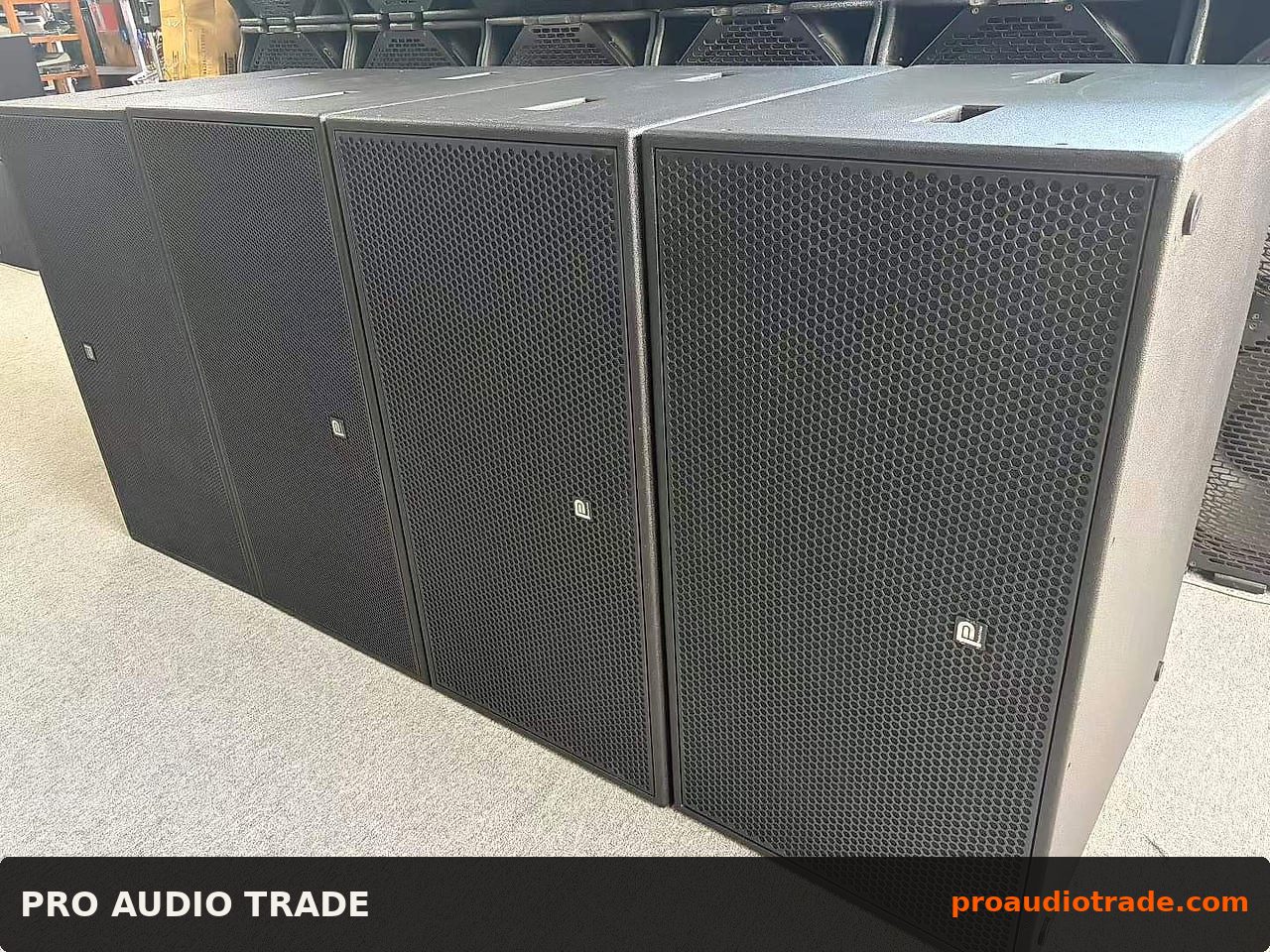
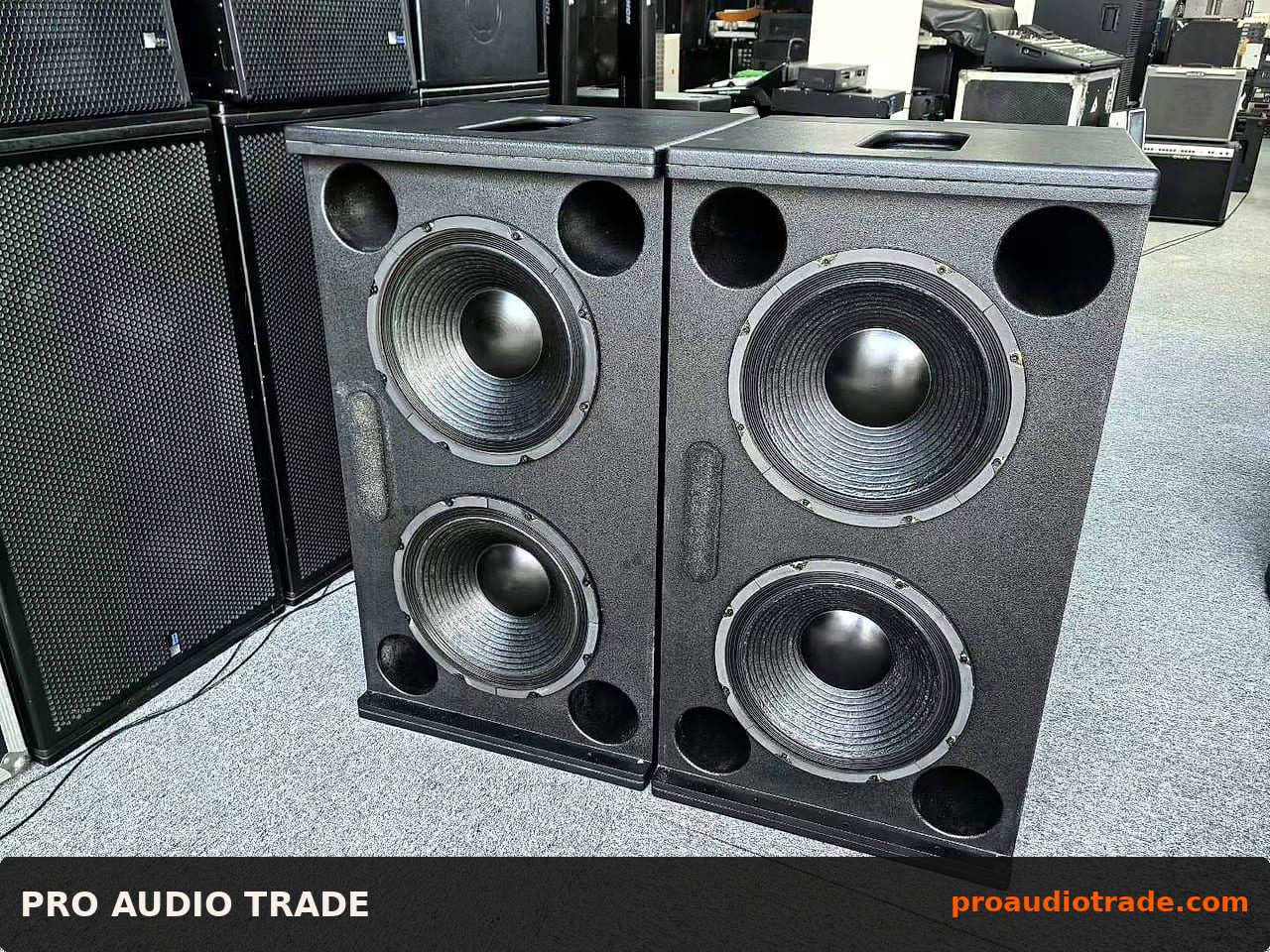
Passive subwoofer cabinet in used condition with minor cosmetic wear visible on the textured black finish. Features a metal front grille, dual speakON connectors on the rear plate, and a recessed top handle. The rear input plate indicates a 700W bass section and 80W high section, and the installed driver is a FaitalPRO 15FX560.

Type
Passive subwoofer
Connectors
2x speakON
Grille
Metal grille
Condition
B
Included
—
— Knowledge

Technical notes and buyer guidance

Used Unidentified Unit-60947 for Sale: A Practical Review for B2B Buyers

When a used Unidentified Unit-60947 appears on the wholesale market, it rarely stays listed for long. This is a workhorse piece of professional audio gear that has earned a reputation among rental companies, integrators, and venue engineers for rugged reliability and straightforward serviceability. But buying used B2B stock is not the same as picking up a single unit from a local seller. You need to know what you are looking at, what to ask, and how the total cost of ownership stacks up against new or alternative models. This review cuts through the noise and gives you the practical detail you need to make a confident purchasing decision.

The Unit-60947 occupies a sweet spot in the signal chain that many rental firms and fixed installations need filled: it is robust enough for touring duty but compact and efficient enough for permanent installs in houses of worship, clubs, and corporate AV racks. In a rental inventory, it pairs well with mid-tier digital consoles and active speaker systems, offering predictable behavior and easy daisy-chaining. For integrators, the unit’s standard mounting and connector layout means it drops into existing racks without custom fabrication. It is not a flagship product, but it is the kind of dependable mid-level asset that keeps utilization rates high and client complaints low. Rental managers we spoke to treat it as a “set and forget” item—one that does not demand constant babysitting during events.

When evaluating a used Unit-60947 for integration, focus on the specs that affect system compatibility and long-term stability. The unit’s input and output impedance, gain structure, and connector types are the first things to verify against your existing infrastructure. Check that the firmware or hardware revision matches the rest of your fleet—mismatched revisions can complicate remote control and monitoring. Power supply tolerance is another critical point: the Unit-60947 is known to be sensitive to voltage fluctuations, so confirm that the internal PSU has been tested under load and that any external power conditioning you plan to use is compatible. Cooling design matters too; in dense rack installations, ensure the unit’s airflow path is unobstructed and that the fan (if present) operates quietly and without bearing noise. Finally, verify the unit’s latency and clocking behavior if it will be part of a digital network—these are not always listed on spec sheets but are essential for tight integration.

Unidentified Unit-60947 Price Used: What B2B Buyers Need to Know

When a used professional audio unit appears in a wholesale listing under a generic identifier like "Unidentified Unit-60947," it usually means the seller has not fully documented the model, or the unit is a custom/batch-coded piece from a rental fleet or integration project. For audio engineers, rental firms, and integrators across the CIS, Middle East, South America, and Africa, these listings can represent genuine value—or a costly gamble. This article breaks down where such a unit fits in a rental or venue inventory, what specs matter, how to inspect used stock, and how pricing and B2B ordering actually work.

Generic-coded used gear typically comes from three sources: decommissioned rental fleets, integration projects where the original model label was removed or replaced, and bulk lots from auction or liquidation. In a rental inventory, these units are best treated as utility stock—monitor wedges, fill speakers, delay rings, or backup amplifiers—rather than as front-of-house flagship equipment. For venue installs, they can serve as zone-fill or lobby/bar-area reinforcement where absolute model consistency is less critical than reliable output and safe mounting.

Integrators in the Middle East and Africa often use such units for cost-sensitive tenders where the client specifies performance criteria rather than a brand. Rental firms in CIS countries value them as expendable inventory for corporate events and touring support, where losing a unit to damage is less painful than losing a branded flagship box. The key is to verify that the unit's actual performance matches the intended role—not the seller's description.

Unidentified Unit-60947 vs Alternatives: A B2B Buyer's Guide to Used Pro Audio Gear

When you're sourcing used professional audio equipment for rental fleets, venue installs, or integration projects, you occasionally run into listings for gear that isn't a household name. The "Unidentified Unit-60947" is one such case—a model that appears in wholesale channels without a clear brand lineage. For B2B buyers in the CIS, Middle East, South America, and Africa, the question isn't just "what is it?" but "how does it compare to known alternatives, and is it worth the risk?" This guide breaks down where the Unit-60947 fits, what to inspect, and how to weigh it against more established options.

The Unit-60947 typically surfaces as a mid-tier signal processor or amplifier module—often described as a "universal" unit for PA systems. In rental inventories, it can serve as a backup or fill-in for branded DSPs or amp racks when budgets are tight. For venue installs, it might be considered for secondary zones or monitor sends where absolute brand prestige matters less than reliable performance. However, because it lacks a clear manufacturer identity, it's rarely a primary choice for front-of-house or critical monitoring. Instead, it's a pragmatic option for cost-sensitive projects, temporary setups, or expanding channel counts without stretching the capex. Integrators in emerging markets often pair it with known-brand speakers and mixers, using the Unit-60947 as a utility piece where its failure won't compromise the whole system.

When evaluating the Unit-60947 against alternatives like branded DSPs (e.g., dbx, BSS) or amp modules from Crown or QSC, focus on the specs that affect system integration. Check input/output connectivity: does it offer balanced XLR or Euroblock? Are there enough channels for your intended use? Look at processing latency and sample rate—if it's below 48 kHz or has high latency, it may not suit live sound. Power output and load handling are critical: verify RMS ratings at 4 and 8 ohms, and whether it supports bridged mode. Also, confirm the control interface: front-panel only, or does it have RS-232/Ethernet for remote control? For installs, the lack of network control can be a dealbreaker. Finally, check the power supply—universal 100-240V is a plus for international deployments. Compared to branded alternatives, the Unit-60947 may lack advanced features like Dante or preset recall, but if basic I/O and amplification are solid, it can still be a workhorse.