The practical conclusion: when buying used stage cables and snake systems for CIS, Middle East, South America or Africa, match the mains voltage, connector standard and CE/UL documentation to the destination rig before you commit — a 220V-rated snake with Schuko tails is useless in a 110V UL venue, and a CE-marked cable without a customs paper trail can stall at the border. Every unit we list passes a 52-point bench test, carries a 90-day warranty, and is graded A/B/C so you can budget for regional re-termination.
Start with mains voltage and plug geography, because that decides whether a used cable lot is plug-and-play or a re-termination project. A 110V/60Hz market such as parts of South America and the Middle East needs NEMA or local plug tails and current ratings sized for the lower voltage — the same gauge carries roughly twice the current at 110V that it does at 220V, so a 16A-rated 220V snake may only be good for 8A at 110V. Ask the seller for the original voltage rating and plug type on every tail; if the listing says "EU plug" but the destination is a 110V venue, price in new connectors and an electrician's bench time before you buy.
Connector standards are the second trap, and they vary more than buyers expect across the CIS, Middle East, South America and Africa. A used stage cable and snake system built for the EU will typically arrive with Schuko or CEE 7/7 tails, while UK rigs use BS 1363, and many African and Middle Eastern venues run a mix of local and imported standards. For signal snakes, check whether the multipin is a standard 8-, 12- or 16-channel format and whether the fan-out is XLR or TRS — a 16-channel snake with a proprietary multipin is cheap only if you can source the matching stage box. Confirm the pinout and channel count in writing; mismatched multipin formats are the most common reason a used snake gets returned.
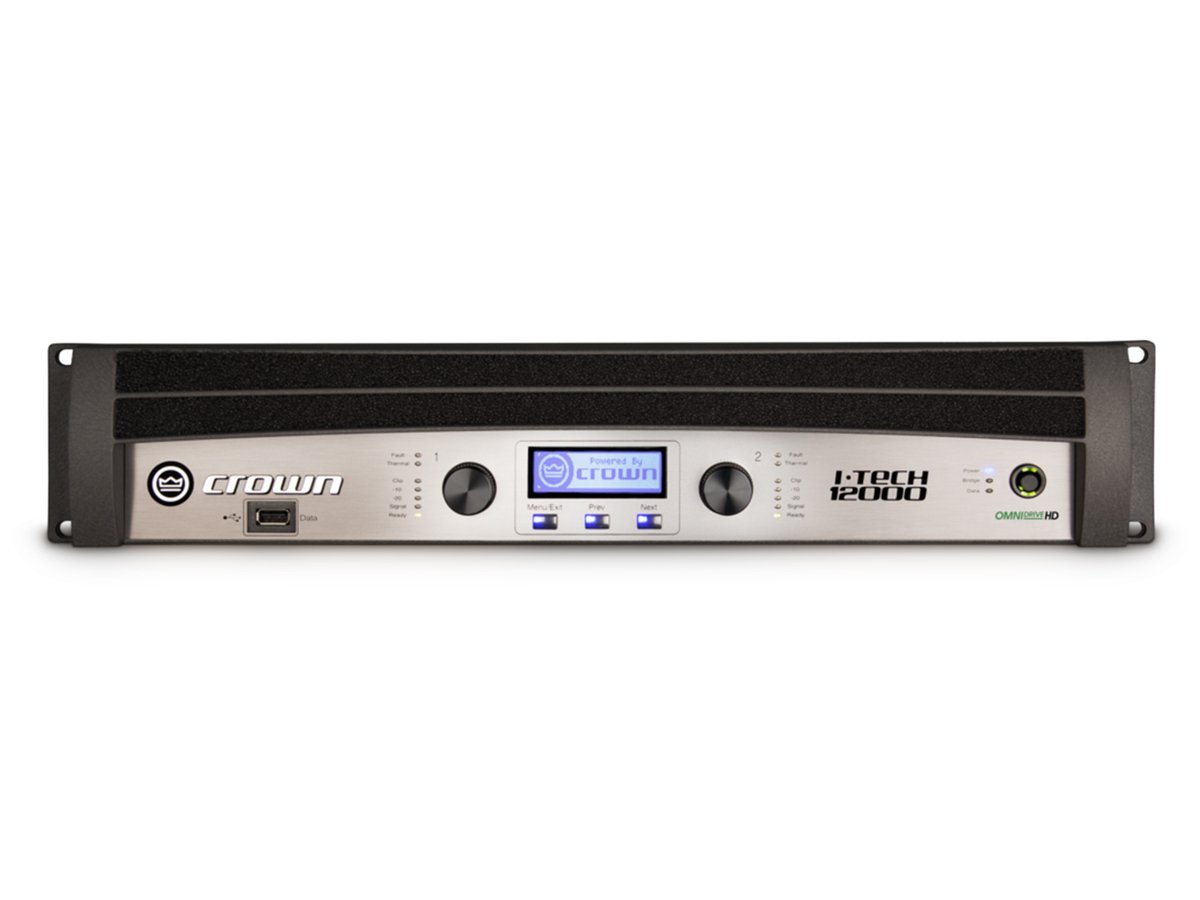
Regional compliance is where used gear saves money or costs it, depending on paperwork. CE marking matters for EU resale and for many Middle East and African tenders, while UL listing is often required for US-linked projects and some Gulf installations. A used Crown I-Tech 12000HD from a corporate events fleet is a good example: it is a 2 x 4500 W / 4 ohm touring amplifier with OmniDrive HD DSP and HiQnet networking, Grade A at $4950, stock 20, MOQ 2 — but if the destination tender demands UL documentation, confirm the unit's label and serial before you ship. For cables themselves, CE/UL is usually about the connector and jacket rating rather than the copper; ask for the original spec sheet and a photo of the label.
Customs and duty change the landed cost, so build them into the comparison rather than discovering them at the border. CIS imports typically attract VAT and duty that can add a meaningful percentage to the invoice, Middle East and African markets vary by country, and South America often has the steepest import charges. That is why a side-by-side look matters: a new 16-channel snake might list at a higher headline price but arrive duty-paid from a local distributor, while a used lot at a lower price can land 20–30% higher after freight, duty and re-termination. Compare landed cost, not sticker price, and ask the seller for the HS code and country of origin on the commercial invoice.
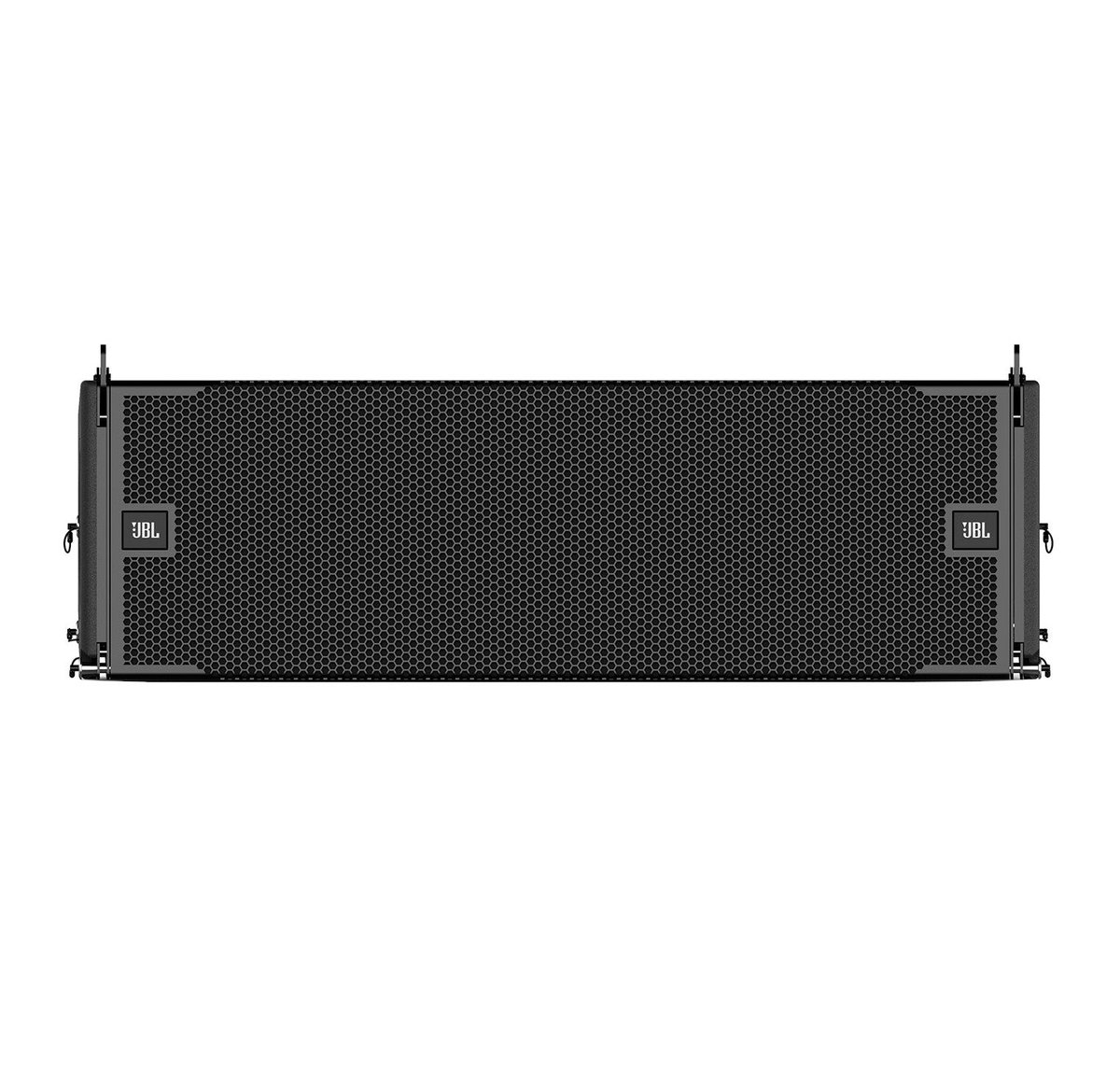
Condition grading and service history are the buyer's best defence against regional surprises. Grade A means near-mint and fully tested, Grade B is fully functional with visible wear, and Grade C is functional but needs service — for cables, Grade C often means a re-termination or a replaced connector is already due. Ex-rental stock from rental liquidation and venue refreshes usually carries service history, which is worth more than a shiny jacket. A used JBL VTX A12 line array element, Grade B at $7400, stock 16, MOQ 4, is a useful benchmark: cosmetic wear on grilles but all transducers tested within spec, and rigging frames available — the same discipline applies to snakes, where you want the channel test and continuity report, not just photos.
Buyers ask the same questions in every market: "Is a used stage cable and snake system still worth it in 2026?" and "How do I check a used snake before buying?" The answer is yes when the landed cost beats new and the connector standard matches the destination; check channel-by-channel continuity, confirm the multipin format, inspect the fan-out for solder joints, and verify the voltage and plug type on every tail. A 90-day warranty and a 52-point bench test are the minimum you should accept — and 12,400+ units sold across 60+ countries is a reasonable signal that the seller has shipped into your region before.
Closing takeaway: spec the destination first — voltage, plug standard, CE/UL requirement and duty — then buy the used stage cables and snake systems that already match it, or budget explicitly for re-termination. A Grade A lot with the right tails is cheaper than a Grade B bargain that needs new connectors and a customs broker.