The used pro audio market is shifting toward late-model digital consoles and line arrays from rental liquidations, while wireless gear faces tighter spectrum rules. Buyers who verify service history, voltage, and grading before purchase can cut costs 40–60% versus new. Here is what is changing and how to act.
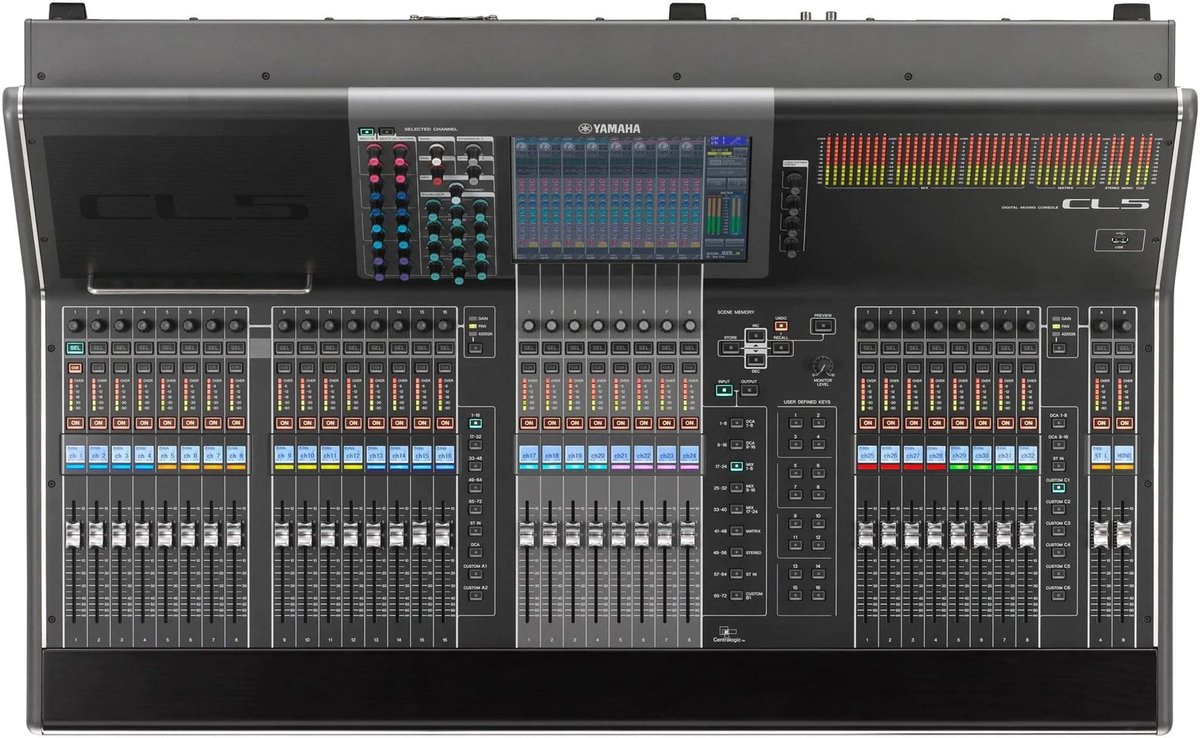
Digital consoles dominate the used market right now, and the reason is simple: rental fleets are refreshing to newer platforms, pushing fully functional late-model desks into the secondary channel. A 48-fader console like the Behringer Wing, grade A from 2023, lists at $4,200 with 28 mix buses and a touch workflow — roughly half the street price of a comparable new desk. The practical question buyers type into Google is "How do I check a used digital console before buying?" Start with fader calibration and PSU health: ask for a bench report showing every channel and bus tested, confirm the firmware is current, and check that the console was factory reset. On a Yamaha CL5, for example, you want the meter bridge and road case included and the 33+2 motorized faders verified across the full 72 mono + 8 stereo input path. Dante cards are a common failure point on aging desks, so request a 64x64 network loop test before money changes hands.
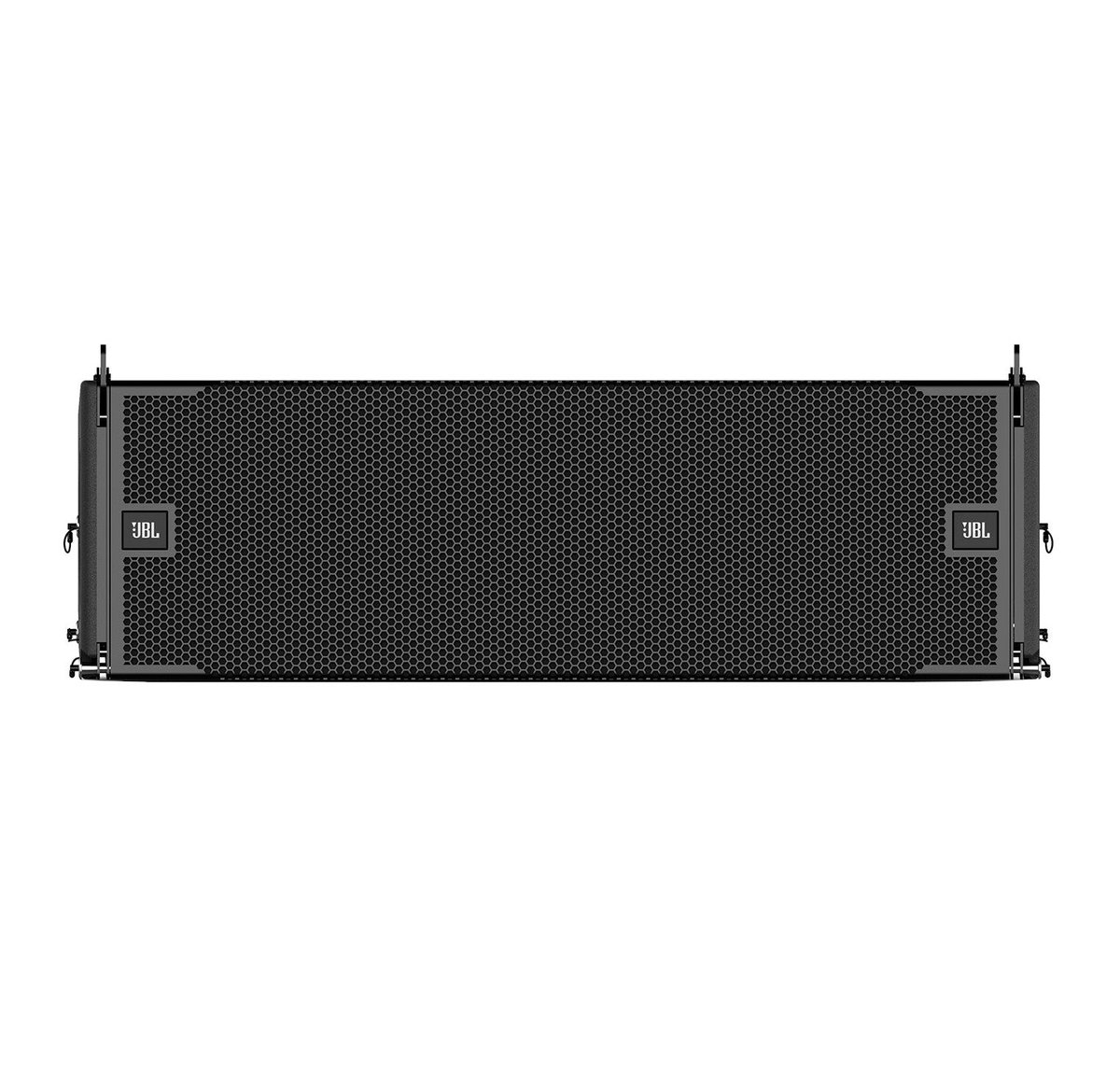
Line arrays are the other big mover, but condition varies wildly between stadium fleets and installs. A 3-way element like the JBL VTX A12, grade B from 2017, runs $7,400 with 2 x 12 in LF drivers and 120/90-degree coverage — but grade B means cosmetic wear on grilles, so the real check is transducer performance, not paint. Ask for impedance sweeps on every driver and confirm rigging frames are included; replacement frames and fly bars often cost more than the discount you got on the boxes. "Is a used line array still worth it in 2026?" Yes, if the transducers test within spec and the rigging hardware is complete — a 16-box VTX A12 inventory at MOQ 4 gives you a scalable array for half of new pricing, provided you budget for recone kits on the oldest cabinets.
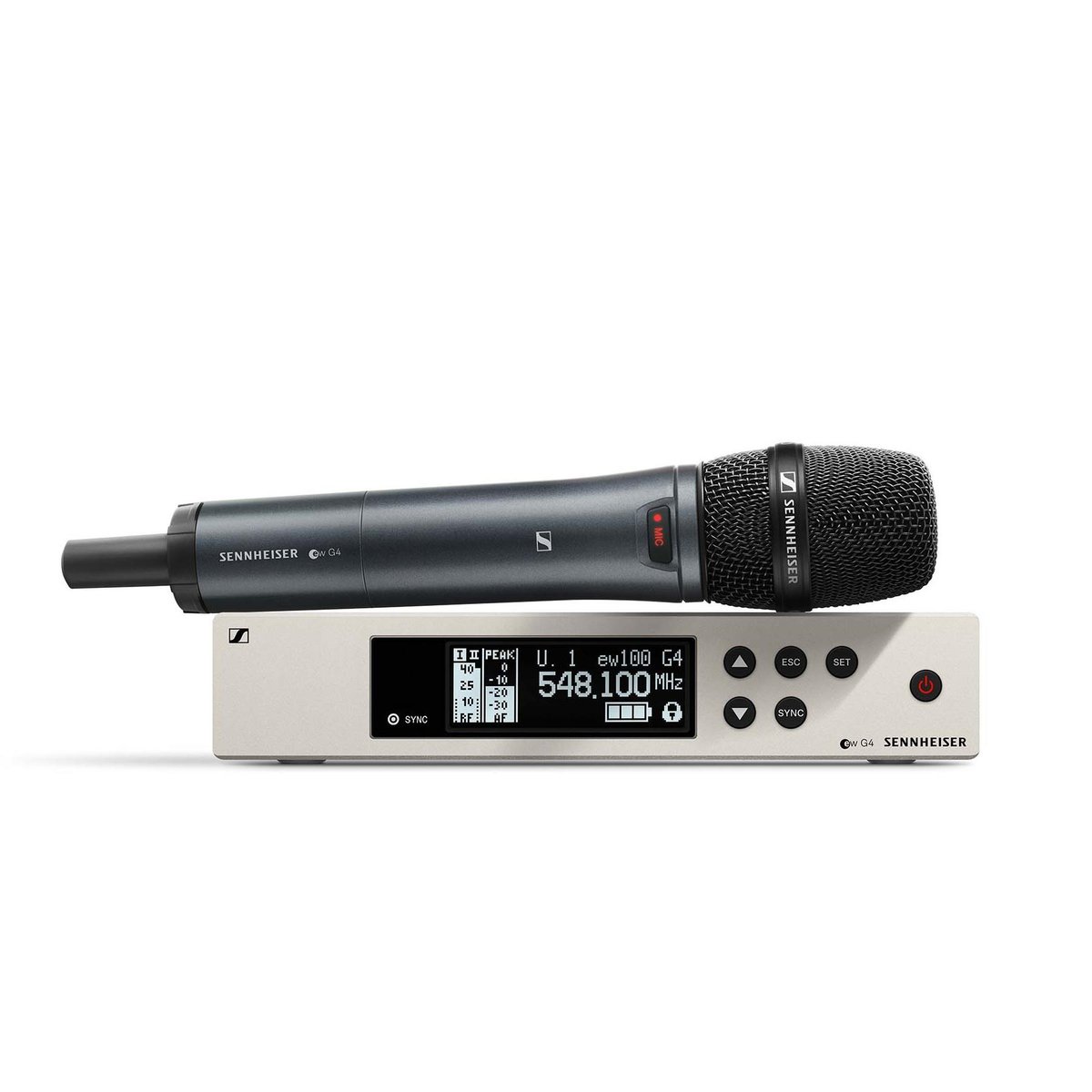
Wireless is where the market is tightening fastest. Spectrum auctions and regional licensing mean a UHF system that worked in 2019 may be illegal or interference-prone in your market today. The Sennheiser ew 100 G4, grade A from 2021, at $380 per set with e 835 capsules and up to 100 m range, is a solid workhorse — but only if the frequency band is legal in your country. Always request the documented frequency range before buying, and batch-test receivers against your local TV channel map. Buyers in the CIS, Middle East, and Africa should confirm licensing rules with a local coordinator; a cheap set that violates spectrum rules is a liability, not a bargain.
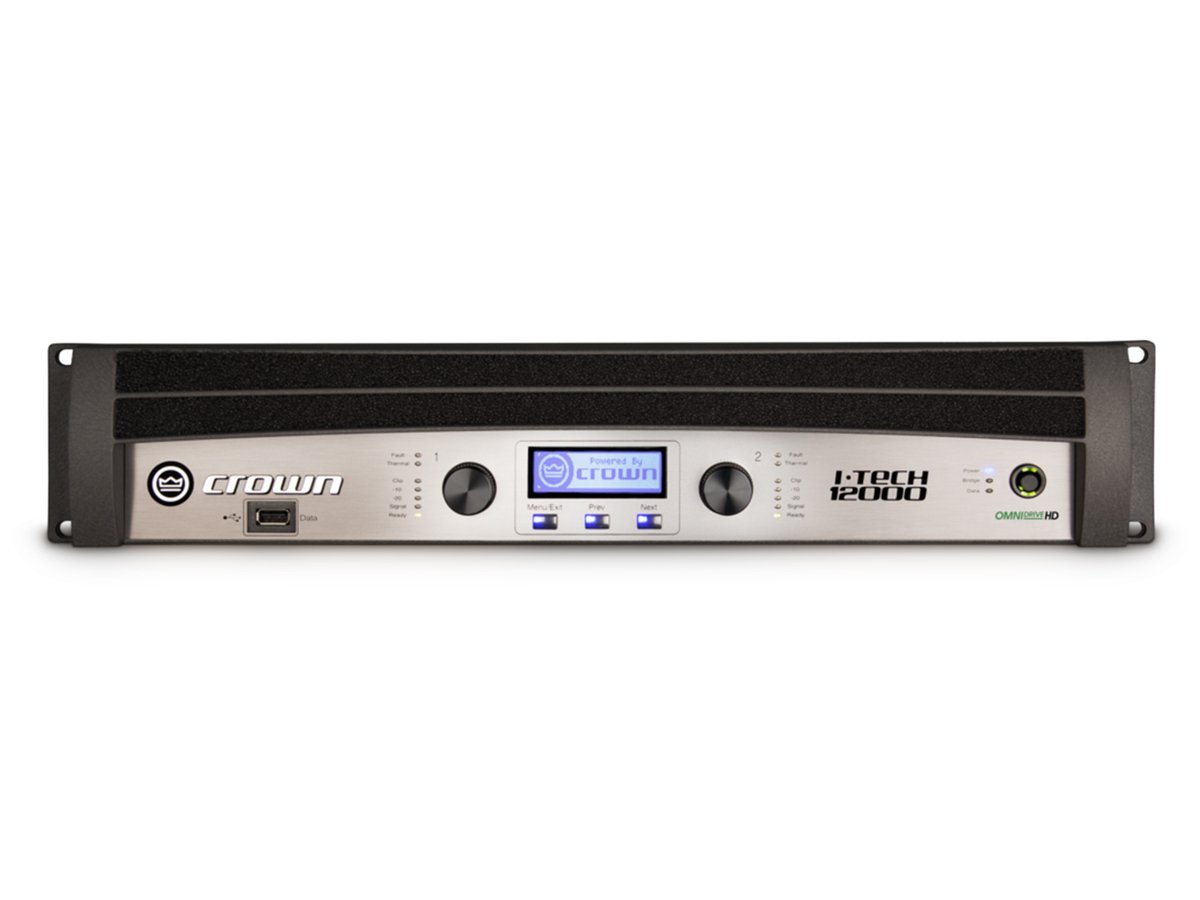
Rental demand is reshaping what buyers should stock. Corporate events and fixed installs are driving demand for reliable, serviceable amplifiers and consoles rather than bleeding-edge flagships. A Crown I-Tech 12000HD, grade A from 2019, at $4,950 with 2 x 4,500 W at 4 ohms and OmniDrive HD DSP, is the kind of clean rackmount unit that rental firms snap up because it is proven and repairable. The question procurement teams ask on LinkedIn is "rental vs outright purchase for a growing inventory?" — and the math favors buying used when utilization exceeds roughly 60%: a $4,950 amplifier pays for itself against rental fees within a typical season, and you keep the asset. Ex-rental units often carry service history, which is worth more than a cosmetic grade A label.
Comparison shopping on used gear comes down to grade and risk, and the numbers make the trade-offs clear. A grade A Behringer Wing at $4,200 versus a grade B JBL VTX A12 at $7,400 illustrates the spread: the console is near-mint and fully tested with current firmware, while the line array is fully functional with visible grille wear and needs transducer verification. Grade C units are cheaper still but need service — budget typically 15–25% of the purchase price for recone or board-level repair. Across 12,400+ units sold in 60+ countries, the pattern is consistent: grade A commands a premium but carries the least surprise cost, grade B is the sweet spot for rental fleets that will cosmetic-touch anyway, and grade C only makes sense if you have in-house techs.
Regional fit is the factor buyers most often overlook, and it kills deals at customs. Mains voltage matters: 110V gear needs a step-up transformer in 220V markets, and vice versa. CE/UL certification affects whether you can legally deploy in the EU and Gulf states, and customs duty for CIS, Middle East, South America, and Africa typically adds 5–20% on top of freight. Confirm connector standards (Schuko, UK, US) and request the original test documentation. Every unit here passes a 52-point bench test covering power-on, channel-by-channel signal, and cosmetic-versus-functional grading, with a 90-day warranty and returns accepted on tested failures — use that as your baseline when comparing sellers.
The takeaway: buy late-model digital consoles and line arrays from rental liquidations while prices are soft, but verify transducer health, fader calibration, frequency legality, and voltage before you commit. Grade A and B units with documented service history and a 90-day warranty are the lowest-risk path into used sound equipment for sale in 2026 — and the savings versus new are real, not cosmetic.