Most buyers fixate on the sticker price when shopping for used pro audio gear. Condition grading explained properly isn't about cosmetics—it's the key to calculating total cost of ownership. A cheap console that needs a $1,200 power supply replacement is no bargain. A "mint" amplifier with no service history can cost more in downtime than a scuffed unit with fresh caps. Let's break down the math: purchase price, repair and recone, transport, insurance, and resale value. That's the real cost of running a used rig.
Start with purchase price, but don't stop there. A used Behringer Wing might list at $2,800 in B-grade condition, while an A-grade unit fetches $3,400. The $600 gap looks significant until you factor in what B-grade means: minor fader wear, a scratch on the touchscreen, maybe a missing knob. If those don't affect function, the B-grade unit is the smarter buy—unless the seller can't document its service history. Always ask for the serial number and check it against the manufacturer's database for known issues. For mixers like the Wing, early production runs had occasional DSP board failures; a unit that's already had that board replaced is worth more than a pristine one that hasn't.
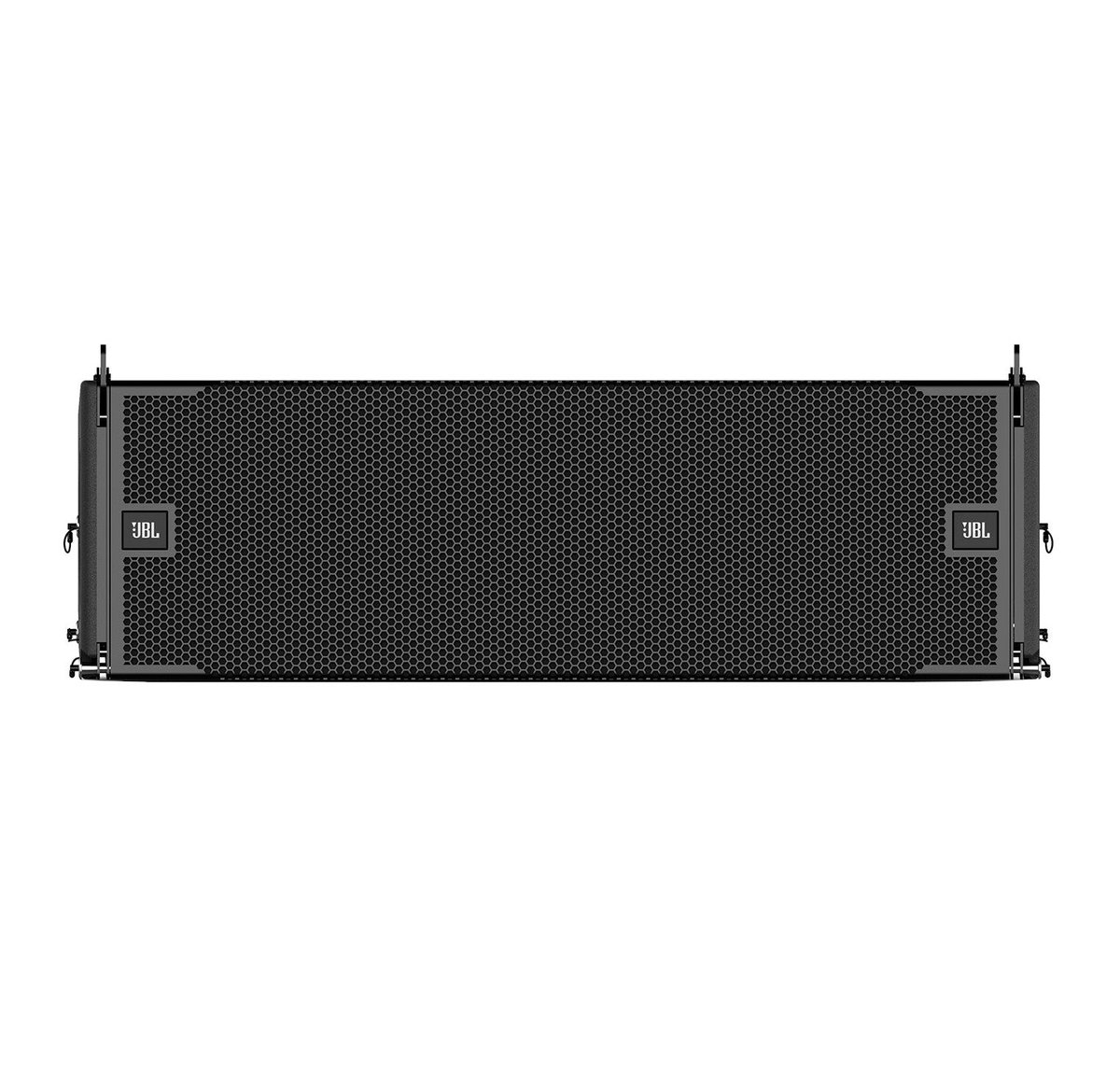
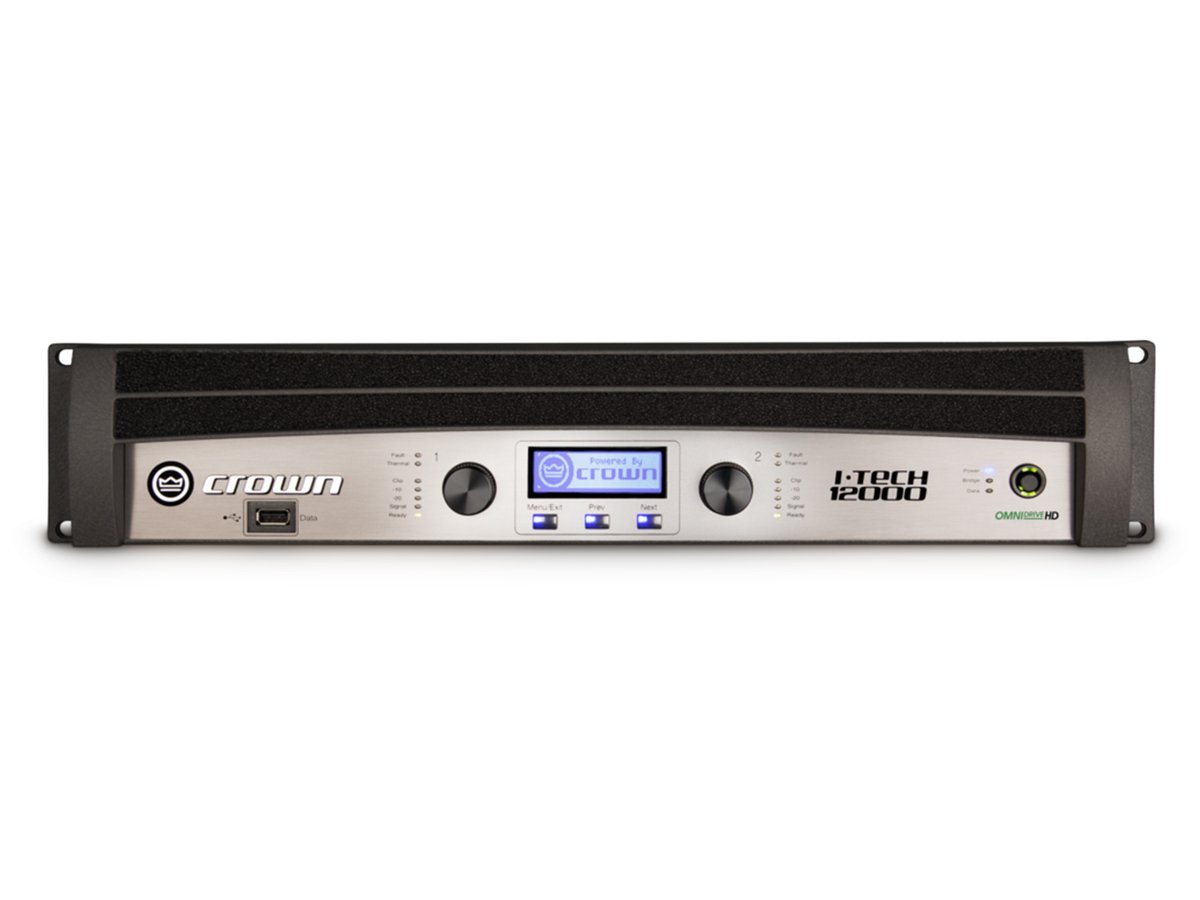
Repair and recone costs are where the math gets ugly. A JBL VTX A12 in "good working condition" might need a recone after two years of rental abuse. A single 12-inch recone kit runs $350–$500 plus labor, and if the voice coil is burnt, add another $200. Multiply that by eight cabinets in a line array, and you're looking at $4,000–$5,600 in deferred maintenance. That's why smart buyers ask for impedance sweeps and frequency response plots before committing. If the seller can't provide them, budget for a full inspection at a local service center—typically $75–$150 per box. The same logic applies to amplifiers: a Crown I-Tech 12000HD with original capacitors is a ticking time bomb. Recap kits cost around $400, and a qualified tech will charge $300–$500 for the job. Factor that into your offer.
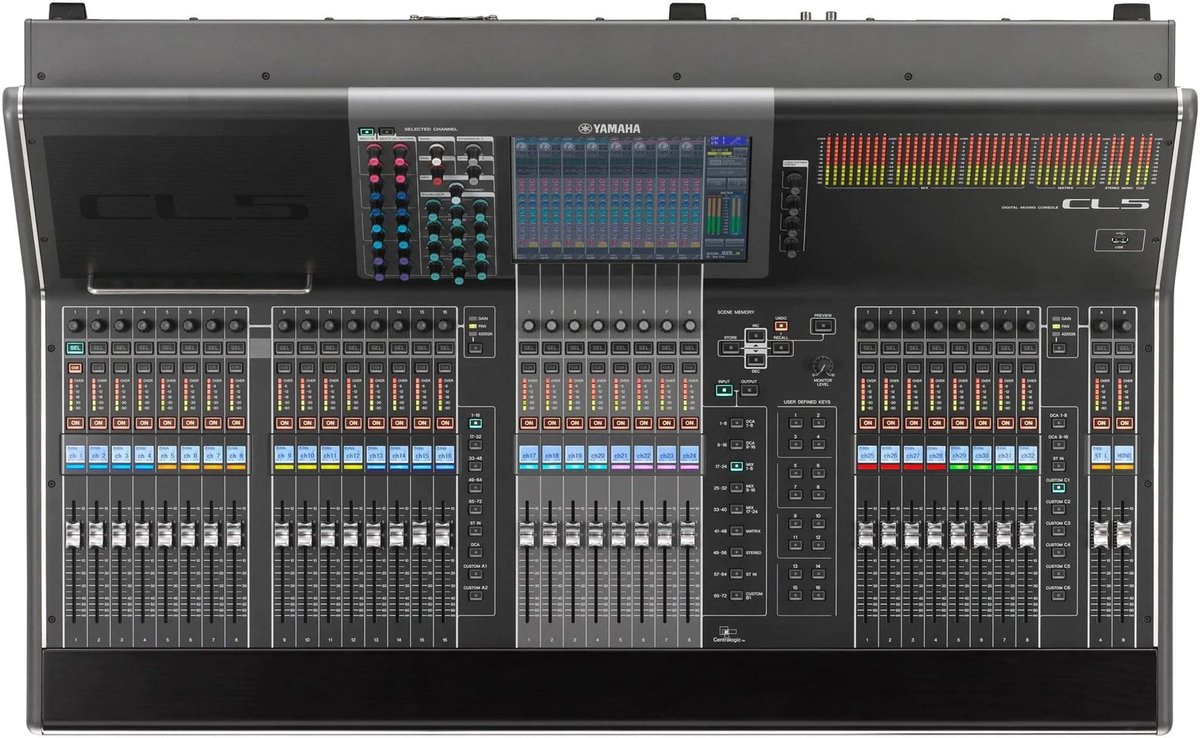
Transport and insurance are the silent budget killers. Shipping a used line array from Europe to the Middle East can cost $1,200–$2,500 depending on weight and crating. Insurance adds 1–3% of the declared value, and many carriers exclude used gear from full coverage unless you provide a professional appraisal. For a $15,000 console like the Yamaha CL5, that's $150–$450 extra—and if the freight forwarder drops it, you'll fight for months. Always insist on original flight cases or custom crates; a CL5 in a cardboard box is a write-off waiting to happen. Also check mains voltage: gear from the US runs on 120V, while CIS and Middle East markets use 220–240V. A step-down transformer costs $200–$400, but a wrong-voltage power-up can fry the PSU instantly.
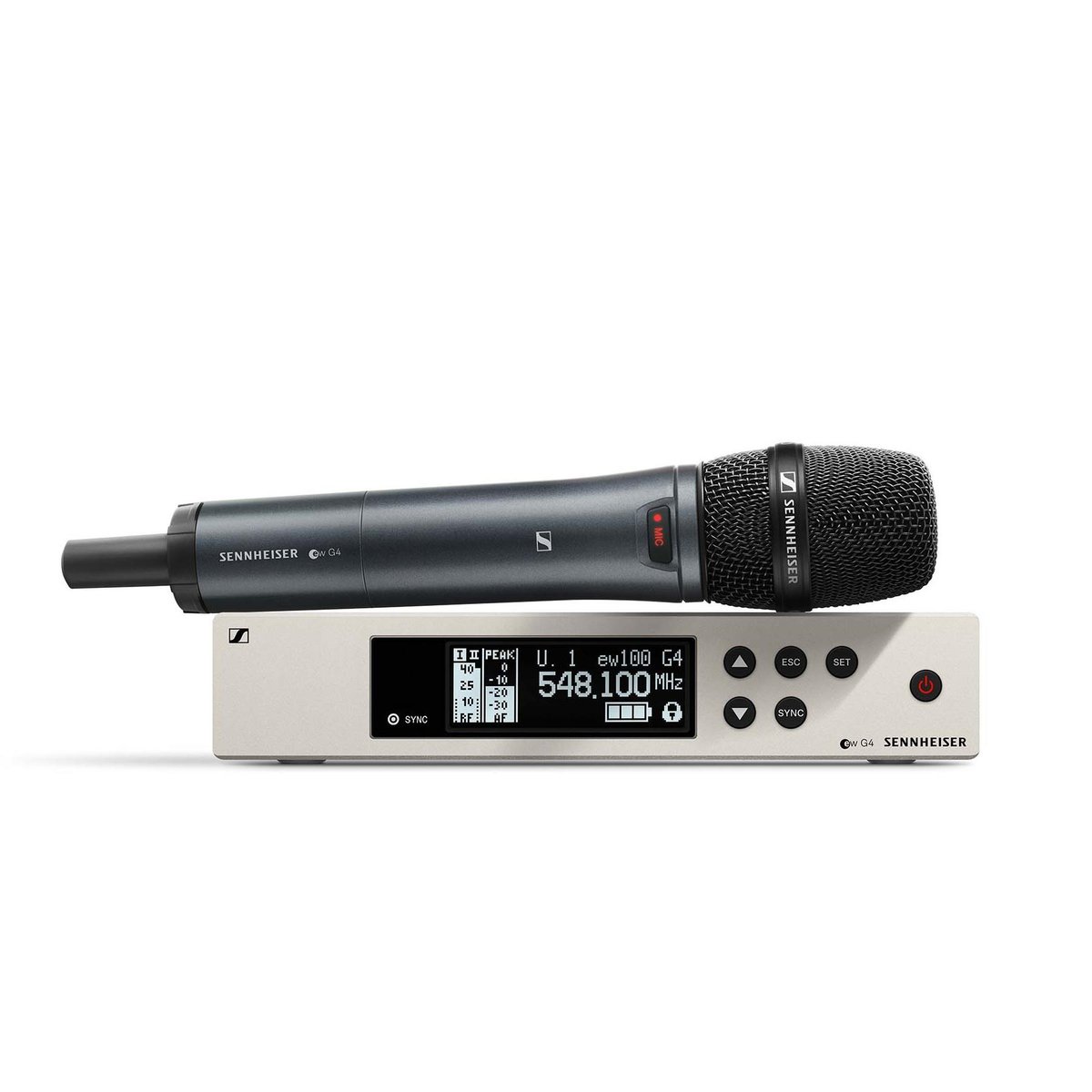
Resale value is the final piece of the puzzle. Used pro audio gear depreciates fast, but condition grading directly affects how much you recover. An A-grade Sennheiser ew 100 G4 wireless system might hold 60% of its original value after three years, while a C-grade unit with a cracked body and missing antenna drops to 30%. The difference is $200–$300 per channel—and in a 16-channel rental fleet, that's $3,200–$4,800. Buyers in South America and Africa often pay a premium for well-documented gear because local service is scarce. Keep every service record, original box, and accessory; it's not sentimental, it's equity.
So what's the practical takeaway? Treat condition grading as a financial tool, not a cosmetic label. Before you buy, ask three questions: What's the service history? What's the cost to bring it to A-grade? What's the resale value in my market? If the total cost of ownership—purchase plus repairs plus transport plus insurance minus resale—beats a new unit, buy used. If not, walk away. The cheapest rig is the one that doesn't break down mid-tour.