Most used-gear deals go wrong not because the box was dead on arrival, but because the buyer never pinned down what happens after the money clears. A used audio gear testing checklist is useful, but it only protects you if the warranty, spare-part reality and order terms are agreed before shipping. Below is how experienced buyers in the CIS, Middle East, South America and Africa actually structure the after-sales side of a used purchase.
Start with what a used-gear warranty really covers, because the word means different things to different sellers. On a used Behringer Wing, for example, a typical dealer warranty runs 30–90 days and covers functional failure of the unit as delivered — not cosmetic wear, not firmware bugs, not damage from incorrect mains voltage. Ask specifically: does it cover parts and labour, or parts only? Is it return-to-base or on-site? Who pays freight both ways? A console that fails in week three can cost more in round-trip shipping than the warranty is worth if the seller is 4,000 km away. Get the answer in writing on the invoice, not in a chat message.
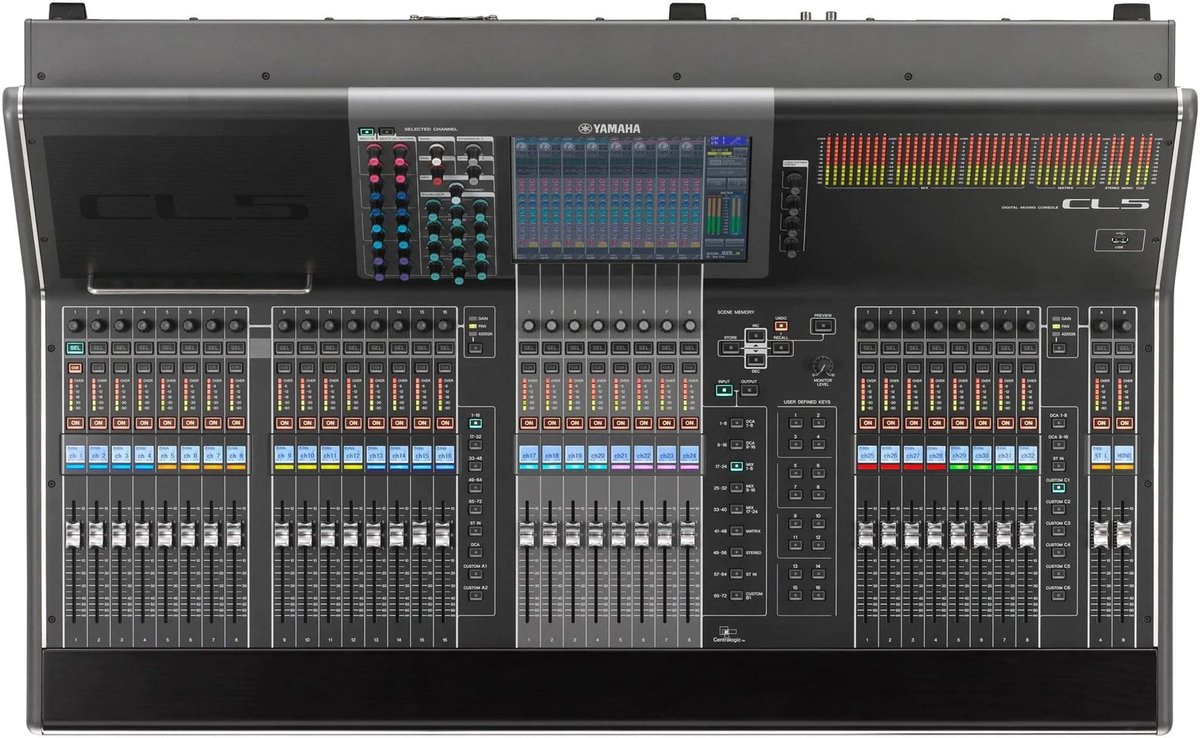
The second question buyers ask constantly — "How do I check a used digital console before buying?" — is really a question about what the seller will stand behind after you power it up. For a Yamaha CL5, insist on a test protocol: all input channels and faders exercised, Dante or MY-card slots verified, screen and encoders checked, and a burn-in of at least two hours at operating temperature. Ask for the test results in writing, with the serial number and date. If the seller won't provide them, treat the warranty as decorative. This is also where a used audio gear testing checklist earns its keep: a documented test is the only evidence you have if a fault appears in week two.
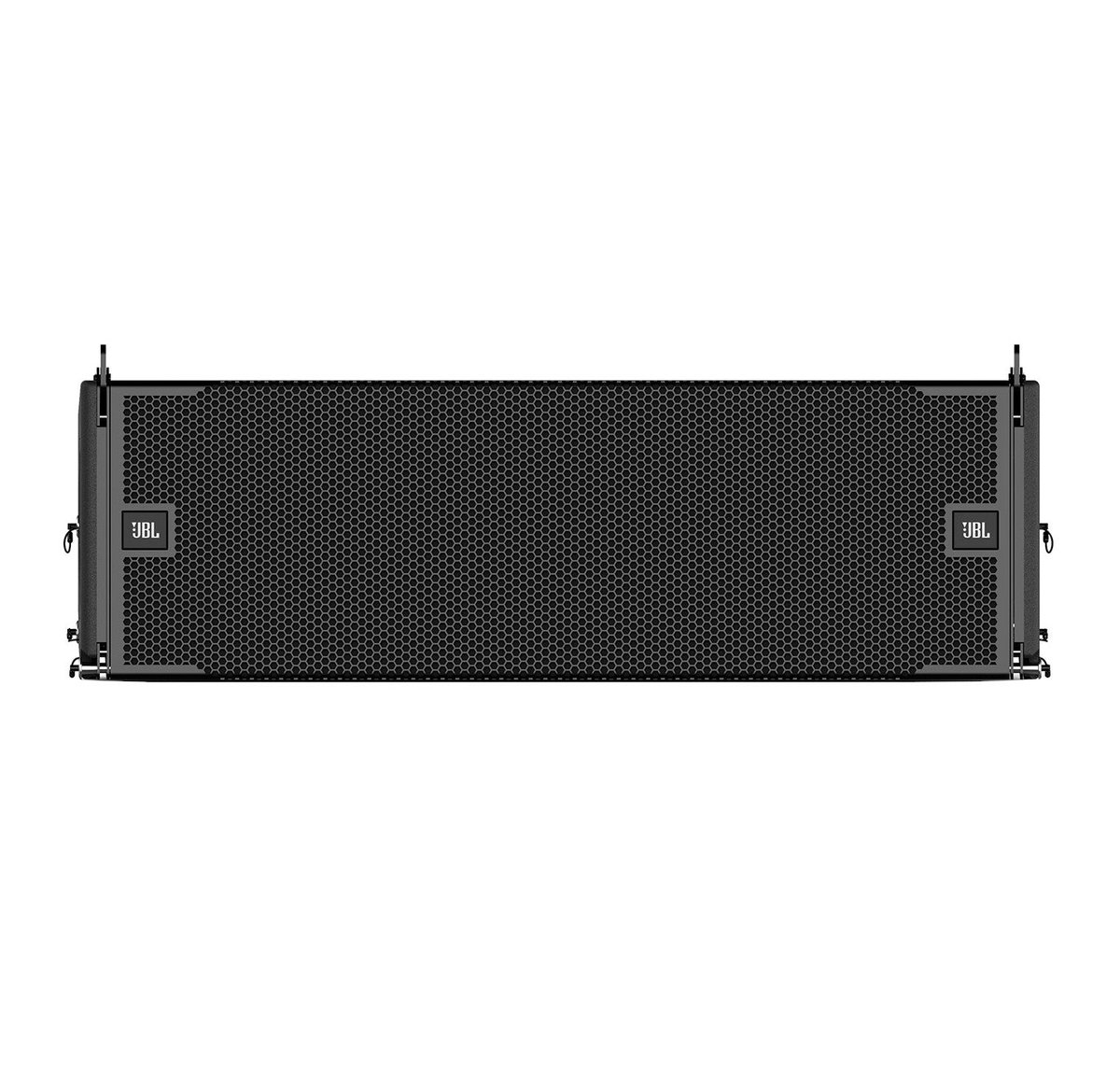
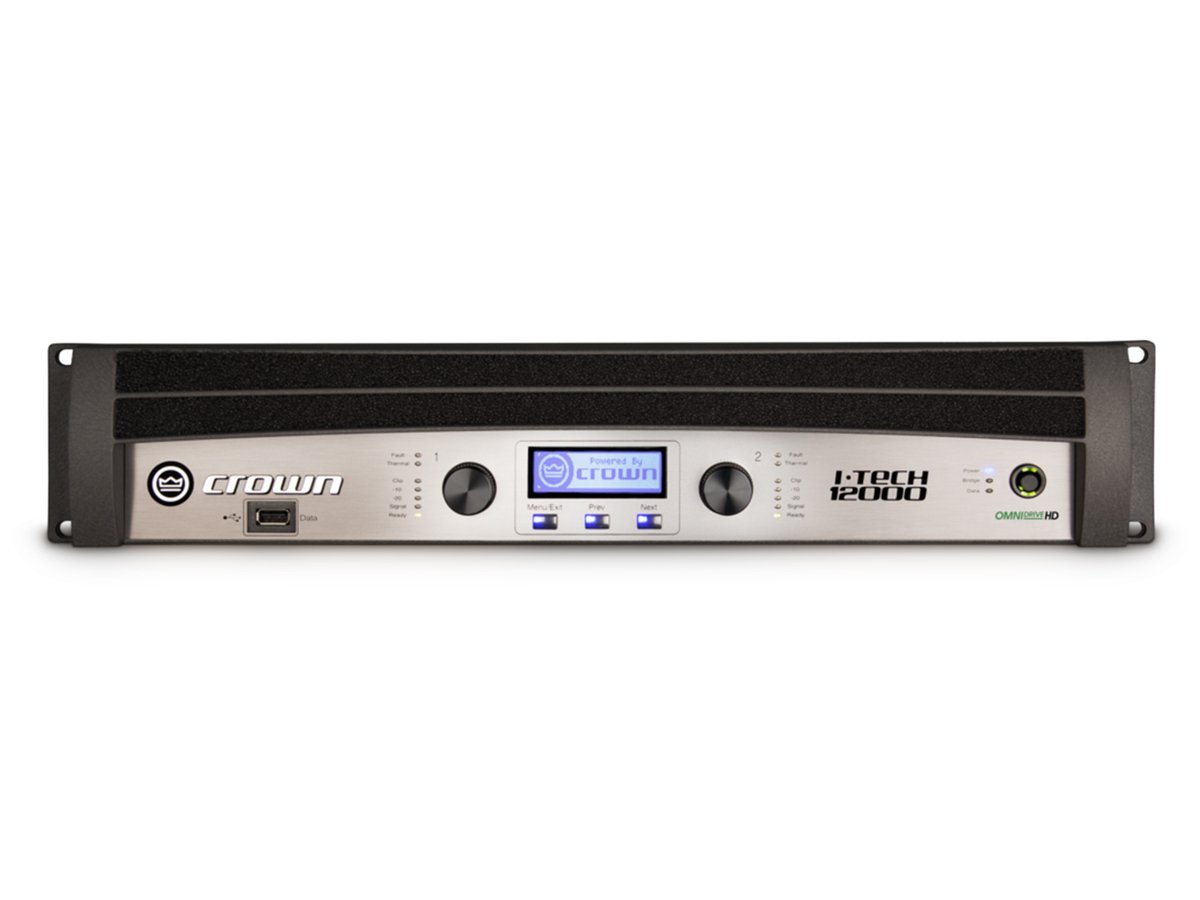
Spare-part availability is the quiet deal-breaker, and it varies wildly by brand and age. A Crown I-Tech 12000HD is a workhorse in rental racks, but its power-supply boards and output modules are not always on the shelf, and a failed module can sideline the amp for weeks. Before you buy, ask the seller or the local distributor: which boards are still stocked, what is the lead time, and what is the typical repair cost? For speakers, recone kits and diaphragm assemblies are the critical spares — a JBL VTX A12 with a blown HF driver is only cheap if the diaphragm is available locally. If the answer is "we can source it," get a lead time in days, not a shrug.
Industry context matters here: rental demand for used line arrays and digital consoles remains strong in the Middle East and CIS, which keeps prices firm and reduces the incentive for sellers to offer long warranties. A typical 60-day warranty on a used mixer is normal; 12 months is a red flag that the price is padded. Dealers who move volume often offer shorter warranties but better spare-part access, and that trade-off is worth understanding before you negotiate. Ask how many units of that model they service per year — a dealer who services ten CL5s a year knows the failure points; one who sold one last year does not.
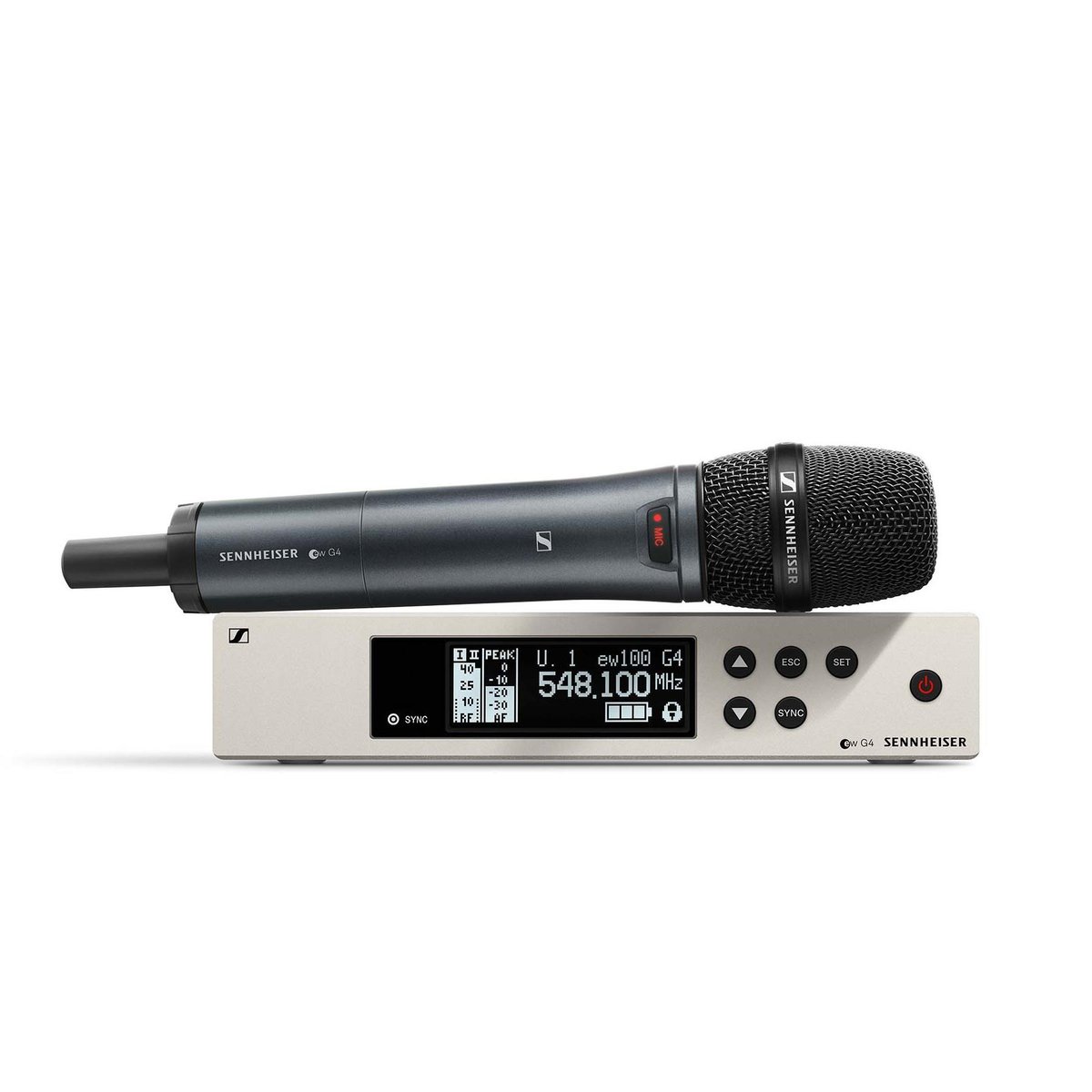
Policy and logistics belong in the order too, especially across regions. Confirm the unit is set for your mains voltage — 230 V in the CIS, Middle East and most of Africa and South America, 120 V in parts of the Americas — and whether the seller will supply the correct power cable and fusing. Check CE/UL marking and ask for the declaration of conformity if you need it for customs. On a Sennheiser ew 100 G4, also confirm the frequency band is legal in your country; a cheap set on the wrong band is a paperweight. And write the Incoterms, duty responsibility and return-shipping cost into the order — a 20% duty surprise on a used amplifier erases the savings fast.
Finally, put the after-sales terms into the order itself, not a side email. The invoice or PO should state: warranty length and what it covers, test protocol and results attached, spare-part lead times for the critical modules, voltage and plug configuration, frequency band where relevant, and the return procedure with who pays freight. Add a clause that the warranty starts on delivery, not on dispatch — a container to Lagos or Almaty can take six weeks, and you don't want half your warranty gone before the gear arrives. A short, specific order document is the cheapest insurance in used audio.
The practical takeaway: treat the warranty, spare-part access and order terms as part of the product. A used audio gear testing checklist tells you whether the unit works today; a well-written order tells you who pays when it doesn't work next month. Buyers who ask those questions before paying get fewer surprises and better gear.