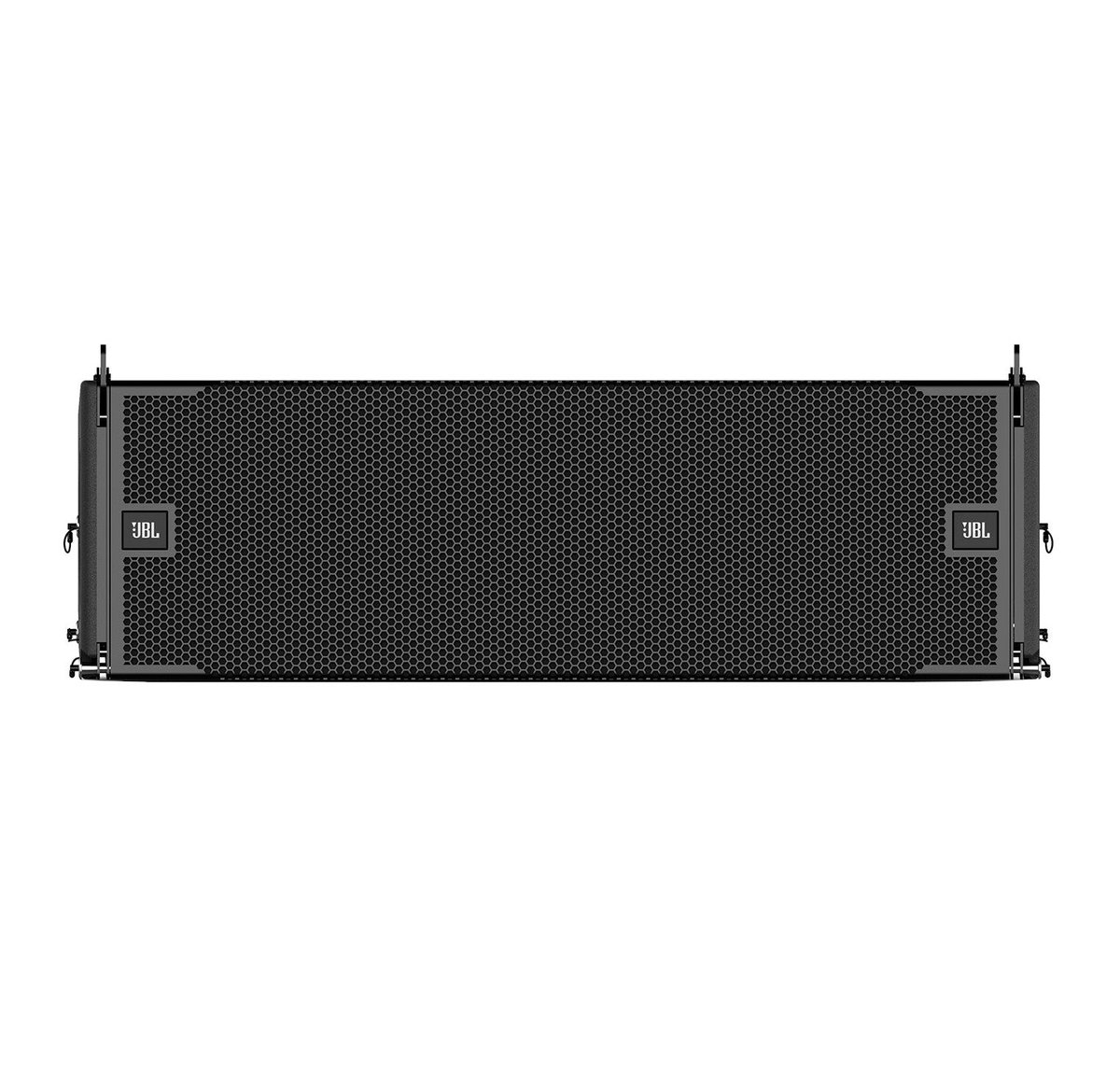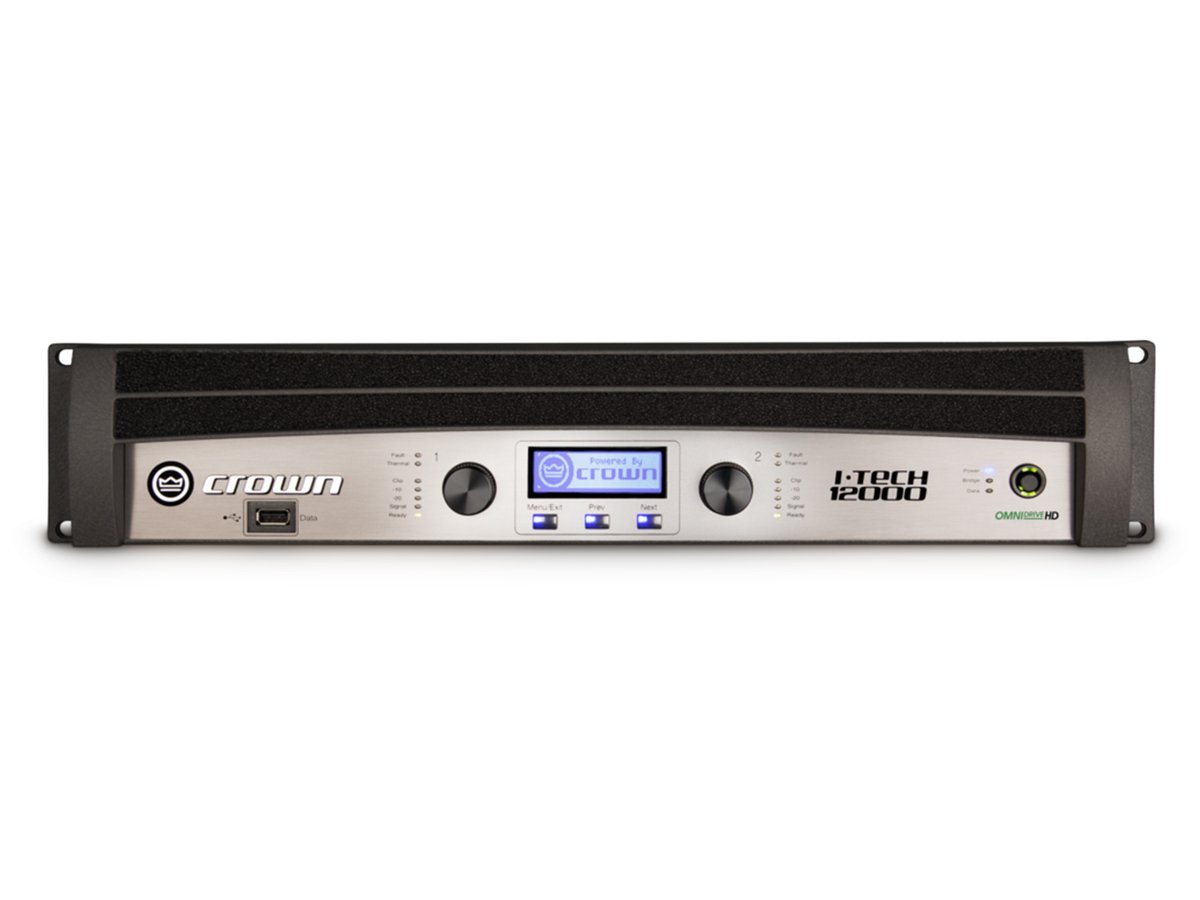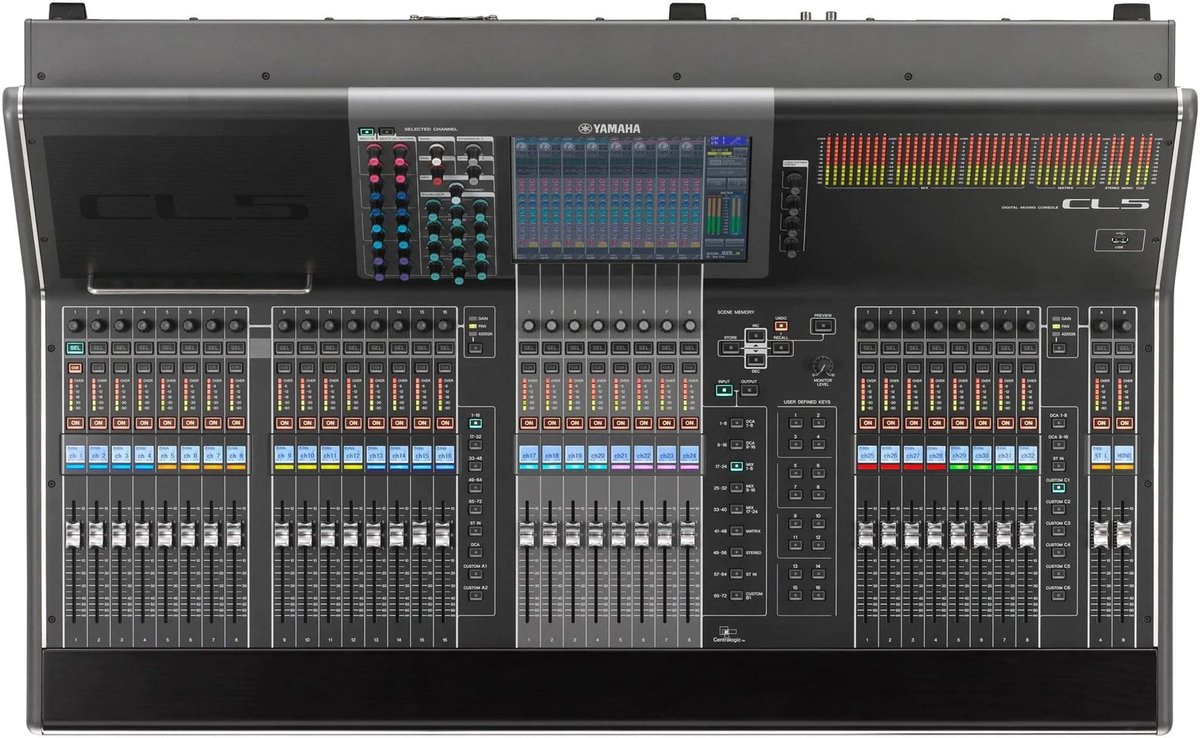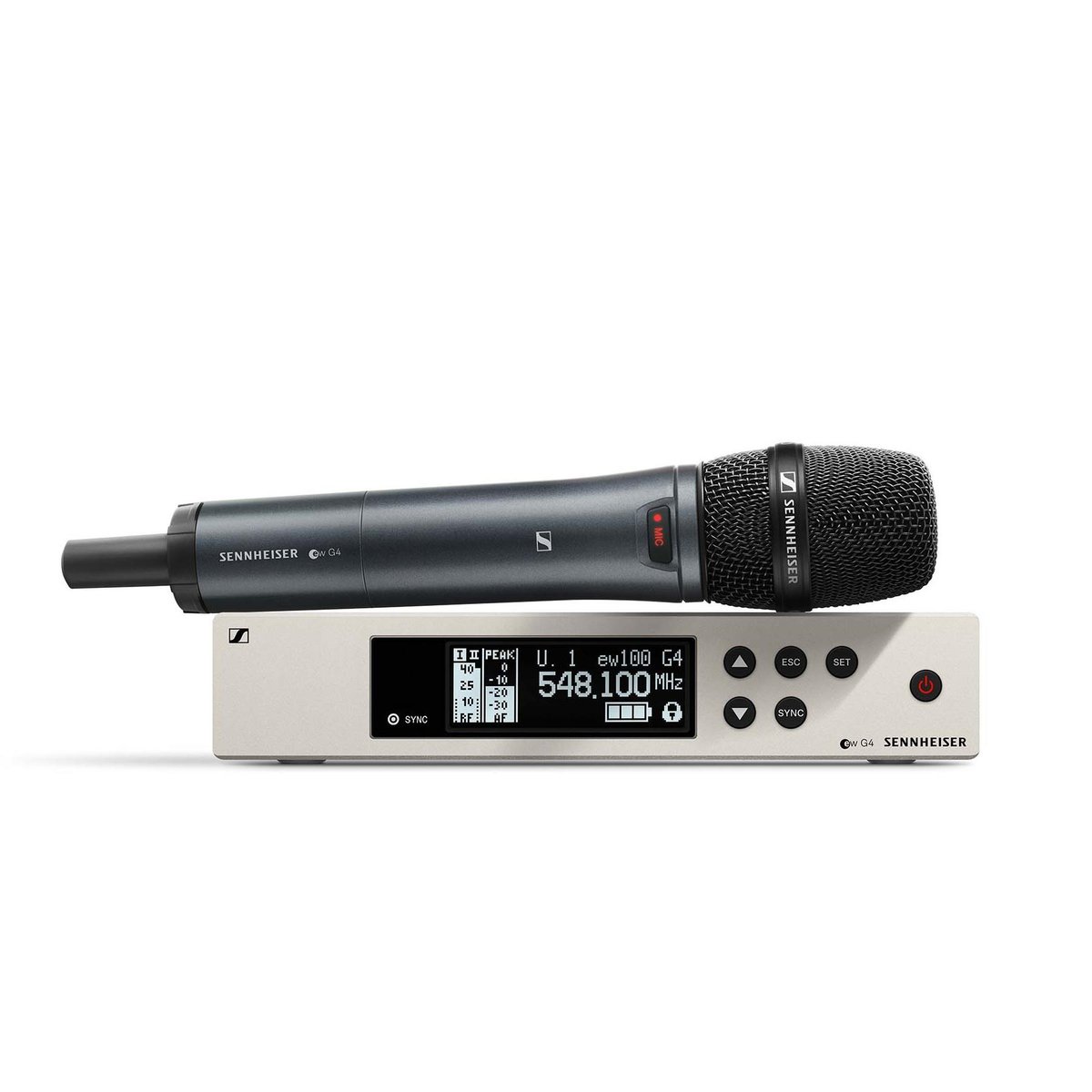
When you source used professional audio gear from a B2B wholesale marketplace, the real cost often hides in shipping and customs, not the gear itself. For rental firms, integrators, and audio engineers across the CIS, Middle East, South America, and Africa, getting a console, amplifier rack, or microphone locker across borders can add 20–40% to the landed price if you don't plan ahead. This guide breaks down the key shipping methods, customs considerations, and inspection steps so you can budget accurately and avoid surprises at the border.
Start by comparing the three main shipping modes for used audio gear: air freight, sea freight, and road courier. Air freight is fastest (3–7 days) and best for high-value, low-volume items like vintage compressors or premium microphones, but it costs $5–9 per kg and triggers full customs scrutiny. Sea freight is cheapest for bulky items like PA speakers or lighting rigs ($1–2 per kg) but takes 25–45 days and requires robust palletizing. Road courier works well within regional trade blocs (e.g., GCC to CIS via Turkey) at $2–4 per kg with 7–14 day transit. For a 200 kg shipment of used amplifiers, sea freight saves roughly $600–1,200 versus air, but you must factor in port fees and demurrage risk. Always get an all-in quote that includes export clearance, freight, insurance, import duties, and last-mile delivery.
Customs valuation is the biggest trap. Most countries assess duty on the CIF value (cost, insurance, freight), not the invoice price alone. Used gear often attracts lower duty rates than new—some jurisdictions apply 0–5% on professional audio equipment classified under HS code 8518 or 8543—but you must provide proof of age and condition. Keep original purchase invoices, service records, and photos showing serial numbers. For shipments over $2,500, a professional customs broker is non-negotiable; they can classify items correctly and avoid reclassification penalties. Also check for country-specific requirements: Saudi Arabia requires SASO conformity for some electronics, Nigeria demands a SONCAP certificate, and Russia/Eurasia Economic Union needs EAC marking for certain gear. Missing these can stall your shipment for weeks.
Before you commit, inspect three things: documentation, packaging, and power compatibility. Ask the seller for high-resolution photos of serial plates, any rack rash, and test reports. Confirm the gear is packed in double-wall cartons with foam inserts—used gear shipped loose often arrives with bent rack ears or cracked circuit boards. Verify voltage and plug type: 120V US gear needs a step-up transformer in 220–240V regions, and 50/60Hz mismatches can affect motors in tape machines. Finally, request a pre-shipment inspection (PSI) from a third party if the order exceeds $5,000; it costs $150–300 and catches dead channels or missing accessories before freight costs are sunk. Your next step: shortlist 2–3 sellers, request all-in landed-cost quotes from two freight forwarders, and confirm customs broker availability in your destination country before paying a deposit.