When you search for used audio gear for sale, the first thing that separates a fair deal from a money pit is the grading. A "Grade A" badge means nothing unless the seller defines it: does it cover cosmetic scratches only, or does it guarantee the unit passed a full powered test? In the wholesale market, grading is the language that sets price, and buyers who understand it can save 20–40% without buying junk.
Grade A typically means the unit is fully functional, has been powered on and tested, and shows only light cosmetic wear — maybe rack rash or a few scuffs, but no dents, no missing knobs, and no history of repair. Grade B means it works but has visible cosmetic issues: deep scratches, a bent rack ear, faded screen, or a replaced fan. The functional status should still be confirmed, but the cosmetic discount is real. The trap is when a seller lists "Grade B" without specifying whether the issue is cosmetic or functional. A Grade B mixer with a scratched faceplate is a bargain; a Grade B mixer with a flaky fader is a project. Always ask for the test report, not just the grade label.
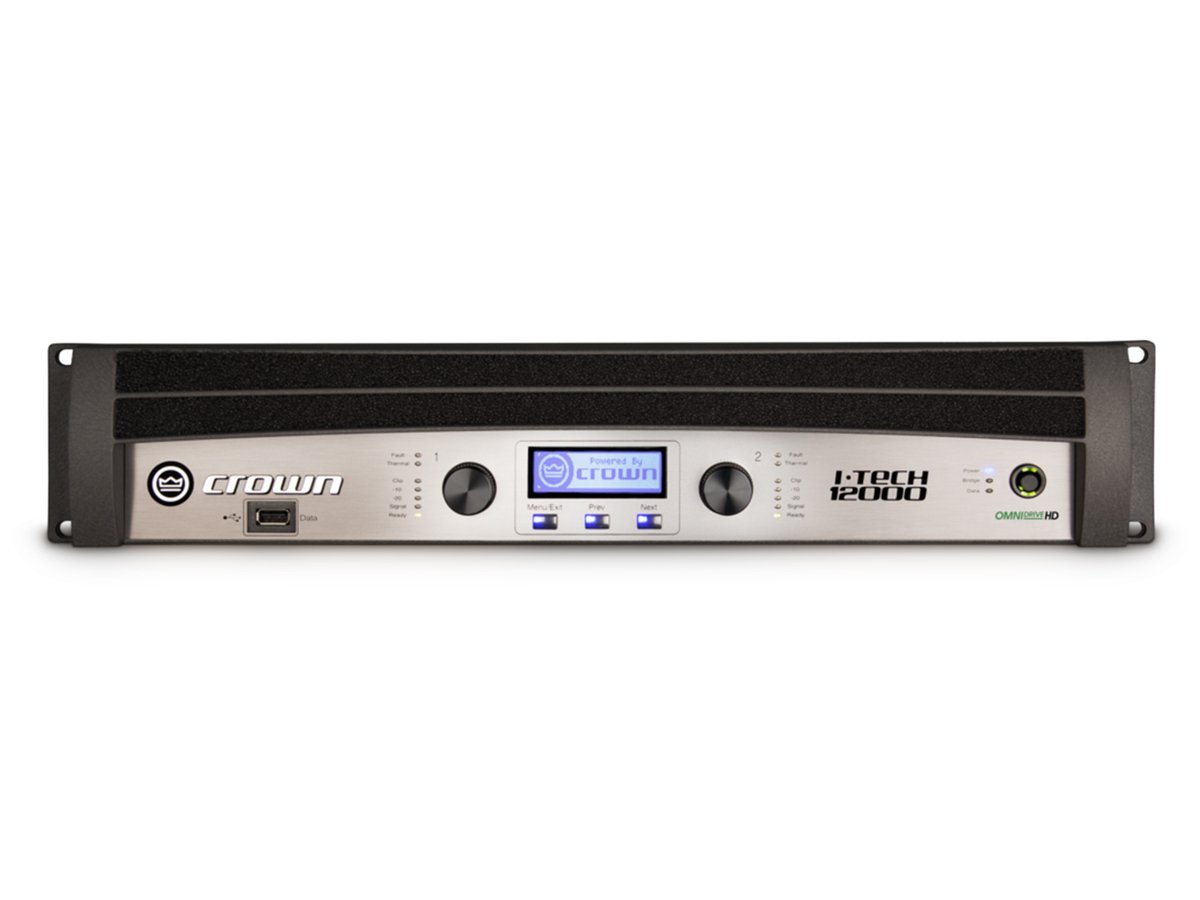
Powered tests are the only way to verify a used unit before it ships. For a digital console like the Behringer Wing, a proper test means booting it, checking every input and output, confirming the touchscreen responds, and running a signal through a few channels to catch dead preamps. For a power amplifier such as the Crown I-Tech 12000HD, you want to see it driven into a load for at least 30 minutes, with temperature and fan behavior noted. A common buyer question is: "How do I check a used digital console before buying?" The answer is to request a video of the boot sequence, a channel-by-channel signal test, and a screenshot of the firmware version. If the seller can't provide that, the grade is just a sticker.
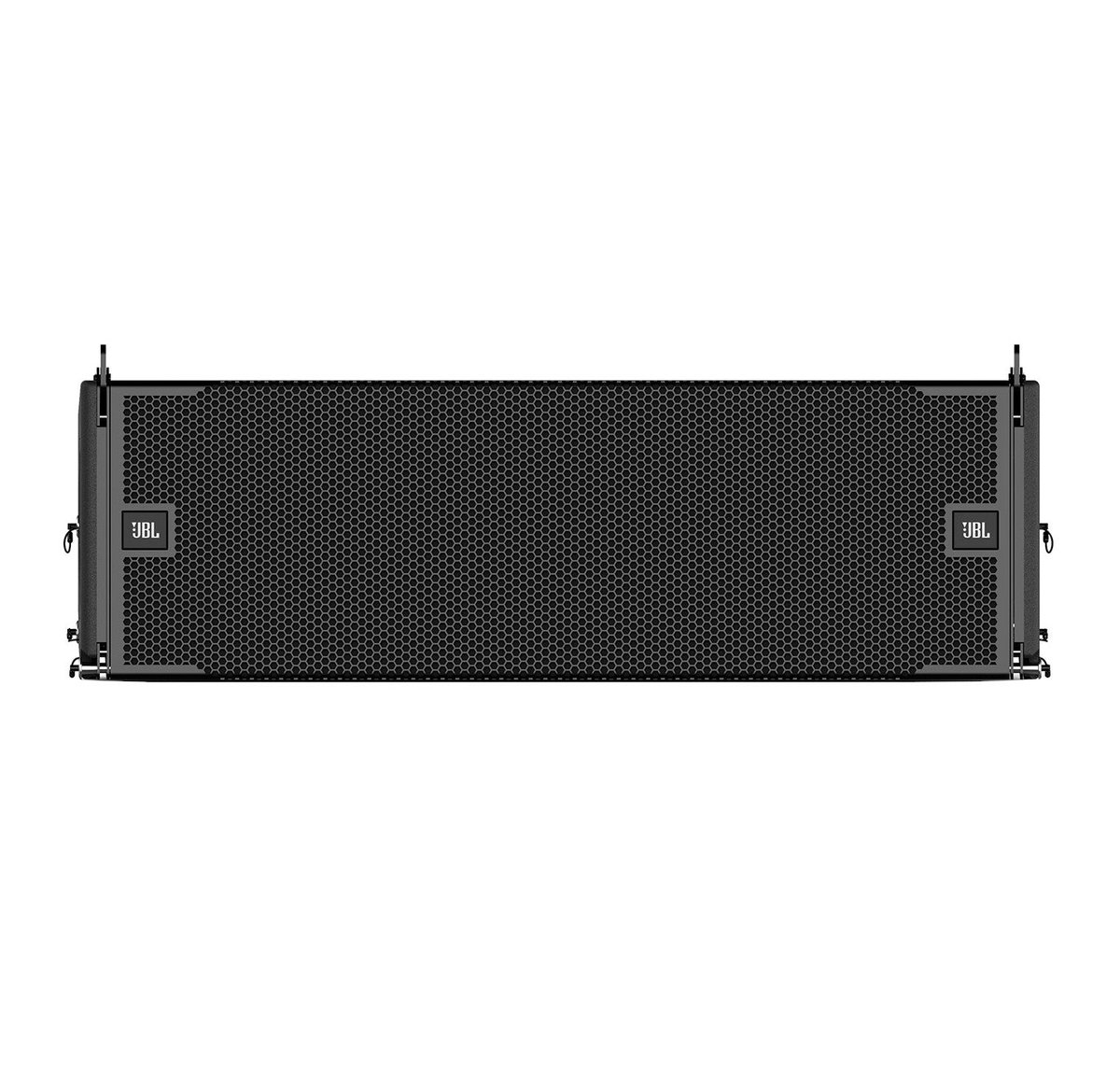
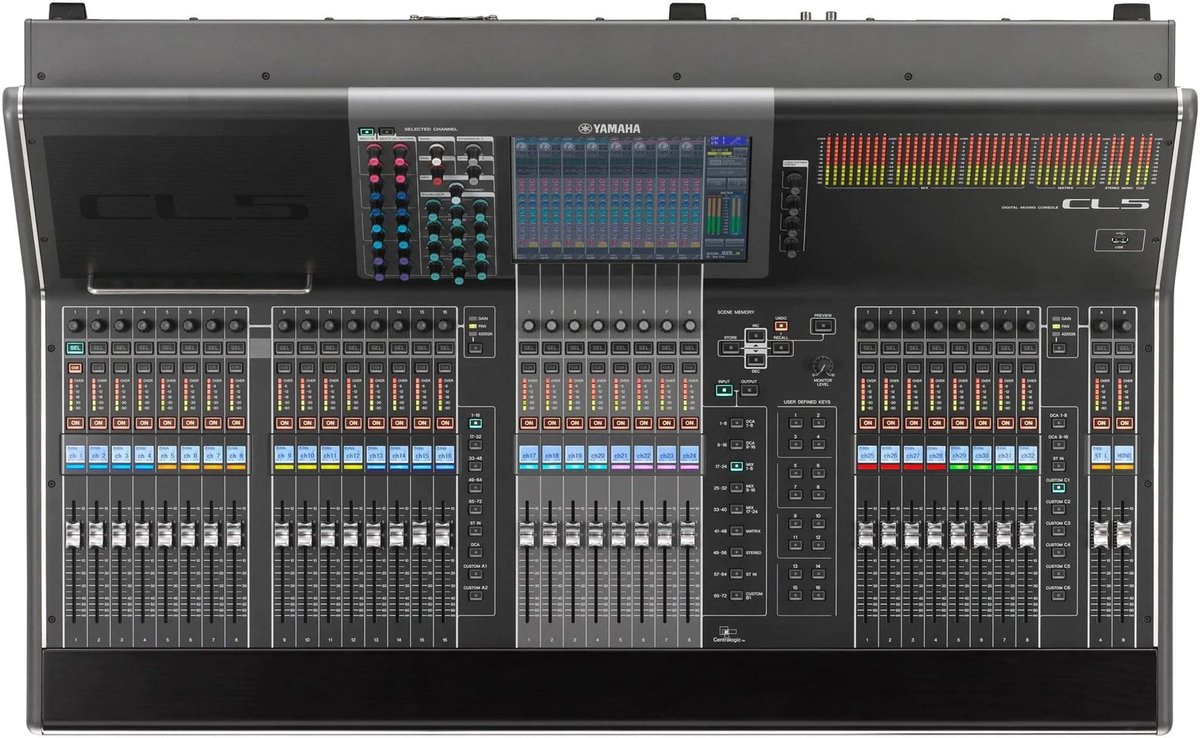
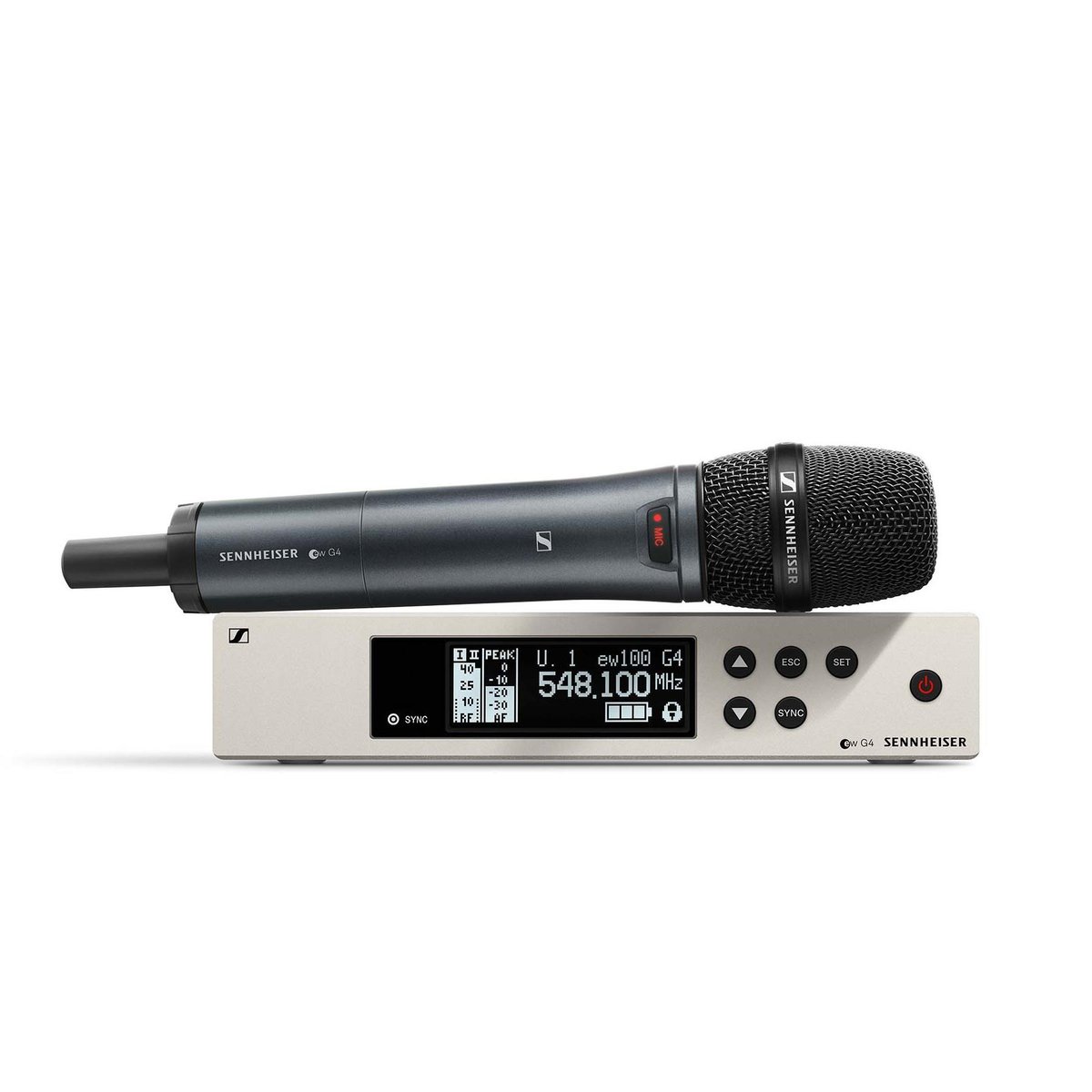
Cosmetic issues are easy to price; functional ones are not. A cracked bezel on a Yamaha CL5 might knock 5–8% off the price, but a faulty touchscreen or a dead fader board can cost hundreds to repair and weeks of downtime. The same goes for speakers: a JBL VTX A12 with a dented grille is cosmetic, but a blown driver or a shifted magnet is functional. Ask specifically about driver condition, recone history, and whether the cabinet has been dropped. For microphones like the Sennheiser ew 100 G4, cosmetic wear on the bodypack is normal, but a damaged antenna or a noisy capsule is a functional defect that should drop the price by 30% or more.
Grading should directly set the price, and in wholesale channels it usually does. A Grade A unit might sell at 60–70% of new street price, while Grade B drops to 45–55%, and Grade C (functional but rough) can go for 30–40%. But those percentages only hold if the grading is honest. In the CIS and Middle East markets, buyers often ask: "Is a used line array still worth it in 2026?" The answer depends on the grade and the service history. A Grade A JBL VTX A12 with original drivers and a recent recone is still a strong rental asset; a Grade B cabinet with mismatched drivers is a gamble. Rental firms care about downtime more than cosmetics, so they will pay a premium for documented powered tests.
Service reality and parts availability affect grading more than most buyers realize. Some models have cheap, available spare boards; others require a donor unit. Before you buy a used amplifier or mixer, check whether the manufacturer still stocks the main PCB, and whether a local service center can calibrate it. For a Crown I-Tech 12000HD, a failed output module can be a costly repair, so a Grade A unit with a recent service record is worth the extra 10–15%. Also consider voltage and compliance: a unit built for 120V needs a step-up transformer in 230V regions, and CE/UL marks matter for rental fleets that cross borders. Customs duties in South America and Africa can add 15–30% to the landed cost, so factor that into the grade-to-price math.
Closing takeaway: treat grading as a contract, not a compliment. Ask for the powered test evidence, separate cosmetic from functional defects, and let the grade drive your offer. A well-documented Grade B unit can be the best value in the room — but only if you know exactly what you're buying.