The sticker price is never the full cost. For a used rig, total cost of ownership = purchase price + repair/recone + transport + insurance + duty − resale value. Buyers who ignore the last four terms routinely overpay by 20–30% compared to those who factor them into used audio equipment payment terms wholesale negotiations.
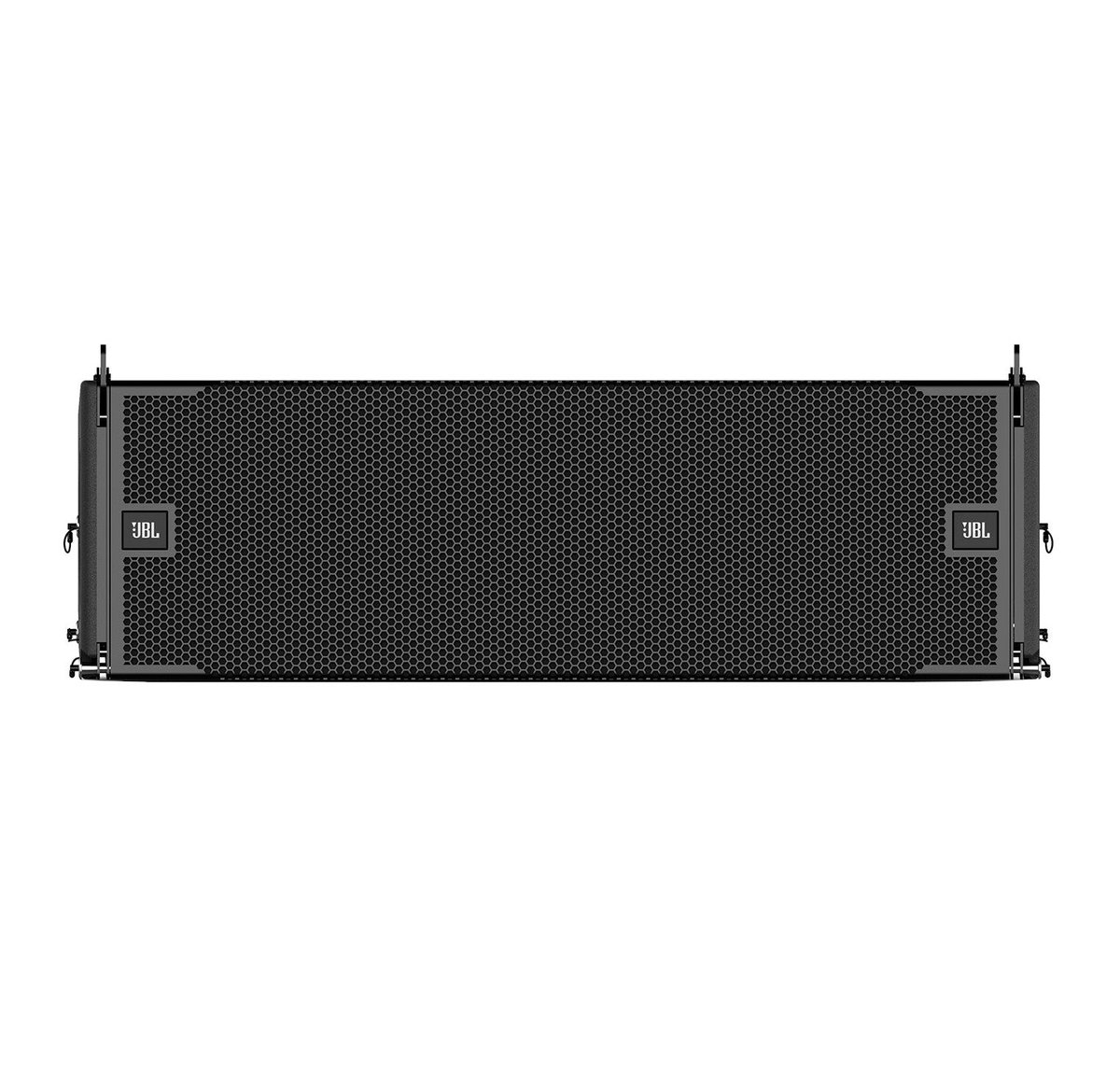
Start with purchase price and condition grade. A Grade A unit like the Behringer Wing at $4,200 (48 motorized faders, 28 mix buses, 2023, stock 3) typically needs zero immediate service, while a Grade B JBL VTX A12 at $7,400 (3-way line array, 2×12 in, 2017, stock 16, MOQ 4) may need grille cosmetics and rigging checks. The $3,200 gap between a Grade A console and a Grade B line array element is not the whole story — a Grade C unit that needs a recone can add $400–$800 per transducer, easily erasing the discount.
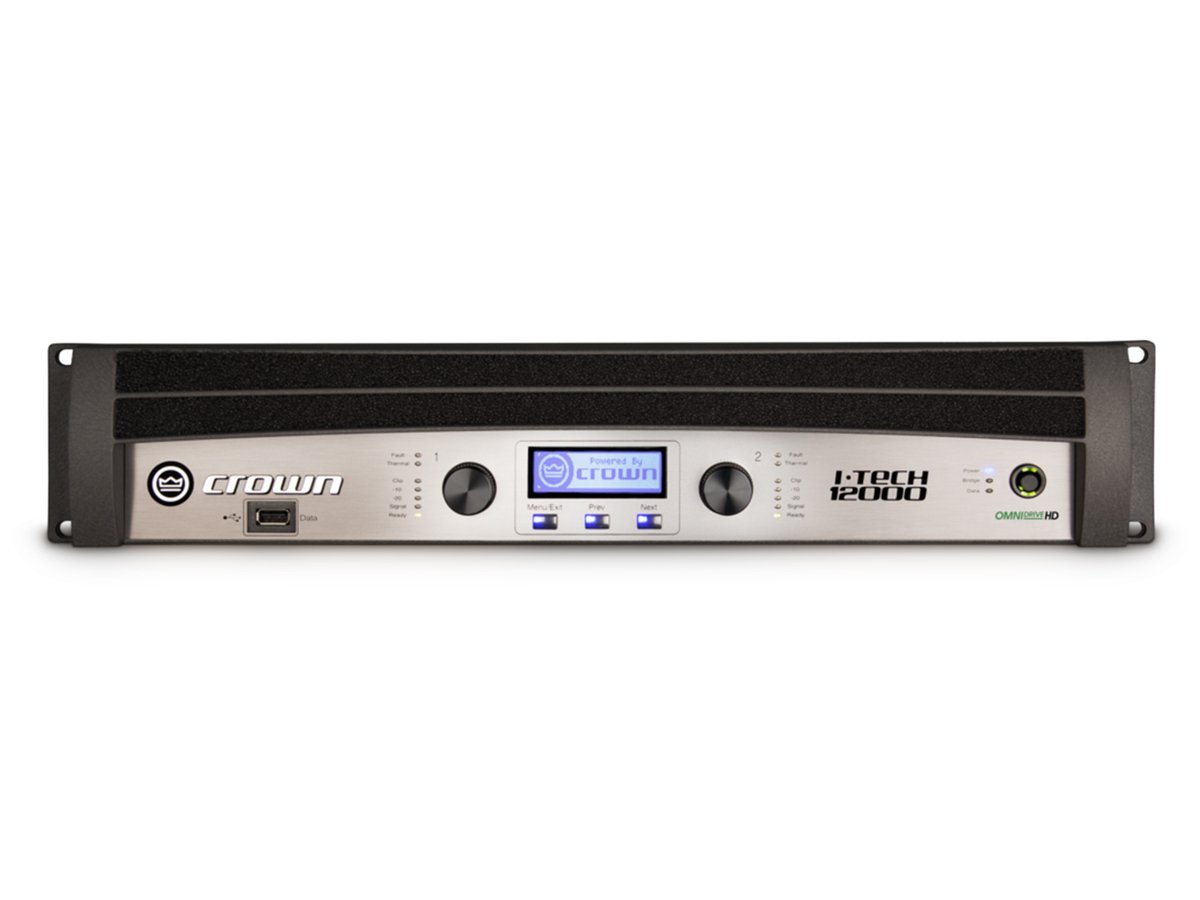
Repair and recone costs are the silent budget killer. Ex-rental gear from stadium fleets often has documented service history, but line array elements are the highest-risk category: a single 12-inch woofer recone runs typically $250–$500 parts-and-labor, and a 3-way element has multiple drivers. A Crown I-Tech 12000HD at $4,950 (2×4500 W at 4 ohm, Grade A, stock 20) is a safer bet because amplifier failures are usually board-level and spare boards are widely available — budget typically $200–$400 for a service check on any touring amp over five years old. Always ask for the 52-point bench test report; every unit on our marketplace passes it before listing, and the 90-day warranty covers tested failures, so a failed channel is a return, not a repair bill.
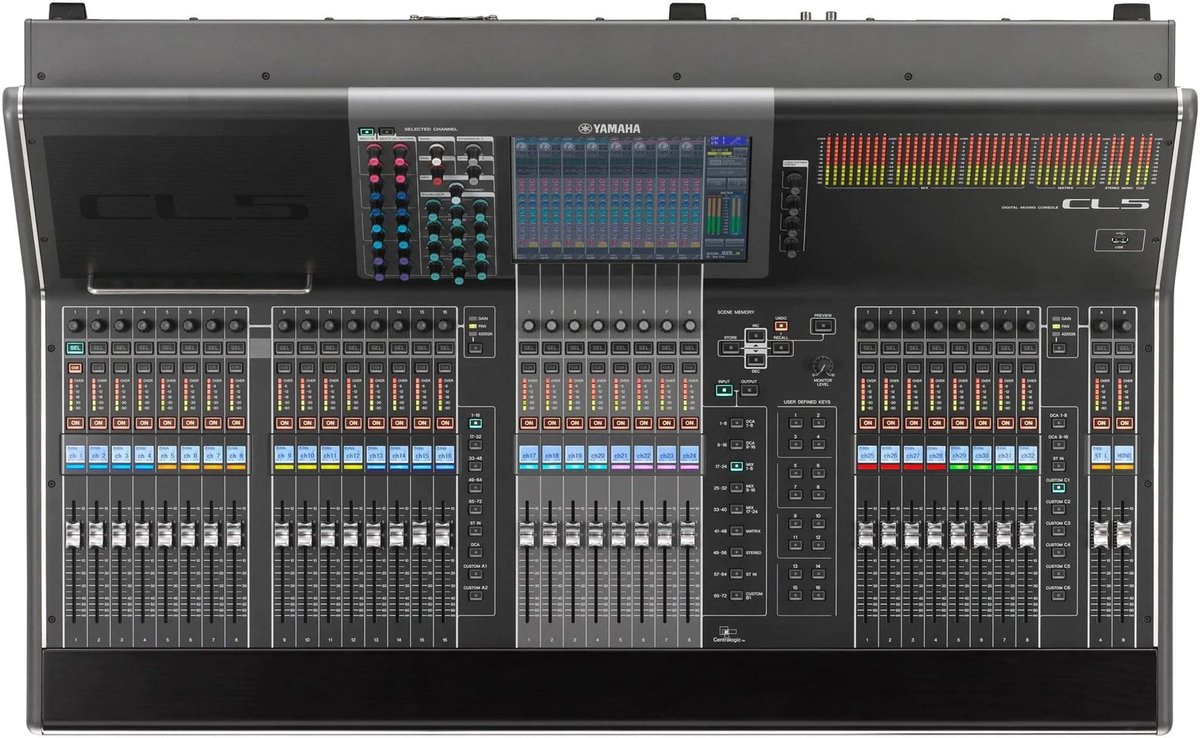
Transport and insurance change the math by region. A 16-element line array shipment from a CIS warehouse to the Middle East can add 8–12% of cargo value in freight and 1–2% in marine insurance; air freight doubles that. For high-value consoles like the Yamaha CL5 at $9,800 (72 mono + 8 stereo inputs, Dante 64×64, Grade A, stock 2), always insure at replacement value, not purchase price — a lost console claim at $9,800 is not enough to buy a new one. Factor customs duty separately: CIS imports typically 10–20%, Middle East 5–15%, South America 15–35%, Africa 10–30%, and EU 0–4% plus VAT. These rates are indicative; confirm with your broker before you commit to payment terms.
Here is the side-by-side that matters. A new Behringer Wing lists around $6,500–$7,000; our Grade A 2023 unit is $4,200 — a $2,300–$2,800 saving before you add a typically $150–$300 service check and $200–$400 freight, leaving roughly $1,800–$2,400 net. A new JBL VTX A12 element runs $9,000–$10,000; the Grade B 2017 unit at $7,400 saves $1,600–$2,600, but budget $300–$600 for grille and rigging cosmetics plus $400–$800 for a recone reserve, which narrows the real saving to $200–$1,900. Grade A vs Grade B is not about price — it is about how much of that gap you will spend in the first 12 months.
Resale value is the term most buyers forget. Used pro audio holds value in proportion to service documentation and brand liquidity: a Crown I-Tech 12000HD bought at $4,950 typically resells at 55–65% after three years if serviced, while a Grade C console with no history may resell at 30–40%. That difference of 20–25 points is often larger than the entire purchase discount. Before you sign used audio equipment payment terms wholesale, ask for the test report, the service history, and a resale estimate — then run the five-term math. If the total still beats new by 15% or more, the deal is real; if not, walk.