You run a rental or production company and you're about to make your first wholesale buy of used pro audio. This used audio equipment firmware updates guide walks you through the practical steps — what to test, which lots to take, and how to avoid surprise costs — so your first purchase doesn't turn into a repair bill. The used market is tempting: a fully loaded digital console that cost $30k new might go for $8k–$12k, and a line array element for half its original price. But rental gear lives a hard life, and the difference between a bargain and a boat anchor is in the details you check before you pay.
Start with the question every first-time buyer asks: "How do I check a used digital console before buying?" The answer is firmware, faders, and power. Ask the seller for the current firmware version and whether it's the latest stable release — outdated firmware can mean missing bug fixes, incompatible Dante cards, or locked features. On a Behringer Wing, for example, confirm the firmware is current and that the touchscreen and all motorized faders respond smoothly; a stuck fader is a $200–$400 repair. Power it on cold, let it run for at least an hour, and check for overheating or random reboots. If you can't test in person, insist on a video call with the unit powered up and the seller demonstrating every input and output.
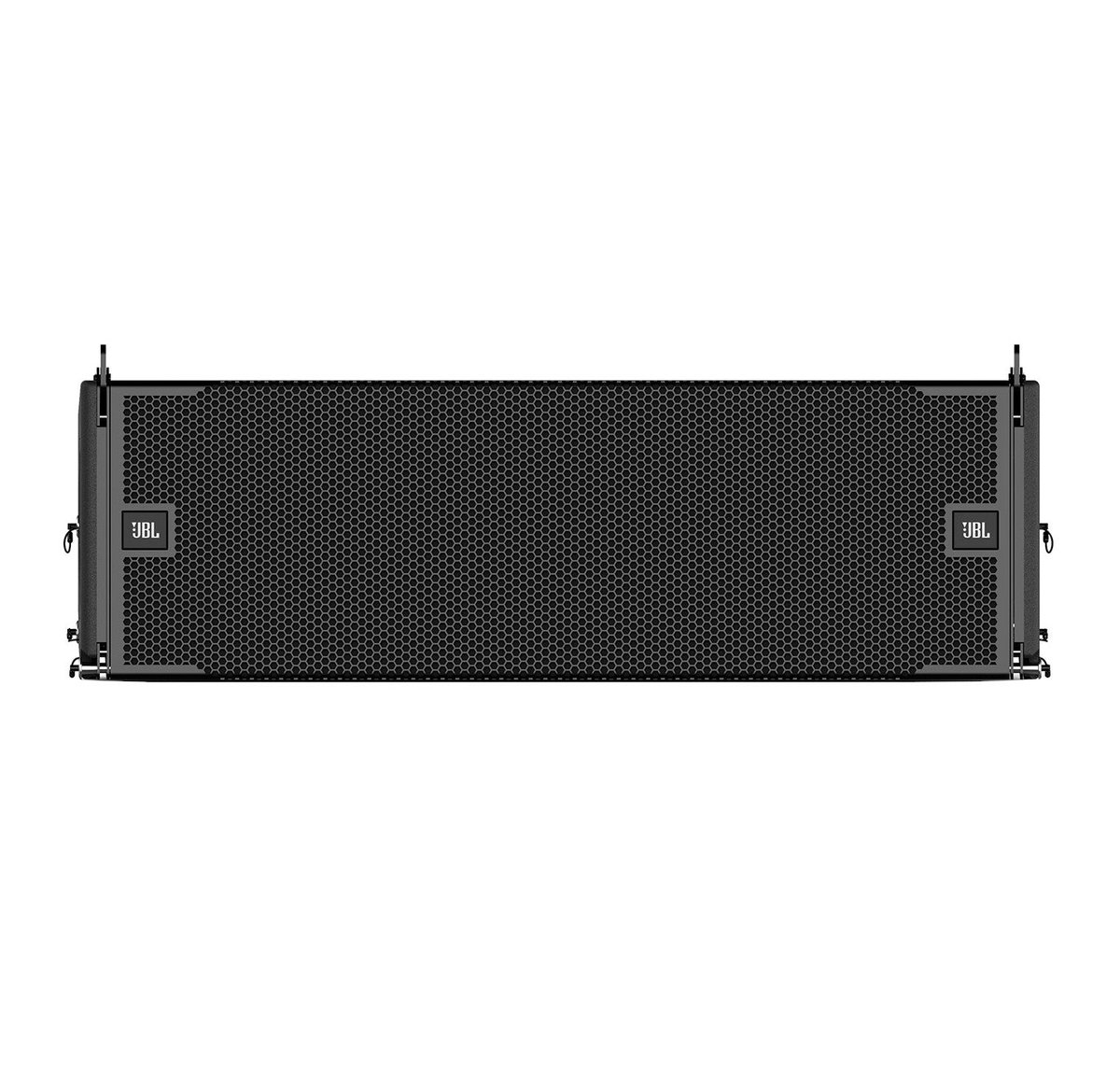
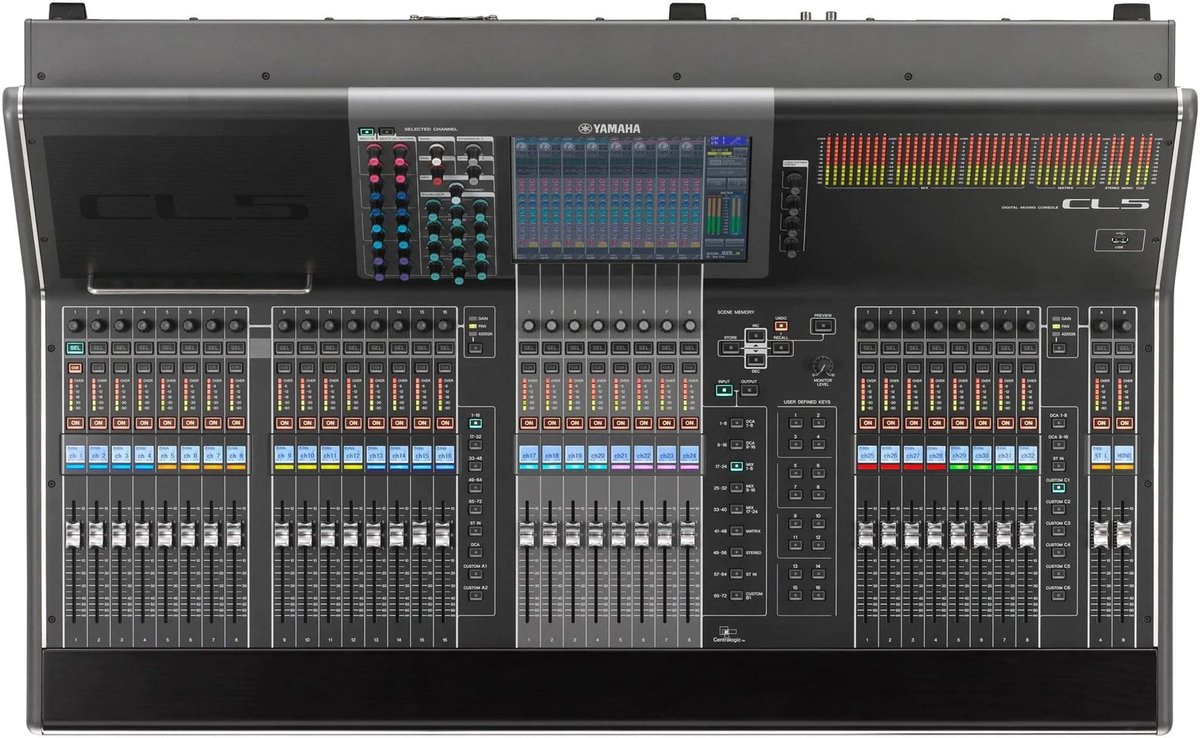
Next, decide which lots to take. For a first buy, avoid mixed pallets of unknown history and focus on complete, working systems with known service records. A used Yamaha CL5 is a workhorse for rental firms because parts and service documentation are widely available, but verify the console's card slots and that the Dante network card is included — a missing card can add $1,500–$2,500. For speakers, a JBL VTX A12 is a solid choice if the cabinets are cosmetically clean and the drivers are original; recone costs for a single 12-inch driver can run $300–$500, so factor that into your offer. Ask for impedance sweeps or at least a pink-noise test on every cabinet.
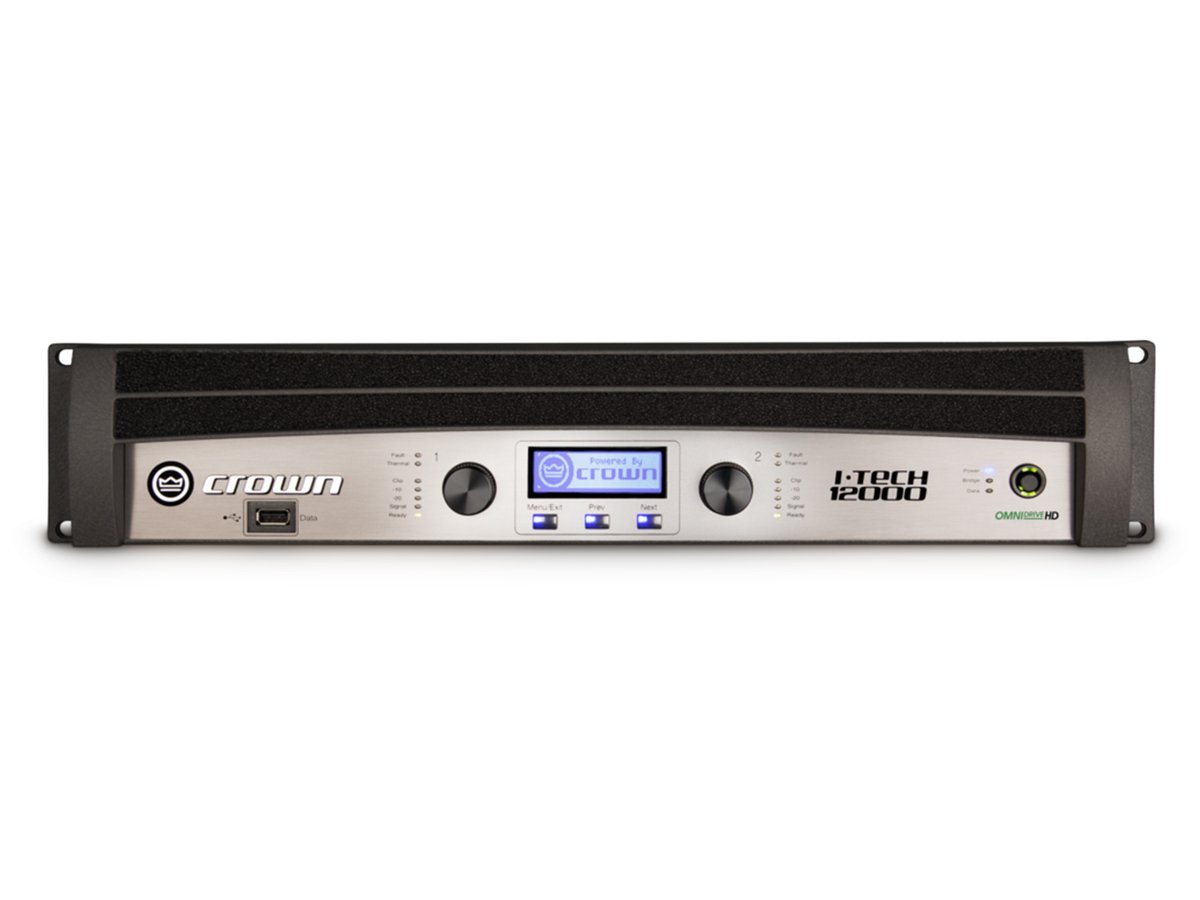
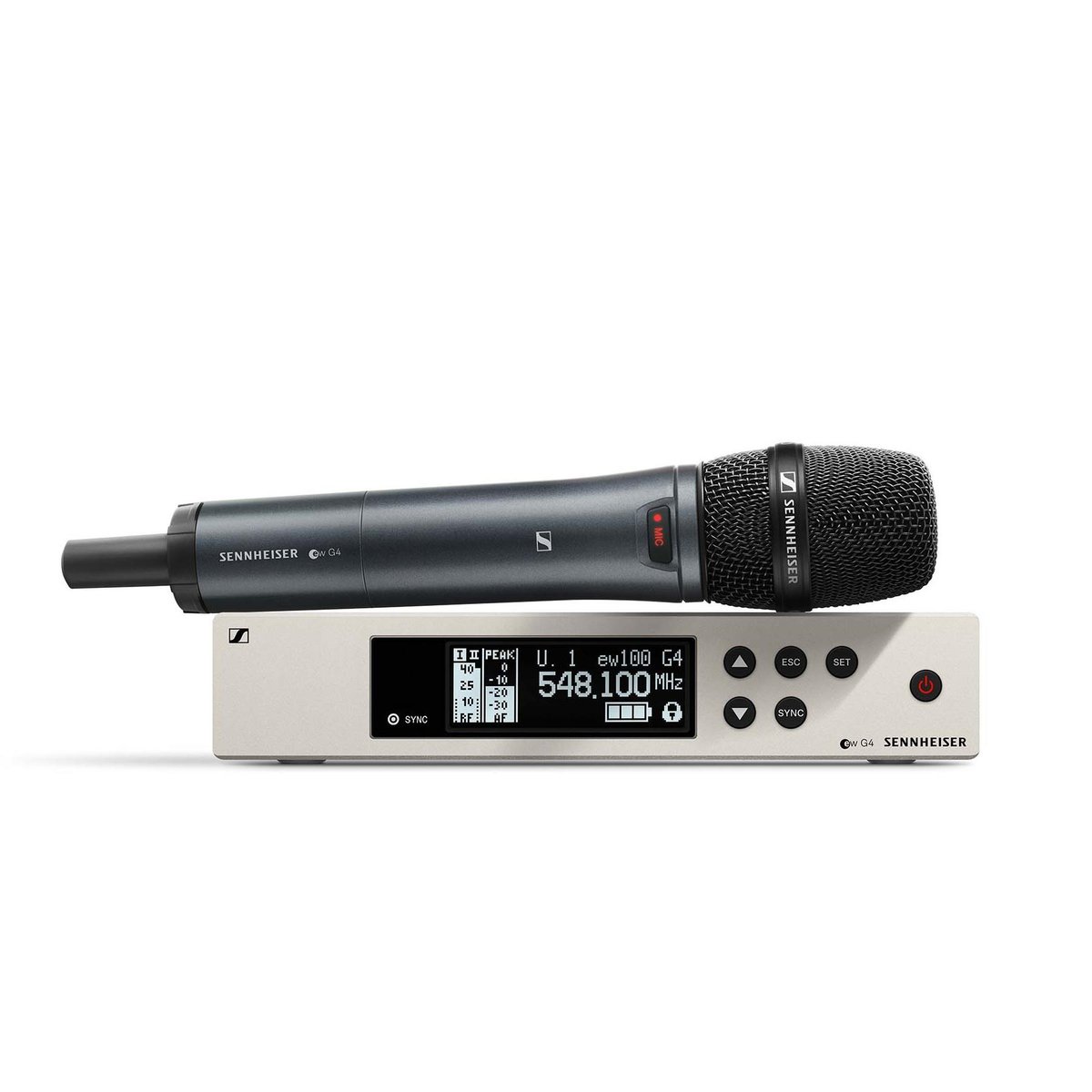
Parts and service reality is where surprise costs hide. Used amplifiers like the Crown I-Tech 12000HD are powerful and popular, but they're also aging; check the fan health, dust buildup, and whether the unit has had its capacitors serviced. A full service on a high-power amp can cost $400–$800, so a "working" unit with no service history is a gamble. For microphones, a Sennheiser ew 100 G4 system is a safe bet if the receiver and bodypack are matched and the frequency range is legal in your country — ask for the exact frequency band and check it against local regulations. Batteries and antennas are consumables; budget for replacements.
Industry context matters: rental demand for used gear is strong in CIS, the Middle East, South America, and Africa, but dealer quality varies wildly. Buy from sellers who provide serial numbers, photos of the actual unit, and a return policy. Shipping and customs are the silent budget killers. A pallet of speakers from Europe to the Middle East might cost $600–$1,200 in freight, plus 5–15% duty depending on the country and HS code. Always confirm the mains voltage — 120V gear needs a step-up transformer in 230V regions, and that's an extra cost and a failure point. CE/UL markings matter for insurance and venue compliance; ask for photos of the labels.
Finally, negotiate with a repair reserve in mind. A good rule for a first wholesale buy is to set aside 10–15% of the purchase price for servicing, cables, and missing accessories. Test everything you can before payment, get the firmware versions in writing, and prefer lots with complete accessories and known history. That approach turns a risky first buy into a repeatable procurement process.