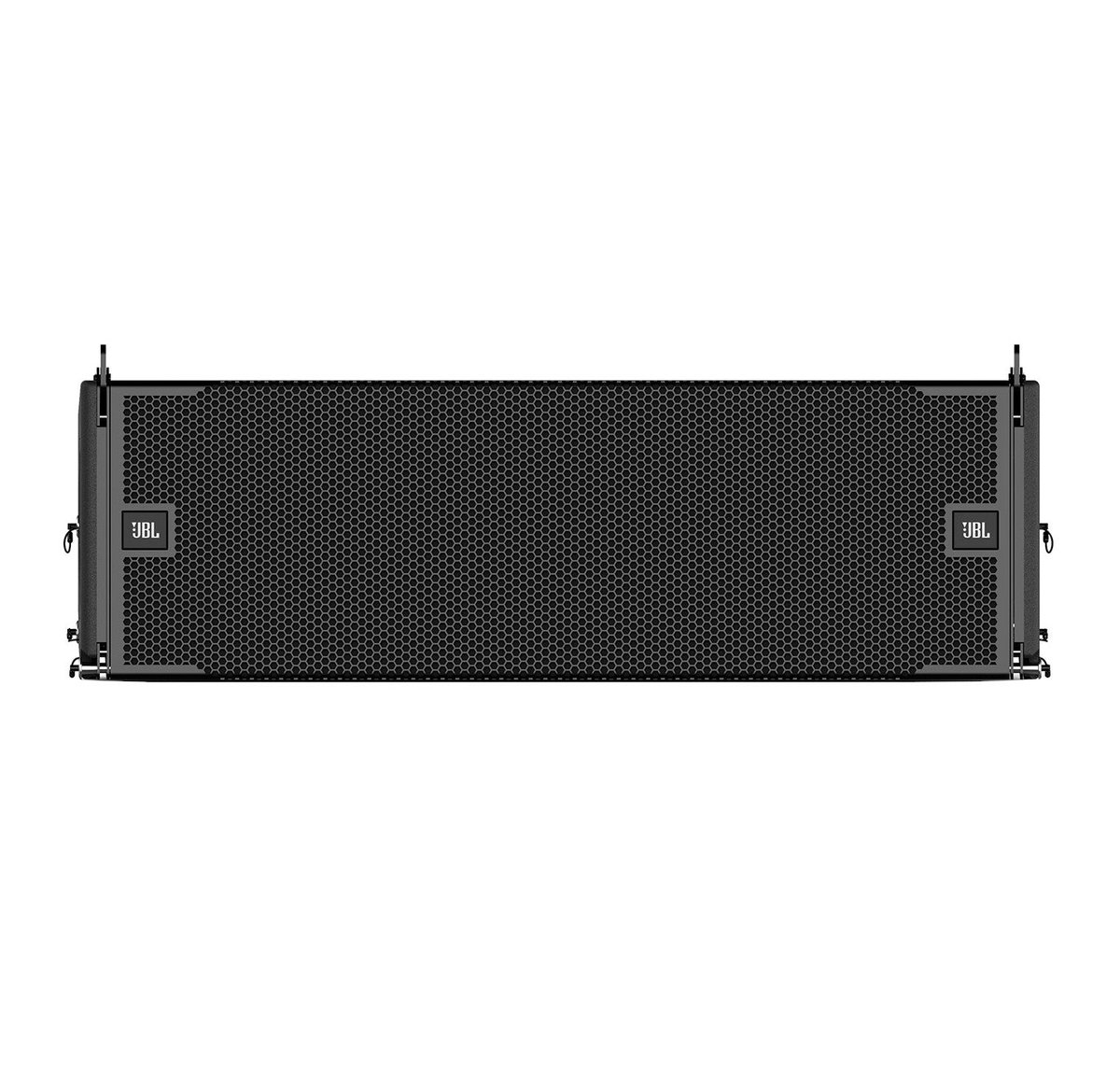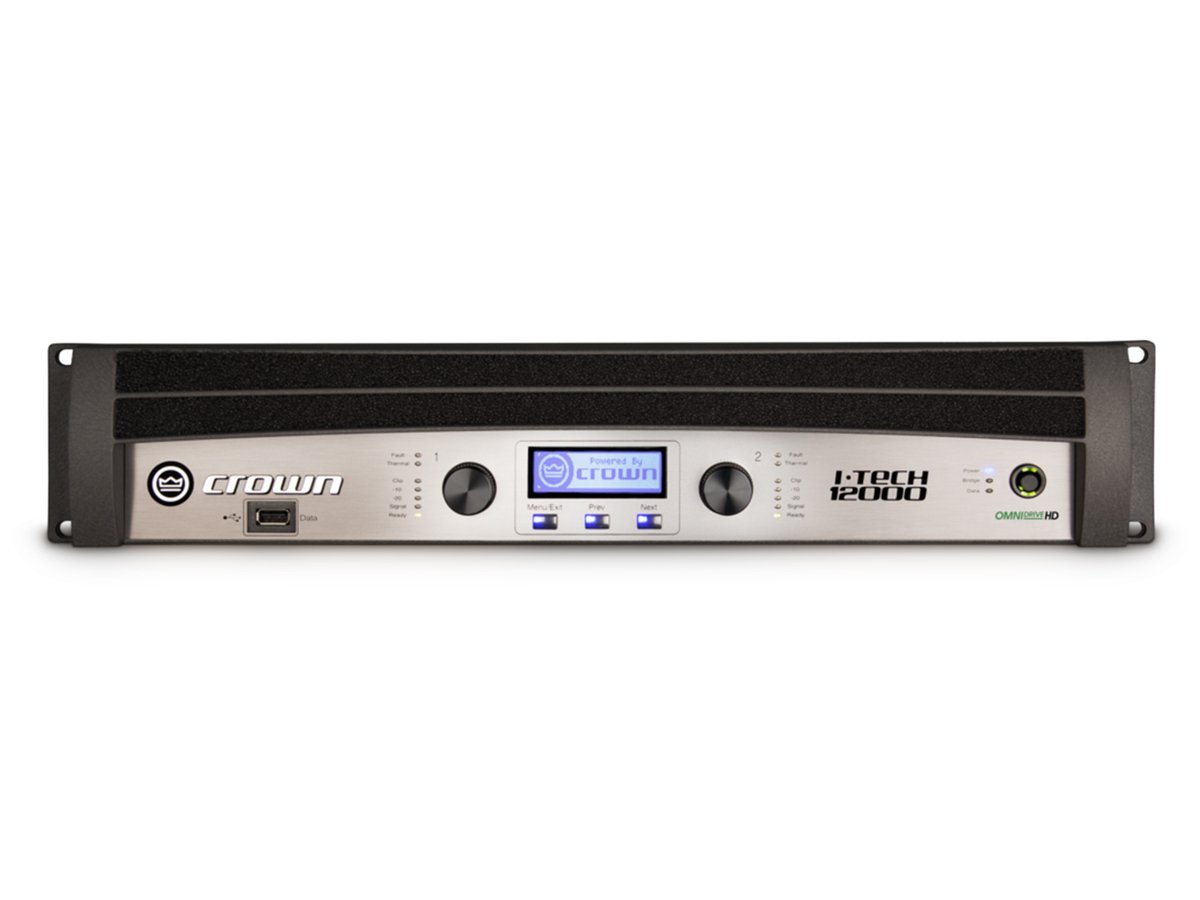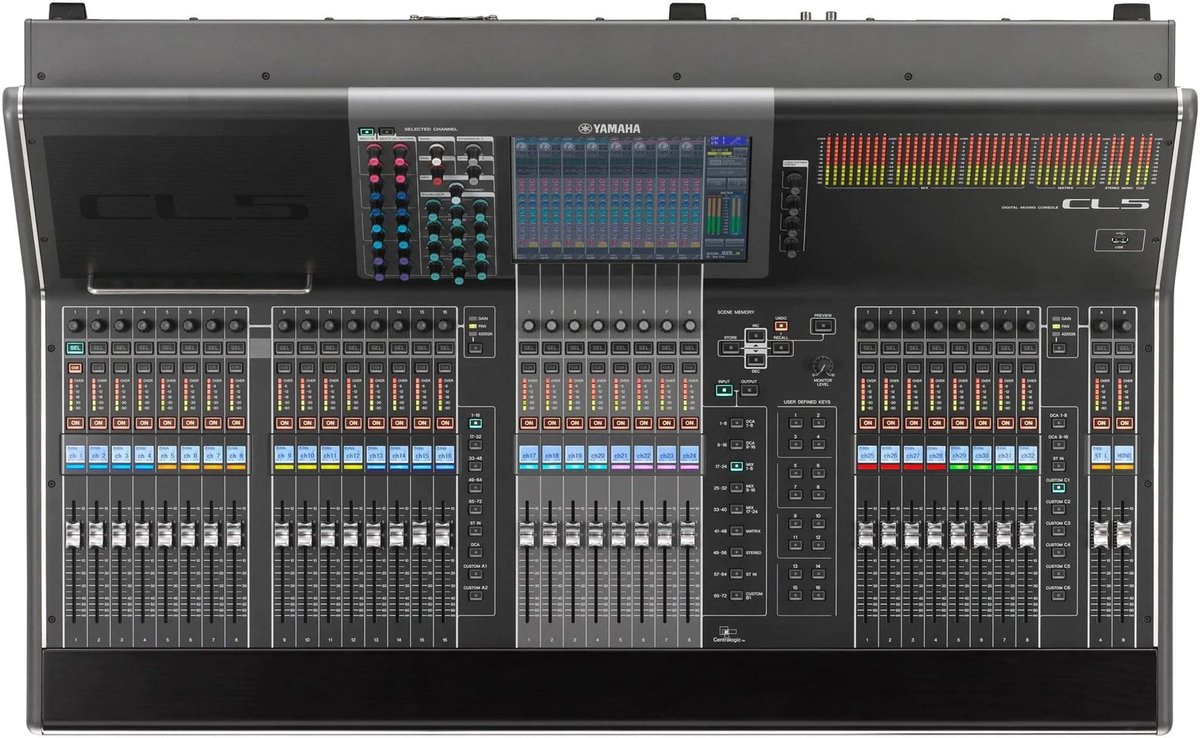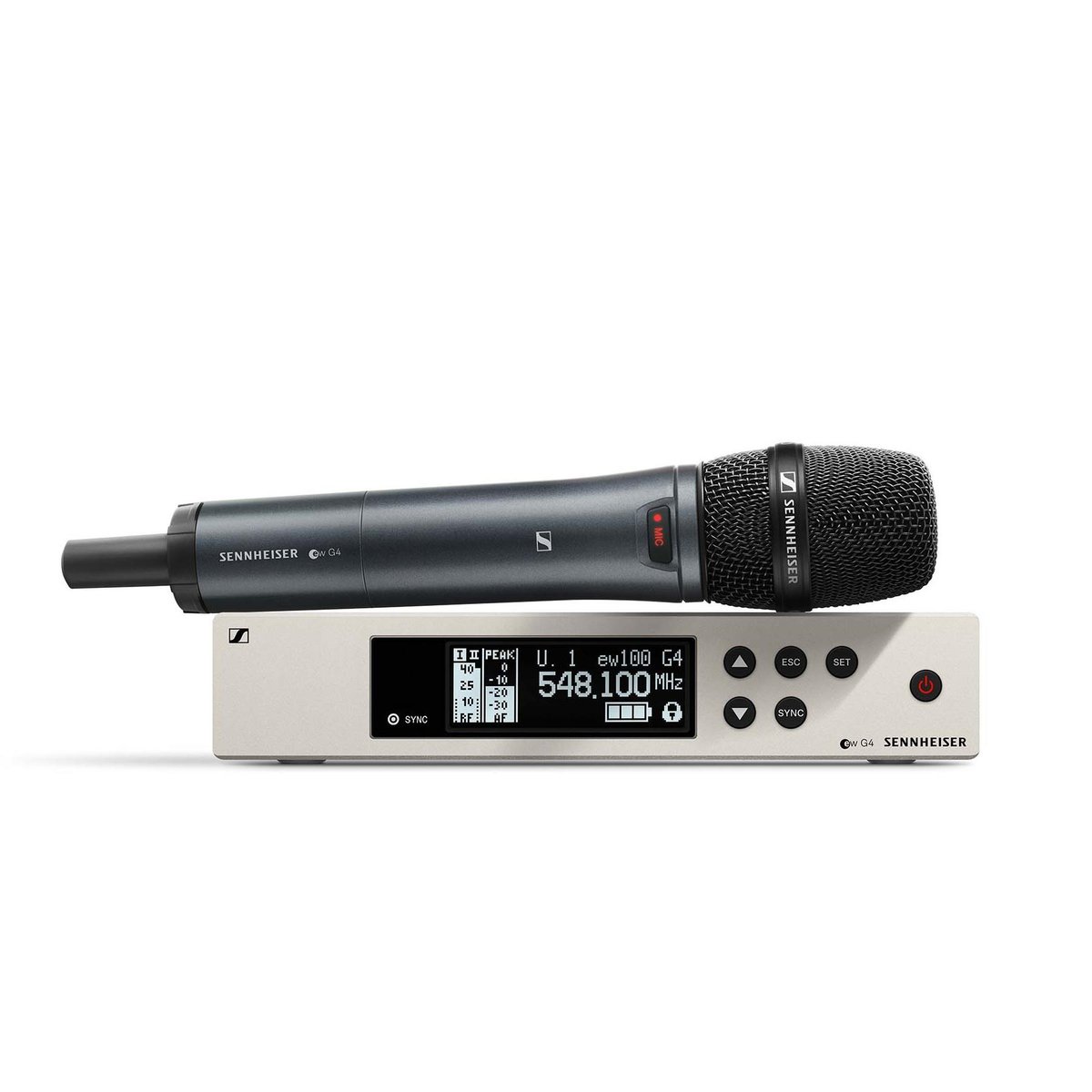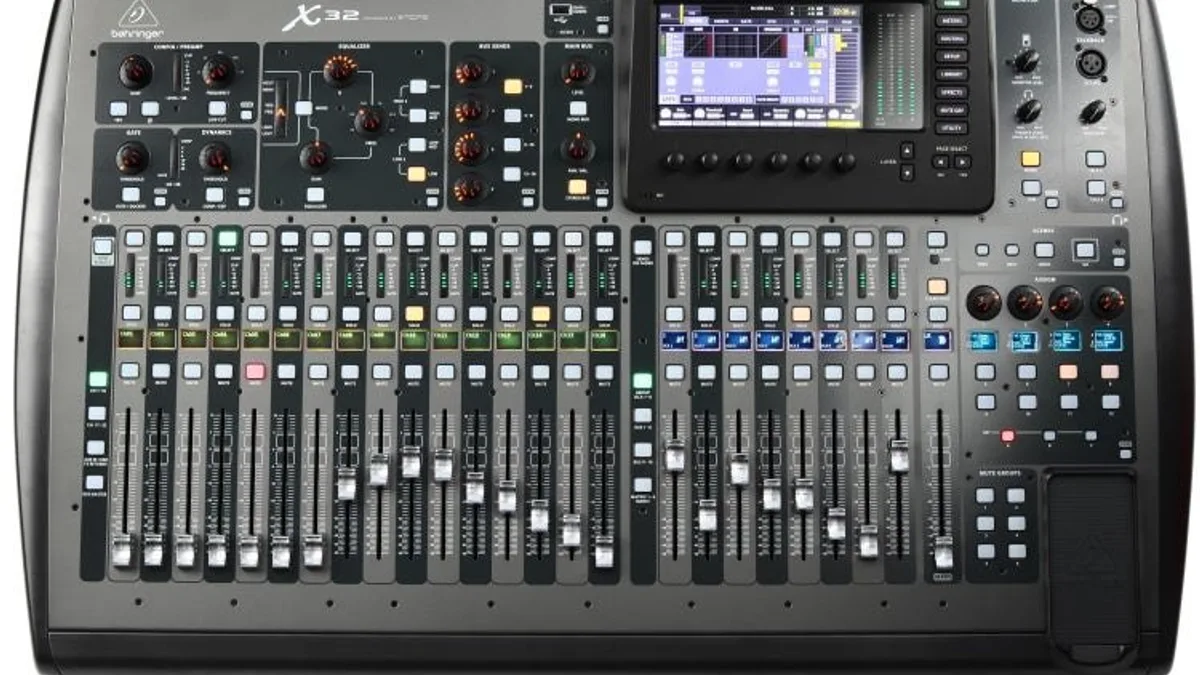
When sourcing professional audio gear for resale, rental fleets, or integration projects, the terms "refurbished" and "used" are often used interchangeably — but they describe very different levels of risk and value. For B2B buyers in CIS, the Middle East, South America, and Africa, understanding this distinction is critical: a used console pulled from a studio closure may need immediate service, while a refurbished unit has typically been tested, repaired, and certified by a technician. The price gap between the two can be 15–40%, but so can the difference in warranty coverage and failure rate. This guide breaks down what each category actually means, how to compare specs and condition grades, what to inspect before committing to a pallet, and how to structure your next purchase order.
In fixed ranking order of buyer preference for wholesale volume, the categories are: (1) manufacturer-certified refurbished — factory-tested with a full warranty, highest cost but lowest return rate; (2) technician-refurbished — serviced by a qualified bench tech with replaced caps, cleaned faders, and a 30–90 day warranty; (3) graded used — sold as-is with a condition grade (A/B/C) and no warranty, priced 20–35% below refurbished; (4) untested used — pulled from lots, sold by weight or pallet, suitable only for parts harvesting. Key spec values to compare across listings: warranty length (0 vs 30 vs 90 vs 365 days), condition grade (A = mint, B = light wear, C = functional with cosmetic damage), service history (recapped, fader replacement, firmware update), and included accessories (power supply, rack ears, manuals). A refurbished Yamaha CL5 with a 90-day warranty and recapped PSU is a fundamentally different asset than a used CL5 graded B with no service history — even if both are listed as "working."
What to inspect before you buy: first, request the service report or bench test sheet — legitimate refurbishers document distortion measurements, channel-by-channel tests, and replaced components. Second, verify the condition grade against photos of the actual unit, not stock images; check for dented rack ears, scratched faceplates, and worn fader caps that signal heavy touring use. Third, confirm the warranty terms in writing — who honors it, what it covers (parts only vs parts and labor), and whether it transfers to your end customer. Fourth, test critical failure points on receipt: power supply voltages, phantom power on all channels, digital I/O sync, and motorized fader calibration. Fifth, check firmware and software licenses — a used DiGiCo SD12 with an expired license is worth far less than one with transferable software. For rental firms, a 5% higher upfront cost for technician-refurbished gear typically pays back within two rental cycles by avoiding downtime and emergency repairs.
Your next step: build a sourcing matrix that separates refurbished and used listings by warranty, grade, and service history, then negotiate volume pricing on technician-refurbished lots where the warranty covers your resale exposure. Start with a small trial order — 2–4 units — and bench-test them against the service report before scaling to pallet quantities. For integrators in the Middle East and Africa, prioritize units with 220–240V power supplies and documented voltage compatibility; for South American buyers, confirm 127V/220V options and local service partner availability. Always request the serial number and check it against manufacturer databases for warranty status and theft records. Treat "refurbished" as a claim to verify, not a guarantee — and price used gear to reflect the true cost of inspection, service, and potential returns.