When you buy used pro audio gear from a liquidation, the price is only half the story. The other half is what happens after the gear lands in your rack — and that's where most buyers get burned. This pro audio gear liquidation buying guide focuses squarely on after-sales reality: what warranty actually covers on used equipment, whether spare parts exist, and what you must write into the order before you pay. Skip this, and a cheap deal on a Behringer Wing can turn into a paperweight with no service path.
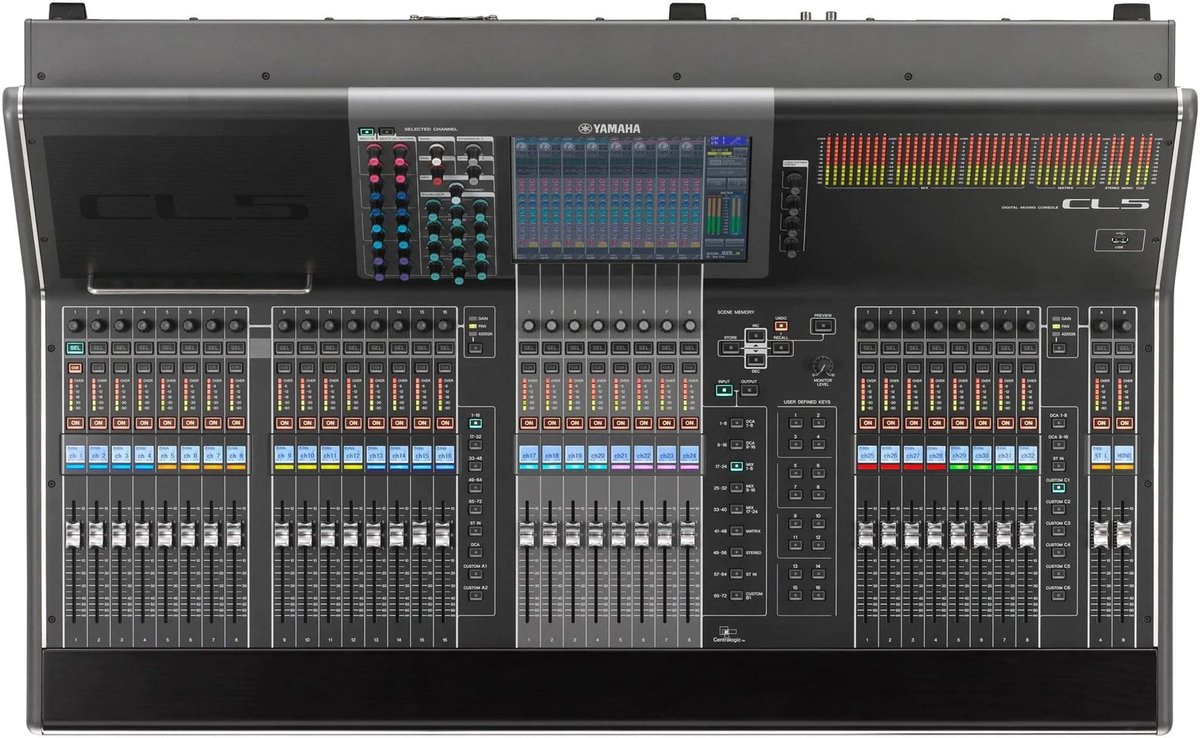
Start with the warranty question every buyer asks: "What does a used gear warranty actually cover?" In most liquidation sales, the warranty is either nonexistent or a short dealer-backed guarantee — typically 30 to 90 days — covering dead-on-arrival defects, not wear items. A used Yamaha CL5 might arrive with a 60-day functional guarantee, but that won't cover fader replacement or a failed DSP card six months later. Ask specifically: is it a return-to-base warranty or onsite? Who pays shipping? What's excluded? Get it in writing. If the seller says "sold as-is," assume zero coverage and price accordingly.
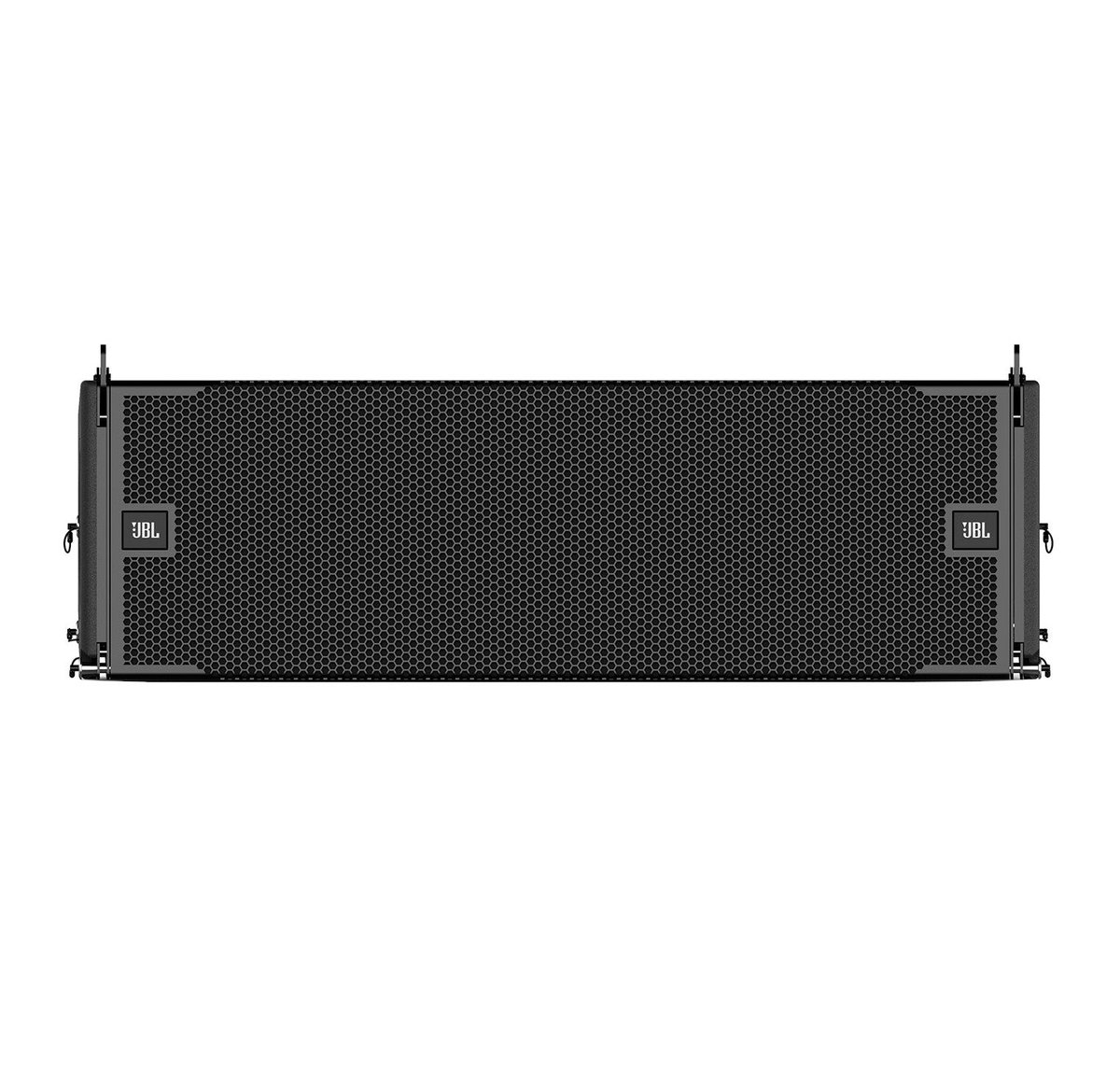
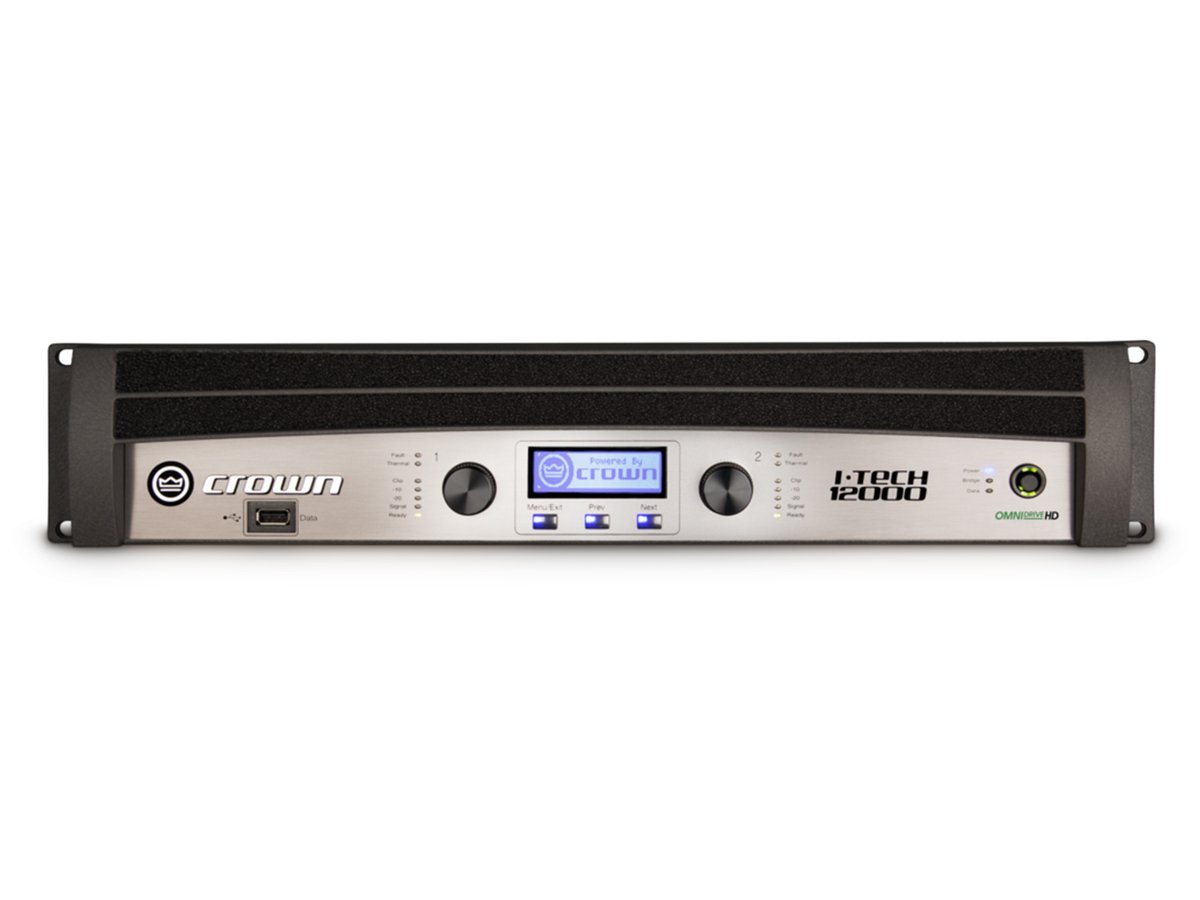
Spare-part availability is the next hard reality. Before you commit, check whether the manufacturer still stocks boards, power supplies, and mechanical parts for that model. A JBL VTX A12 is a current line-array box, so drivers and rigging hardware are generally available — but a discontinued mixer may have no spare faders or LCD panels left. For amplifiers like the Crown I-Tech 12000HD, ask about service centers in your region and whether they still support the model. If parts are gone, you're buying a donor unit. Factor that into your offer.
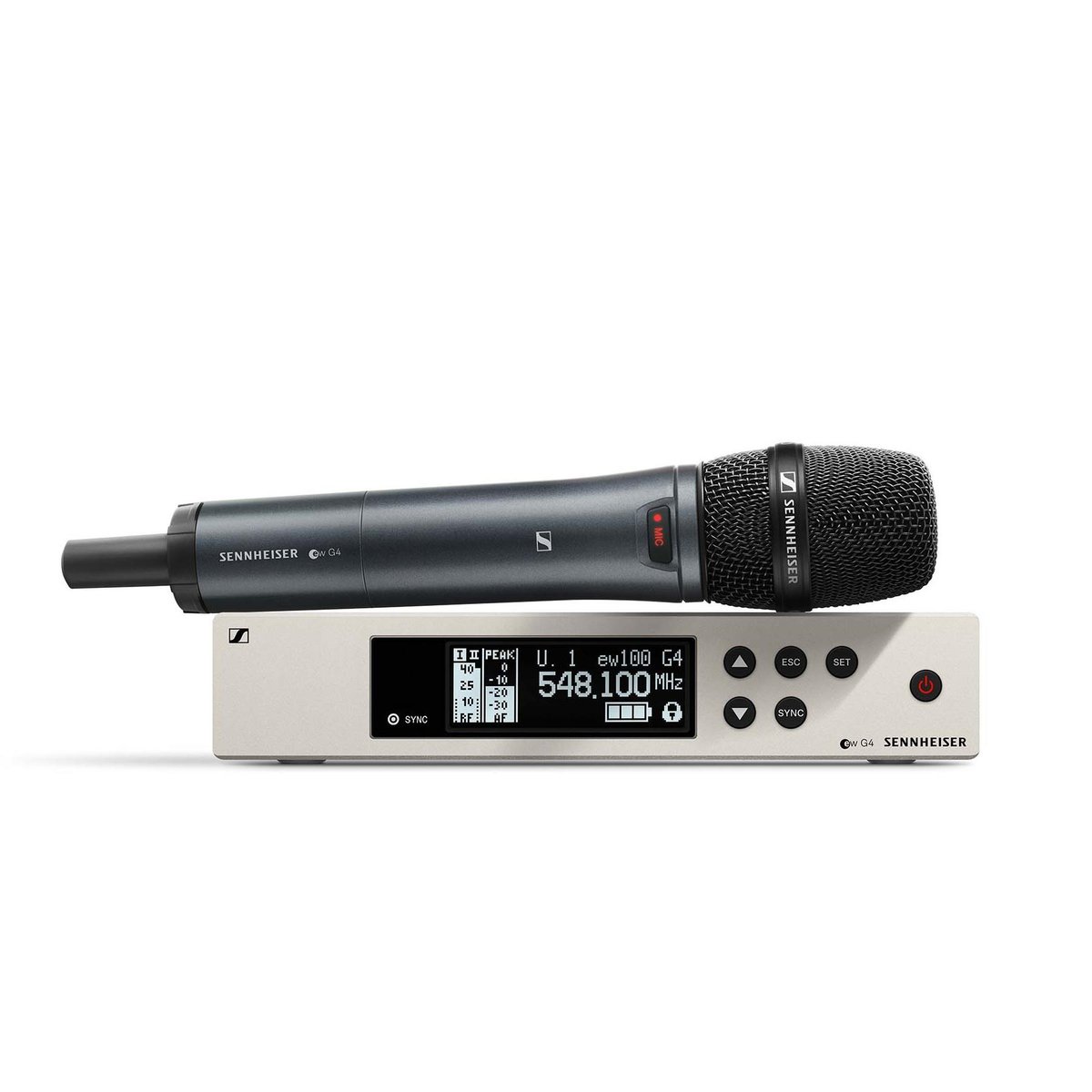
Condition and service history matter more than cosmetics. Ask for hours of use, whether the unit was in a rental fleet, and if it's been serviced. A console from a touring house may have thousands of hours on the faders; a studio unit might be cleaner. Request photos of the actual serial number and any service stickers. For speakers, ask if they've been reconed and whether the original diaphragms are still fitted. A Sennheiser ew 100 G4 receiver is cheap to replace, but a line array with mismatched drivers is a real problem.
Industry context: rental demand for used gear is strong in CIS, Middle East, South America, and Africa, but dealer support varies wildly. In some regions, authorized service for European brands is thin, and shipping a 20 kg amplifier back to Europe can cost $300–$500 each way. That's why many buyers prioritize gear with local service or widely available parts. Also check voltage: 120V US gear needs a step-up transformer or a different PSU in 230V markets, and CE/UL compliance matters for customs and insurance. For imports, expect duty rates of 5–20% depending on country and HS code — build that into your landed cost.
What should you write into the order? Be specific: state the warranty period, what's covered, and the return process. List included accessories (power cables, rack ears, manuals). Require a functional test report or a video of the unit powering on and passing signal. Specify the voltage configuration and plug type. Ask for the serial number and confirm it's not reported stolen. For high-value items like a Yamaha CL5 or JBL VTX A12, consider a third-party inspection or escrow. Put a clause that the seller covers return shipping for DOA units. These details turn a risky liquidation buy into a manageable one.
Closing takeaway: treat after-sales terms as part of the product. A slightly higher price from a seller who offers a real 90-day warranty and confirms parts availability is usually cheaper than a bargain with no service path. Write the warranty, parts, voltage, and return terms into the order — then buy with confidence.