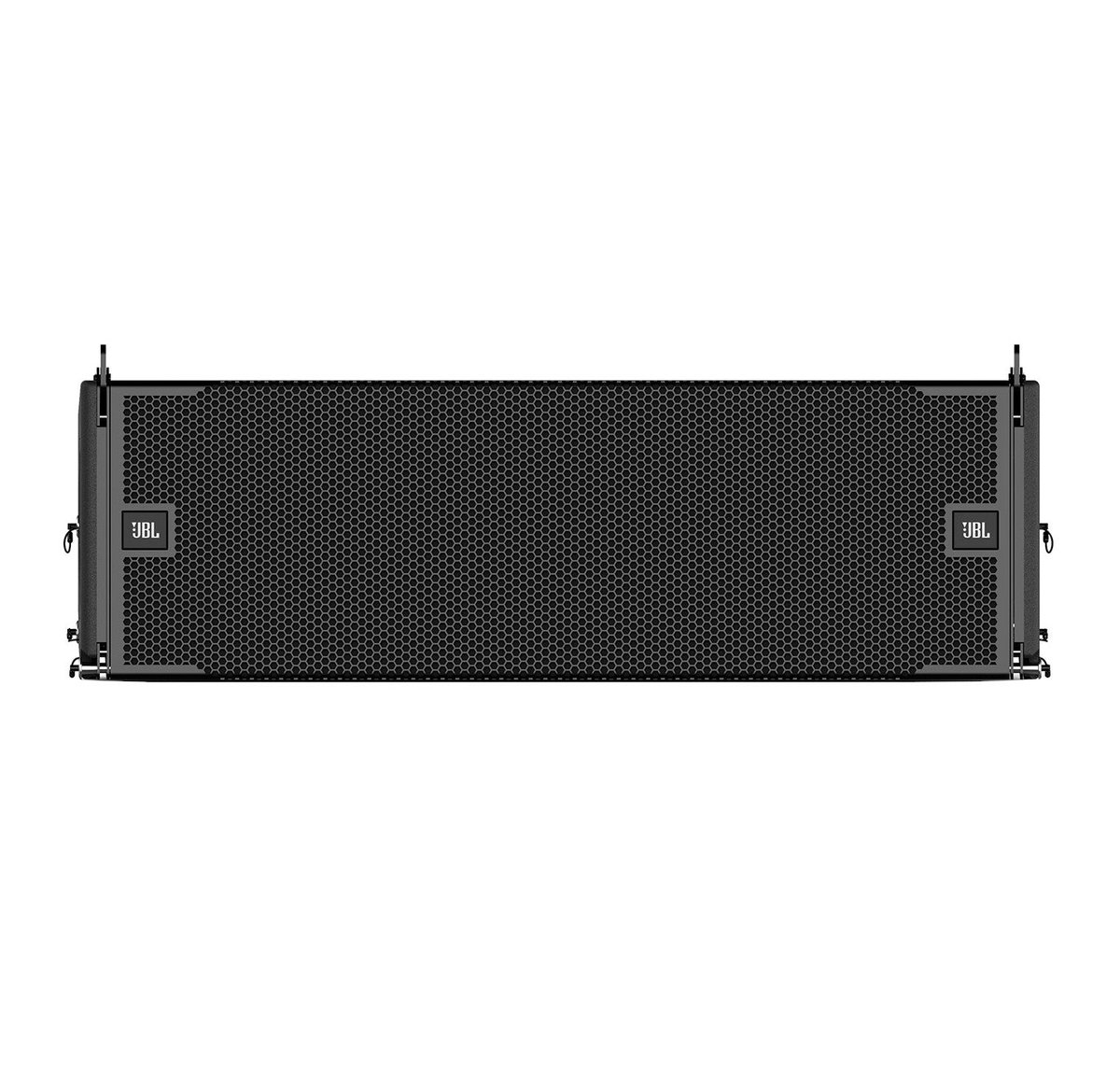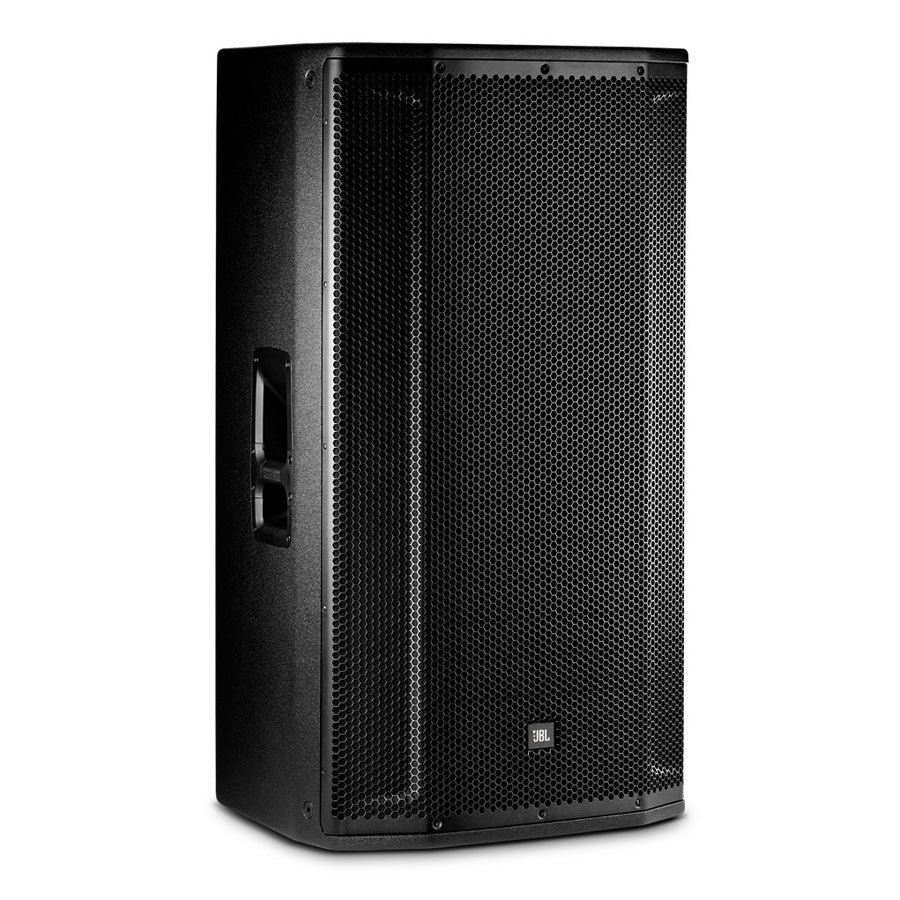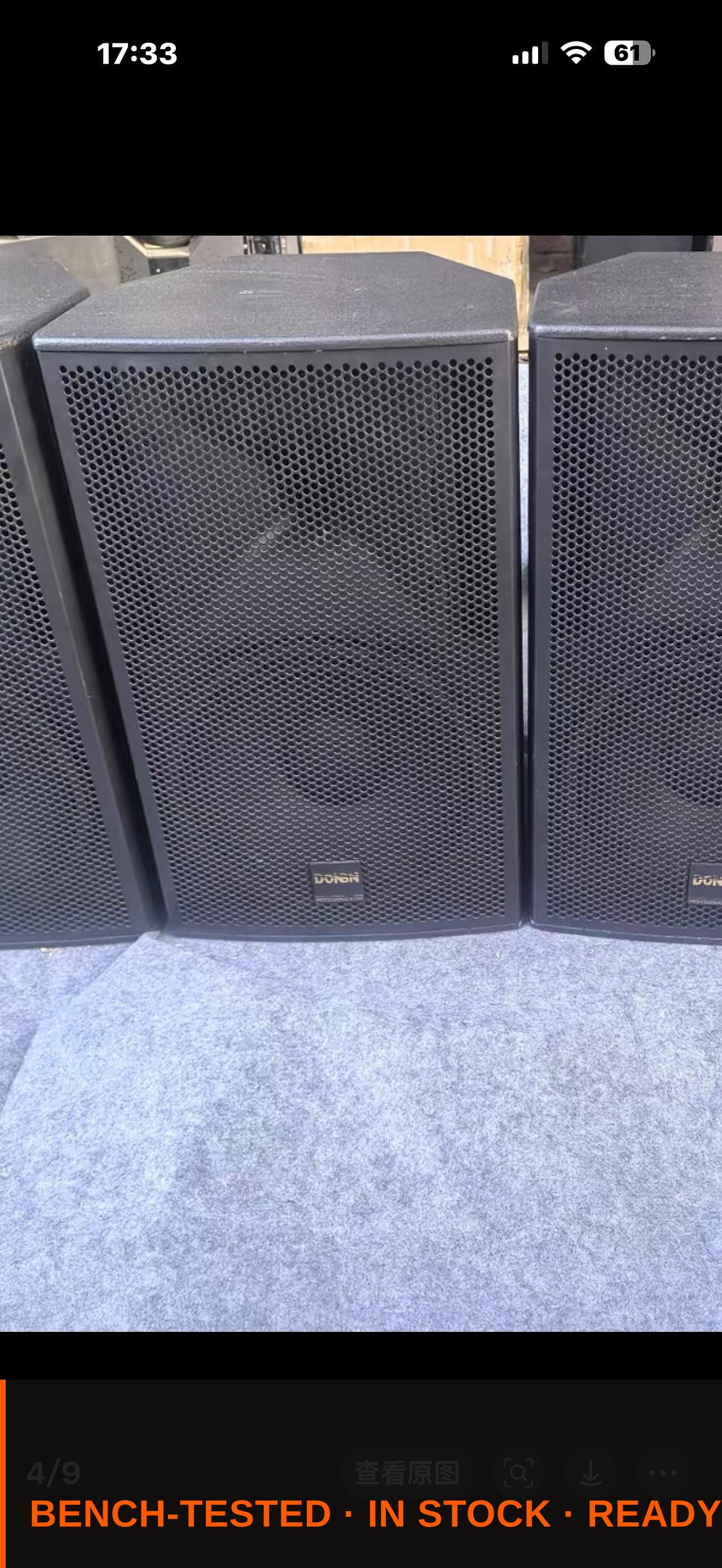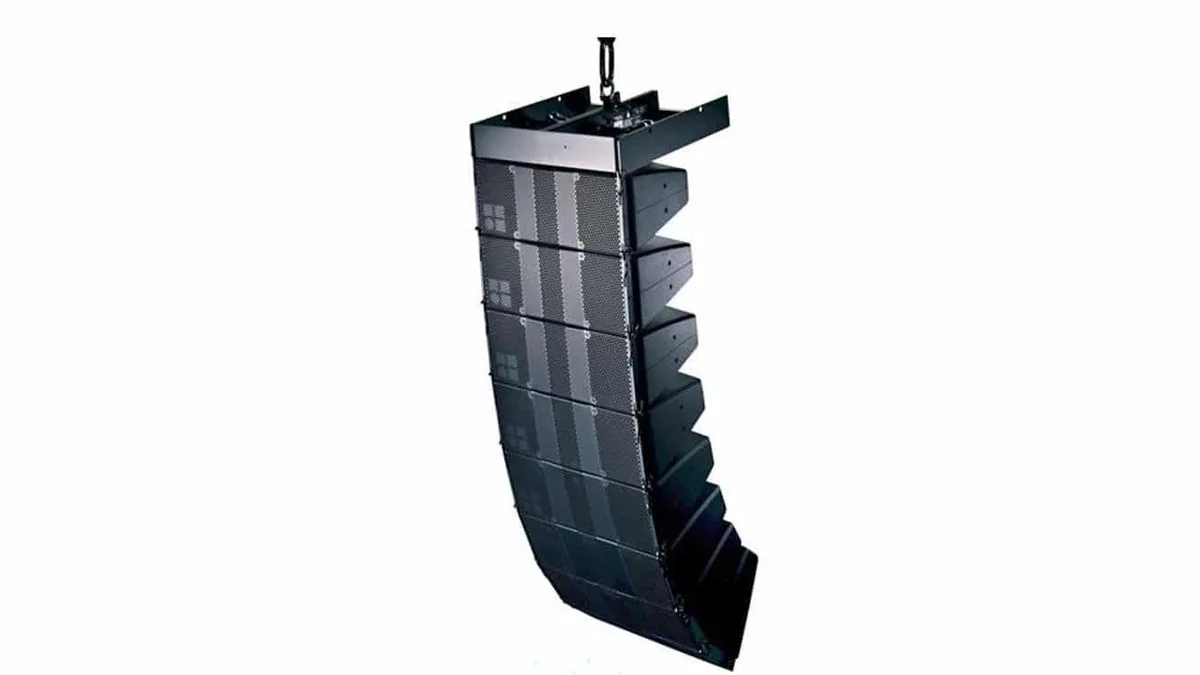
When sourcing a used line array rig for rental, integration, or touring, the checklist approach separates a sound investment from a costly mistake. Start with the system architecture: confirm the exact model, generation, and firmware compatibility across all cabinets, amps, and controllers. A rig that mixes revisions can create processing mismatches, limiting your ability to deploy it as a cohesive array. Ask for the original system configuration sheet and verify that every element—from the top box to the fly bar—belongs to the same design family. For CIS, Middle East, South America, and Africa, also check voltage and connector standards against your local power infrastructure before committing.
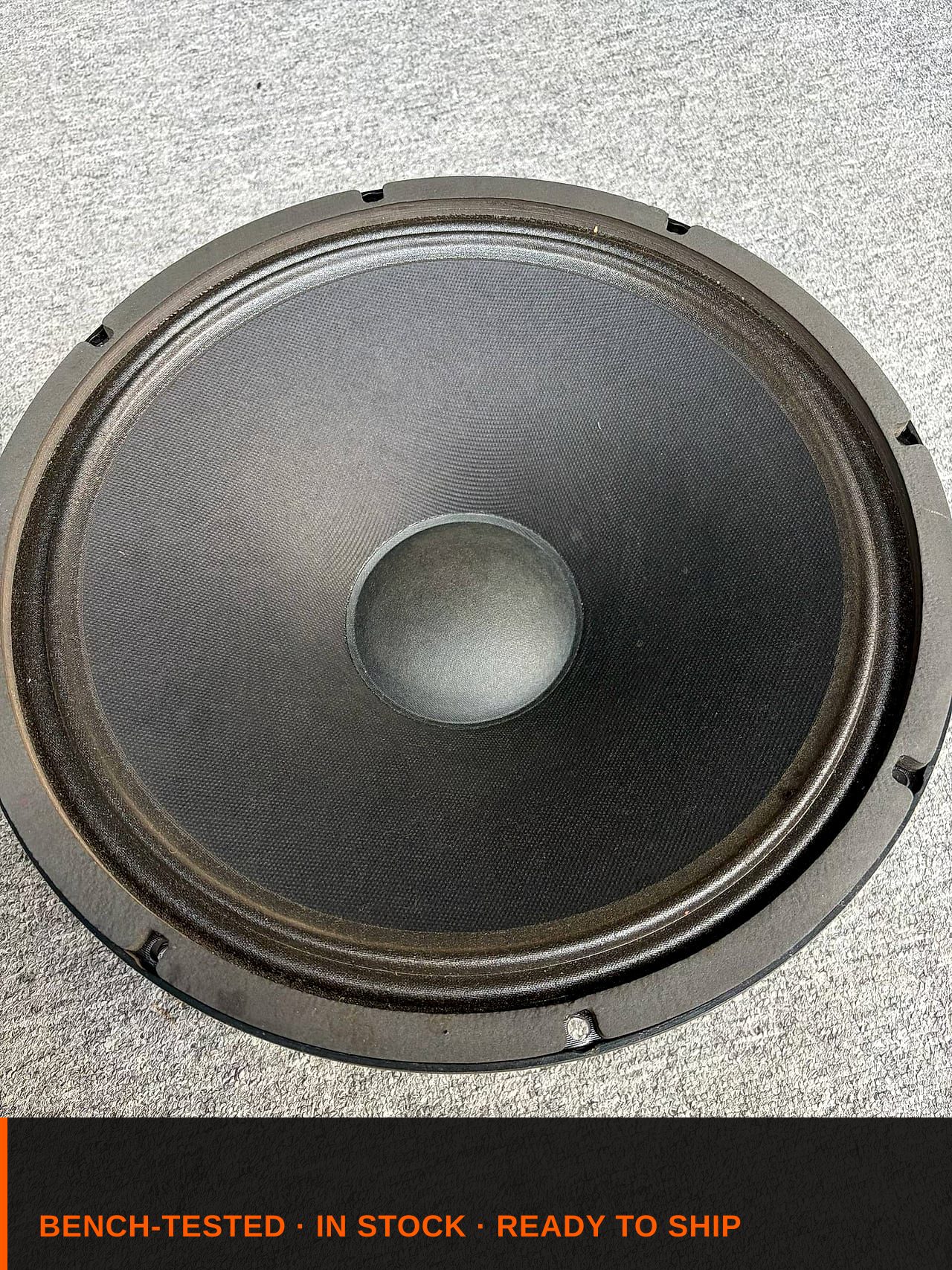
Key specifications to compare in fixed order: first, cabinet condition and driver originality; second, amplifier and DSP health, including any service history; third, rigging hardware and fly-bar certification; fourth, cabling and connector integrity; fifth, completeness of the package (cases, covers, spares). Rank your shortlist by these criteria rather than by price alone. A rig with original drivers and documented amp service will outperform a cheaper set with mismatched components. For cross-border deals, request high-resolution photos of serial plates, driver cones, and rigging pins, and verify that the seller can provide a consistent inventory list with weights and dimensions for freight planning.
What to inspect: test every cabinet at low and high SPL, listen for rub, buzz, or distortion that suggests blown or fatigued drivers. Check horn and waveguide condition for cracks or deformation. Inspect fly bars, quick-release pins, and rigging frames for wear, bending, or unauthorized repairs—rigging safety is non-negotiable. Verify amplifier fan operation, DSP presets, and network connectivity; ask for a diagnostic log if available. Examine speakON and powerCON connectors for arcing or loose contacts, and confirm cable continuity across the full run. For used line arrays, also confirm that the suspension hardware carries valid load ratings and that any third-party modifications are documented.
Next step: request a video walkthrough of the rig powered up, with a test tone sweep and a serial-number close-up for each cabinet. Ask for a written condition report and a spare-parts list. Negotiate a payment structure that ties final acceptance to a bench test on arrival, and confirm shipping insurance and Incoterms. If the seller cannot provide diagnostic data or rigging documentation, treat the offer as high-risk. Use this checklist as a scoring sheet: only proceed when the rig passes driver, amp, rigging, and cabling checks in that order. For B2B buyers, a disciplined inspection process protects both your margin and your reputation with clients.