When you buy used audio equipment from a marketplace, the gear itself is only half the deal. The other half is getting it from the seller's warehouse to your rack without surprise duties, damaged cones, or a customs hold that eats your rental margin. Whether you're an integrator in Dubai sourcing a console from Europe or a rental house in Kazakhstan buying amplifiers from Asia, the shipping and import process decides whether the purchase was smart or expensive. Here's what actually matters when you buy used audio equipment across regions.
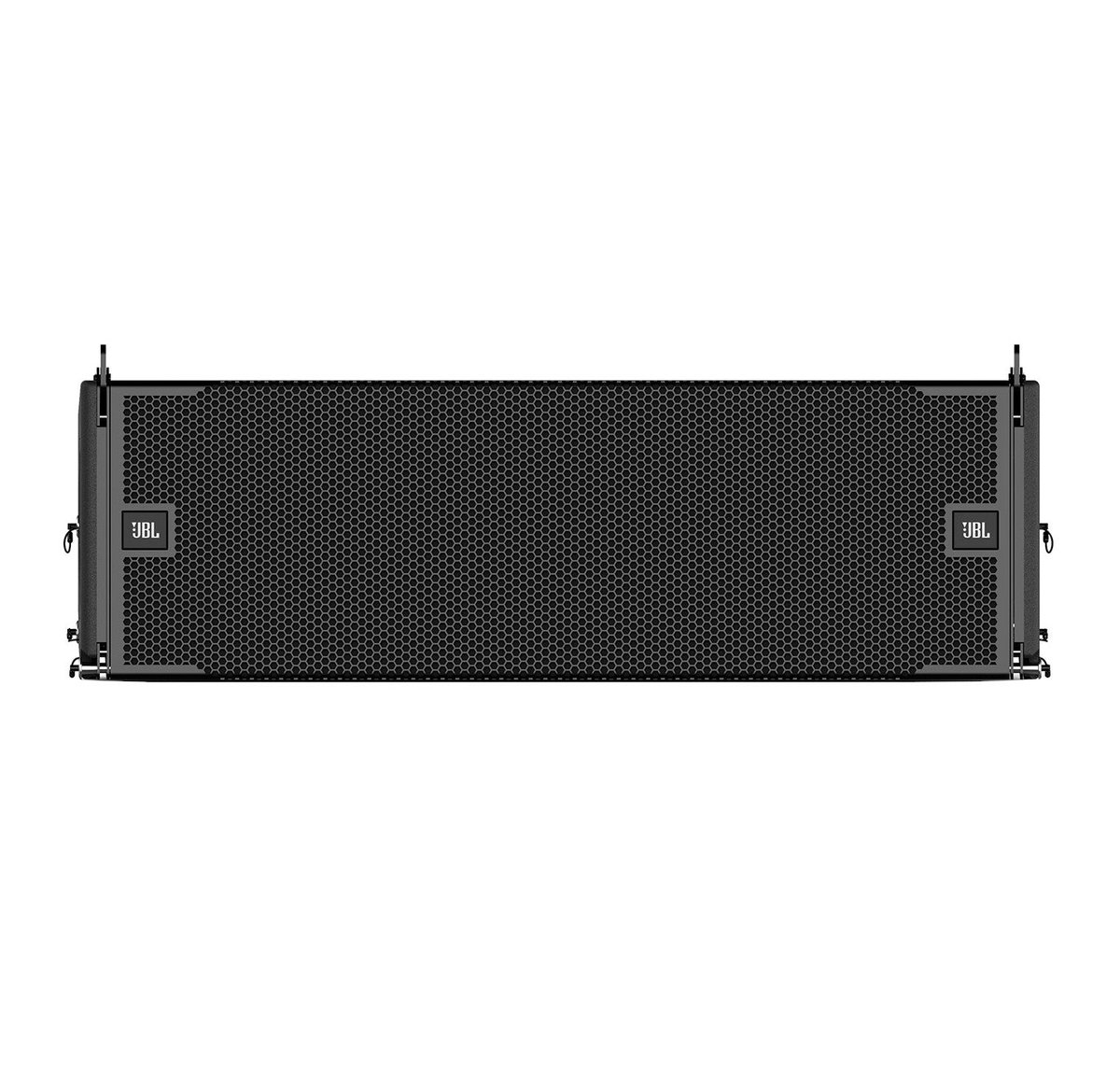
Start with packing and freight mode, because used pro audio is heavy, awkward and easy to damage. A line array cabinet like the JBL VTX A12 weighs around 60 kg and needs a proper flight case or a double-wall crate with foam blocking, not a single pallet wrap. Ask the seller for photos of the packing before dispatch and insist on shock indicators for anything with a compression driver. For a single mixer or a few microphones, air freight is fine; for a full PA, sea freight LCL is usually the only sane option. Typical LCL cost from Hamburg to Jebel Ali runs about $120–180 per cubic meter plus origin charges, and a 20-foot container of used speakers can land for $2,500–4,000 depending on the route. Always get the HS code right — mixers and amplifiers are usually 8518/8543, speakers 8518 — because a wrong code triggers inspection and delays.
Customs and duties vary wildly by region, so price the landed cost before you commit. In the EU, used professional audio gear is generally duty-free under the Common External Tariff but you still pay import VAT (19–27% depending on country) unless you're VAT-registered and can use a reverse-charge or temporary admission scheme. In the GCC, Saudi Arabia and the UAE apply 5% customs duty on most audio equipment, but Saudi often adds 5–15% on some categories and requires a SASO conformity certificate. In CIS countries, Russia's EAEU tariff on speakers and mixers is typically 0–10%, plus 20% VAT, and you'll need a customs broker who understands temporary import for rental gear. South America is the tricky one: Brazil can hit 60%+ on imported electronics, so many buyers there prefer to source used gear already inside Mercosur. Africa varies from Kenya's 25% duty plus 16% VAT to South Africa's ad valorem duties on some audio lines. Get a written landed-cost quote from your freight forwarder before you wire money.
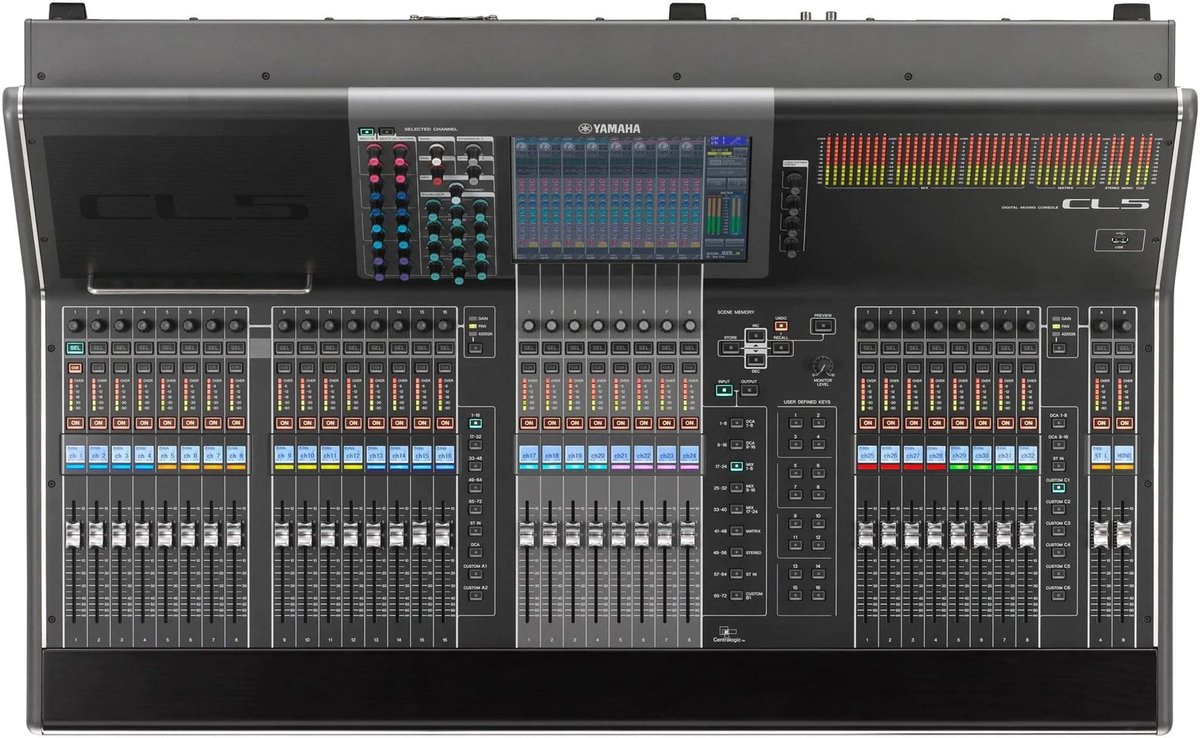
Documentation is where most deals fall apart, so treat paperwork as part of the product. You need a commercial invoice that states "used professional audio equipment," the serial numbers, condition and country of origin, plus a packing list that matches the boxes. For EU-origin gear, a EUR.1 or origin declaration can cut duties in some trade agreements. For used electronics, many countries require a CE or UL declaration of conformity; if the seller can't provide the original, ask for a test report or a declaration from a service center. A used Yamaha CL5 console, for example, should come with its original CE mark and a service history — without that, a customs officer in some CIS countries may treat it as uncertified and hold it. Keep photos of serial plates and a copy of the service invoice in the same envelope as the shipping docs.
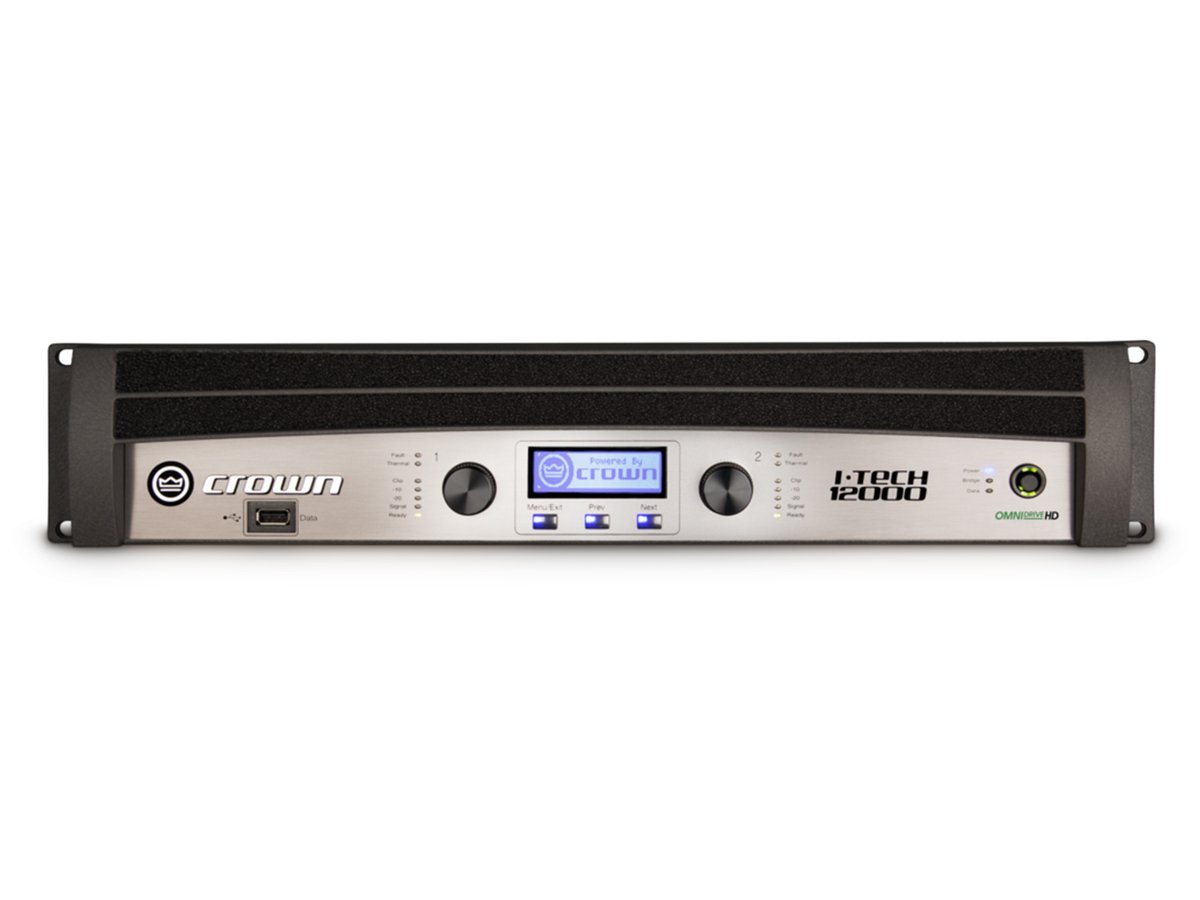
Voltage and certification checks belong in the same conversation as customs, because a cheap used amp that needs a transformer is not cheap. The Crown I-Tech 12000HD is a good example: it's a touring amp with a wide-range switch-mode supply, but older units may be set for 120V or 230V only, and a mismatch means a rewire or an external transformer. Ask the seller for a photo of the voltage label and a bench test at your mains voltage. For mixers like the Behringer Wing, confirm the firmware version and that the PSU is the correct regional variant. In the Middle East and CIS, 220–240V at 50Hz is standard, but generators and voltage sag are common on site, so a used amp with a tired PSU is a risk. If the seller can't show a test under load, budget for a service check — typically $150–300 for a bench test and recap on a large amplifier.
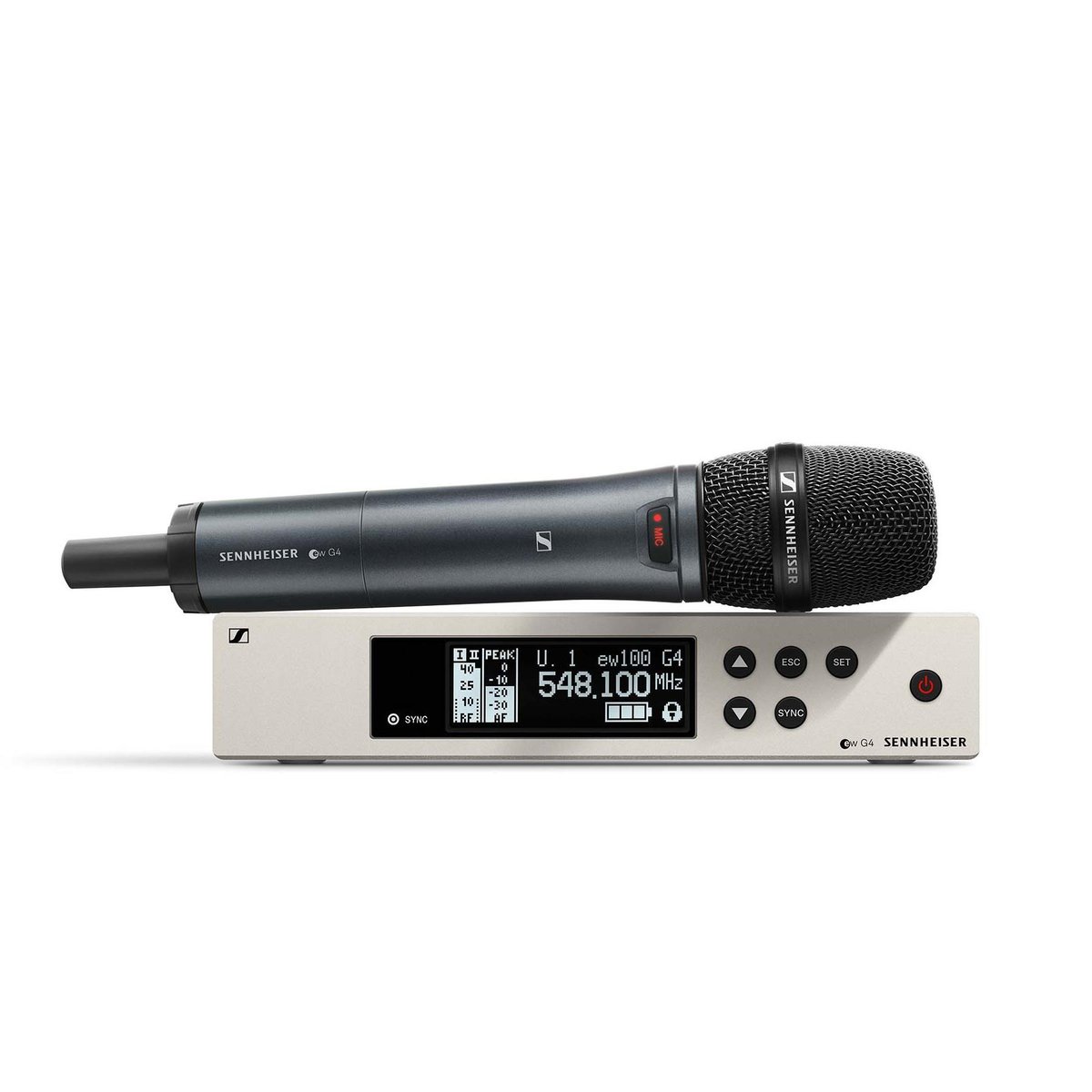
Condition and service reality matter more for used gear than for new, and buyers ask the right questions. "Is a used line array still worth it in 2026?" — yes, if the cabinets have been re-coned or at least tested, and if the rigging hardware is certified. A JBL VTX A12 with original cones and no rigging certification is a gamble; one with a recent recone invoice and load-test certificate is a solid buy. "How do I check a used digital console before buying?" — ask for a full channel-by-channel test, fader and encoder sweep, and a screenshot of the error log. For a used Sennheiser ew 100 G4, check the frequency band against your local regulations; a US 500–600 MHz unit may be illegal in the EU or Middle East. Spare parts availability is the hidden cost: recone kits for JBL and spare boards for Yamaha CL5 are still available, but lead times can run 4–8 weeks, so factor that into your rental schedule.
Close the deal with a landed-cost sheet and a paper trail, not a handshake. Before you buy used audio equipment from another region, get the freight quote, the duty rate, the VAT treatment and the documentation list in writing, then compare that total against local used prices. A console that looks 20% cheaper abroad can be 10% more expensive once freight, duty and a service check are added. Build a relationship with one freight forwarder who knows pro audio, keep serial-number photos for every shipment, and never release payment until the packing photos and test reports are in your inbox. That discipline is what separates a good used-gear buy from an expensive lesson.