The practical conclusion: buy used sound recording equipment when a unit's rental yield drops below 60% of its original rate, rotate out gear older than 7–8 years or with cosmetic Grade B wear, and preserve resale value by keeping service records, original cases, and region-specific power specs intact. A 52-point bench test and 90-day warranty de-risk every purchase.
Start with the buy trigger, not the wish list. Rental firms typically see peak ROI in years 2–4 of a unit's life; after that, maintenance hours climb and client requests shift to newer workflows. A used Behringer Wing from 2023, Grade A at $4,200 with 48 motorized faders and 28 mix buses, is a smart fleet refresh buy because it still has 3–4 strong rental years left and arrives factory-reset with the latest firmware. Compare that to holding a 10-year-old console: you are paying storage and service costs for gear that clients no longer ask for. The trigger is economic, not emotional.
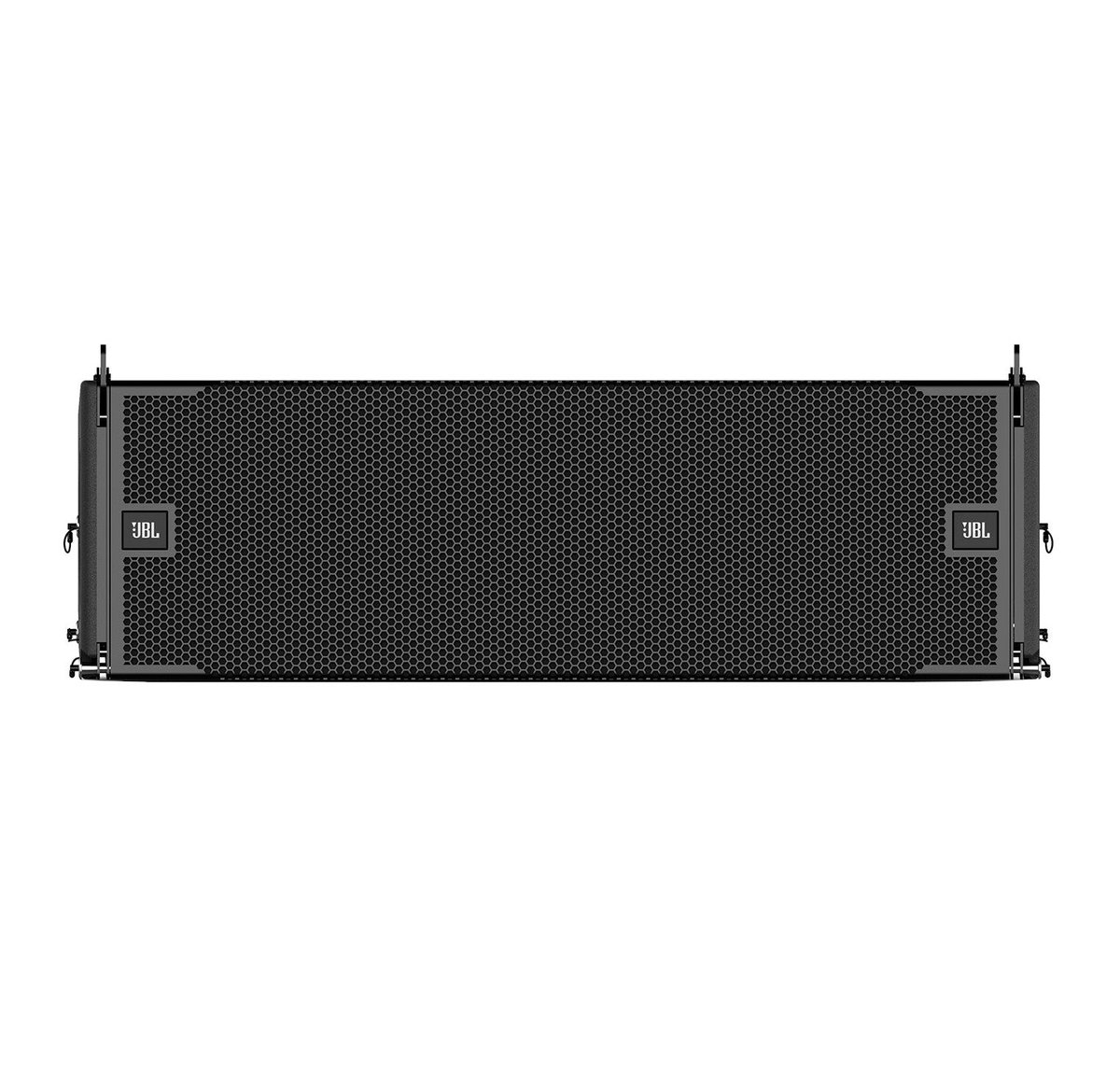
What to rotate out first? Anything with visible wear that still functions but drags your brand down. Grade B gear like a JBL VTX A12 line array from 2017 — 3-way, 2 x 12 in LF, 120/90 degree coverage — is a classic rotation candidate: 16 units in stock at $7,400 each, MOQ 4, with cosmetic grille wear but transducers tested within spec. If your venue or rental clients demand pristine cosmetics for corporate events, sell the Grade B boxes to a regional integrator who cares about output, not looks, and reinvest in Grade A stock. Keep the rigging frames; they hold value separately.
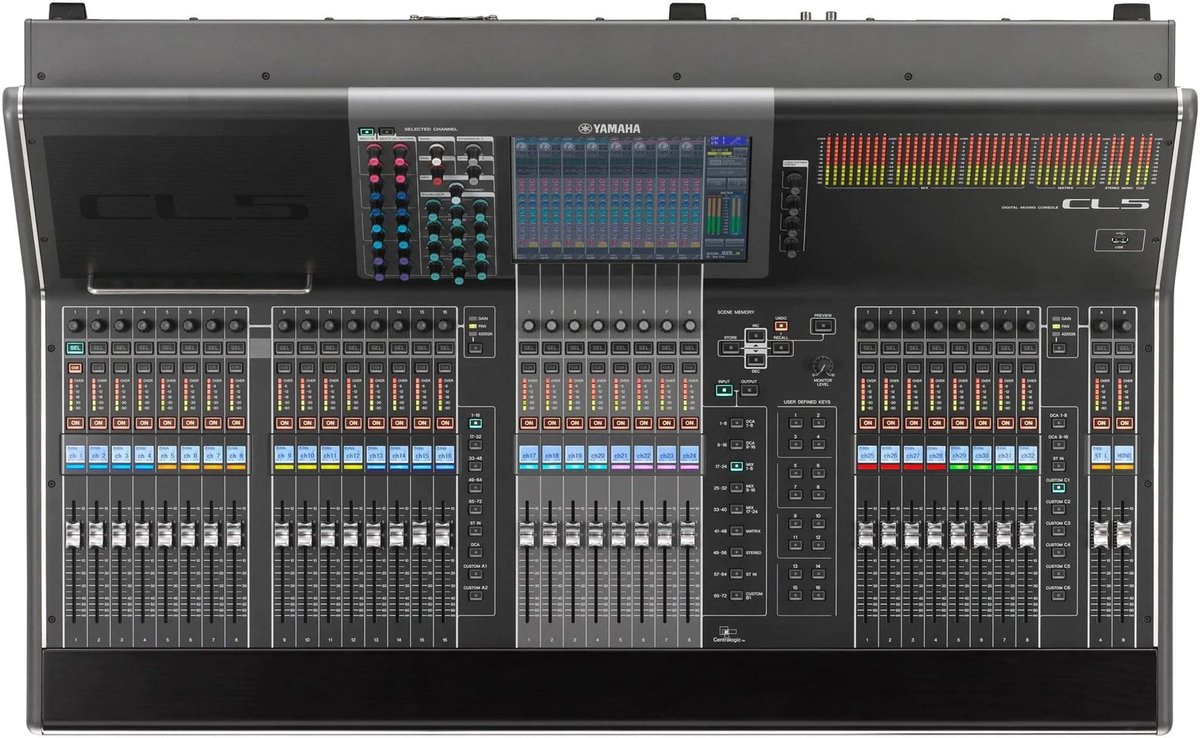
Preserving resale value is a workflow, not a hope. Keep every service record, original road case, and PSU check sheet. A Yamaha CL5 from 2018, Grade A at $9,800 with 72 mono + 8 stereo inputs, Dante 64x64, and 33+2 motorized faders, sells faster when the meter bridge and road case are included and faders are calibrated. Buyers on r/livesound and LinkedIn procurement threads ask exactly this: "How do I check a used digital console before buying?" The answer is a 52-point bench test covering power, channel, and cosmetic-vs-functional grading — and you should demand the same documentation when you sell. Units with full history typically resell 15–25% higher than orphaned gear.
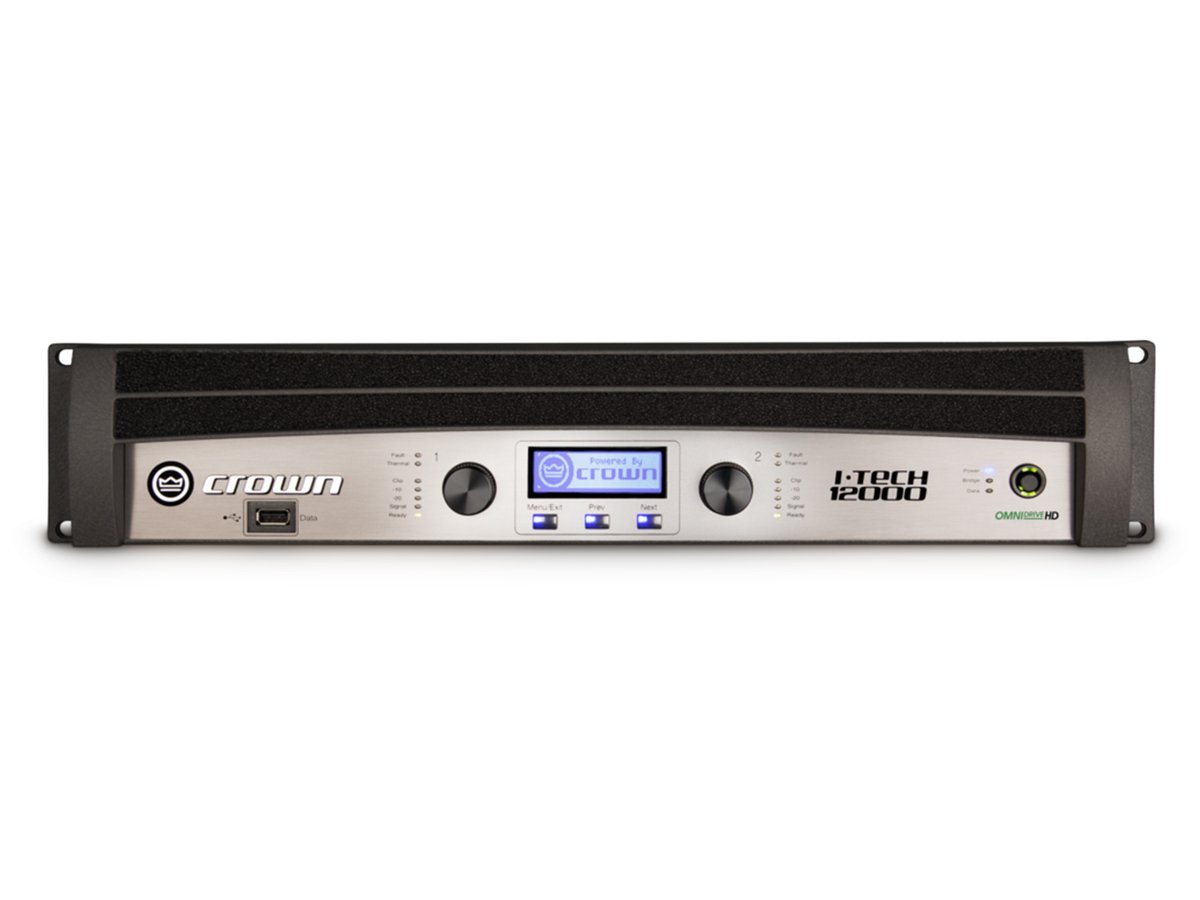
Side-by-side, the math is blunt. New flagship digital consoles run $15,000–$25,000; a Grade A used Yamaha CL5 at $9,800 saves roughly 35–50% and still carries a 90-day warranty. New line array elements often exceed $9,000 each; Grade B JBL VTX A12 at $7,400 with tested transducers is 15–20% cheaper and ready to rig. Grade C gear — functional but needing service — can be 40–50% below Grade A, but budget for recone or spare boards, which can add 10–20% of the purchase price. For amplifiers, a Crown I-Tech 12000HD at $4,950, Grade A, 2 x 4,500 W at 4 ohms with OmniDrive HD DSP, undercuts new touring amps by a wide margin while offering the same network control.
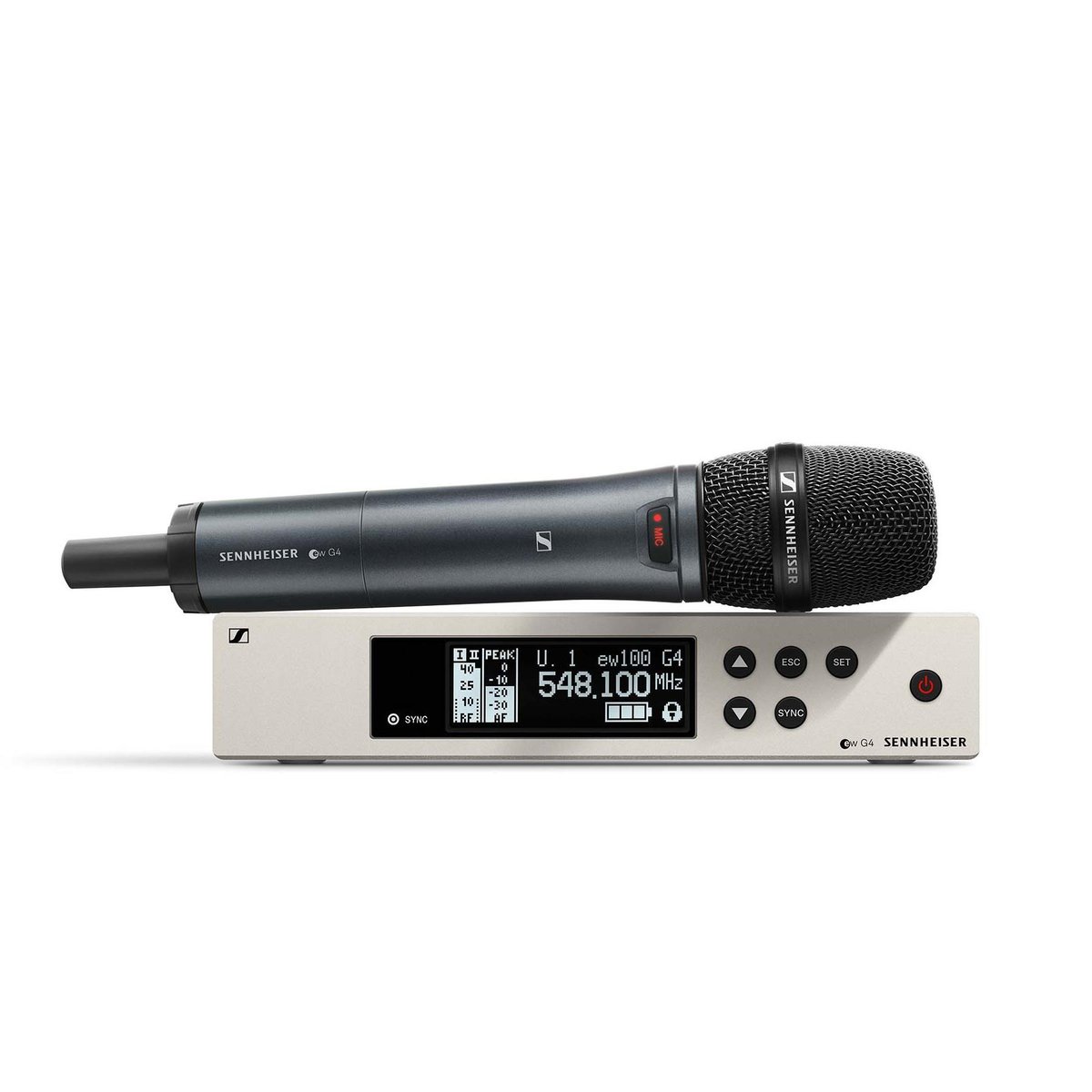
Regional fit decides whether resale value survives borders. Mains voltage (110/220V), connector types, CE/UL marks, and customs duty for CIS, Middle East, South America, and Africa can erase a 20% price advantage if the unit needs rewiring or certification. Sennheiser ew 100 G4 UHF sets at $380, Grade A, with e 835 capsules and documented frequency ranges, are easier to resell across regions because licensing data travels with them. Always confirm the region set before you buy — a 220V console headed to a 110V market is a costly mistake.
Closing takeaway: treat your fleet like a portfolio. Buy used when the yield curve justifies it, rotate out Grade B and 7+ year-old units before service costs spike, and protect resale value with documentation, cases, and correct regional specs. Every unit you buy through a 52-point tested channel with a 90-day warranty is a lower-risk asset than an untested bargain.