If you run a rental fleet, the question isn't whether to buy 2nd hand pro audio — it's when to buy, what to rotate out, and how to protect resale value so the next refresh doesn't eat your margin. The traders who win at this treat gear like a depreciating asset with a service life, not a permanent purchase. They buy at the right point in the model cycle, sell before the market floods, and keep service records that make a buyer comfortable. Here's how that works in practice across mixers, amps, speakers and mics.
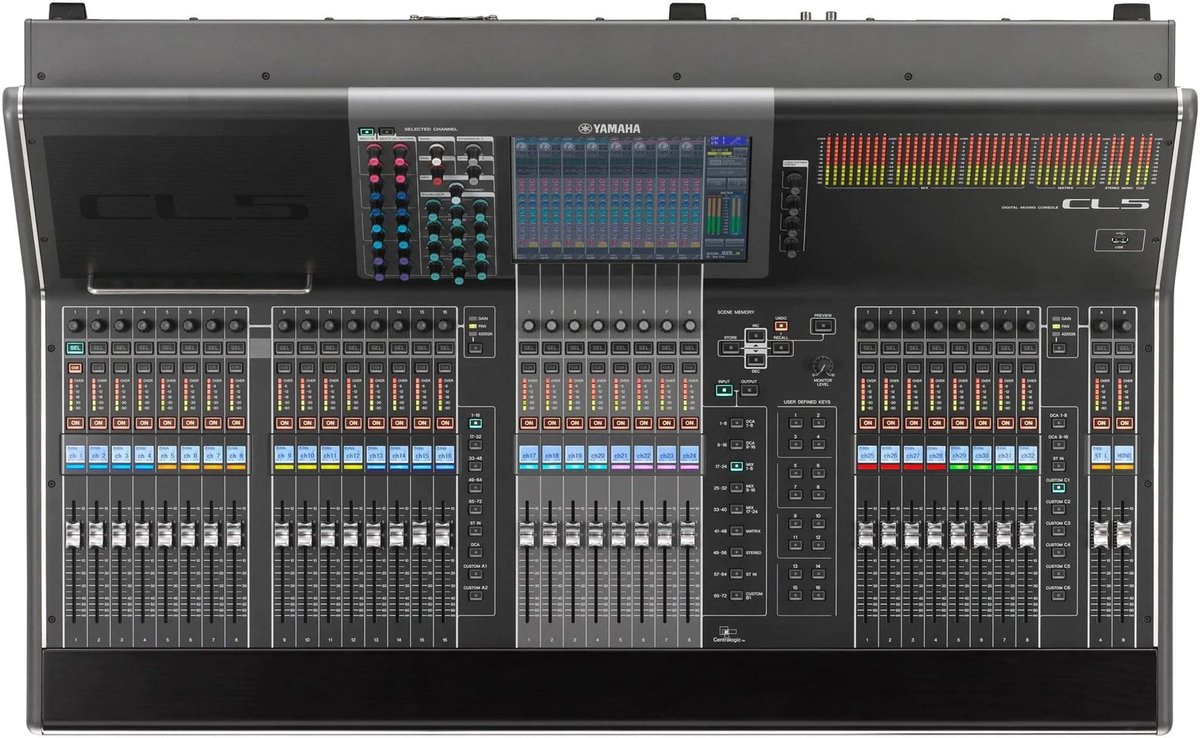
The first decision is timing the buy. Rental demand in CIS, the Middle East, South America and Africa is price-sensitive and event-driven — weddings, corporate AV, festivals, houses of worship. That means a three-to-five-year-old digital console or line array often hits the sweet spot: still rider-acceptable, but 40–60% below new. A used Yamaha CL5, for example, remains a rider-friendly desk in many markets even as newer models appear, and a clean unit with a fresh battery and verified faders can cost roughly half of new. Buy when a larger operator is upgrading and the market is briefly oversupplied; avoid buying right after a major trade show when everyone is chasing the same trade-in stock.
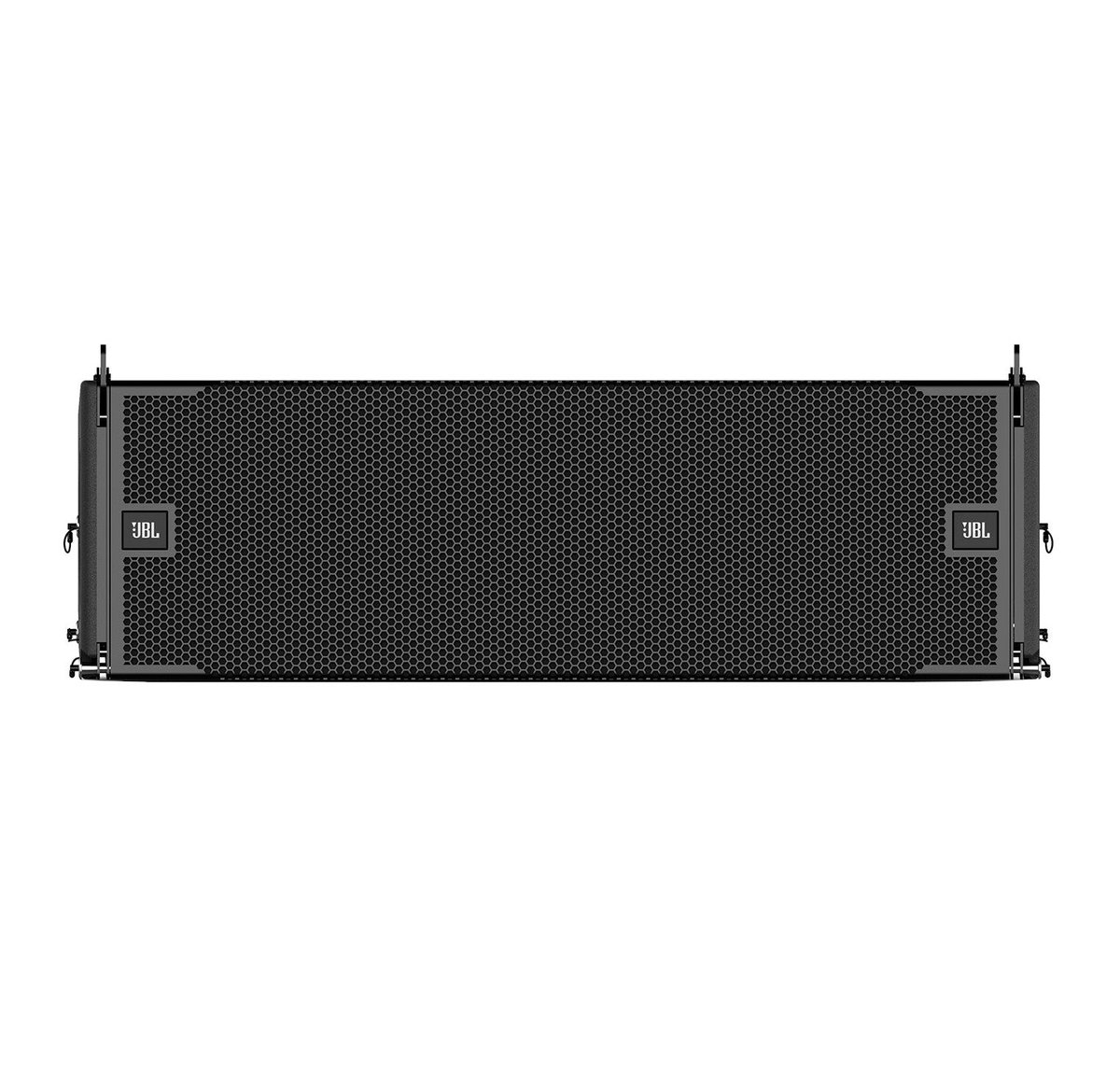
What to rotate out is a service-life question, not a fashion question. Speakers and amps take the most abuse; mixers age mainly in faders, encoders and screens; wireless mics age in capsules, connectors and RF boards. A sensible rule: rotate loudspeakers after 6–8 years of heavy rental use or two recone cycles, amplifiers after 8–10 years or when spare boards get scarce, and digital consoles after 5–7 years or when the manufacturer stops firmware support. A JBL VTX A12 that has been well maintained and never overdriven can still be a strong rental line-array box, but once recone costs and rigging inspection start climbing, it's time to sell it into a market where it will be used more gently.
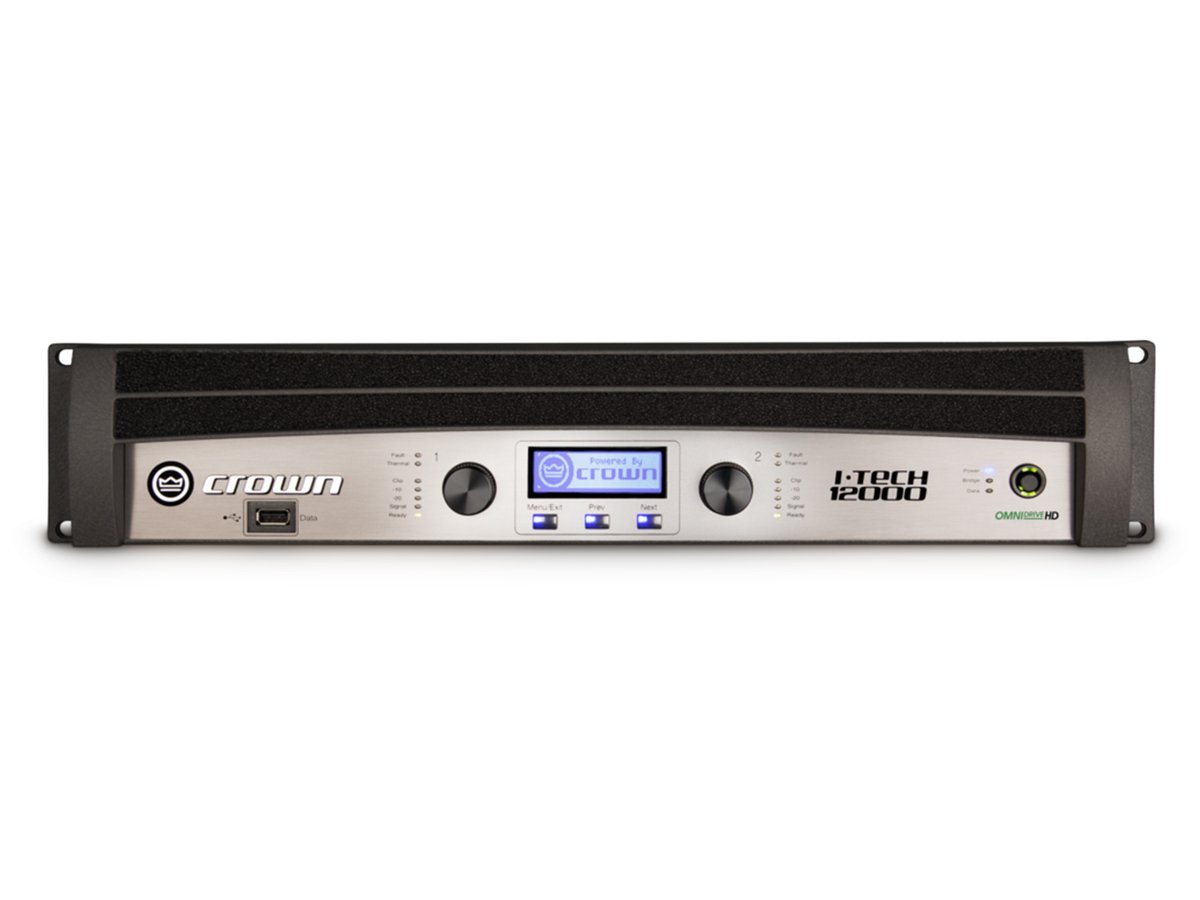
Preserving resale value starts the day you buy. Keep original cases, keep service logs, and don't cannibalize units for parts — a complete, working unit sells for far more than a stripped one. Cosmetic care matters more than people admit: scuffed racks and missing knob caps knock 10–20% off a private sale. For amps like the Crown I-Tech 12000HD, keep the fan filters clean and document any board-level repairs; buyers in r/livesound and AV procurement threads repeatedly ask 'has it been serviced, and by whom?' A documented service history is often worth more than a lower price.
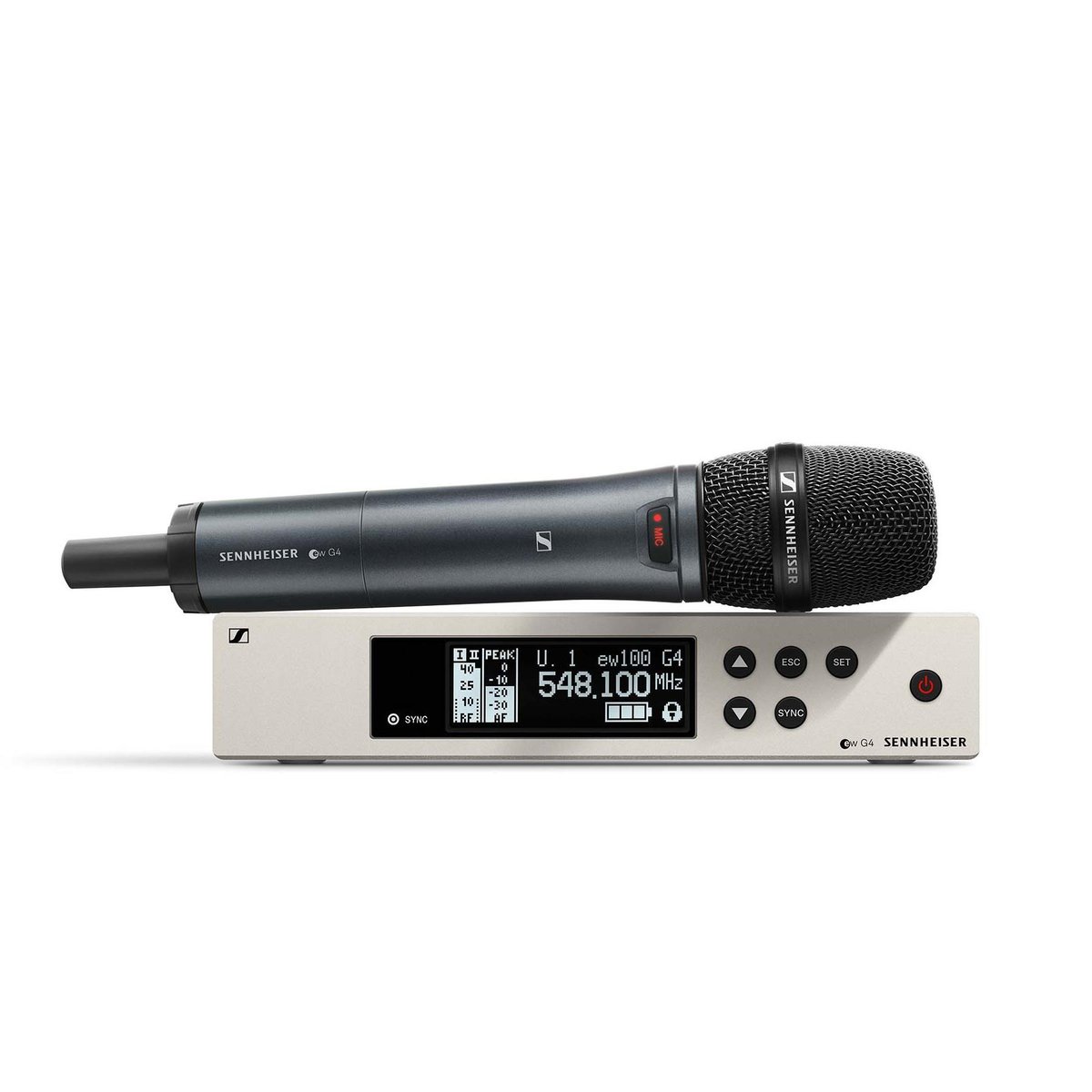
Condition checks are where 2nd hand pro audio deals are won or lost. Buyers ask 'how do I check a used digital console before buying?' — the honest answer is: power it up cold, run every input and output, exercise every fader and encoder, check screen brightness and touch response, verify firmware and licence status, and test the PSU under load. For wireless, ask about the Sennheiser ew 100 G4's frequency band and whether it matches your local allocation; a great mic in the wrong band is a paperweight. For speakers, ask for impedance sweeps and recone history. If a seller can't answer these, price the risk in or walk away.
Industry context and policy shape the math. Rental demand in target regions is growing but fragmented, so dealer networks and local service matter. Mains voltage varies — 220–240V in most CIS, Middle East, Africa and South America markets, 110–127V in parts of the Americas — so confirm voltage and plug type before shipping. CE/UL marking and customs duty (often 5–20% plus VAT) can swing the landed cost by a fifth. Shipping a full line array internationally can run several thousand dollars, so bundle sales to reduce per-unit freight. A Behringer Wing at a good 2nd hand price is attractive, but only if the firmware is current and the unit hasn't been racked in a smoky club for years.
The practical takeaway: treat your fleet as a portfolio. Buy when the market is soft, rotate on service life rather than hype, document everything, and sell into markets where the gear still has life. That discipline is what separates a rental firm that refreshes profitably from one that just keeps buying.