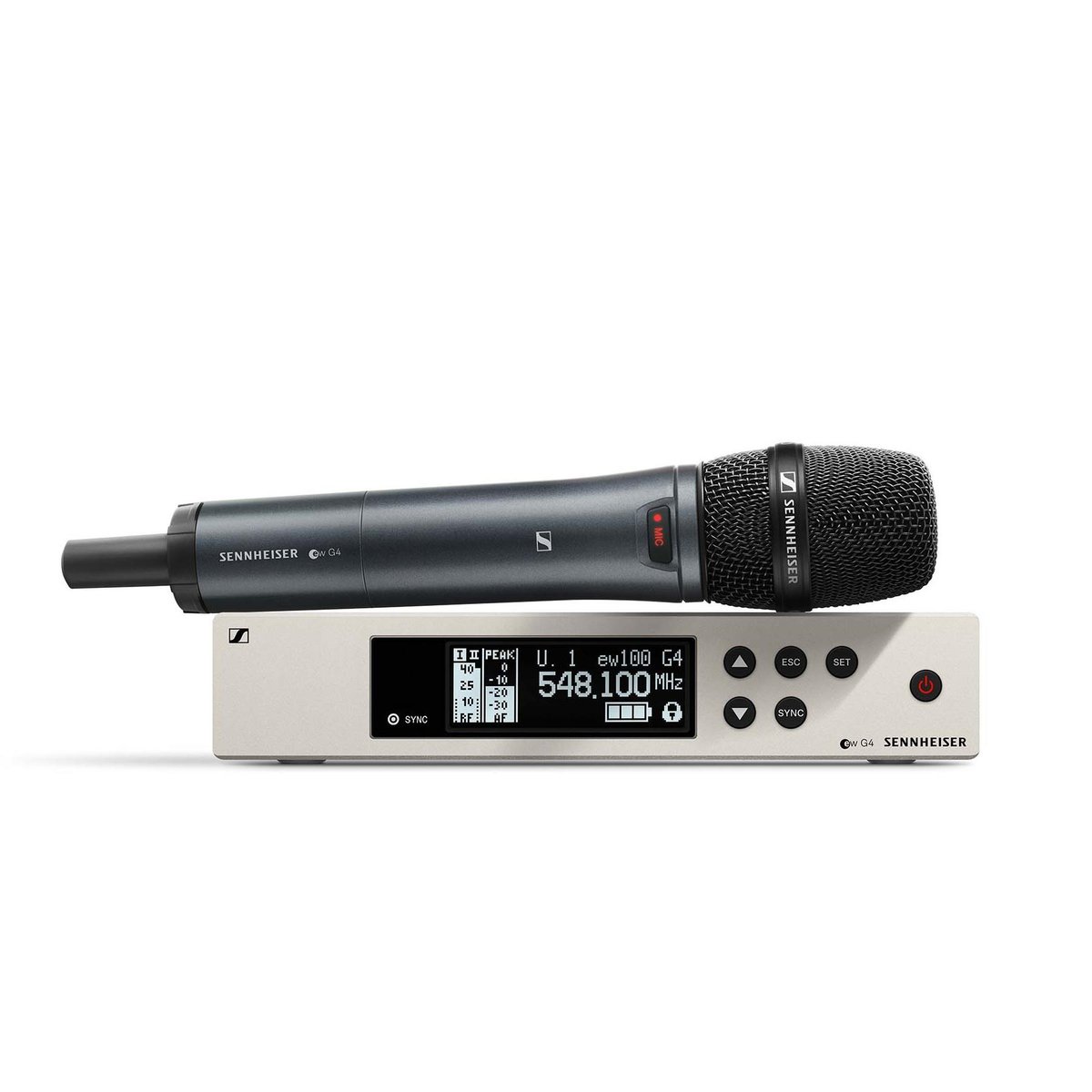
When you buy used Sennheiser microphone systems wholesale, the warranty conversation starts before the invoice — not after the first failure. Most used-gear warranties from dealers cover only dead-on-arrival defects, typically 7 to 30 days, and they almost never cover capsules, antennas, or normal wear. If you are sourcing a batch of Sennheiser ew 100 G4 wireless sets for a rental fleet, the real question is not "is there a warranty" but "what exactly is excluded, and who pays freight when a bodypack dies in week three." Get that in writing, or assume you are self-insuring.
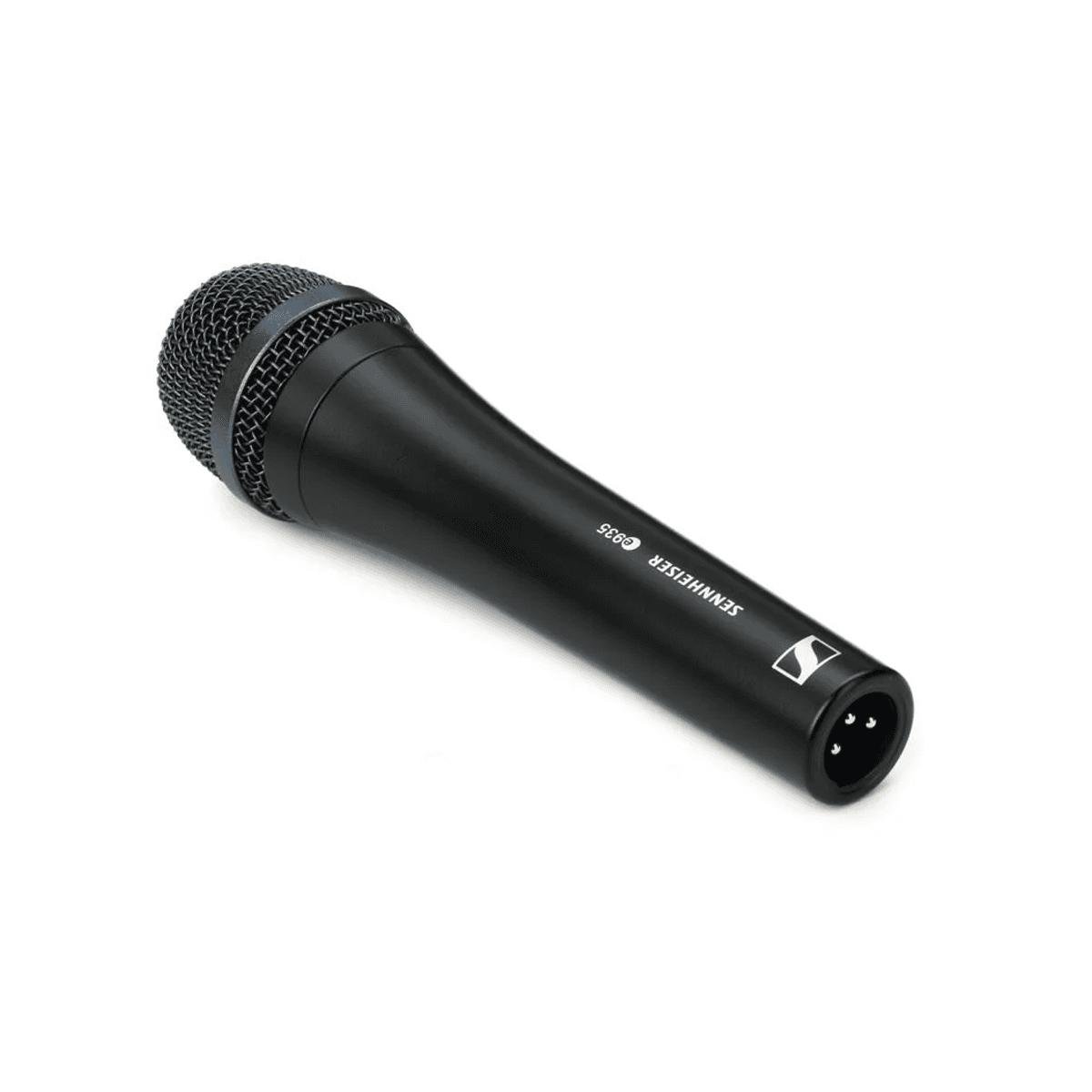
Ask the question buyers actually type into Google: "What does a used microphone warranty actually cover?" The honest answer is narrow. A typical wholesale warranty covers the electronics against failure under normal use for a stated period, and it usually excludes the capsule, grille, foam, battery contacts, and any damage from phantom power miswiring or liquid. For a Sennheiser e 935 handheld, the capsule is the expensive part — so a warranty that excludes the capsule covers maybe 30% of the replacement cost. Push for the exclusion list in the quote, not the marketing line. If the dealer will not put exclusions in writing, treat the price as final and budget for one in ten units needing service.
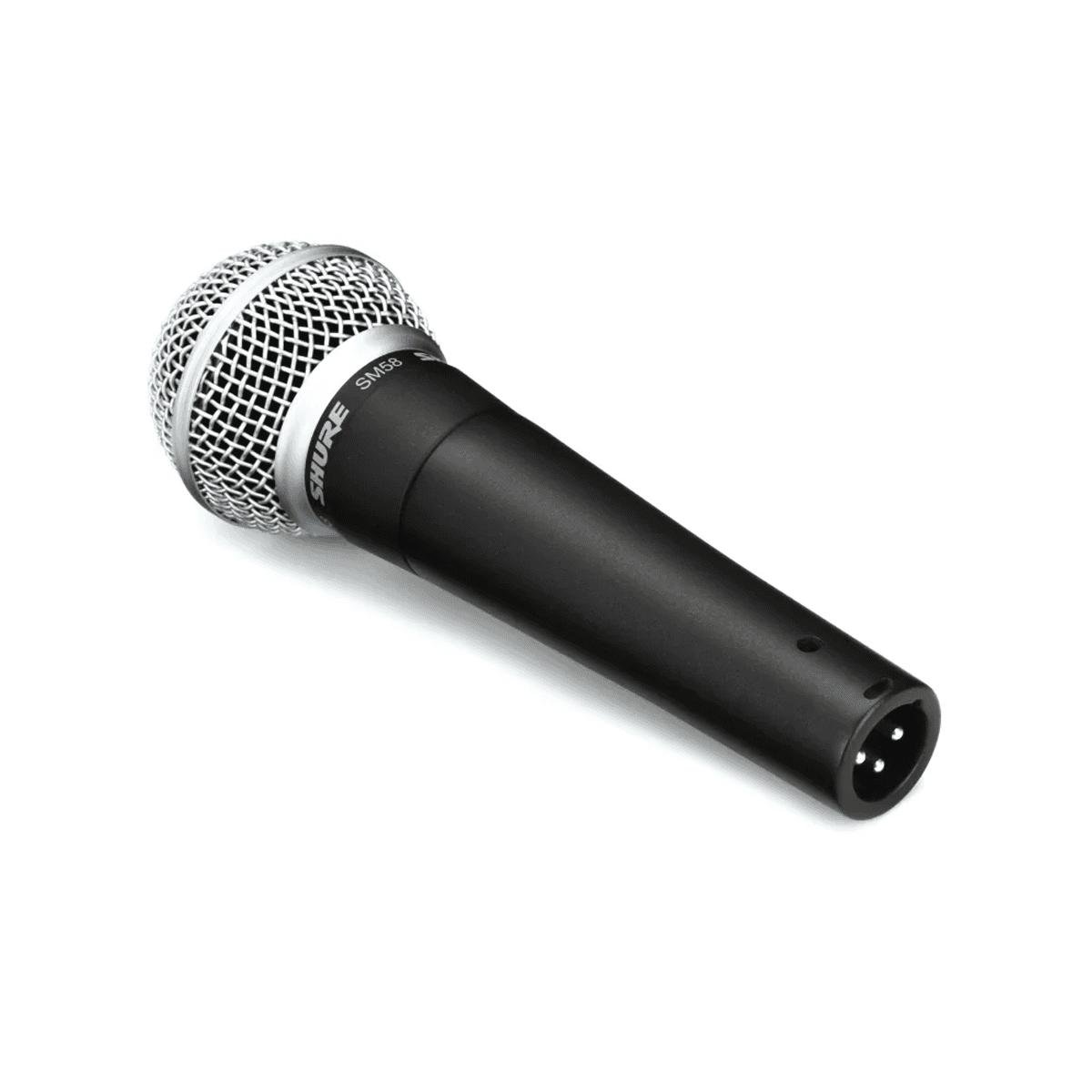
Spare-part availability is where used Sennheiser systems separate themselves from no-name gear. Sennheiser still supports the ew 100 G4 platform with bodypacks, capsules, and antennas through regional distributors, but lead times in CIS, Middle East, and South America can run 4 to 8 weeks and customs adds another layer. Ask the seller for the exact model and revision, then check that the regional distributor stocks the part before you commit to 50 units. For older systems, a missing battery cover or a discontinued capsule can turn a cheap lot into a parts-only lot. A Shure SM58 is the exception — parts are everywhere and cheap — but wireless systems are not SM58s.
Voltage and certification are part of the warranty reality, not a separate topic. A used system built for 230V will not survive a 120V market without the correct PSU, and a unit without CE or UL marking can be refused at customs or by the venue's insurer. In the GCC and parts of Africa, 230V/50Hz is standard; in Brazil, 127V/220V with different plug types; in the CIS, 220-230V. Ask for the PSU part number and a photo of the label. If the seller ships a European ew 100 G4 with a Europlug and no local certification, your "warranty" is void the moment the buyer plugs it in. Budget 3-5% of order value for correct PSUs and plug adapters.
What should you write into the order? Be specific: state the warranty period in days, list what is excluded (capsule, foam, battery door, cosmetic), require a DOA replacement window of at least 14 days, and specify who pays return freight. Add a clause that the seller confirms the unit powers on, passes audio, and includes the original PSU with the correct voltage. For a mixed lot, ask for serial numbers and photos per unit. On a $180-250 per-unit wholesale price for used ew 100 G4 sets, a 10% failure rate is a $2,000 problem on a 100-unit order — worth one page of contract language.
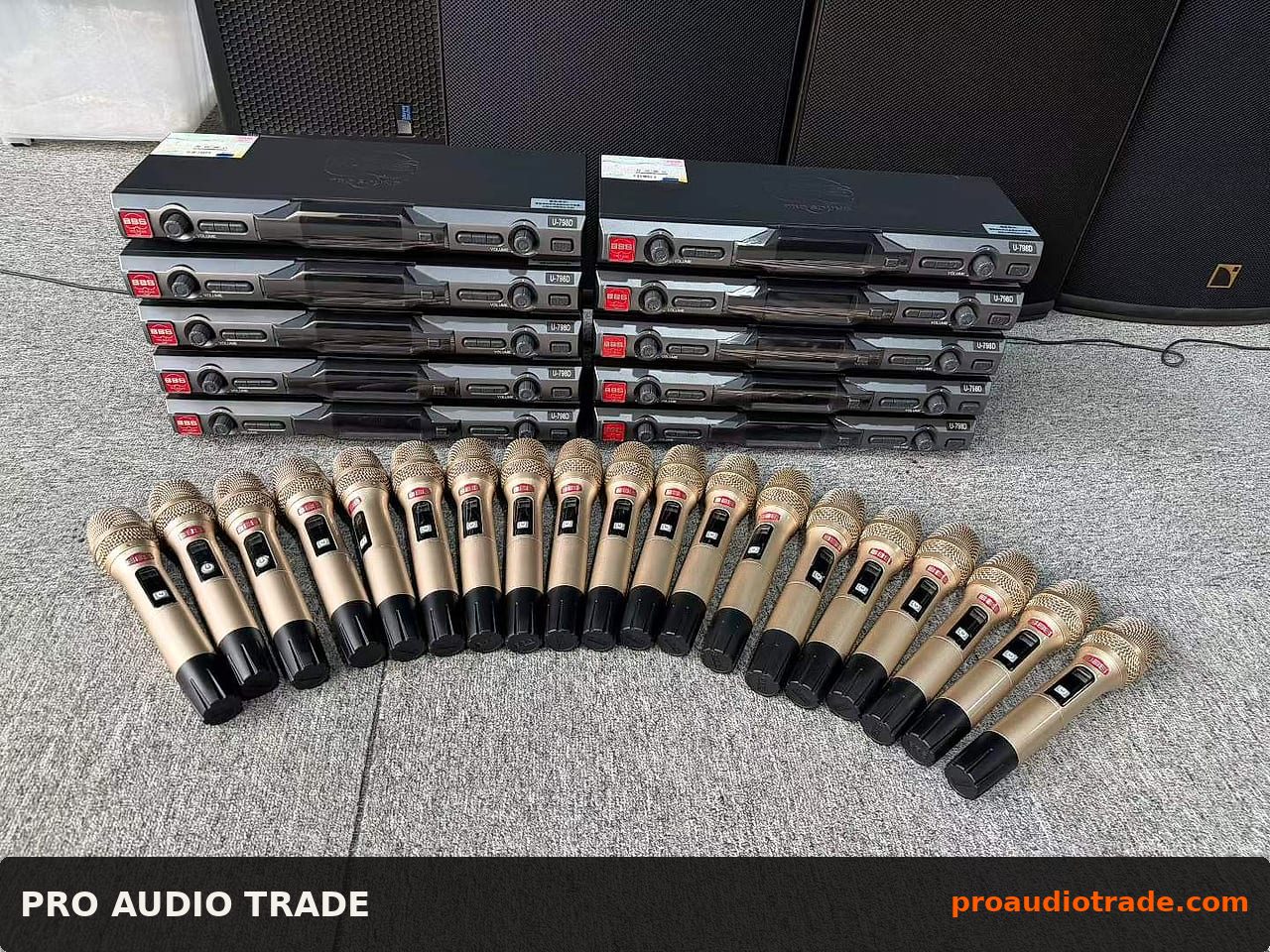
Finally, test before you resell. A quick bench check — power on, scan for interference, confirm RF and AF meters, check the capsule for distortion — catches most dead units before they reach your customer. Keep a small stock of known-good capsules and PSUs so you can swap and keep the warranty clock honest. If you are buying BBS U-798D or Crown CM-310A alongside Sennheiser, note that parts support differs sharply by brand; the Sennheiser line is the safer long-term hold, the others are price plays. Write the warranty, the voltage, and the parts plan into the order, and used Sennheiser wholesale becomes a manageable risk instead of a gamble.