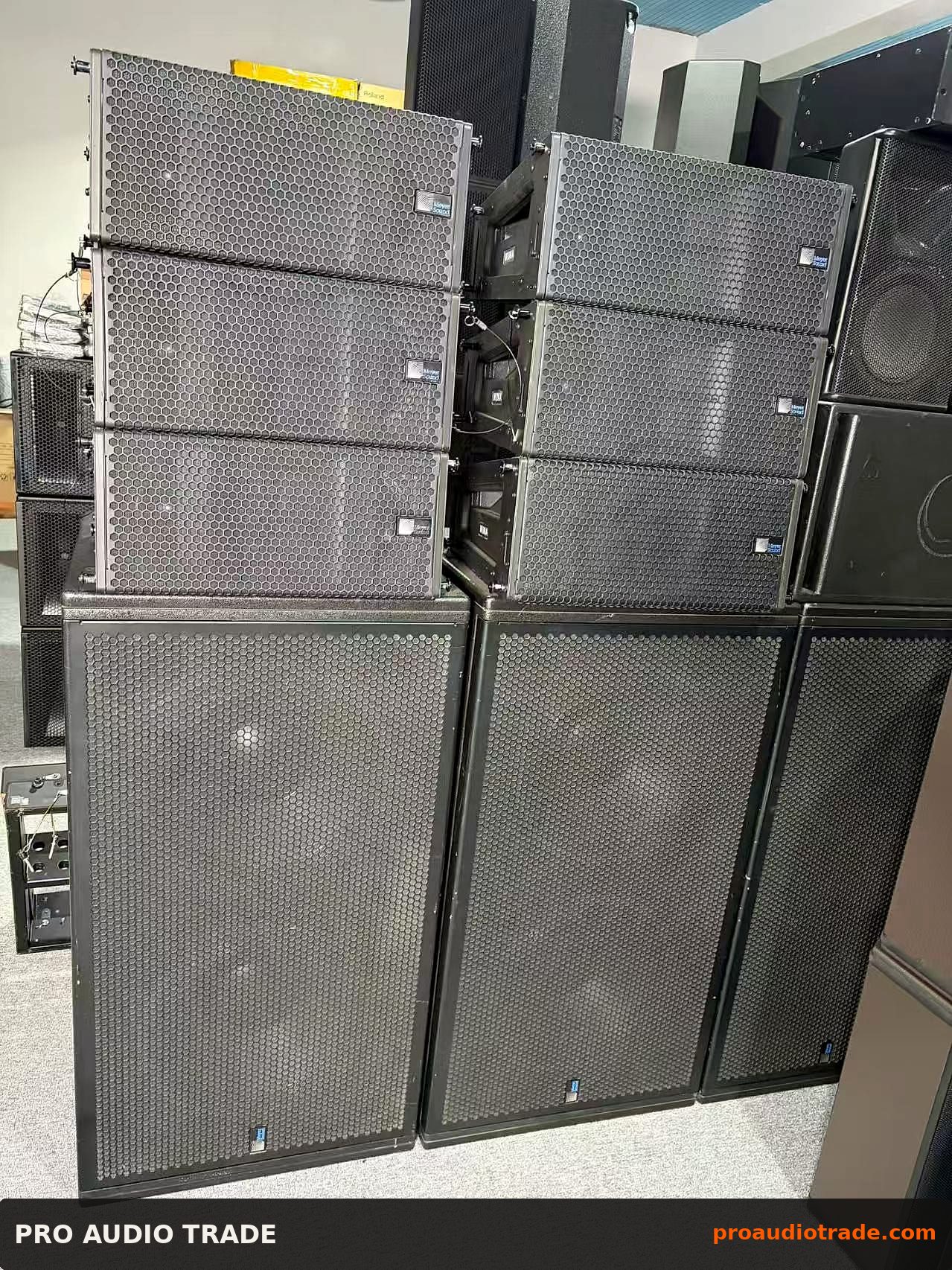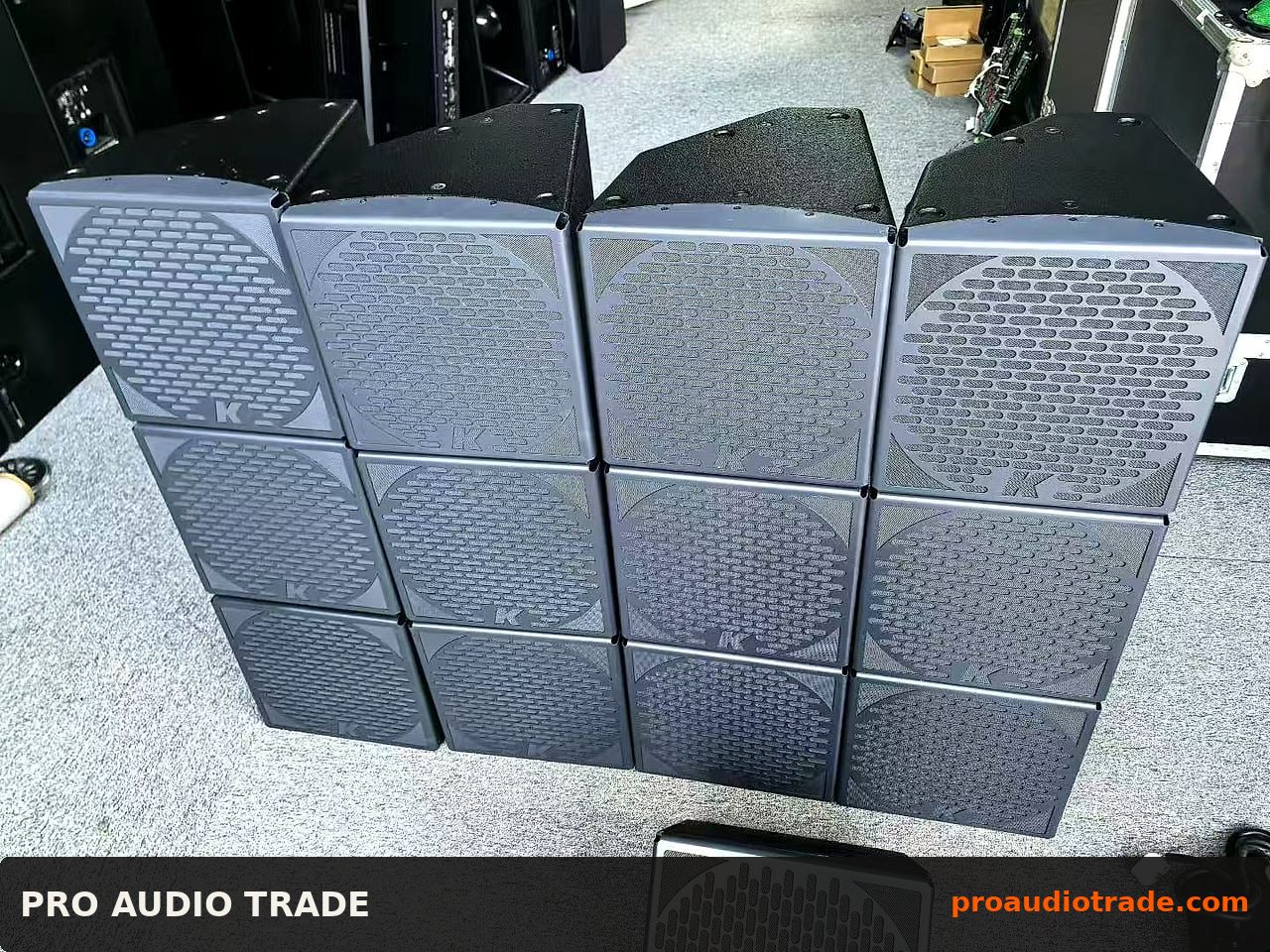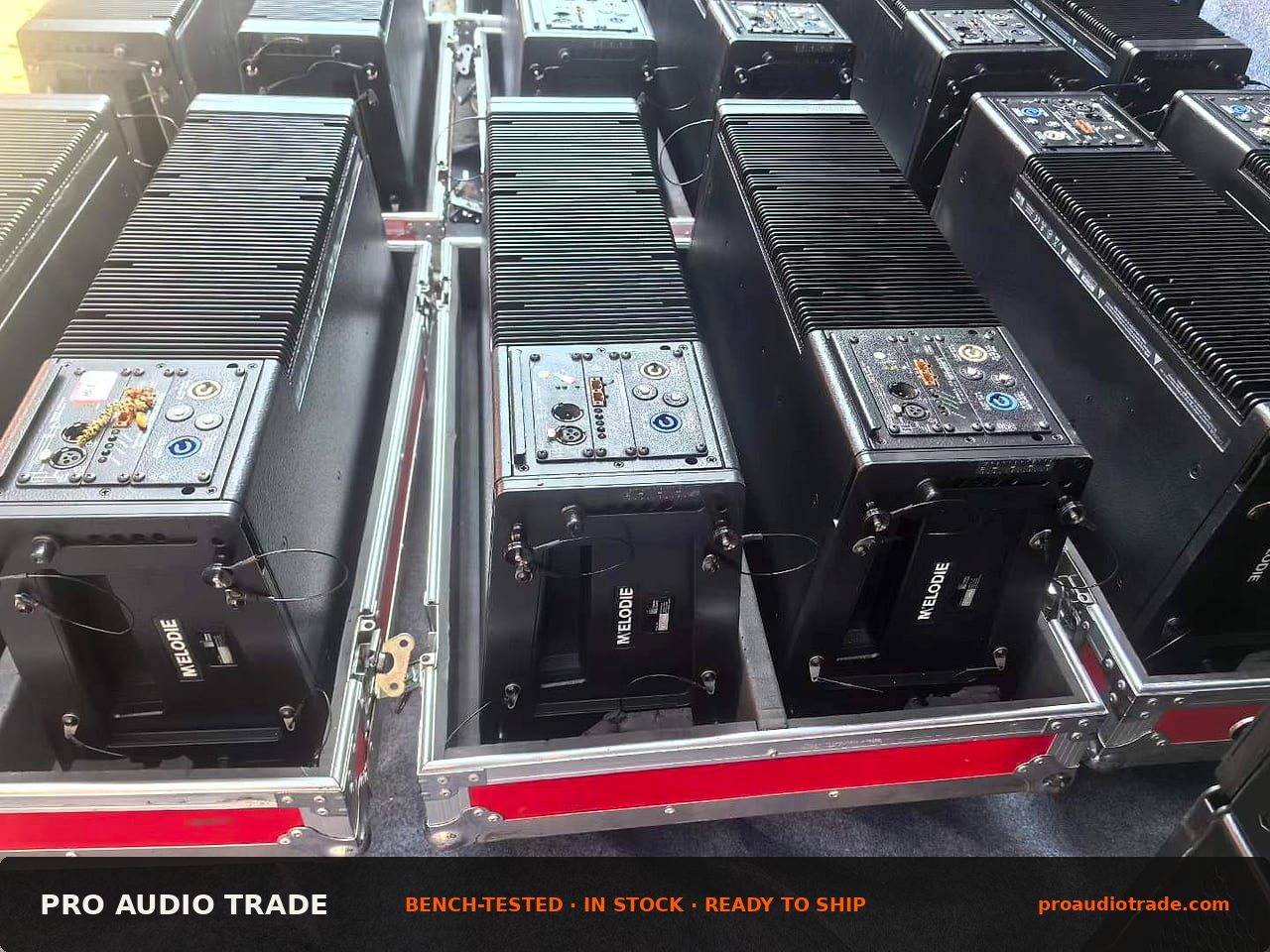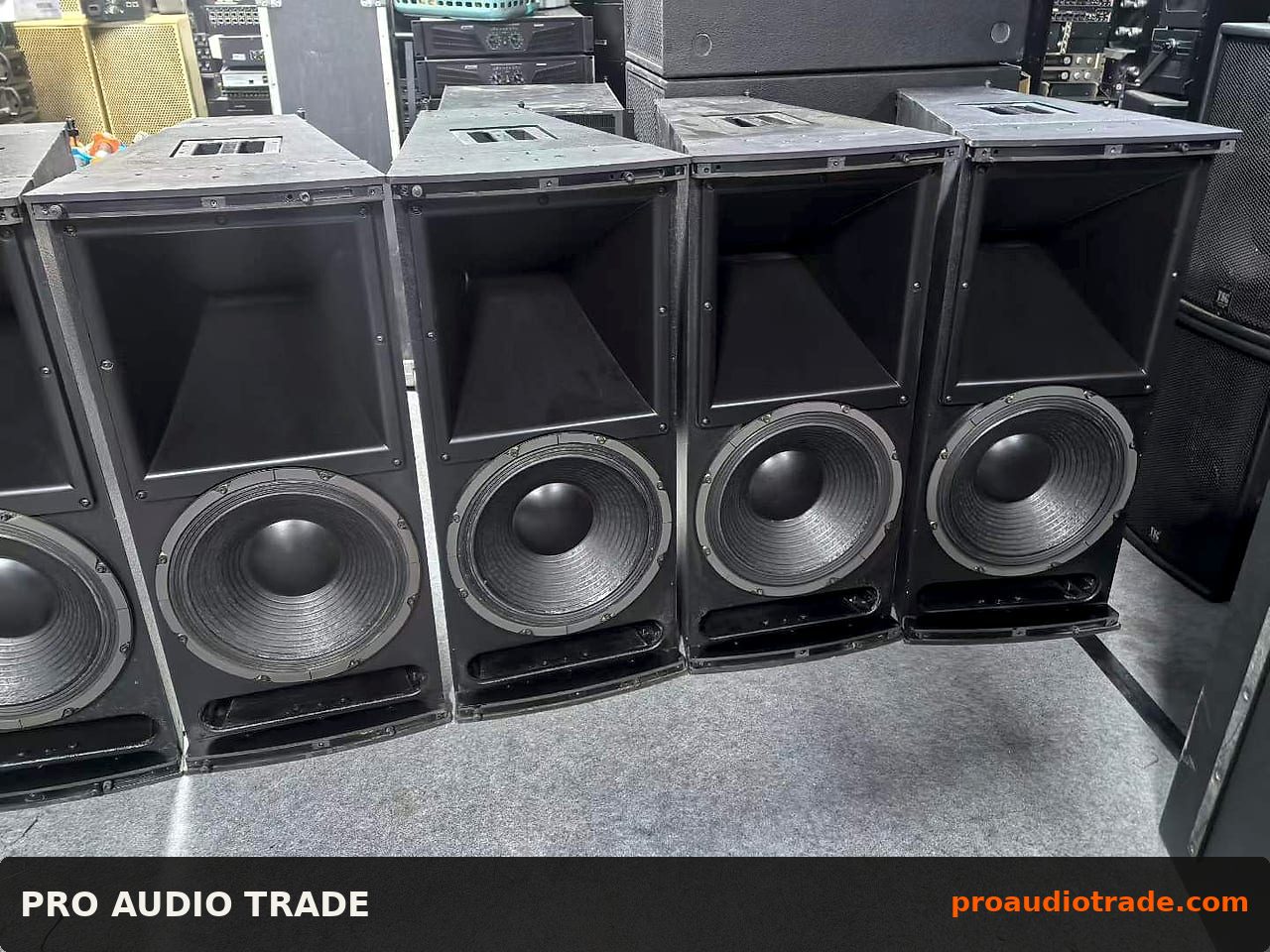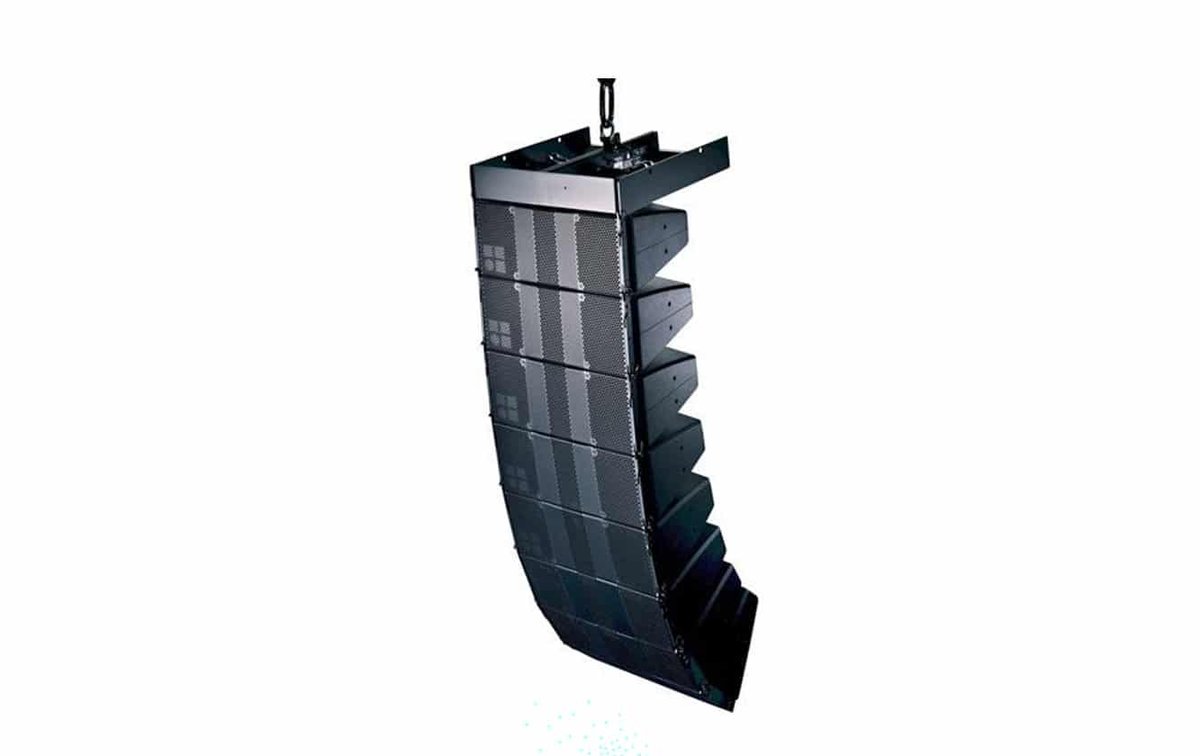
When you’re sourcing used professional audio gear for rental fleets, integrators, or touring systems across the CIS, Middle East, South America, or Africa, the d&b audiotechnik Q7 often comes up as a benchmark for compact, high-output line-array and point-source hybrid solutions. Its reputation for rider acceptance, long-term reliability, and d&b’s system approach makes it a strong candidate—but is it always the best value on the secondary market? This comparison breaks down the Q7 against three common alternatives you’ll find in wholesale channels: the L-Acoustics Kiva, the Meyer Sound M’elodie, and the Nexo GEO S12. We’ll look at real buyer considerations—specs, availability, support, and total cost of ownership—so you can make an informed decision for your inventory or project.
Key specs and fixed ranking order (based on typical used-market availability, rider friendliness, and system scalability for B2B buyers): 1) d&b Q7 – 75° x 40° dispersion, 2 x 10” LF + 1.4” HF, max SPL 139 dB, lightweight (approx. 26 kg), and fully compatible with d&b D20/D80 amplifiers and R1 remote control. 2) L-Acoustics Kiva – 100° x 15° (or 110° x 15° depending on version), 2 x 6.5” LF + 1.75” HF, max SPL 138 dB, very compact but requires LA4X/LA8 amps and often pairs with SB15M subs. 3) Meyer Sound M’elodie – 100° x 40°, 2 x 8” LF + 1.4” HF, max SPL 136 dB, self-powered with onboard amplification, which simplifies cabling but adds weight and potential service complexity. 4) Nexo GEO S12 – 120° x 20° (or 5° depending on config), 1 x 12” LF + 1 x 3” HF, max SPL 139 dB, modular and scalable, but needs NXAMP and specific rigging. The Q7 stands out for its balanced pattern control and d&b’s consistent amp presets, while Kiva wins on compactness, M’elodie on self-powered simplicity, and GEO S12 on horizontal coverage flexibility.
What to inspect when buying used: First, verify the driver cones and diaphragms for fatigue or reconing—Q7s are often used in rental fleets and may have had hard lives. Check the rigging hardware for bent pins, worn threads, or missing quick-lock fittings, as replacement parts can be costly and lead times long in some regions. Test each cabinet with a known-good d&b amplifier (D20 or D80) to confirm presets load correctly and there are no error codes. For self-powered alternatives like the M’elodie, ask for service history and check the onboard amp modules for overheating signs or firmware mismatches. Also confirm the serial numbers are not reported stolen and that the seller can provide original documentation or service records—especially important for cross-border deals in the CIS and Africa where customs may ask for proof of origin.
Next step: Before committing to a wholesale lot, request a video call or third-party inspection showing each cabinet powered up and playing program material at moderate levels. Ask for impedance sweeps or RTA measurements if available, and clarify whether amplifiers, rigging frames, and covers are included—these accessories often make or break the total cost. Compare landed cost (including shipping, duties, and any needed repairs) against local rental rates for Q7 vs alternatives; in many markets, the Q7 holds resale value better, but Kiva and GEO S12 may offer faster ROI for smaller venues. If you’re building a standardized fleet, stick with one ecosystem to simplify training and spares. Otherwise, mix strategically based on rider demands and client budgets.