If you are equipping a rental fleet or upgrading a venue system, the used touring amplifier market offers serious value—but prices swing wildly based on condition, history, and brand reputation. This guide gives you realistic price ranges for the most common pro touring amps so you can budget confidently and avoid overpaying. We focus on amplifiers built for road use: high-power, rugged, and designed for continuous duty in live sound environments.
Key specs that drive price: power output per channel at 4 and 8 ohms, bridge mode capability, weight, DSP and network control, and whether the unit is analog or Class D. As a rule, Class D amps with onboard DSP command a premium, while older analog transformer amps are cheaper but heavier and less efficient. For touring, prioritize models with proven reliability records and available service documentation. Brands like Lab.gruppen, Powersoft, Crown, QSC, and Camco hold value well; lesser-known brands depreciate faster but can be bargains if you can verify condition.
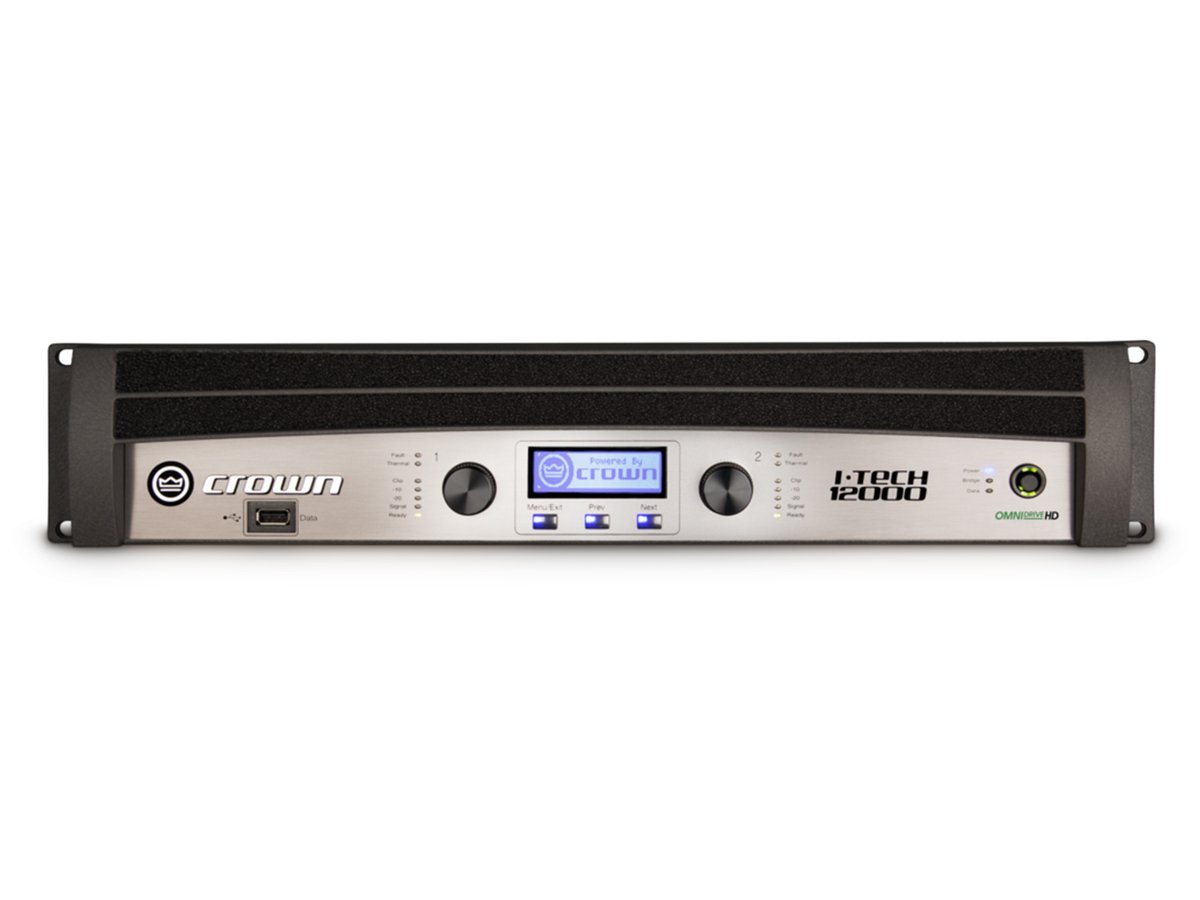
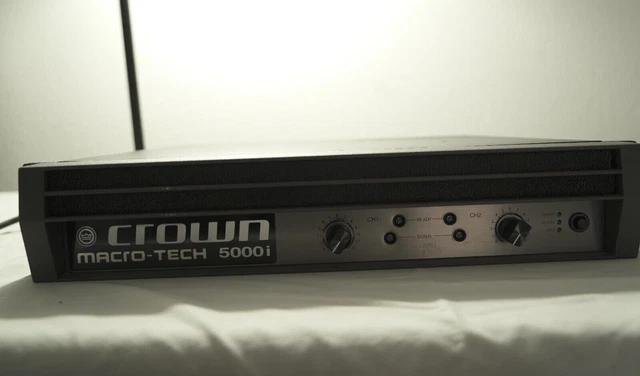
Here is a fixed ranking order of popular used touring amplifiers by typical street price (working condition, no major cosmetic damage): 1) Lab.gruppen PLM series (DSP+network) — $2,800–$4,500; 2) Powersoft X4 — $3,000–$4,800; 3) Crown I-Tech 4x3500HD — $2,200–$3,500; 4) QSC PLD4.5 — $1,800–$2,800; 5) Camco Vortex 6 — $1,500–$2,400; 6) Lab.gruppen FP series (analog) — $1,200–$2,000; 7) Crown XTi 6002 — $900–$1,500; 8) QSC RMX 5050 — $700–$1,200. Prices vary by region and included accessories (racks, cables, dust covers).
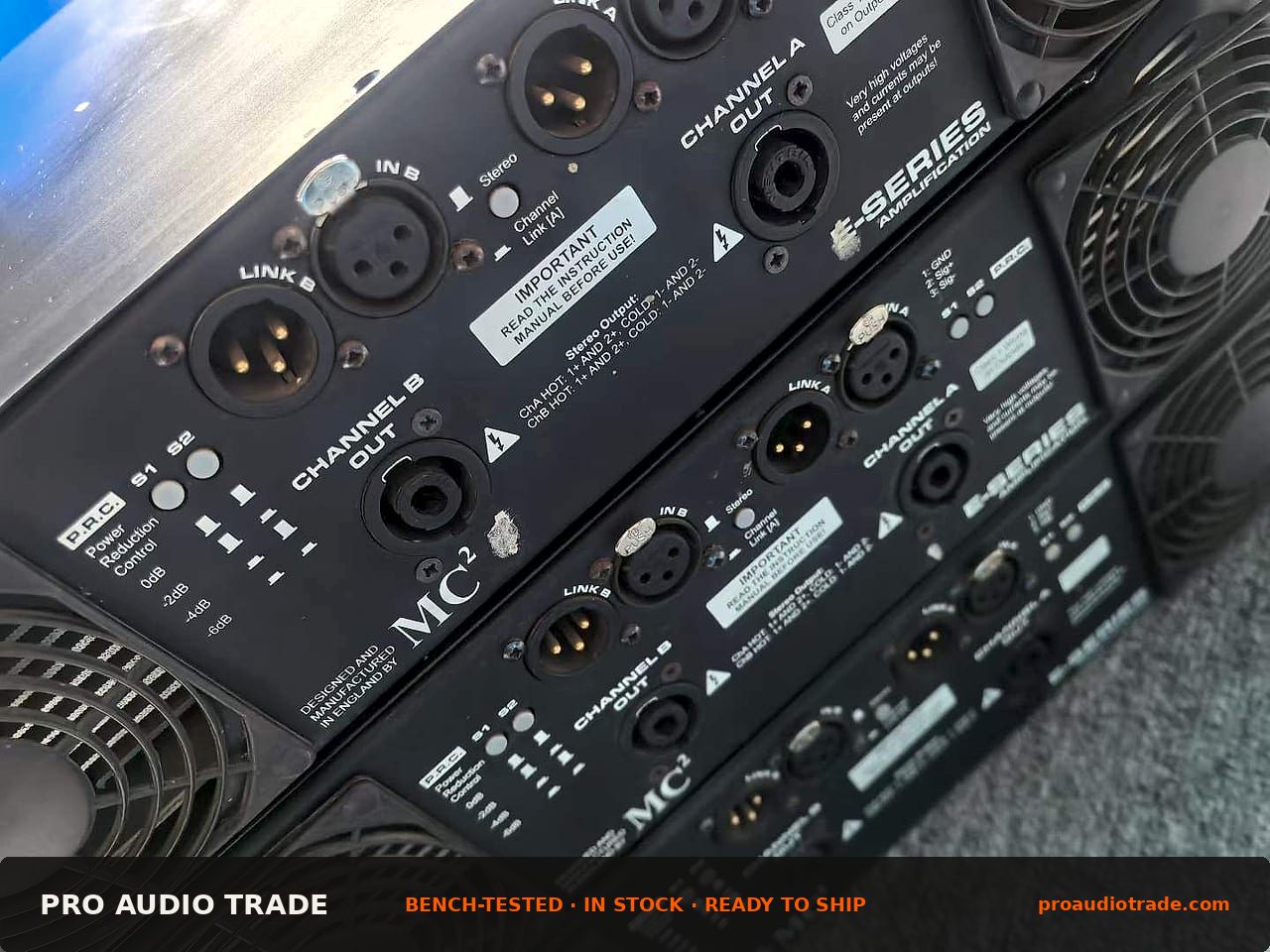
Before buying, inspect for fan noise, distorted output at high levels, damaged binding posts, and signs of overheating (discolored PCB, swollen capacitors). Ask for service history and test reports; run a sine sweep and check DC offset on each channel. Verify that DSP modules and network cards are functional and that firmware is updatable. For international buyers, confirm voltage compatibility (120V vs 230V) and that the seller provides original packaging or crating for safe shipping. Always factor in shipping and potential recapping costs for older analog units.
Next step: shortlist 2–3 models that match your power and budget needs, then request detailed photos of internals, test results, and a short video of the amp running under load. Compare total landed cost—including shipping, duties, and any refurbishment—rather than sticker price alone. If you are buying multiple units, negotiate a bundle discount and ask for a spare parts kit (fuses, fans, knobs). With careful vetting, used touring amps can deliver 40–60% savings over new while maintaining road-worthy performance.