The practical answer for cross-border buyers: a used Lab.gruppen PLM 20K44 is worth importing only if the seller provides a 52-point bench test report, correct CE/UL documentation and a proforma that matches your country's tariff code — otherwise a Crown I-Tech 12000HD at $4,950 with 20 units in stock is the lower-risk shipment. The amplifier itself is rarely the problem; packing, freight class and customs paperwork decide whether the deal lands on budget.
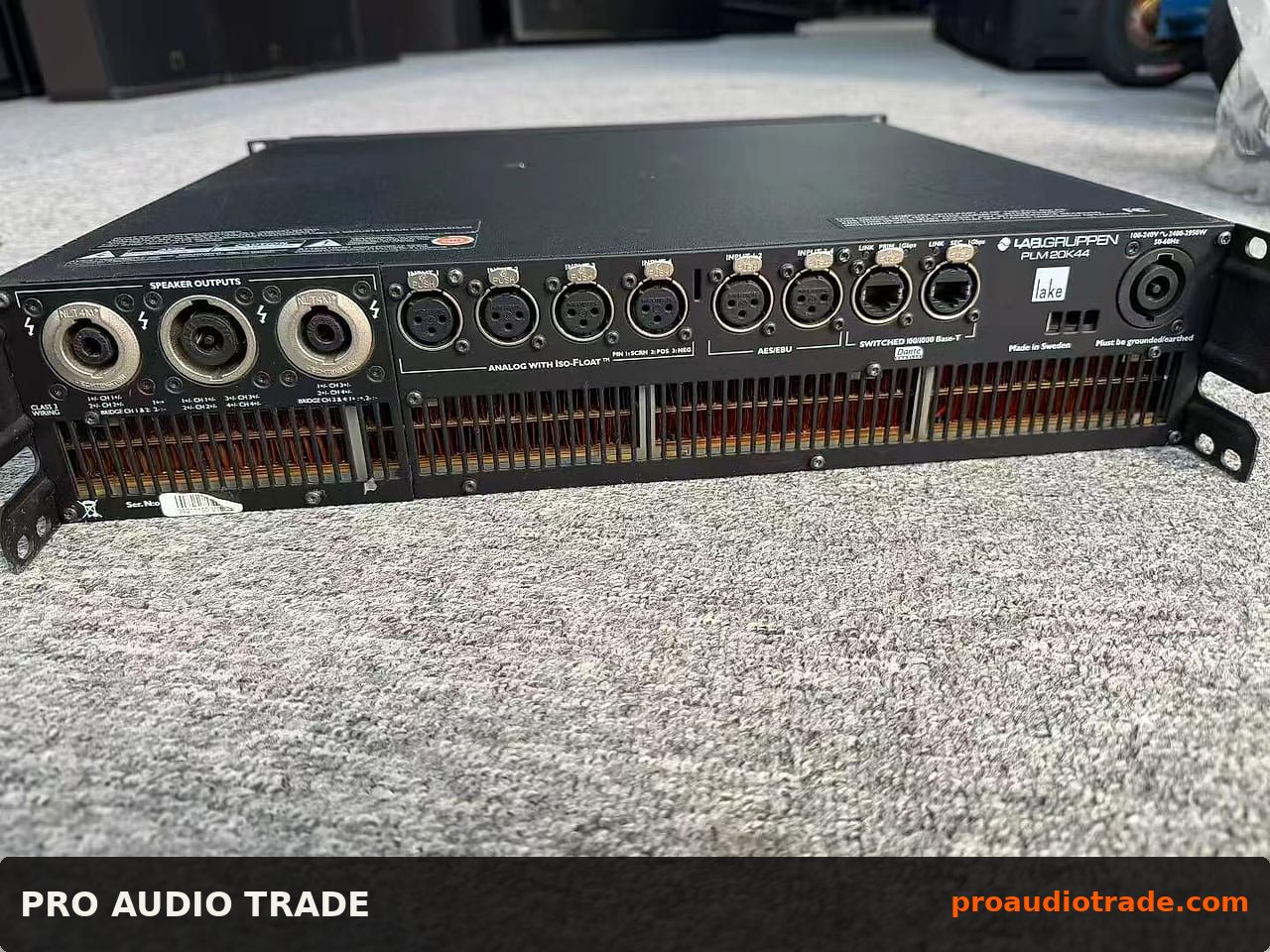
Start with the physical shipment, because a 20K44-class touring amp is heavy and fragile at the rear panel. Ask the seller to ship in a double-wall carton with foam cradles or, better, a used rack case, and to photograph the speakON, XLR and RJ45 connectors before closing the box. For LCL sea freight to CIS, Middle East, South America or Africa, declare the actual gross weight and dimensions — carriers reclassify misdeclared freight and the surcharge usually exceeds the amplifier's shipping cost. Air freight makes sense only for single units like the one Grade A Lab.gruppen PLM 20K44 in stock, where speed beats the per-kilo rate.
Customs classification is the next checkpoint. Powered network amplifiers usually clear under a tariff line for audio amplifiers, but duty rates vary widely by destination — typically 5–20% in CIS and Middle East markets, higher in parts of South America and Africa — and the EU applies its own rate plus VAT. Get the HS code confirmed by your broker before you pay, not after the container arrives. A commercial invoice must show brand, model, serial number, grade, year and unit price; "used audio equipment" as a description is a recipe for inspection and storage fees.
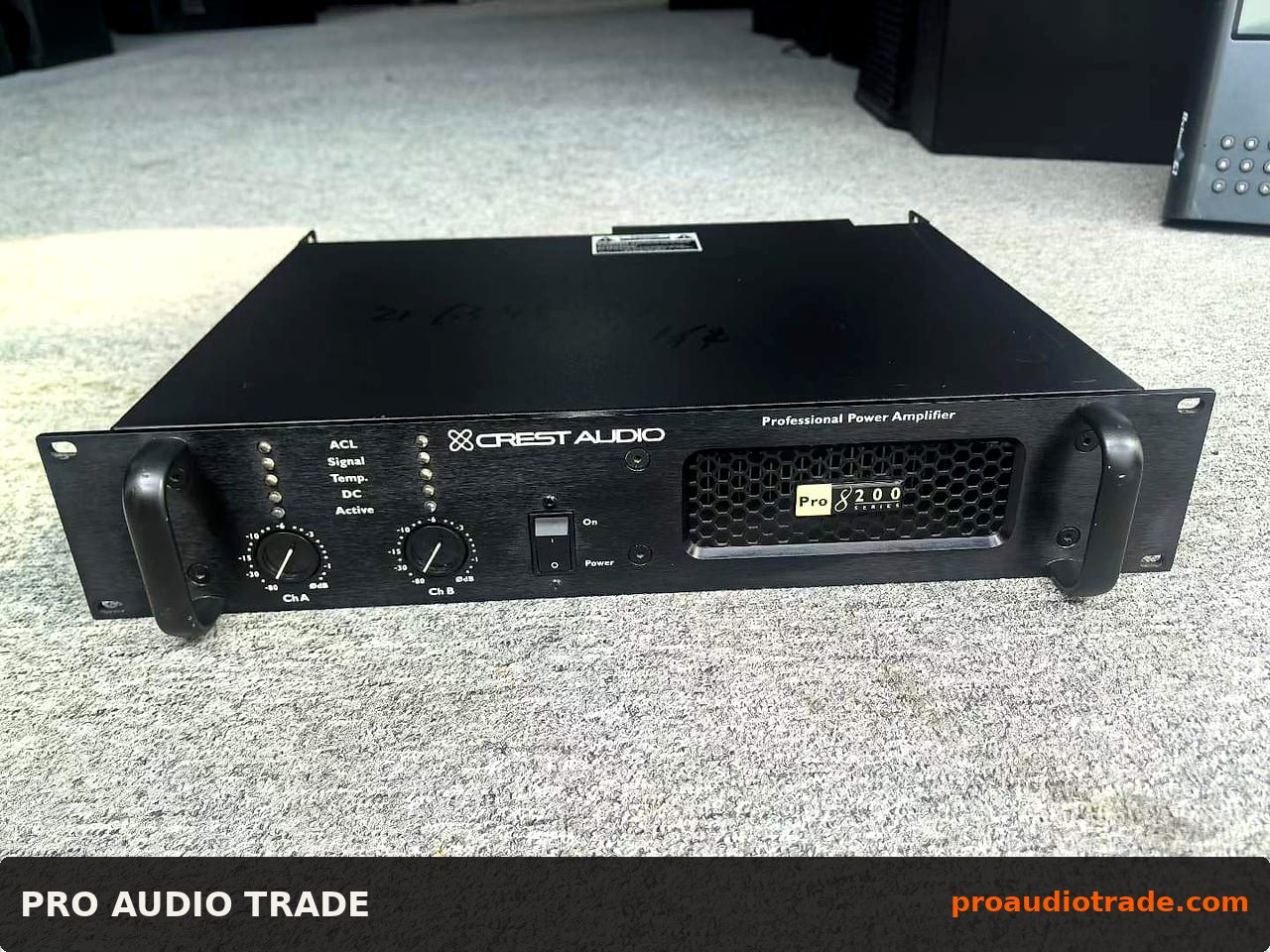
Documentation for used gear needs more than a packing list. Buyers in these regions regularly ask on LinkedIn and Reddit: "What paperwork do I need to import a used amplifier?" The workable set is a proforma invoice, commercial invoice, packing list, certificate of origin where required, and a test report. Every unit we list passes a 52-point bench test, and that report is your proof of condition at export — customs and your own service team will both ask for it. For the Lab.gruppen PLM 20K44, note the year 2026 and Grade A status on the invoice; for a Crown Macro-Tech 5000i at $1,650, Grade B with serviced output stages, state the service history explicitly so the declared value is defensible.
Voltage and certification decide whether the amp is usable on arrival. Confirm 110/220V mains configuration, plug type and CE/UL marking before shipping; a 220V unit sent to a 110V market needs a transformer, and a unit without CE marking can be held at EU border inspection. This is where the comparison paragraph matters: a new PLM 20K44 typically lists at several times the used price, while our Grade A used unit ships with a 90-day warranty and a bench test report; a Grade B Crown Macro-Tech 5000i at $1,650 saves roughly two-thirds versus new but may need service soon; a Grade C unit is cheapest upfront yet usually adds service cost and customs risk if the invoice undervalues it. Across 12,400+ units sold to 60+ countries, the pattern is consistent — Grade A with full paperwork clears fastest.
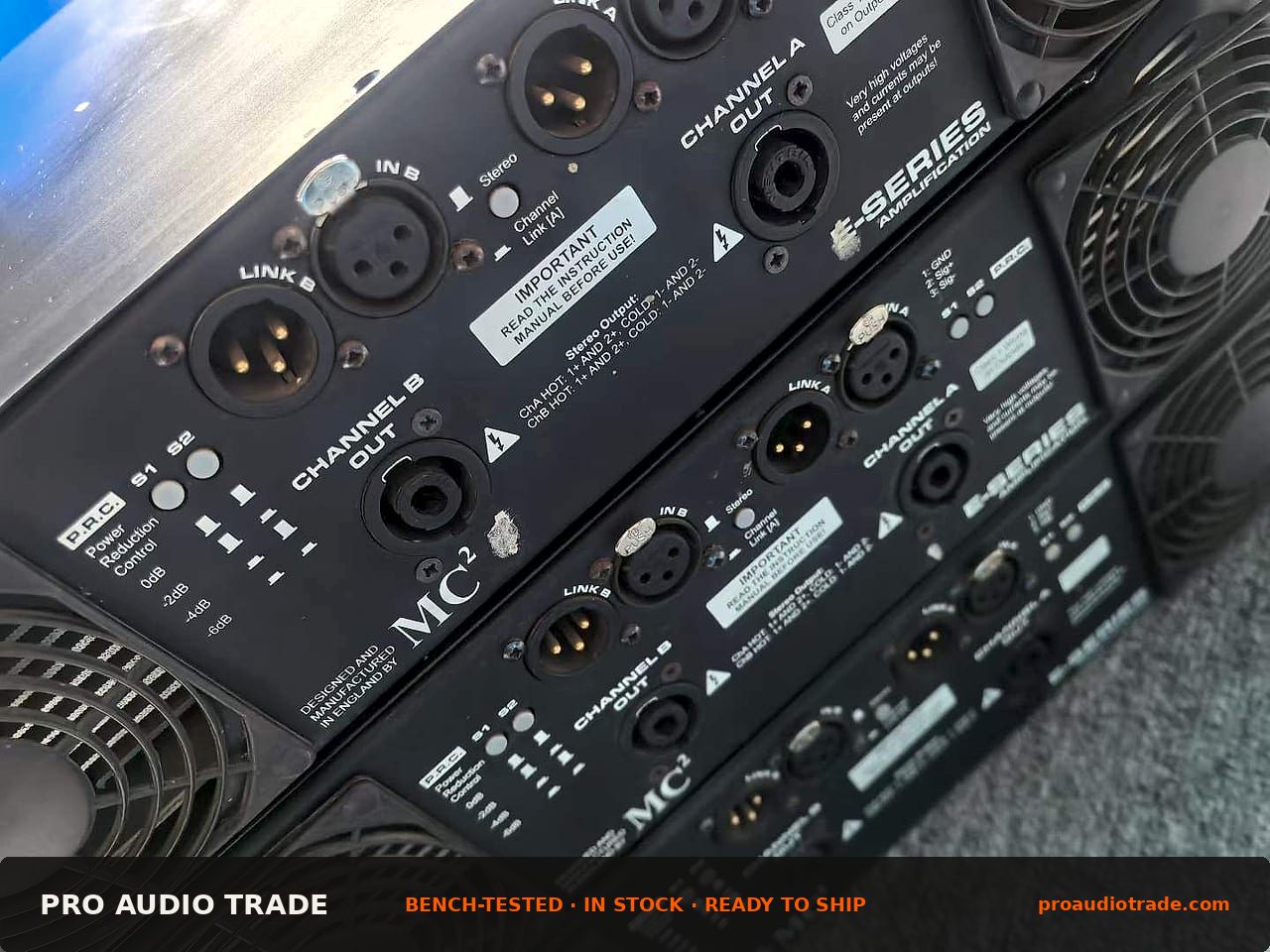
Alternatives change the freight math, not just the sound. The Crown I-Tech 12000HD delivers 2 x 4,500 W at 4 ohm with OmniDrive HD DSP and HiQnet networking, and with 20 units in stock at $4,950 and MOQ 2 it suits rental firms building a standardized fleet — one customs entry, one spare-parts pool. The MC2 Audio T45 is a single Grade A unit with heavy cosmetic wear, so expect a higher per-unit freight share and a detailed condition clause in the contract. If you are comparing Lab.gruppen PLM 20K44 vs alternatives for a multi-country rollout, weigh the landed cost per channel, not the sticker price: duty, freight and broker fees can add 15–30% on small shipments.
Closing takeaway: lock the HS code and duty rate with your broker first, insist on the 52-point test report and serial-numbered invoice, and choose Grade A stock when the shipment crosses more than one border. The 90-day warranty and returns on tested failures only protect you if the export paperwork is clean — so treat documentation as part of the product, not an afterthought.