The used pro audio market has changed shape in the last two years, and the amplifier you bench-test before purchase is no longer the same asset it was in 2019. Digital consoles have pushed rental demand toward compact, networked rigs; line arrays are being refreshed on shorter cycles; wireless spectrum reallocations keep forcing inventory turnover. All of that changes what a used amplifier is worth, how it was treated in service, and what you should actually test on the bench. A used amplifier bench test before purchase is still the single best filter you have, but the checklist itself needs updating for the current market.
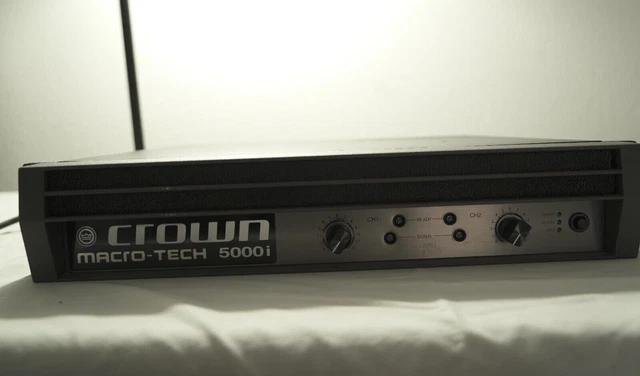
Start with the trend that moves the most inventory: rental firms are retiring analog-heavy amp racks as they consolidate onto DSP-integrated platforms. That means the used market is now full of high-power analog workhorses with unknown service histories. A Crown Macro-Tech 5000i is a classic example — tough, repairable, and often sold after years in a touring rack. On the bench, don't just check that it powers up. Load it with a dummy load, run it at 1 kHz and then at 100 Hz for at least 30 minutes, and watch for thermal drift, fan cycling, and DC offset at the outputs. Ask for the service log. If the seller can't tell you how many hours the amp ran or whether the output devices were ever replaced, price that risk in.
Digital signal processing inside amplifiers has changed the failure profile, and buyers are asking the right question: how do I check a used DSP amplifier before buying? The answer is firmware and board-level inspection, not just audio. Lab.gruppen PLM 20K44 units are popular on the secondary market because they combine power and processing, but a failed DSP board can cost a third of the unit's used price to replace. Before you buy, ask the seller to show the firmware version, confirm the network ports and Dante card (if fitted) enumerate, and run a full self-test if the platform supports it. If the seller can't demonstrate that, treat it as a parts unit.
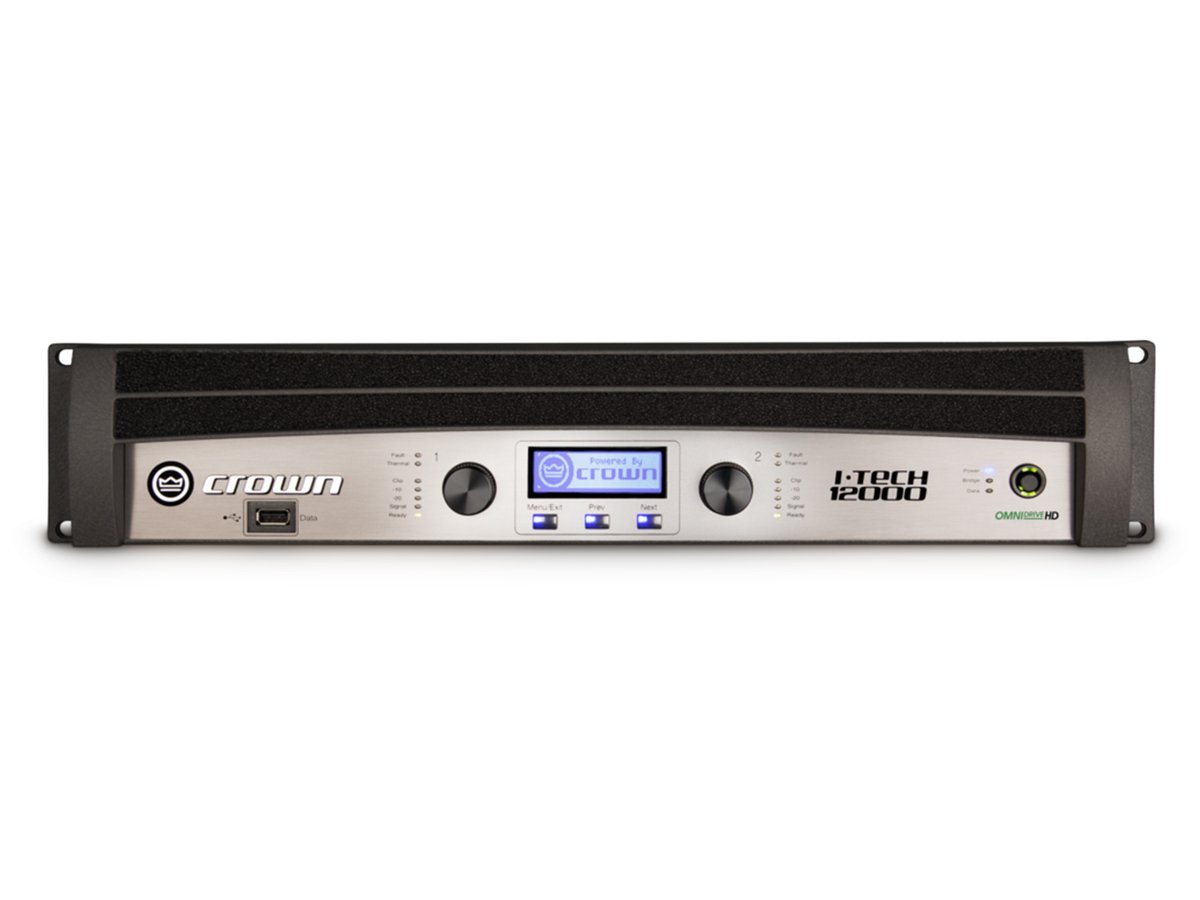
Parts and service reality is the second big shift. Manufacturers have shortened support windows on older analog lines, and some spare boards are now unobtainable outside donor units. That changes the math on cheap lots. A Crown I-Tech 12000HD might look like a bargain at 40–50% of new price, but if the input board is failing and the part is discontinued, you're buying a doorstop. Check parts availability before you commit: search the model number plus "output board" or "replacement module" and see what actually ships. For older analog amps like the Crown Micro-Tech 9000, the good news is that many are still serviceable with generic components, which keeps them attractive for install and monitor duty where DSP isn't needed.
Industry context matters as much as the bench. Rental demand in CIS, Middle East, South America, and Africa is uneven — some markets are buying line arrays and digital consoles, others are still running analog racks for corporate and worship work. That split is why used amplifier prices vary so much by region. A used amp that sells for €900 in Western Europe may fetch €1,300 in a market with limited local supply and high import friction. Factor in shipping and duty before you compare listings: sea freight on a 20 kg amp can run €80–150, and import duty in some African and South American markets adds 15–35% on top. A cheap listing from another continent is rarely cheap landed.
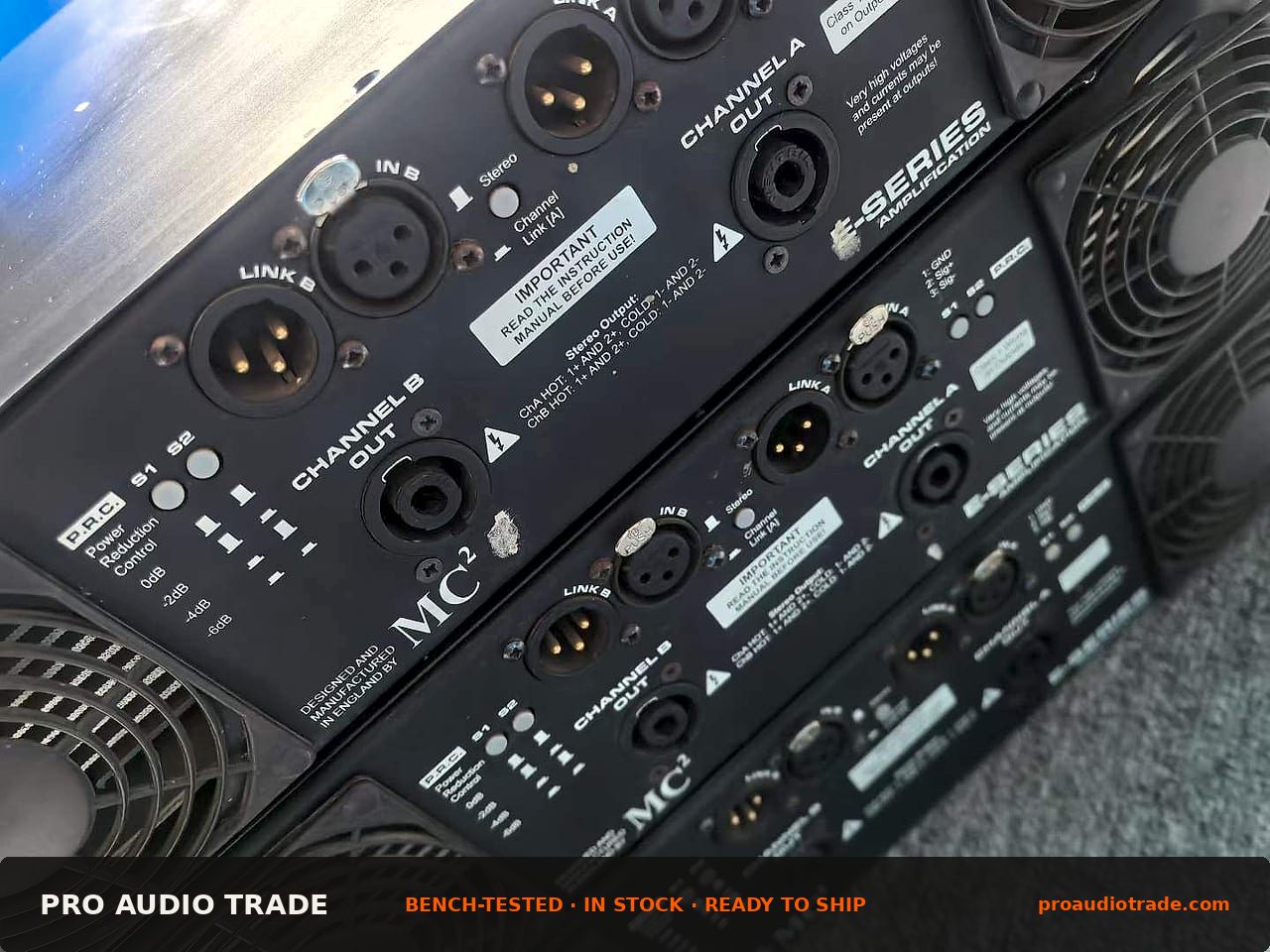
Policy and voltage are the quiet deal-breakers. CE and UL markings matter for resale and for insurance, and mains voltage differences (230V vs 120V, plus 50/60 Hz) can mean a transformer swap or an external step-down that eats your margin. Ask for a photo of the rear panel rating plate, not just the front. If the amp is configured for 120V and your market is 230V, confirm whether the model supports dual voltage or needs a factory-specified transformer. On cross-border deals, check whether the seller can provide a commercial invoice and HS code — without those, customs clearance in many target regions becomes a gamble.
One more trend worth pricing in: line array refreshes are pushing used amp inventory onto the market in waves. When a rental house upgrades a VTX or similar rig, the amps often go as a lot, and lot pricing is where the real deals are — but also where the hidden failures hide. If you're buying a lot, bench-test at least one unit per batch fully and spot-check the rest for DC offset and fan noise. Ask the seller for a video of each unit powering on under load; it's a cheap filter before you pay for freight.
The practical takeaway: the used amplifier market is rewarding buyers who test deeper and price risk honestly. Build a bench routine that covers thermal load, DC offset, DSP self-test, parts availability, and voltage configuration, and apply it before you commit. The gear is still good — the market just asks more of the buyer.