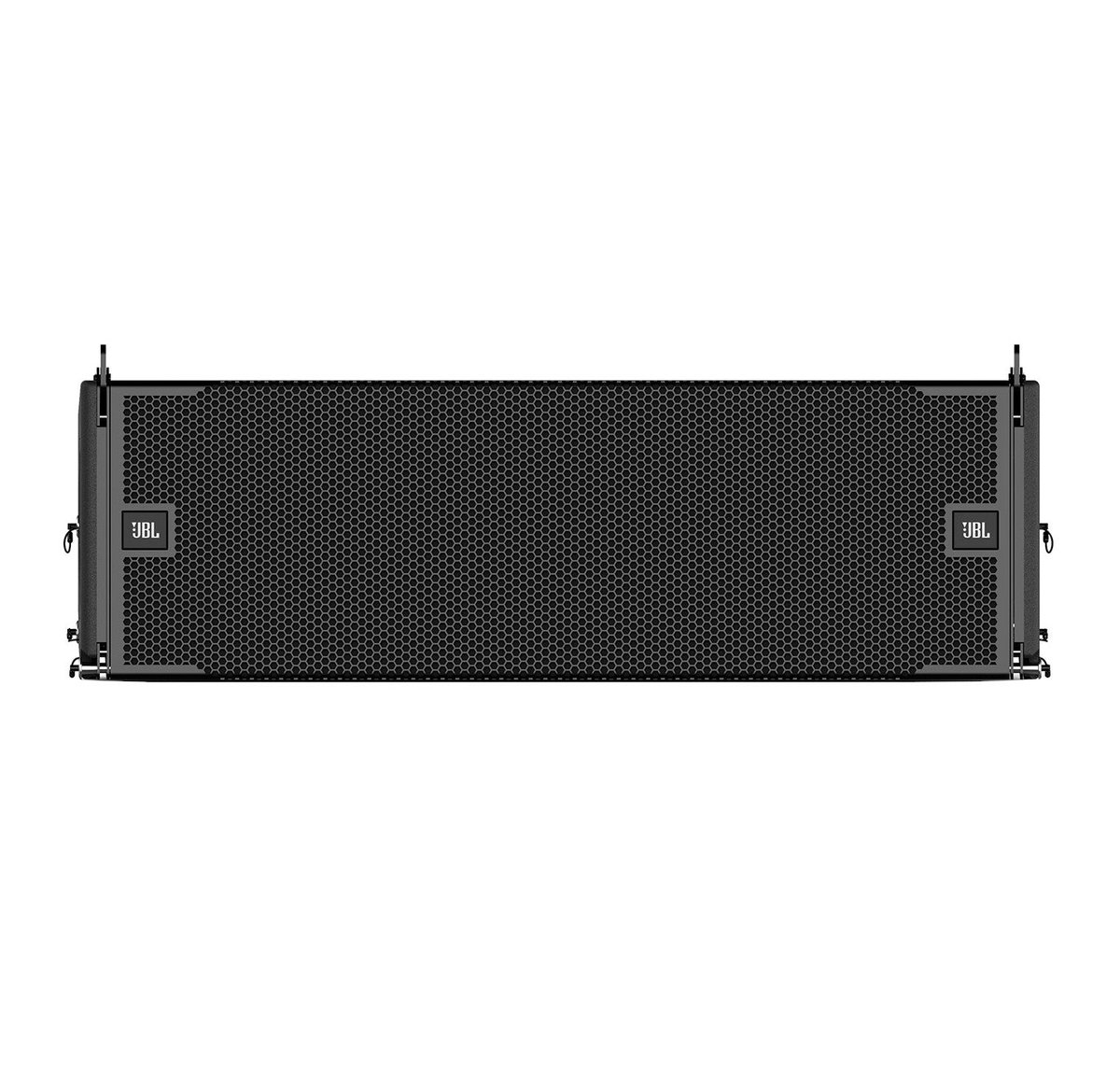
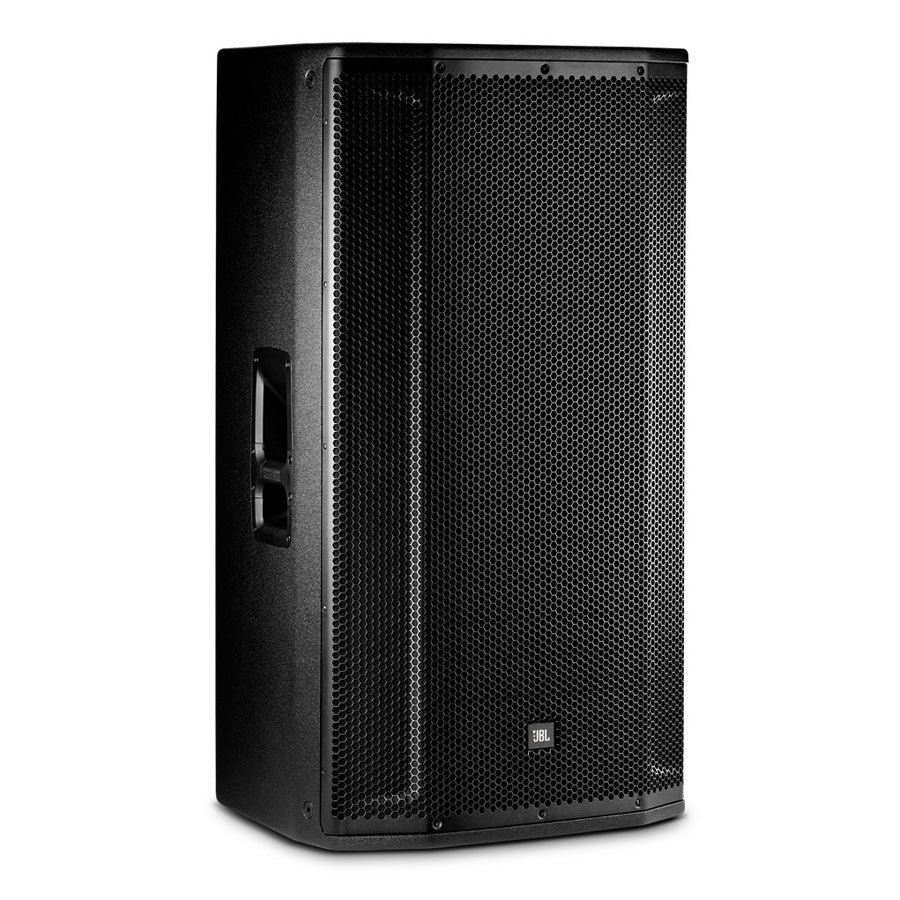
For audio engineers, rental companies, and system integrators across the CIS, Middle East, South America, and Africa, used line array speakers offer a fast route to expanding inventory or fulfilling a project without the lead times and cost of new gear. The line array format—with its controlled vertical dispersion and scalable rigging—is now standard for touring, festivals, houses of worship, and large installs. Buying pre-owned lets you access proven models from brands like L-Acoustics, d&b audiotechnik, Meyer Sound, JBL, Electro-Voice, and RCF at a fraction of the new price, but only if you know what to check and how to compare offers. This guide walks you through the key specs, inspection points, and negotiation steps so you can purchase with confidence.
Start by matching the array to your actual use case and rigging infrastructure. A common mistake is buying a larger box than needed or a model that requires proprietary amplification you don’t already own. Compare these fixed criteria in order: (1) dispersion and SPL—look for vertical coverage around 10–14 degrees per box and continuous SPL that meets your venue size; (2) rigging and weight—check flying hardware compatibility, max array length, and per-box weight against your truss and motors; (3) amplification and processing—confirm whether the boxes are self-powered or need a specific DSP/amp platform (e.g., L-Acoustics LA series, d&b D series); (4) driver condition and replacement cost—original components hold value, while re-coned or third-party drivers lower resale and performance; (5) quantity and consistency—line arrays perform best in matched sets, so prefer lots from the same production run with sequential serial numbers. Use this ranking to shortlist 2–3 models before you contact sellers.
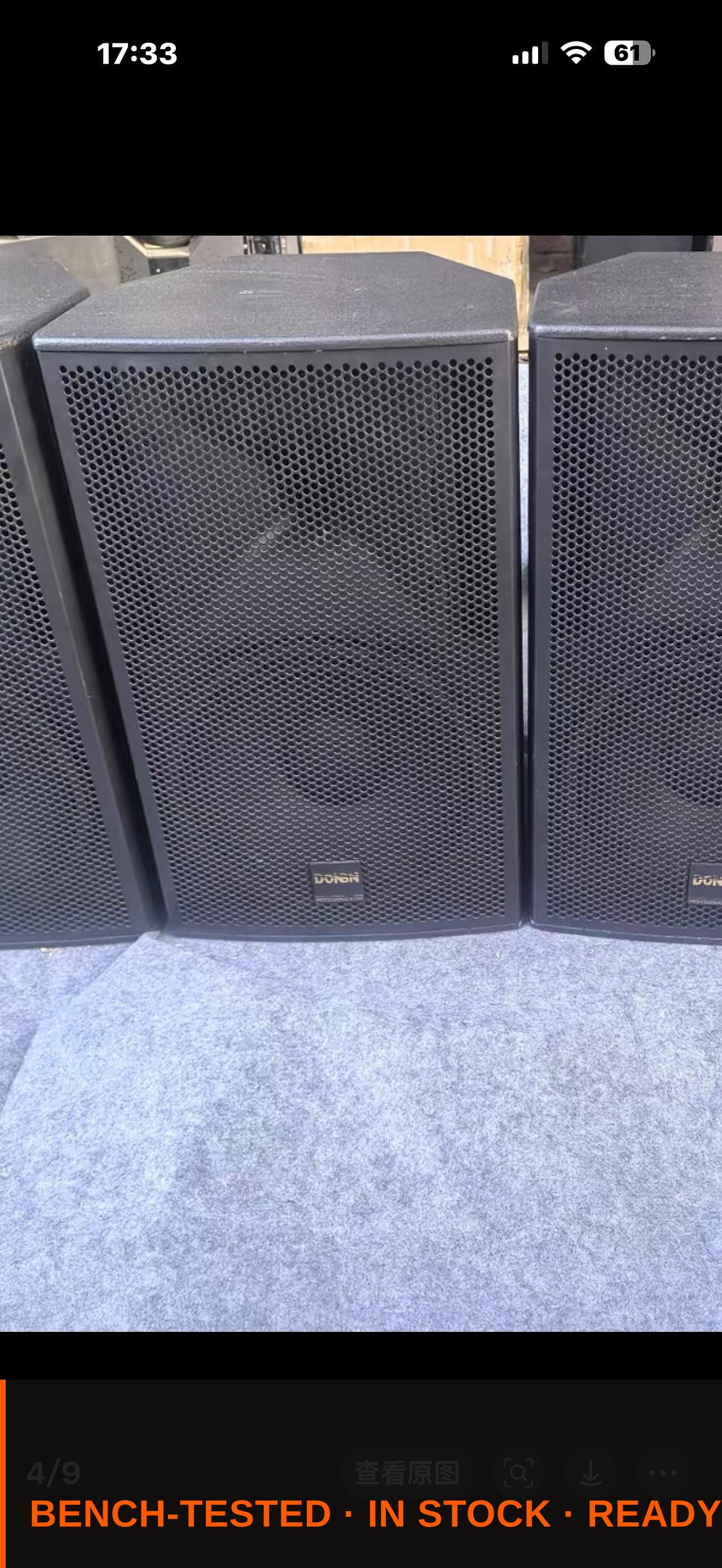
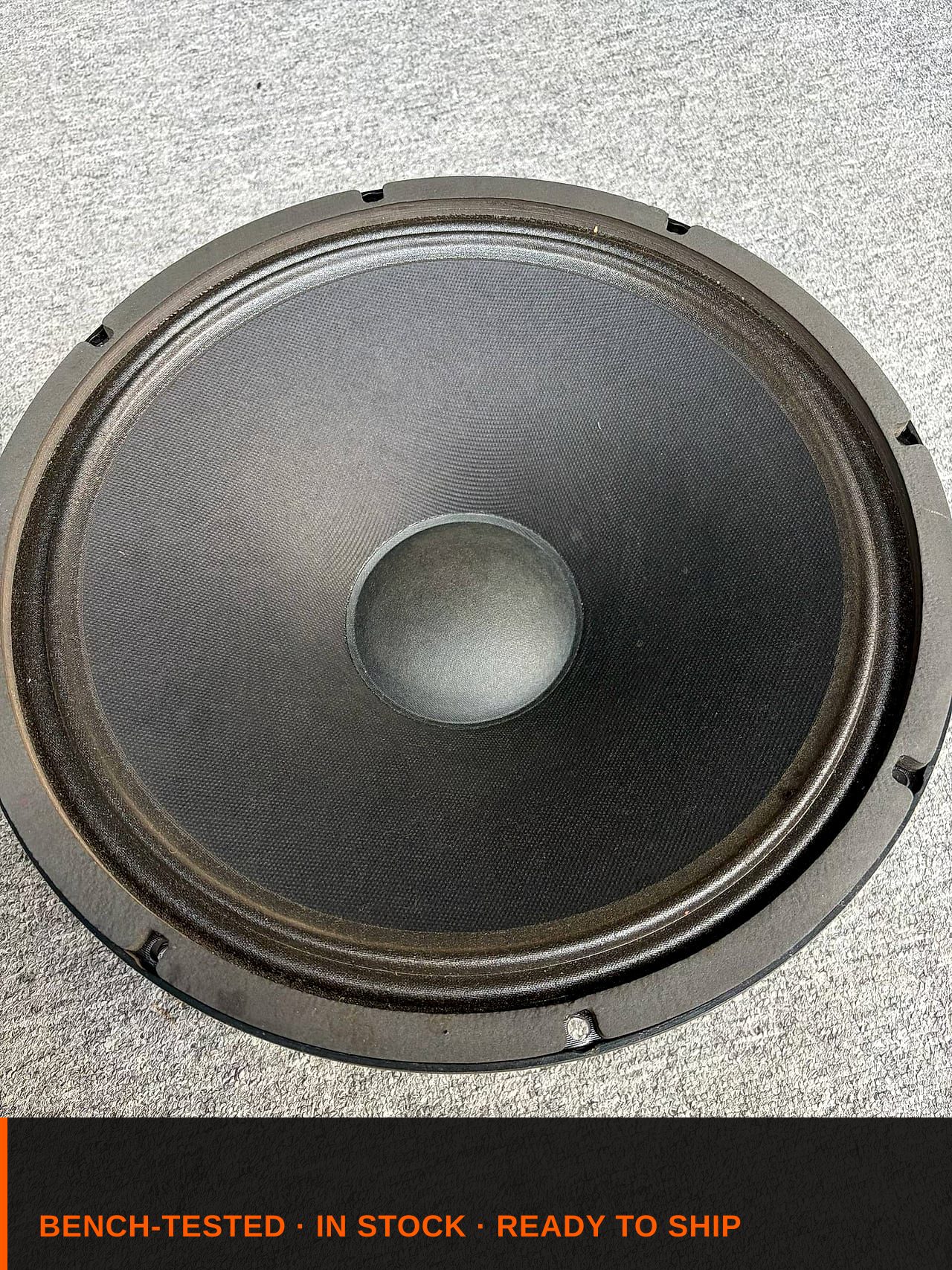
When you inspect used line array speakers, demand photos and video of every box, not just the front grille. Check the cabinet for cracks, water damage, and repaired flyware; inspect the rigging pins, links, and safety points for wear or bending. Ask for impedance and frequency response sweeps for each box, and verify that all drivers are original or professionally re-coned with documented parts. Test the amplification and DSP presets if included, and confirm firmware versions are current and supported. For self-powered boxes, check the amplifier modules for overheating signs, fan noise, and error logs. Also verify serial numbers against the manufacturer’s records where possible, and ask for service history. If the seller cannot provide test data, factor in the cost of a full service by a qualified technician before you commit.
Once you have shortlisted offers, negotiate on total landed cost—not just unit price. Include crates, rigging accessories, cables, amp racks, and shipping to your country, plus import duties and VAT where applicable. Request a written condition report and a short warranty (even 30–90 days) from reputable dealers. For cross-border purchases in the CIS, Middle East, South America, or Africa, confirm voltage compatibility (100–240 V or regional 220–230 V), plug types, and whether the seller can provide export documentation. Pay via escrow or letter of credit for larger lots, and arrange third-party inspection if you cannot travel. Finally, budget for spares—diaphragms, drivers, and rigging pins—so your array stays rental-ready. With careful spec matching and a disciplined inspection, used line arrays can deliver professional results at a fraction of new cost.