When you're sourcing a used Aiqin Audio 300B or comparing it against a Crown I-Tech 12000HD, the deal rarely falls apart over specs—it falls apart over freight, duties and paperwork. A 300B tube amp is a fragile, heavy box that needs crating, while a 12kW class-D touring amp is dense and attracts customs scrutiny. The real comparison isn't just watts per channel; it's landed cost and risk across CIS, Middle East, South America and Africa. Get the logistics wrong and a bargain amp becomes a paperweight in a bonded warehouse.
Start with packing and freight because used gear travels worse than new. A used Aiqin Audio 300B should ship in a double-wall crate with the tubes removed and boxed separately, transformers braced, and shock indicators on the outside. Expect 40–60 kg volumetric weight for a single amp once crated; air freight from Shenzhen to Dubai runs roughly $6–9/kg, so $300–500 just to move one unit. For heavier alternatives like a Crown Macro-Tech 5000i, sea LCL is cheaper per kilo but adds 30–45 days and port handling risk. Always insist on photos of the actual packing before dispatch—rental firms in the CIS have learned that 'original box' often means a soggy carton.
Customs classification is where buyers get surprised. Amplifiers usually land under HS 8518.40, but used goods trigger different valuation rules by country. In the GCC, expect 5% duty plus 5% VAT on CIF value; in Brazil, import duty can hit 60% plus ICMS, so a $1,200 used amp may cost $2,000 landed. Russia and Kazakhstan apply 10–15% duty and 20% VAT, and used professional audio often needs a utilization fee declaration. Ask the seller for a commercial invoice that states 'used professional audio amplifier, model, serial, year of manufacture'—vague invoices get flagged. If you're comparing a Crown I-Tech 12000HD against a cheaper alternative, run the landed-cost math first; the cheaper unit can lose on duty and freight.
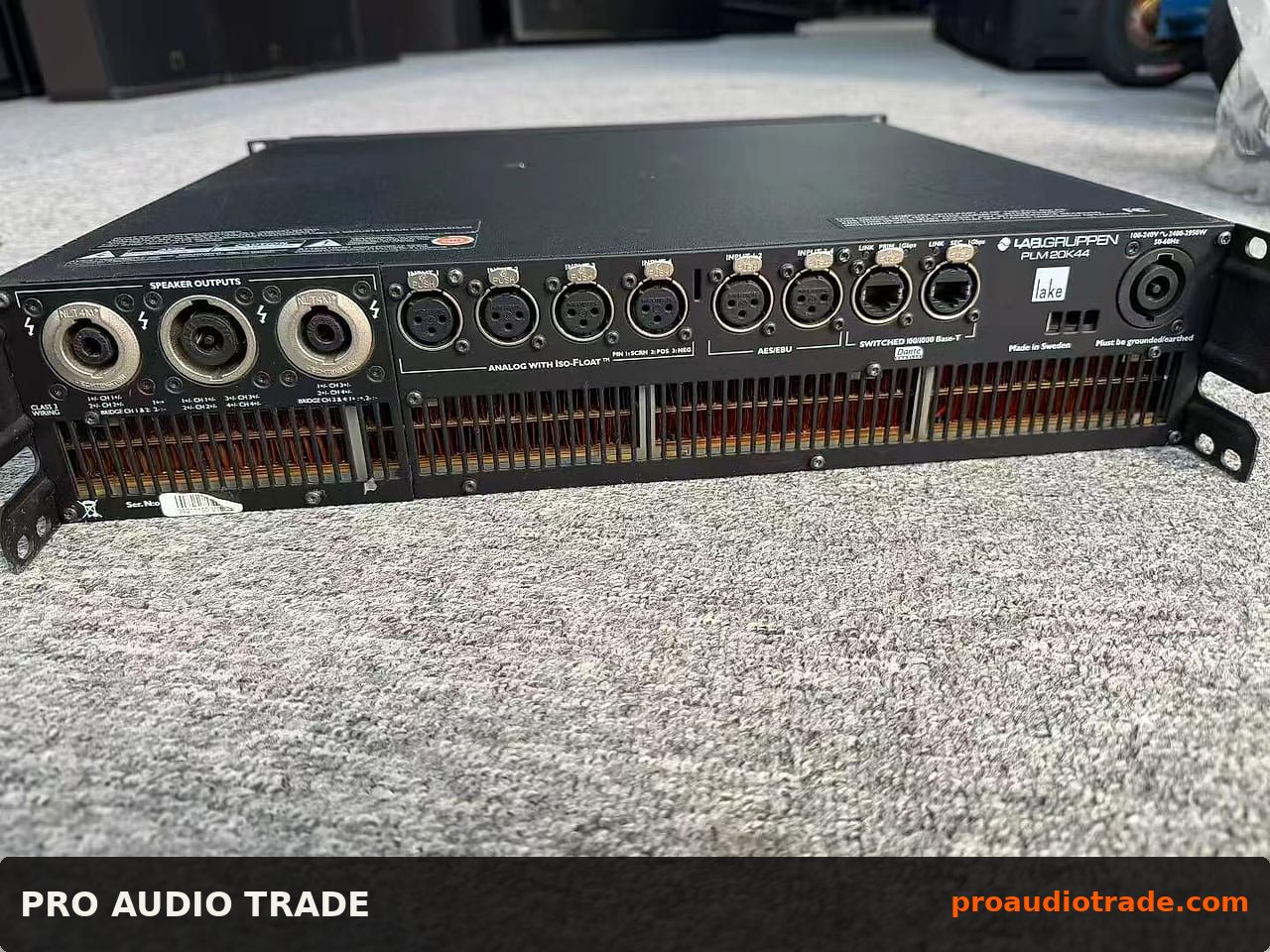
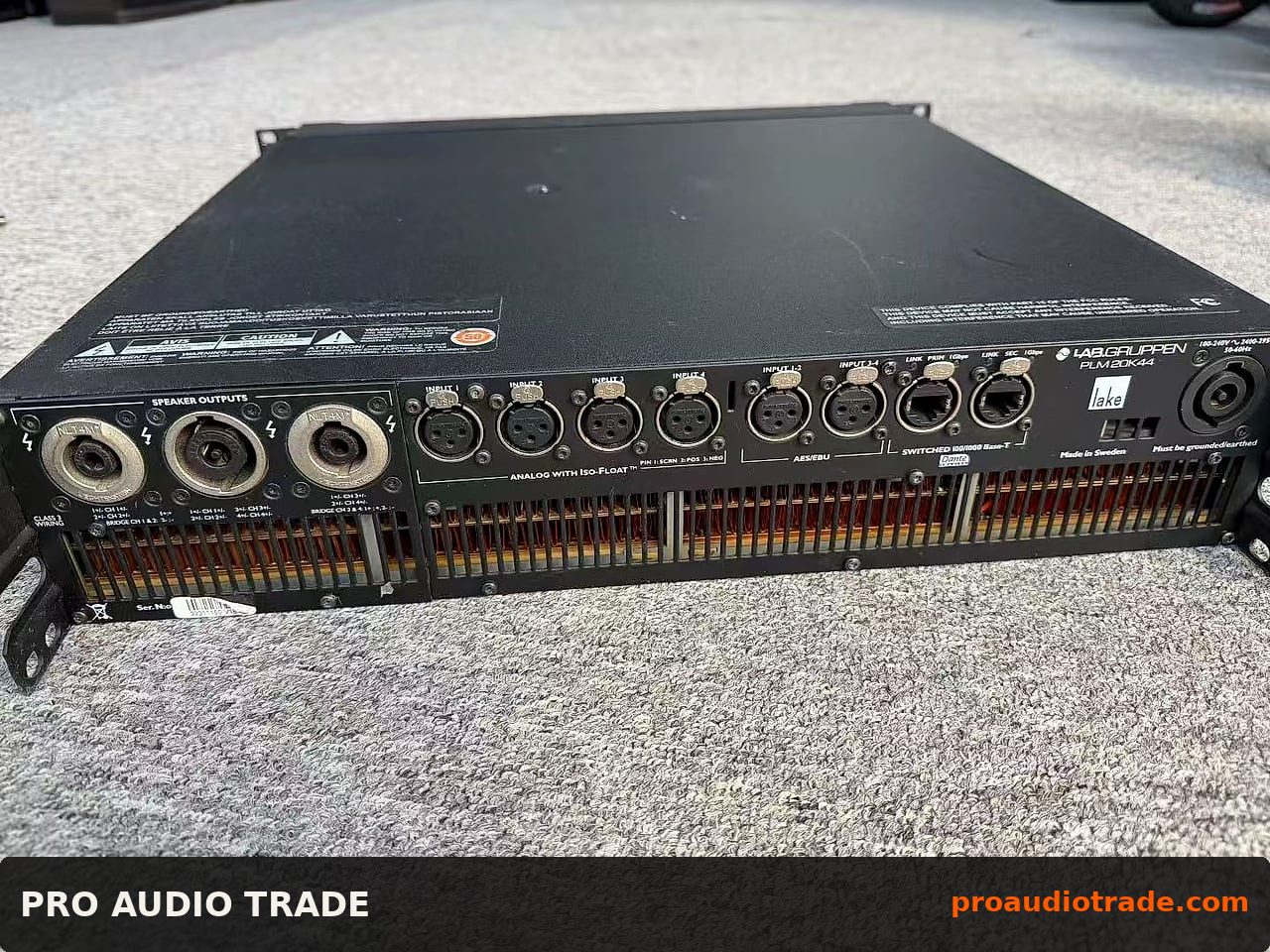
Documentation for used audio is stricter than for new. You'll need a commercial invoice, packing list, bill of lading or airway bill, certificate of origin, and often a test report or declaration of conformity. CE marking matters for EU transit and for integrators reselling into Europe; UL is asked for in the Middle East and some African tenders. Mains voltage is a real issue: a 300B built for 220–240V may need a step-down or rewiring for 110V markets, and that must be documented. For a Crown Micro-Tech 9000 or MC2 Audio T45, check the voltage label and ask for a photo of the rear panel—customs officers and buyers both care. Warranty paperwork is rare on used gear, so agree in writing on a DOA window (typically 7–14 days) and who pays return freight.
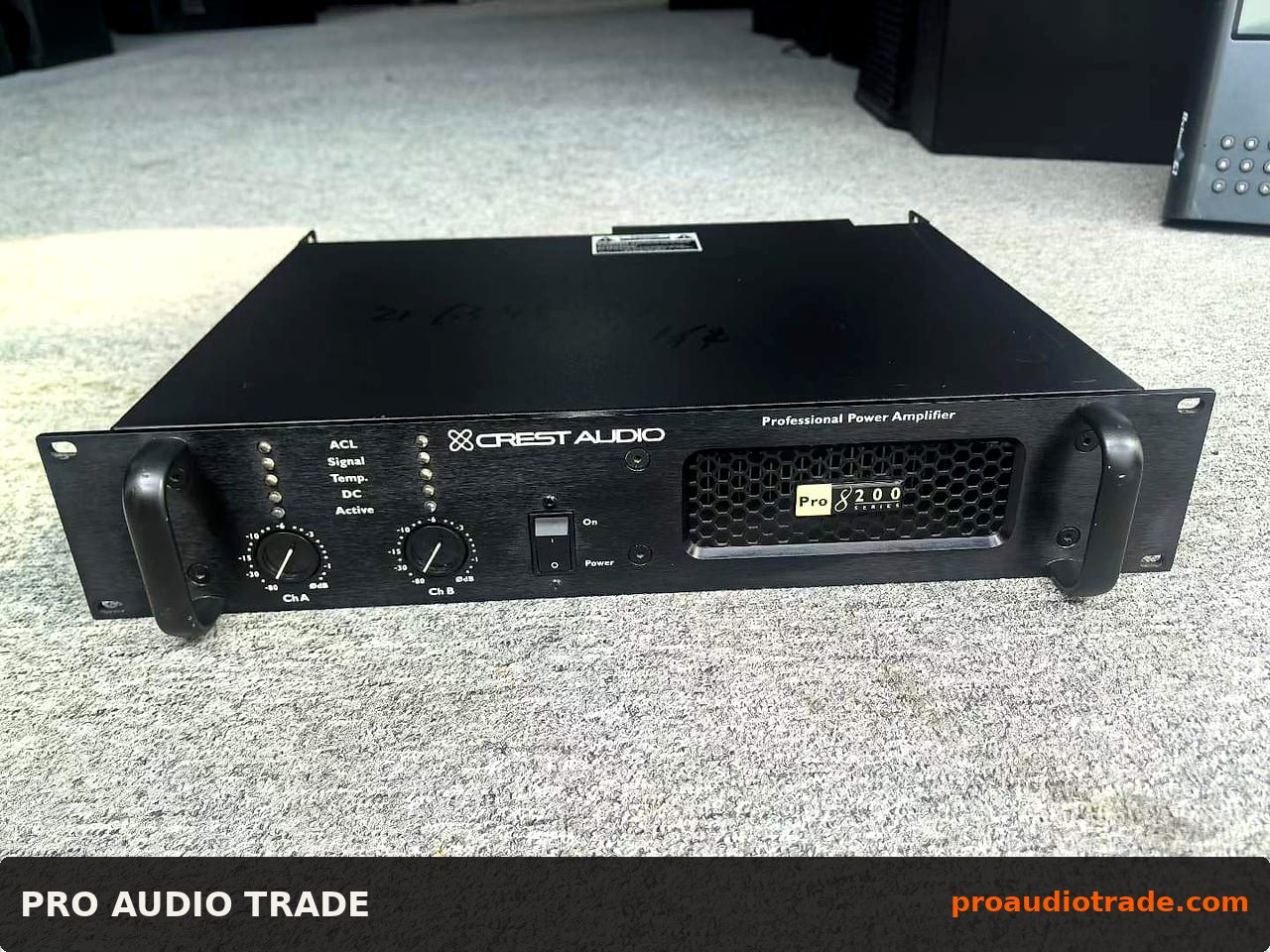
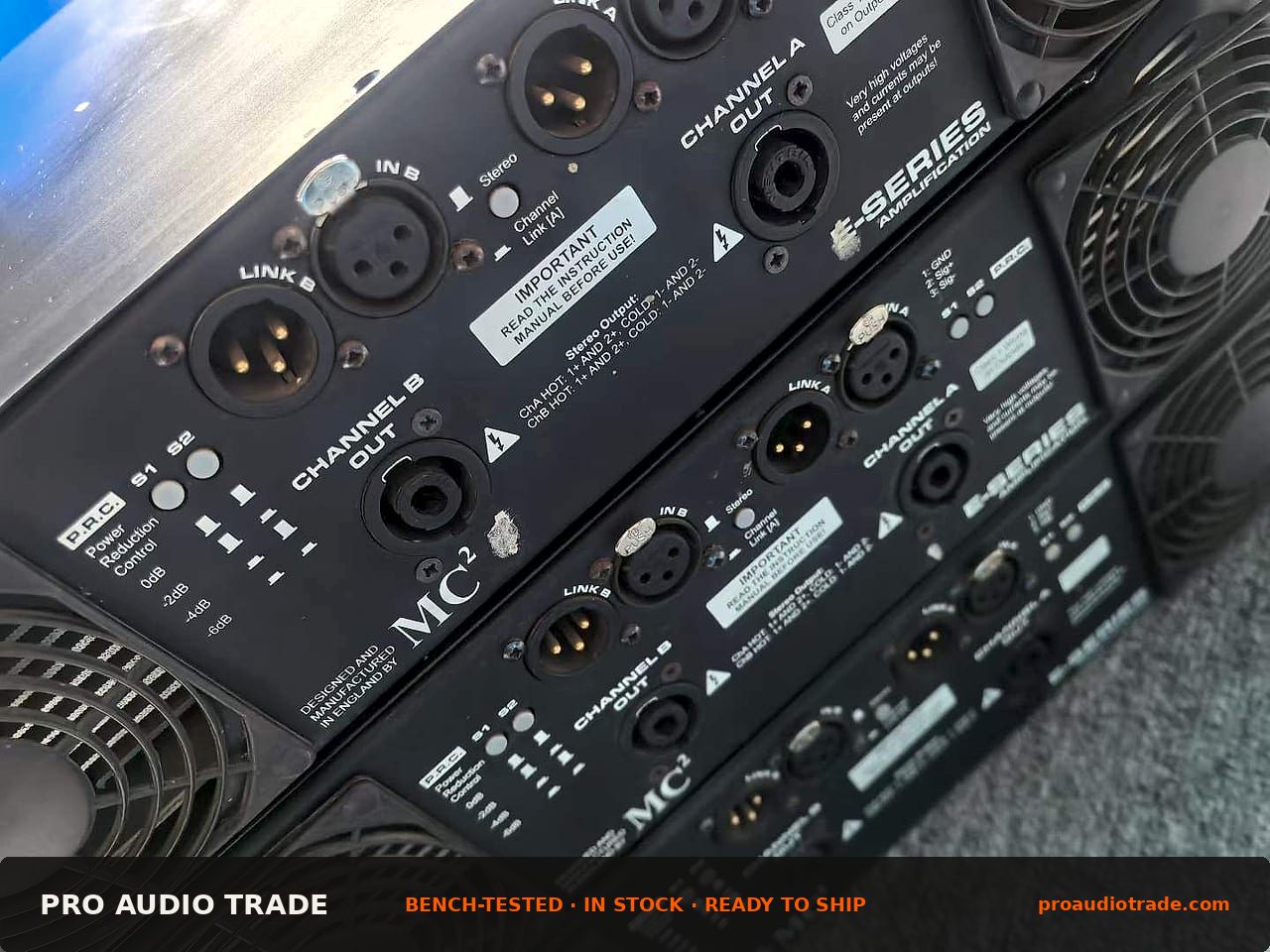
Buyer questions we see constantly: 'How do I check a used amplifier before buying?' and 'Is a used tube amp still worth it in 2026?' For the first, demand a bench test video showing idle noise, channel balance and thermal behavior, plus a photo of the serial and any service stickers. For the second, tube amps like the Aiqin Audio 300B hold value for studio and hi-fi buyers, but rental demand is stronger for high-power class-D and class-H alternatives. If your market is live rental, a Crown I-Tech 12000HD or MC2 Audio T45 may resell faster; if it's studio or audiophile, the 300B is the safer bet. Either way, factor in service reality: spare boards for older Crown models are still findable, but 300B tubes and output transformers are niche and shipping them separately adds cost.
Closing takeaway: treat shipping, duty and paperwork as part of the comparison, not an afterthought. Get a landed-cost quote before you commit, insist on proper crating and clear invoices, and confirm voltage and conformity documents. A used Aiqin Audio 300B can be a great buy—but only if it arrives intact and legally, with no surprise customs bill.