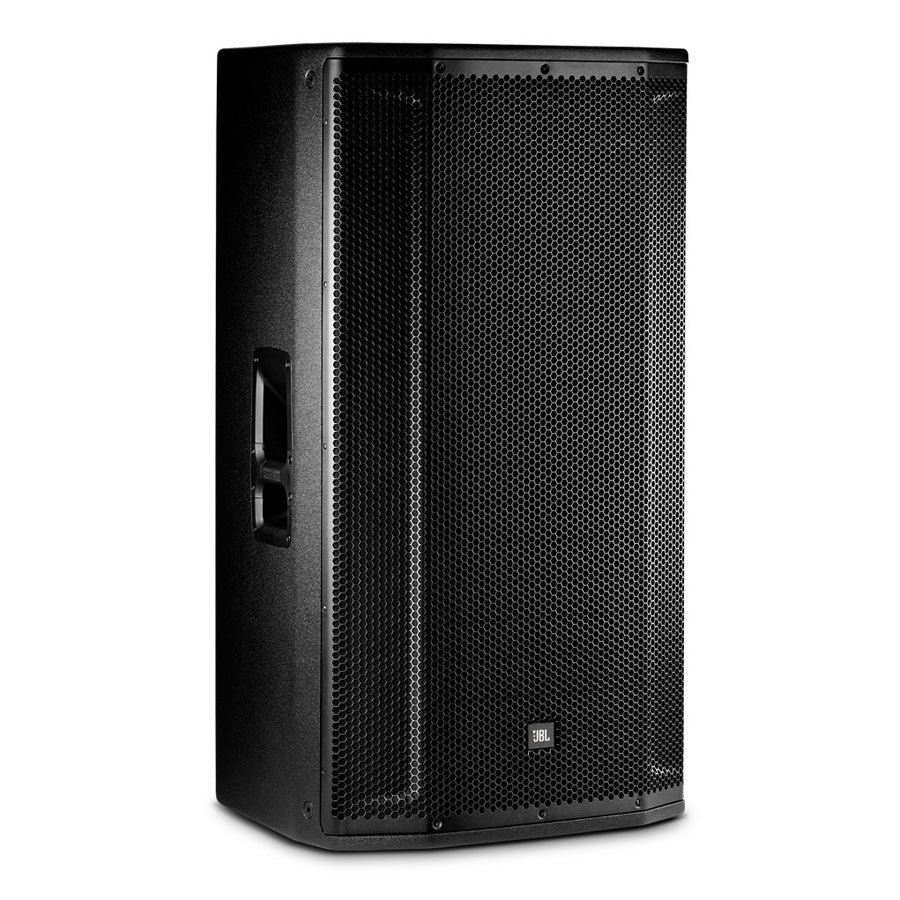
When you shop for used powered PA speakers for sale, the first question isn't "how loud?" but "will it survive the mains?" A 120 V JBL SRX835P that spent its life in a US rental house will not plug into a 230 V socket in Dubai without a step-down transformer, and a 230 V European unit may run hot on a 127 V supply in parts of South America. The amplifier is inside the box, so the mains voltage is not a detail — it is the product.
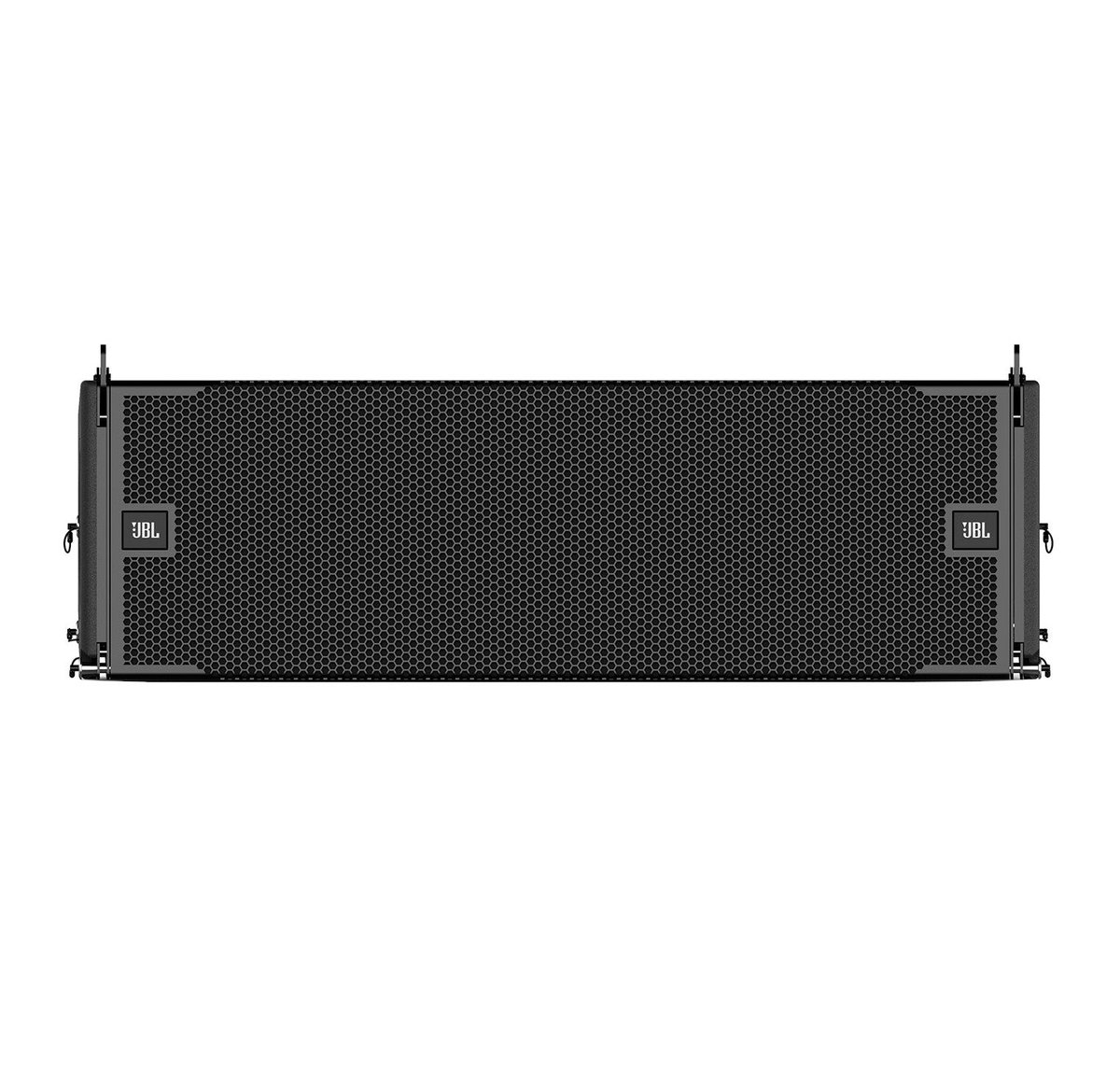
Start with the nameplate. Every powered speaker has a voltage rating printed near the IEC inlet, and it is usually fixed, not universal. Some models ship in 100–120 V and 220–240 V variants with different part numbers; a few accept 100–240 V, but that is the exception. Ask the seller for a photo of the label, not the spec sheet. A used JBL VTX A12 is a good example: the touring version is built for a specific mains range, and the amp module is not a field-swappable universal part. If the label says 230 V, it stays 230 V unless you change the module or add a transformer — and a transformer that can feed a 2 kW class-D amp is not cheap or light.
Connector standards are the second trap. A unit wired for Schuko will not fit a UK plug, a NEMA 5-15 will not fit a French socket, and a 32 A three-phase CEE plug on a big rig is a different animal entirely. For rental firms in the CIS, Middle East, South America and Africa, the practical answer is often to re-terminate the mains lead locally — but check whether the inlet is a standard IEC C20 or a proprietary locking connector. Also look at signal connectors: XLR is universal, but some installed-market boxes use Phoenix or barrier strips. If you are buying a Bose Panaray LT 9400 for an integrator job, confirm the input panel matches the destination rack before you ship.
Compliance is where deals quietly die. CE marking matters for EU and many CIS markets; UL or ETL listing matters for the US and often for Gulf projects that follow US spec. A used speaker without the right mark can be refused at customs or rejected by the client's safety officer. Ask for the original declaration of conformity if it exists, and photograph the label. For a 230 V unit going into a 127 V region, a step-up transformer is the workaround, but it adds cost and a failure point. Budget roughly 8–15% of the speaker's price for a decent transformer, and remember that duty rates vary widely — 5% to 20% plus VAT is common across these regions, so a cheap used box can lose its advantage fast.
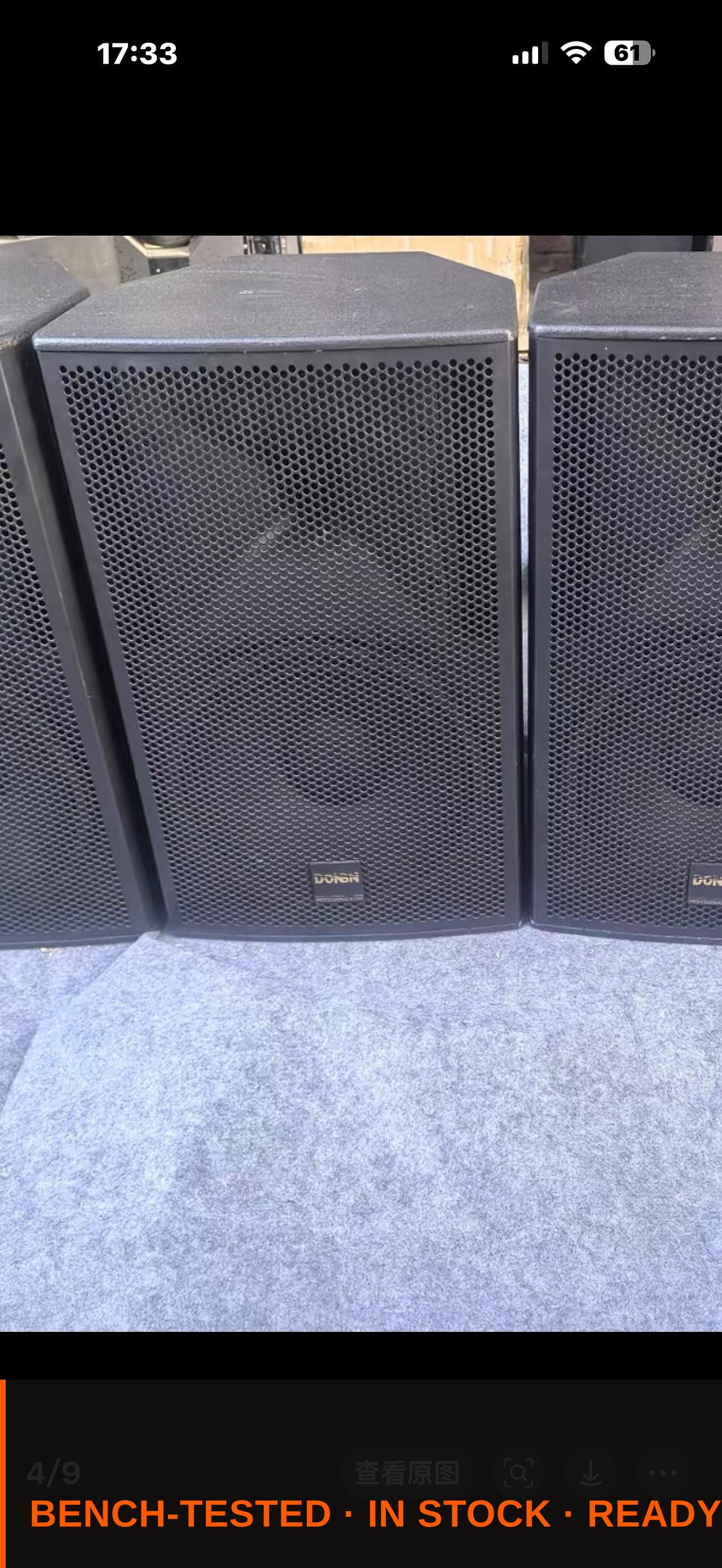
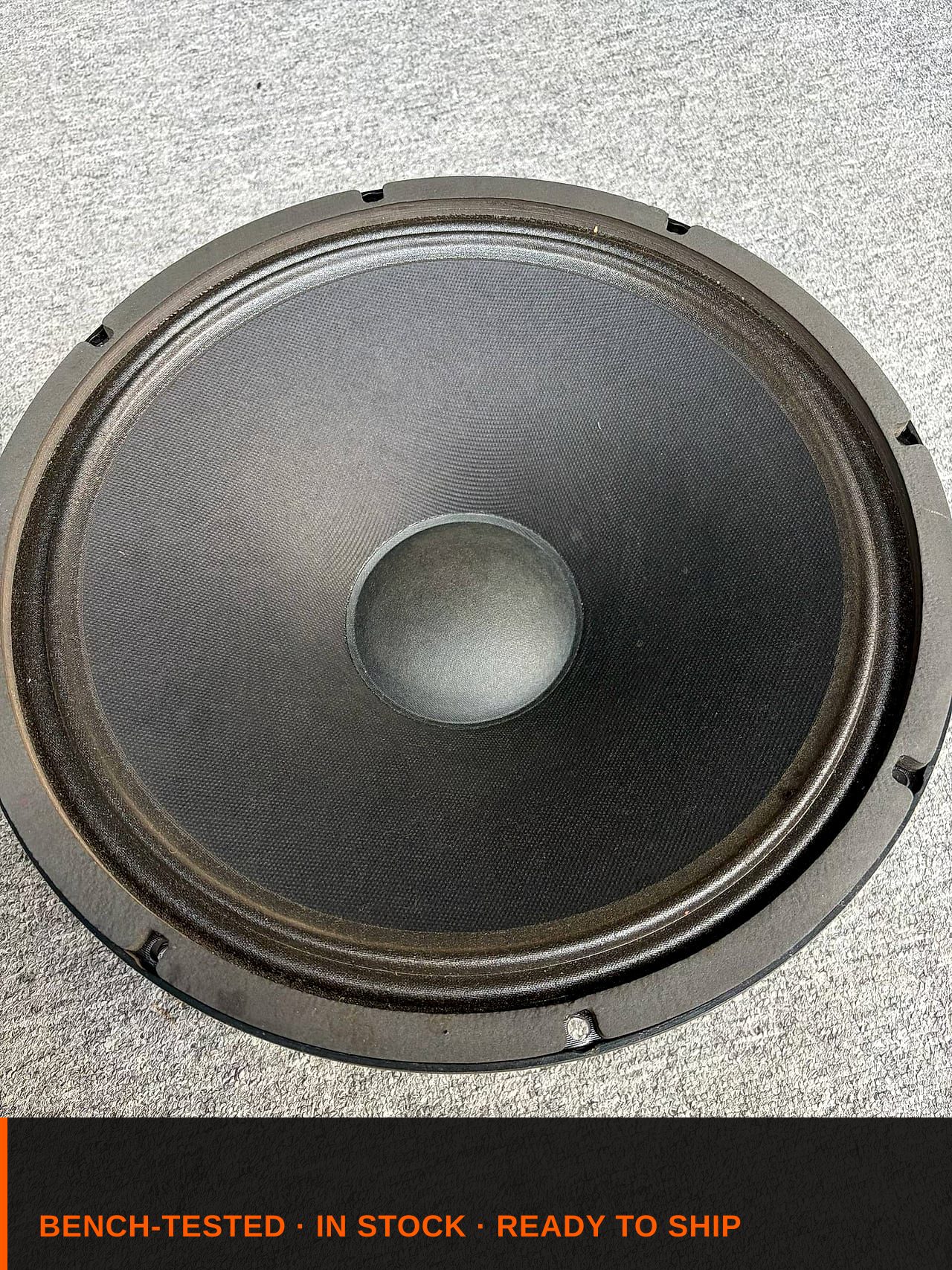
Power handling and age go together. A used powered speaker's amp module has a service life, and capacitors and fans age. Ask how many hours the rig has run and whether the amp has ever been serviced. A DONBN DW-12 that has done wedding rentals for five years is a different proposition from one that sat in a warehouse. Reconing is possible on many drivers, but amp boards for older models can be scarce. Before you buy, test at low volume, then at gig level for ten minutes, and check for fan noise, thermal shutdown and crackle on the input. If the seller cannot demonstrate that, price it as a project, not a working box.
The buyer questions you see on r/livesound and in AV procurement threads are usually the right ones. "Can I use a 120 V speaker on 230 V with a transformer?" Yes, but size it for continuous power, not peak, and expect some loss. "Is a used line array still worth it in 2026?" For a rental firm with the right amp and rigging, often yes — but only if the voltage and compliance match the market you serve. "How do I check a used powered speaker before buying?" Bring a signal source, a multimeter and a phone camera for the label. "Do I need CE for a project in Africa?" Not always legally, but clients and insurers increasingly ask, so it affects resale.
Close with a checklist, not a bargain. Match the nameplate voltage to the destination mains, confirm the connector type and whether re-termination is allowed, verify CE/UL marks against the client's spec, and price in transformer and duty costs before you commit. A used powered PA speaker is only a good deal if it can be powered, connected and accepted where it will actually work. Get the label photo first; everything else follows from that.