The market for used PA speakers for sale is being reshaped by three quiet but powerful forces: the flood of digital consoles reaching end-of-support, the maturing of line array rentals in emerging markets, and the tightening of wireless spectrum regulations. For buyers in the CIS, Middle East, South America, and Africa, these shifts create both opportunity and risk. The days of buying any old box because it was cheap are over—today you need to know which trends are driving prices down, which gear holds value, and how to test before you commit.
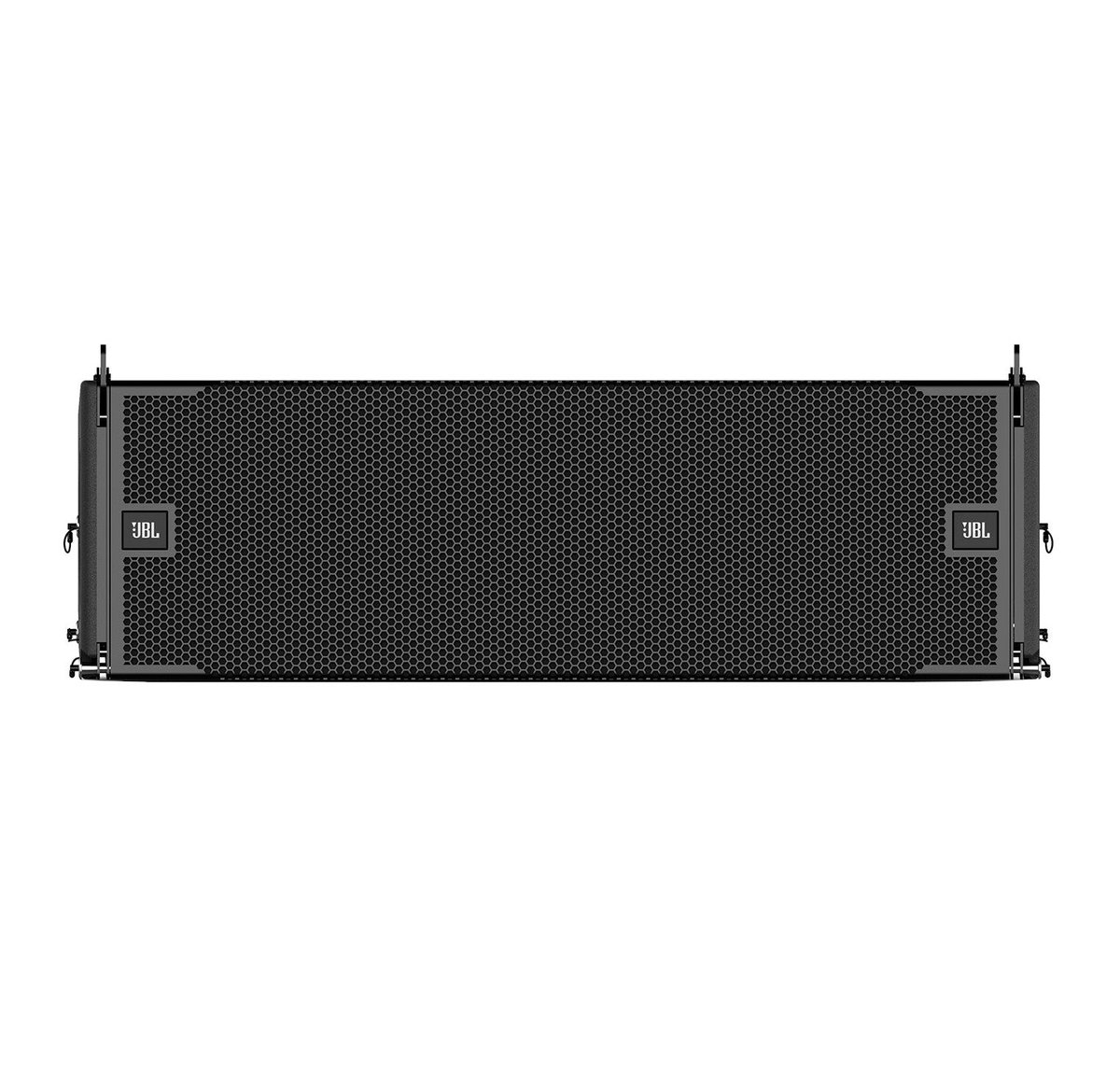
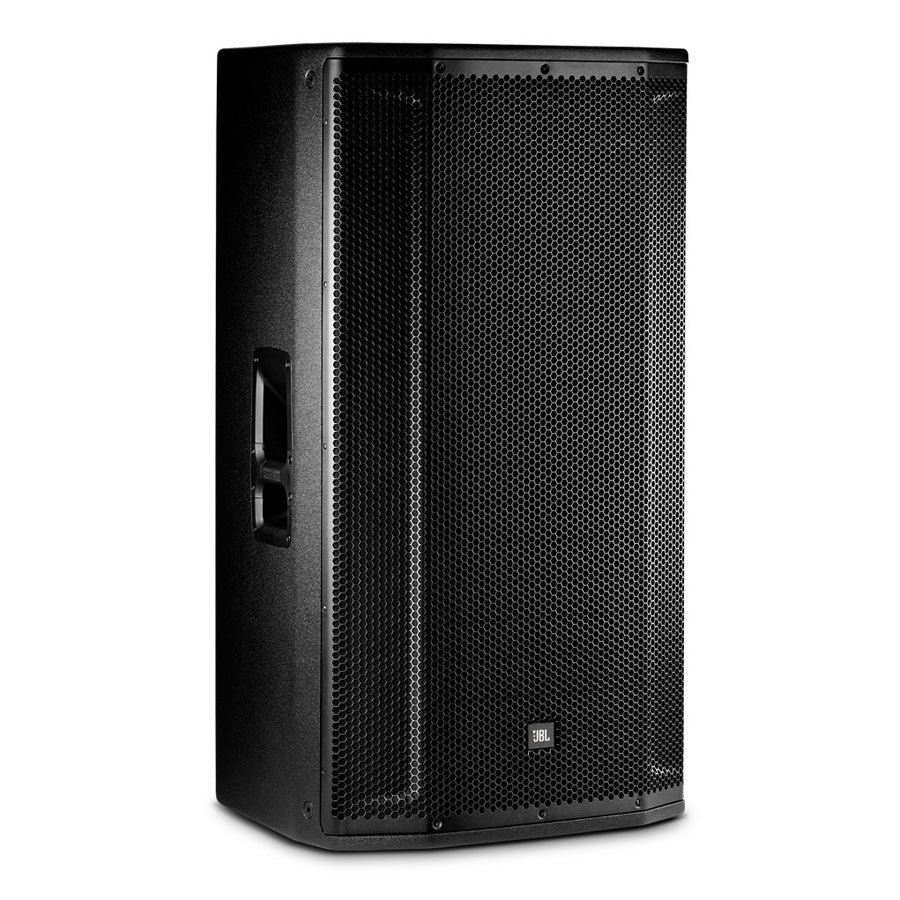
Digital consoles are the biggest driver of bundled used-speaker deals. As rental companies upgrade to newer platforms, they offload entire racks—console, stage boxes, and powered speakers—as a package. That’s great news if you need a complete system, but it also means you’re often buying speakers that have been driven hard for 8–10 hours a day, five days a week. A typical used JBL SRX835P from a rental fleet might have 3,000–5,000 hours on the clock; ask for the service log and check the woofer surround for foam rot. On the other hand, a well-maintained JBL VTX A12 line array module from a touring house can still deliver 90% of its original performance at 40–50% of new price—if you know what to look for.
Line array demand is shifting, and that changes what’s worth buying used. In the Middle East and parts of Africa, rental firms are moving toward compact line arrays for corporate events and houses of worship, which means older large-format boxes are flooding the secondary market. A used JBL VTX A12 is still a serious tool, but check the rigging hardware for fatigue cracks and confirm the flyware meets current safety standards. Meanwhile, point-source boxes like the Bose Panaray LT 9400 remain popular for fixed installs because they’re easier to rig and less demanding on amps. The question buyers keep asking—“Is a used line array still worth it in 2026?”—depends on your use case: for touring, yes if the rigging is certified; for installs, a high-quality point-source may serve you better.
Wireless spectrum regulation is quietly killing some used gear’s value. As countries in the CIS and Middle East auction off 600 MHz and 700 MHz bands for mobile broadband, older wireless systems that operate in those ranges become illegal to use. That doesn’t directly affect passive speakers, but it affects the bundled packages rental companies are selling—and it means you should separate the value of the speakers from the value of any wireless gear included. If a deal includes wireless mics, check the frequency band against your local regulator’s rules before you pay. A bargain package can become a liability if the wireless portion is unusable.
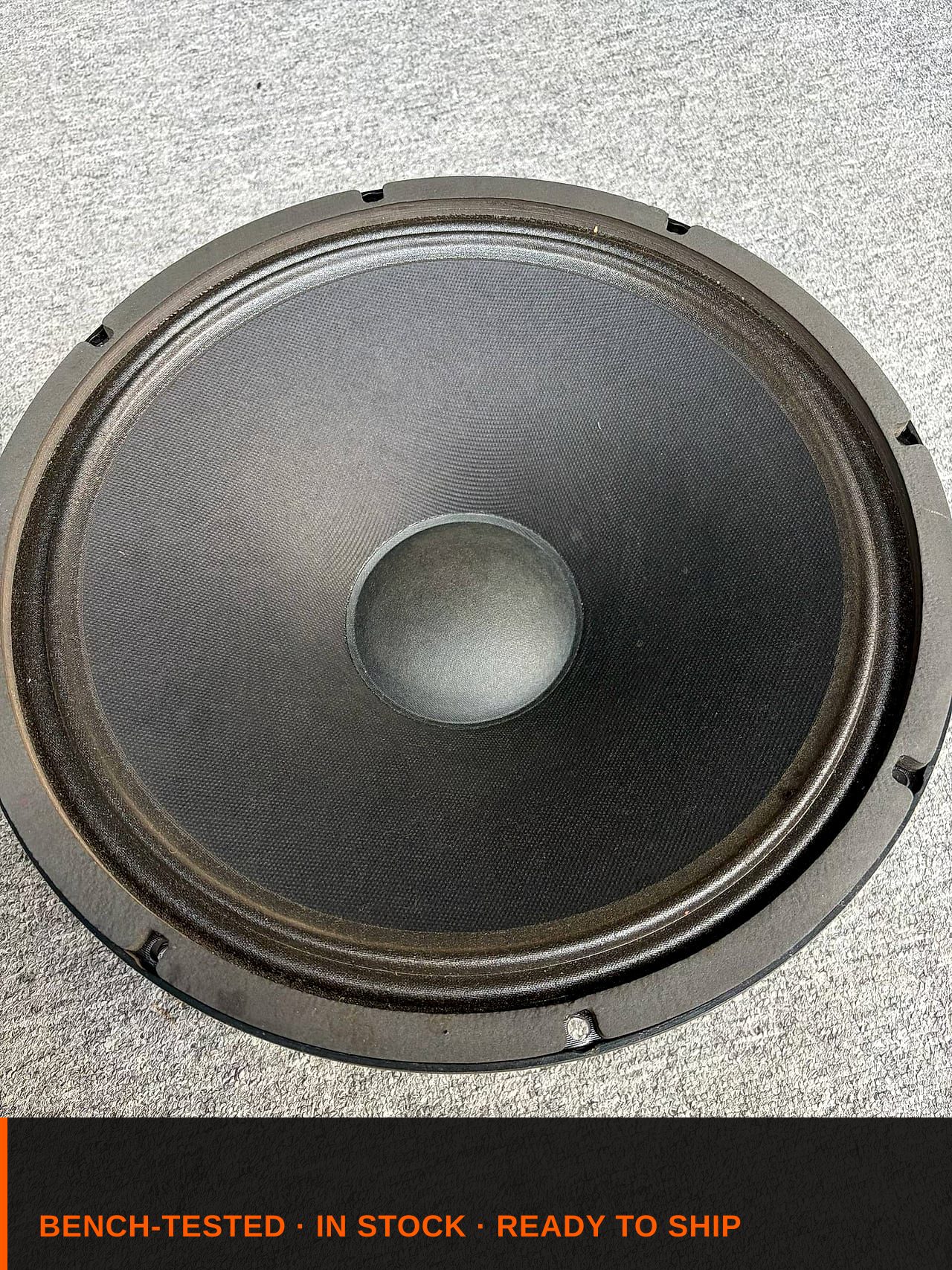
Parts and service reality is the next thing to weigh. Reconing a 15-inch woofer costs $80–150 in parts plus labor, and for older Eminence 151351D drivers, recone kits are still available but drying up. Before you buy any used PA speaker, ask: are spare diaphragms and recone kits available? Can I get a replacement HF driver? For modern boxes like the JBL SRX835P, service is straightforward—JBL’s network of authorized service centers in Dubai, Johannesburg, and São Paulo stocks common parts. For discontinued models, you’re relying on third-party reconers, which adds time and cost. Factor that into your offer.
Policy and logistics can make or break a cross-border deal. CE and UL markings matter for legal operation, but more practically, check the mains voltage: a speaker rated for 120V won’t work on 230V without a step-down transformer, and powered speakers often have voltage-specific power supplies. Customs duties vary widely—Brazil can hit 60% on imported audio gear, while GCC countries typically charge 5%. Shipping a pair of 12-inch powered speakers from Europe to West Africa might cost $300–500 by sea freight, so bundle multiple units to spread the cost. Always get the HS code and duty rate before you commit.
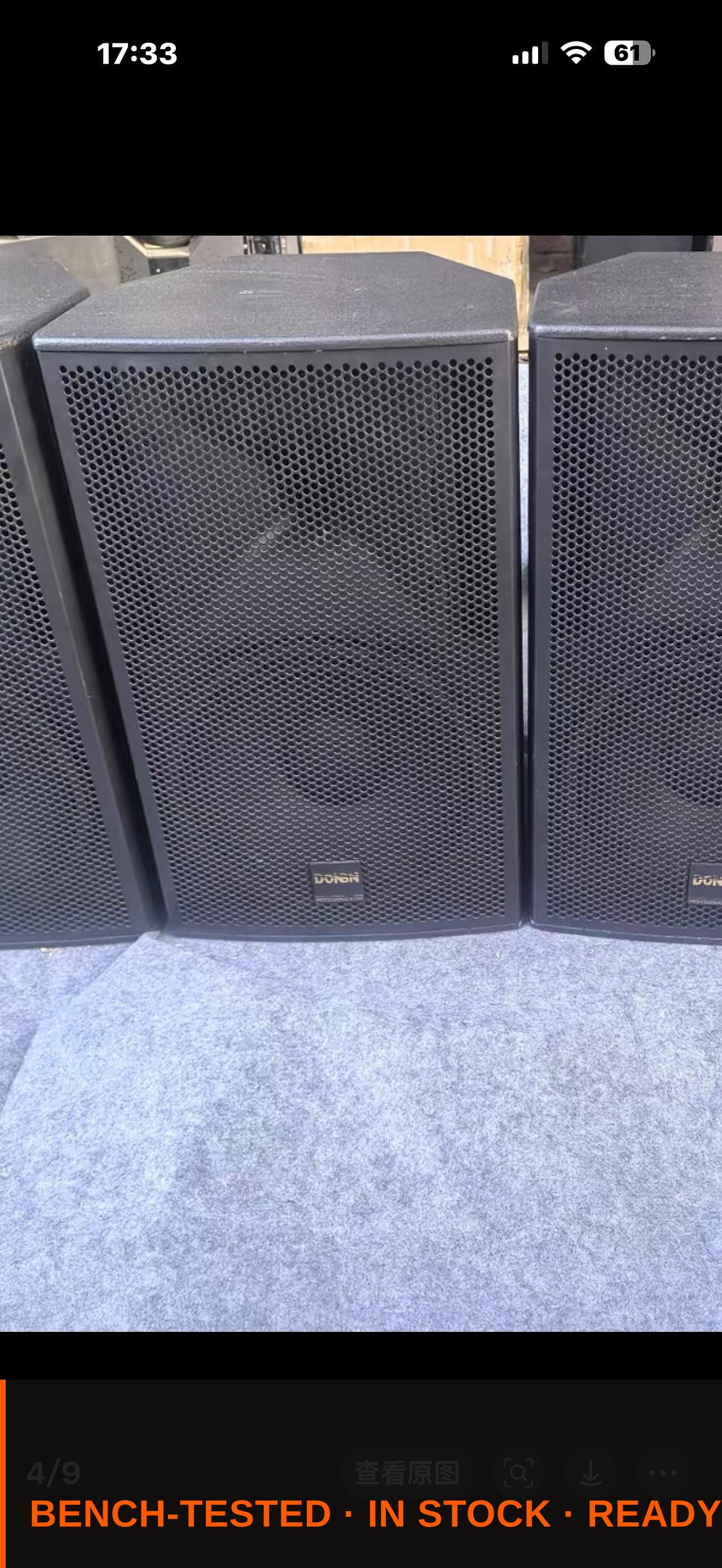
So what should a buyer do? Focus on gear with strong parts support and clear regulatory status. Prioritize used PA speakers for sale that come from single-owner installs rather than heavy rental fleets, and demand service records. Test every box at high SPL for at least 30 minutes—cracked cones and failing capacitors often only show up under load. And remember: the best deals aren’t always the cheapest; they’re the ones where you know exactly what you’re getting and what it will cost to keep it running.