The used pro audio market is moving faster than most buyers realise, and a used line array rig inspection checklist is no longer just about checking cones and cabinets. Digital consoles have compressed the value of older analog desks, line array inventories are swelling as rental companies refresh post-pandemic fleets, and wireless spectrum rules keep tightening in the CIS, Middle East, and beyond. If you are buying a used rig in 2025–2026, you are not just inspecting speakers — you are inspecting a moving target. Here is what is changing and how to check a rig so you do not inherit someone else's problem.
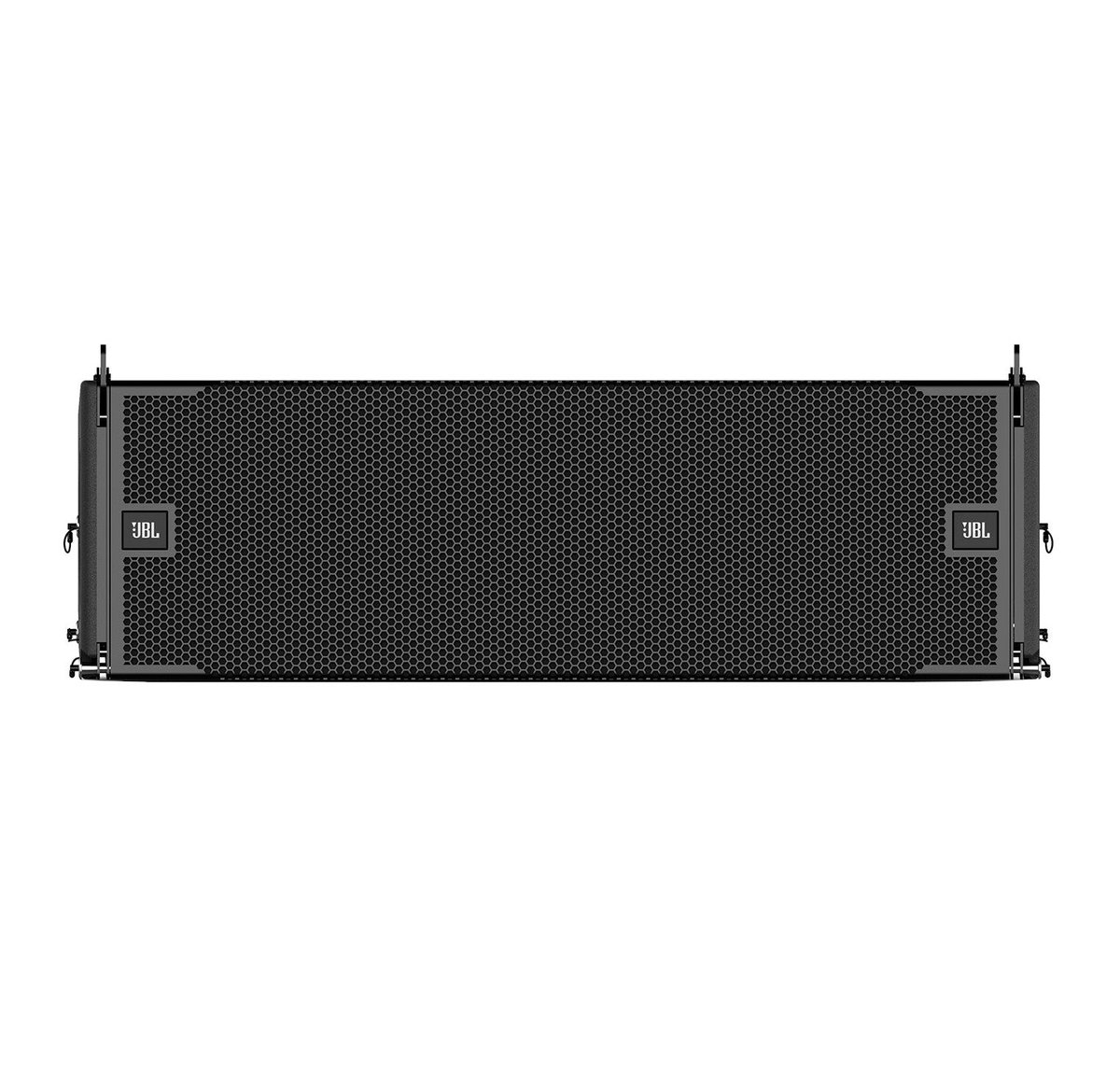
The biggest shift is the flood of used line arrays from rental fleet renewals. Rental demand for live events has recovered unevenly: Gulf markets are strong, parts of South America are price-sensitive, and CIS buyers are increasingly sourcing through secondary channels. That means more rigs are hitting the market with unknown service history. When you inspect a used line array, ask for the original deployment logs and check the serial numbers against the manufacturer's service records. A rig that has done 2,000 hours of festival work will have different wear than one that sat in a warehouse. Look at the flyware first — bent or cracked rigging frames are a deal-breaker, and replacement parts for older models can take months. If the seller cannot show you the rigging certification or at least a recent load test, walk away. Also check the amplifier modules: many line array boxes are self-powered, and a failed DSP board can cost 30–40% of the box's used value. For example, a JBL VTX A12 is a solid workhorse, but verify that its onboard amplification and DSP are fully functional before you commit — a dead module turns a bargain into a parts donor.
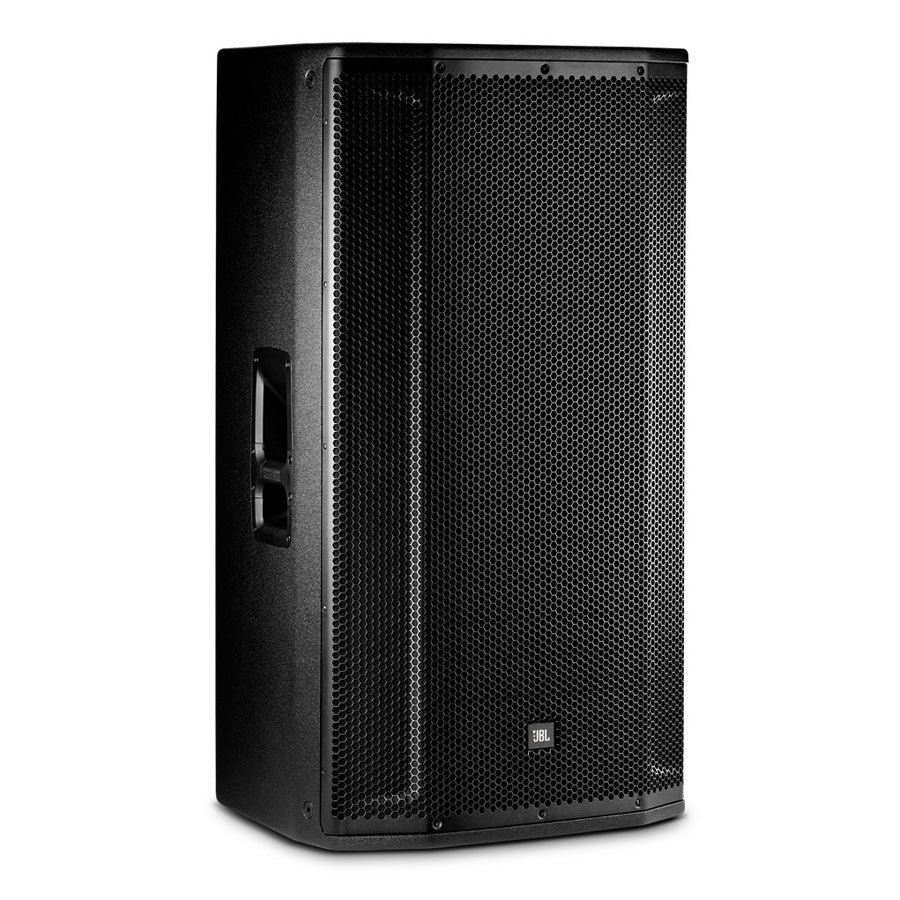
Digital consoles are the second big trend, and they change how you inspect a rig. Buyers increasingly ask, "How do I check a used digital console before buying?" The answer is: test every fader, every encoder, and every input at least twice, and check for scratchy pots or dead LEDs. More importantly, verify firmware and licensing — some consoles require paid upgrades or have locked features. A used console that seems cheap may need a $500–$1,000 firmware unlock. Also check the power supply: switch-mode PSUs fail more often than linear ones, and a replacement can be hard to source. If you are pairing a console with a line array, make sure the DSP presets for your speaker model are still available. For instance, if you are buying a JBL SRX835P as a fill or monitor box, confirm that its onboard presets and network control work with your console ecosystem. The used market is full of consoles with outdated firmware that no longer supports newer speaker presets.
Wireless spectrum is the third trend that should shape your inspection checklist. Regulators in the Middle East and parts of Africa are reallocating UHF bands, and buying used wireless systems without checking frequency compatibility is a fast way to lose money. Ask the seller for the exact frequency band and check it against your country's allowed spectrum. In the CIS, customs and import rules vary widely — a rig that is legal in one country may be blocked in another. Also check mains voltage: many used rigs come from 120V markets, and a 230V conversion is not always a simple plug swap. Verify that power supplies are rated for 220–240V or that step-down transformers are included. A 5kW step-down transformer can add $300–$600 to your total cost, and it adds failure points.
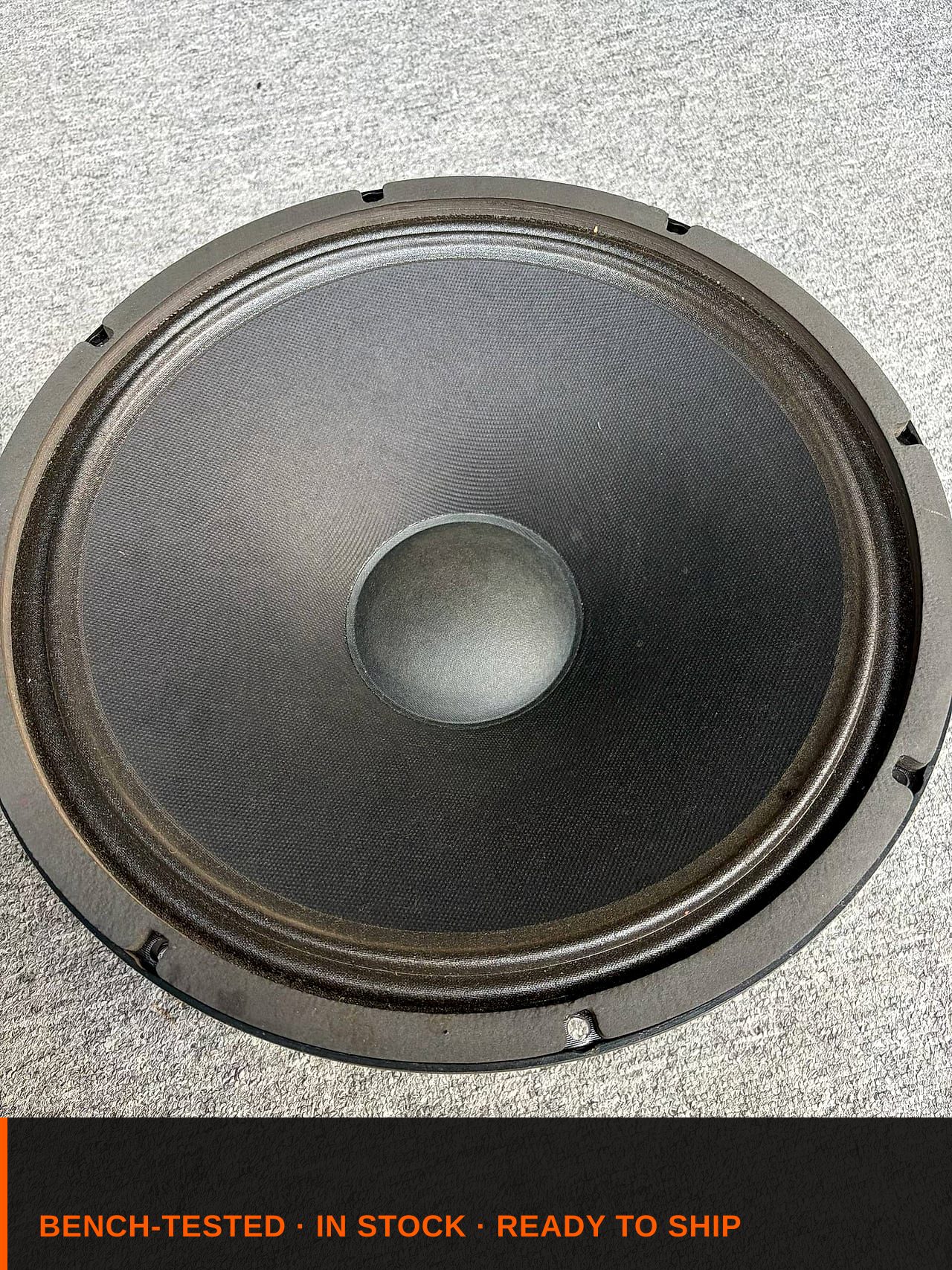
Parts and service reality is the fourth trend. As manufacturers discontinue older line array models, spare parts dry up. Before buying, search for recone kits, diaphragm assemblies, and amplifier boards for your specific model. If you are considering a Bose Panaray LT 9400, check whether the proprietary drivers and mounting hardware are still available — Bose has a mixed record on long-term parts support for older installed models. The same goes for Eminence 151351D woofers: they are common enough that recone kits are usually available, but verify the cone and spider condition. A recone costs roughly $80–$150 per driver, so factor that into your offer. For any rig, ask the seller for a video of each box playing pink noise at moderate level — this reveals rattles, blown drivers, and cabinet resonance issues that a visual inspection misses.
Finally, policy and paperwork matter more than ever. CE/UL markings are not just stickers — they indicate compliance with safety and EMC standards. In the Middle East and South America, customs officials increasingly ask for conformity documents. A used rig without CE/UL documentation may be held at the border, and storage fees can run $50–$100 per day. Ask for the original manuals, declaration of conformity, and service records. If the seller cannot provide them, negotiate a discount that covers the risk. Also check for counterfeit components: fake capacitors and drivers are common in used gear from unknown sources. A quick visual check of PCB markings and driver part numbers can save you from a rig that fails mid-tour.
So what should you do? Build your inspection checklist around the trends, not just the hardware. Demand service logs, test every module, verify spectrum and voltage compatibility, and price in the cost of recones and spare boards. A used line array can still be a great investment in 2026 — but only if you inspect it like a trader, not a fan. Start with the rigging and amplification, then move to the console and wireless, and always leave room in your budget for one unexpected repair. That is the difference between a bargain and a money pit.