When you run a rental fleet, every piece of gear is a depreciating asset until you sell it. The Peavey NC 110 price used is a case in point: these compact, rugged speakers hold decent value if you know when to buy, what to rotate out, and how to keep them serviceable. This isn't about buying one speaker for a garage—it's about fleet economics. You need to know which boxes earn their keep, which ones become parts donors, and how to time the market so you're not stuck with dead weight.
Start with the product itself. The Peavey NC 110 is a 10-inch two-way passive speaker, typically rated around 100–150 watts continuous, and it's been a staple in small clubs, houses of worship, and corporate AV for years. Used units usually trade between $80 and $150 depending on condition, with road-worn examples dipping lower. The question buyers ask most on forums like r/livesound is: "Is a used Peavey NC 110 still worth it in 2026?" The answer depends on your fleet strategy. If you need cheap, reliable fill speakers for breakout rooms or delay stacks, they're a low-risk buy. But if your clients expect line-array consistency, these are not the boxes to build around. For fleet refresh, the NC 110 works best as a utility speaker—the one you send out when a client needs four small monitors on a tight budget. That's where the Peavey NC 110 price used makes sense: low entry cost, easy to replace, and simple to service.
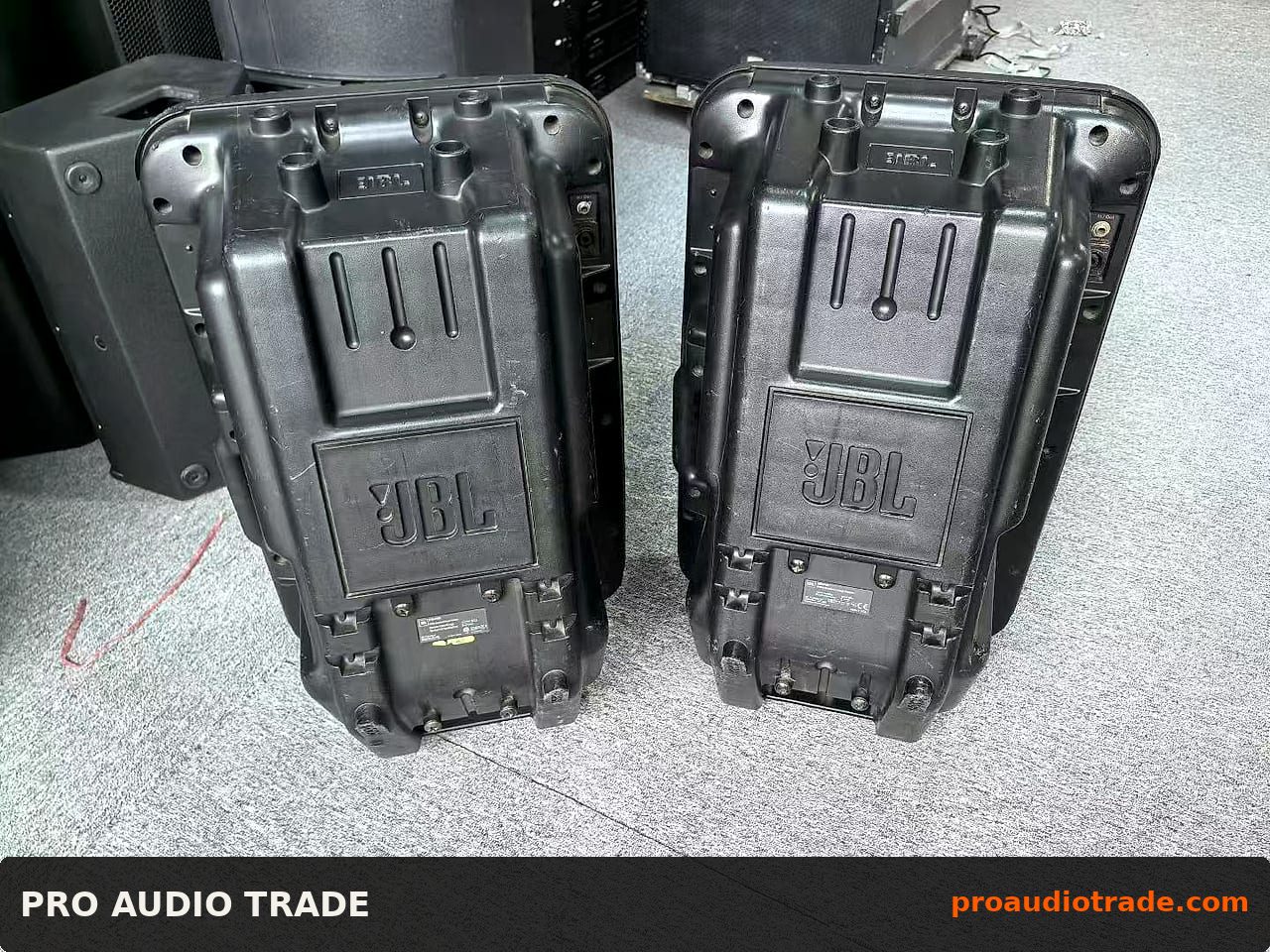
When should you rotate gear out? The rule of thumb for rental firms is to sell before the second recone. A 10-inch driver like the one in the NC 110 typically lasts 3–5 years in heavy rental use before cone fatigue sets in. Once you've reconed a box twice, the margin disappears. That's the moment to list it. The same logic applies to bigger inventory: if you're running JBL SRX835P powered speakers, you'll know they're due for rotation when the amplifier modules start showing intermittent faults or the cabinets have more than a few scuffs—buyers on LinkedIn AV procurement groups often ask, "How many hours before a powered speaker loses resale value?" The honest answer: after about 1,500–2,000 hours of rental use, expect a 30–40% drop from original street price. Sell while they still test clean.
Preserving resale value is mostly about documentation and cosmetics. Keep original grilles, save the spec sheets, and photograph the serial numbers. For passive boxes like the Peavey NC 110, a clean cabinet and a fresh recone with genuine parts can add $30–$50 to the used price. For higher-end gear, say a JBL VTX A12, buyers want service history—who did the last recone, what amplifier was used, and whether the rigging hardware is original. That's the difference between a quick sale and a box that sits for months. Also, store speakers with grilles on and in a dry room; humidity kills cones and corrodes terminals, especially in CIS and Middle East climates.
Industry context matters for timing. Rental demand for small passive speakers is steady in emerging markets—Africa, South America, and parts of the Middle East—where installers need affordable inventory for schools, mosques, and small venues. But import rules vary: CE marking is required for EU-bound gear, while UL matters for US clients. Mains voltage is another factor—110V vs 230V—so if you're selling cross-border, specify the tap voltage. Customs duty in many CIS countries runs 10–15% on used audio gear, and shipping a pallet of 10 speakers from Europe to the Gulf can cost $400–$600. Factor that into your resale price before you buy.
Parts and service reality check: the NC 110 uses a standard 10-inch woofer and a 1-inch compression driver, both available from aftermarket suppliers. Recones are cheap—often $25–$40 in parts—but labor adds up. If you're a rental house with a bench tech, that's fine. If you're a broker, avoid boxes with blown drivers unless you're buying them as parts donors. The same goes for Eminence 151351D woofers—if you're stocking spares, buy them in pairs and test impedance before listing. Buyers on Quora often ask, "Can I replace a Peavey NC 110 driver with a generic 10-inch?" Yes, but match the impedance and power rating, or you'll lose low-end response and resale value.
Closing takeaway: treat the Peavey NC 110 price used as a fleet entry point, not a long-term hold. Buy low, rotate after two recones, keep documentation, and sell into markets where small passive speakers still command demand. If you're refreshing a larger fleet, pair your NC 110s with a few JBL SRX835P units for clients who need powered boxes, and sell the Peaveys while they still test clean. That's how you protect margin across the whole inventory.